Home Blog Page 39

ThriveKin Emerges from Union, New Jersey as a Voice-First AI Platform Transforming Caregiving Through Listening, Memory, and Human-Centered Design

In a healthcare landscape increasingly shaped by technology, one New Jersey-based company is redefining what support looks like for millions of family caregivers navigating the daily realities of care. ThriveKin, Inc., headquartered in Union, has introduced a voice-first AI platform built around a simple but often overlooked premise: caregiving begins not with systems, but with being heard.

Founded in 2025 by Brian Abolins, ThriveKin represents a convergence of personal experience and advanced technology. Abolins, a dual heart-liver transplant survivor, developed the platform after firsthand exposure to the intensity of caregiving during a prolonged hospitalization that placed his family in a constant state of coordination, decision-making, and emotional strain. That lived experience informs every aspect of the platform’s design, positioning it not as a clinical tool, but as a responsive, human-centered companion for caregivers operating under pressure. As Abolins explains, “Care begins with being heard. Before the medication schedule, before the appointment, there is a person holding it all together who needs someone to notice they are still there.”

At its core, ThriveKin is structured around voice interaction. Caregivers engage with the platform conversationally, speaking to it as they would to a trusted partner. The system listens, processes, and retains critical information—medications, appointments, financial details, and care routines—organizing these inputs into a centralized, accessible framework. This hands-free functionality addresses one of the most persistent challenges in caregiving: cognitive overload. By transferring the burden of memory and organization to the platform, users are able to focus more directly on the act of care itself.

Abolins adds, “Caregivers are carrying everything in their heads. The first job of any platform serving them is not to manage tasks. It is to listen.”

The platform’s capabilities extend beyond simple task management. ThriveKin is designed to identify patterns within caregiver behavior, monitoring for indicators of stress or potential crisis. By analyzing changes in interaction frequency, tone, and routine, the system can surface early warnings that might otherwise go unnoticed, providing an opportunity for intervention before challenges escalate. This predictive dimension introduces a level of proactive support that aligns with broader trends in health technology, where early detection is increasingly viewed as essential to effective care.

Language accessibility is another defining feature. With support for more than 70 languages, ThriveKin is positioned to serve a diverse user base, reflecting the linguistic and cultural realities of modern caregiving environments. This capability ensures that the platform’s benefits are not limited by language barriers, reinforcing its role as an inclusive solution within a complex and varied landscape.

Security and organization are equally central to the platform’s architecture. ThriveKin incorporates an encrypted digital vault for storing medical records, insurance documents, and care plans, creating a single point of access for information that is often fragmented across multiple systems. Automated routines further streamline the experience, generating reminders, scheduling tasks, and maintaining continuity without requiring constant manual input.

The platform also facilitates coordination among family members and care teams. By enabling shared access to schedules, updates, and documentation, it distributes responsibility across a network rather than concentrating it on a single individual. This collaborative functionality addresses one of the most significant stressors in caregiving: the sense of isolation that can arise when responsibilities are not evenly shared.

From a business perspective, ThriveKin operates within a tiered model that allows users to engage at different levels depending on their needs. Entry-level access provides a foundational set of tools for individuals exploring the platform, while more advanced plans expand capabilities to include multiple care recipients, extended data retention, and enhanced support. This scalability reflects an understanding that caregiving is not a static experience, but one that evolves over time.

Within the broader context of New Jersey’s health and wellness sector, ThriveKin represents a notable example of innovation emerging at the intersection of technology and human experience. Coverage across Explore New Jersey’s health and wellness section continues to highlight how companies in the state are contributing to new models of care, and ThriveKin’s approach aligns with a growing emphasis on personalization, accessibility, and emotional intelligence in digital health solutions.

The platform’s development also underscores a shift in how caregiving is being addressed at a systemic level. Traditionally, support structures have focused on patients, with caregivers often operating in the background. ThriveKin reverses that dynamic, placing the caregiver at the center of the experience and recognizing their role as both critical and underserved. By designing a system that listens first, the platform acknowledges that effective care begins with understanding the needs of those providing it.

As healthcare continues to evolve, the integration of artificial intelligence into daily life is becoming increasingly normalized. What distinguishes ThriveKin is not the presence of AI itself, but the way it is applied. Rather than emphasizing complexity, the platform prioritizes simplicity and accessibility, using conversational interaction as a bridge between advanced technology and real-world application.

For New Jersey, the emergence of a company like ThriveKin reinforces the state’s position as a contributor to forward-thinking solutions in health and wellness. From its base in Union, the platform is extending its reach to caregivers across the country, offering a model that combines innovation with empathy.

In an environment where caregiving often involves managing countless variables simultaneously, ThriveKin introduces a different approach—one that reduces friction, enhances clarity, and creates space for what matters most. By organizing the details and responding in real time, it allows caregivers to remain present, shifting the focus from managing care to delivering it.

You can integrate a concise, elevated reference into the existing ThriveKin feature like this—tight, authoritative, and fully aligned with the tone of the main article:

Building on momentum already recognized across Sunset Daily News New Jersey’s recent coverage, ThriveKin’s evolution into a formally protected brand adds another layer of credibility to its mission. As previously reported in “ThriveKin Secures Dual Federal Trademarks, Cementing a Voice-First Future for Caregiving Technology,” the company has secured dual federal trademark registrations through the United States Patent and Trademark Office, reinforcing not just its identity, but the underlying philosophy driving its development. That milestone marked more than a legal achievement—it established a clear position within the digital health landscape, signaling that ThriveKin’s emphasis on listening-first design is not a feature, but a foundational principle now embedded into its long-term strategy.


Mother’s Day Picnic & Craft Fair at Valenzano Winery Headlines a Statewide Celebration of Family, Food, and Spring in New Jersey

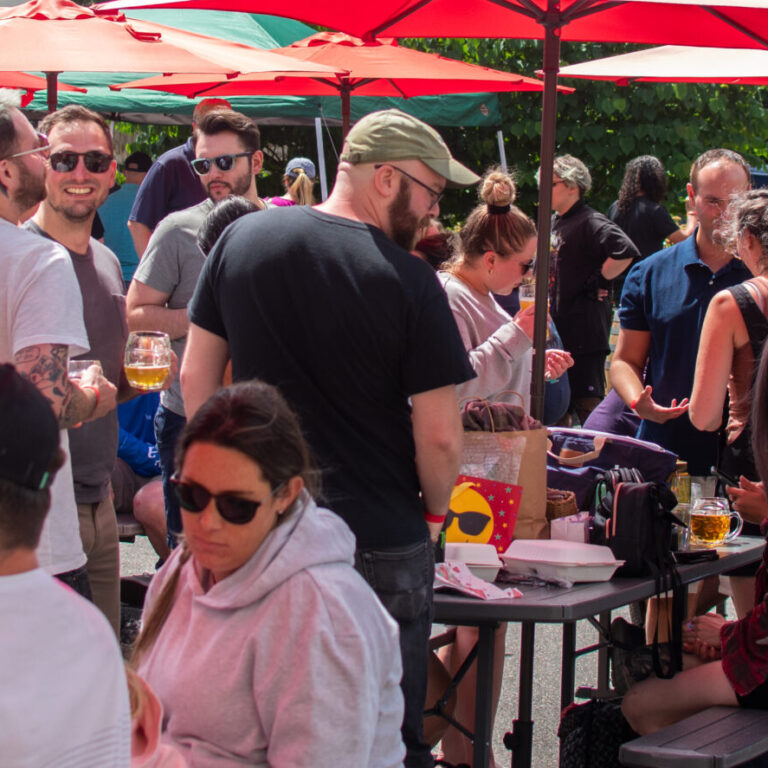
Mother’s Day in New Jersey has evolved into one of the most vibrant and diverse seasonal celebrations on the calendar, and in 2026, one event is capturing that spirit in full: the Mother’s Day Picnic & Craft Fair at Valenzano Winery. Set against the scenic backdrop of South Jersey’s wine country, this event offers a complete experience that blends local craftsmanship, culinary variety, live entertainment, and a relaxed, family-friendly atmosphere designed to celebrate the occasion in a way that feels both elevated and accessible.

Located in Shamong, Valenzano Winery has long established itself as a destination that merges agricultural heritage with modern hospitality. On Sunday, May 10, 2026, that identity takes center stage as the winery transforms its grounds into a curated festival environment where guests can move freely between food trucks, artisan vendors, and wine tastings while enjoying live entertainment and open-air picnic space. The result is not simply an event, but a full-day experience that invites families to gather, explore, and celebrate together.

The appeal of the Mother’s Day Picnic & Craft Fair lies in its versatility. For those seeking a traditional celebration, the winery’s extensive selection of locally produced wines provides a refined centerpiece, offering everything from crisp whites to robust reds that reflect the character of New Jersey’s growing wine industry. For others, the event’s casual format—complete with food trucks serving a range of cuisines and vendors showcasing handmade goods—creates an environment that feels relaxed, interactive, and distinctly personal. It is this balance between structure and spontaneity that defines the event’s success.

Beyond the immediate experience, the event reflects a broader trend across New Jersey, where Mother’s Day has expanded into a statewide showcase of activities that extend far beyond the traditional brunch. Coverage across Explore New Jersey’s activities and lifestyle section highlights how communities are reimagining the holiday through a mix of outdoor experiences, interactive workshops, and destination events that cater to a wide range of interests.

At the Jersey Shore, for example, long-standing traditions continue to draw families to venues like Monmouth Park in Oceanport, where Mother’s Day at the track combines live horse racing with family-friendly attractions and complimentary offerings for mothers. Along the boardwalks of Point Pleasant Beach and Seaside Heights, attractions such as Jenkinson’s Boardwalk and Casino Pier extend the celebration with special access and promotions that blend nostalgia with accessibility.

For those drawn to nature, destinations like the New Jersey Botanical Garden in Ringwood offer a quieter alternative, where spring blooms create a setting that emphasizes reflection and natural beauty. Meanwhile, farm-based experiences at Alstede Farms in Chester combine agricultural engagement with live entertainment, reinforcing the connection between local production and seasonal celebration.

Dining remains a central element of the holiday, with venues such as Battello in Jersey City and Elements in Princeton offering curated menus that elevate the traditional brunch into a fine dining experience. At the same time, more casual options and live music venues, including Wilson’s Restaurant & Live Music in Hi-Nella, provide alternative formats that blend entertainment with culinary offerings.

Interactive experiences have also become a defining feature of the modern Mother’s Day landscape. From creative workshops at Pour | Candle Bar in Cape May to hands-on design sessions at The Eclectic Chic Boutique in Montclair, these events allow participants to create personalized keepsakes that extend the celebration beyond the day itself. Even family-focused activities, such as open swim sessions at Five Star Swim School in Deptford, reflect a growing emphasis on shared experiences over traditional formats.

Within this expansive landscape, the Mother’s Day Picnic & Craft Fair at Valenzano Winery stands out for its ability to bring multiple elements together in a single, cohesive environment. It captures the essence of what Mother’s Day in New Jersey has become: a celebration that is as much about place and experience as it is about tradition. The combination of local wine, artisanal vendors, and live entertainment creates a setting that feels both rooted and contemporary, offering something for every generation in attendance.

For South Jersey, the event also reinforces the region’s role within the state’s broader tourism and cultural economy. Wineries, farms, and outdoor venues are increasingly serving as anchors for seasonal events, drawing visitors while supporting local producers and artisans. Valenzano Winery’s continued investment in programming of this scale reflects a recognition of that role and a commitment to expanding it.

As May 10 approaches, the anticipation surrounding the event continues to build, not only as a celebration of mothers but as a reflection of how New Jersey defines community, hospitality, and shared experience. In Shamong, that definition will take shape across vineyards, vendor stalls, and picnic spaces, creating a moment that is both deeply personal and widely shared—an expression of the state’s ability to turn a single day into a lasting memory.

New Jersey State Botanical Garden at Skylands Elevates Art, Landscape, and History into One of the State’s Most Immersive Cultural Destinations

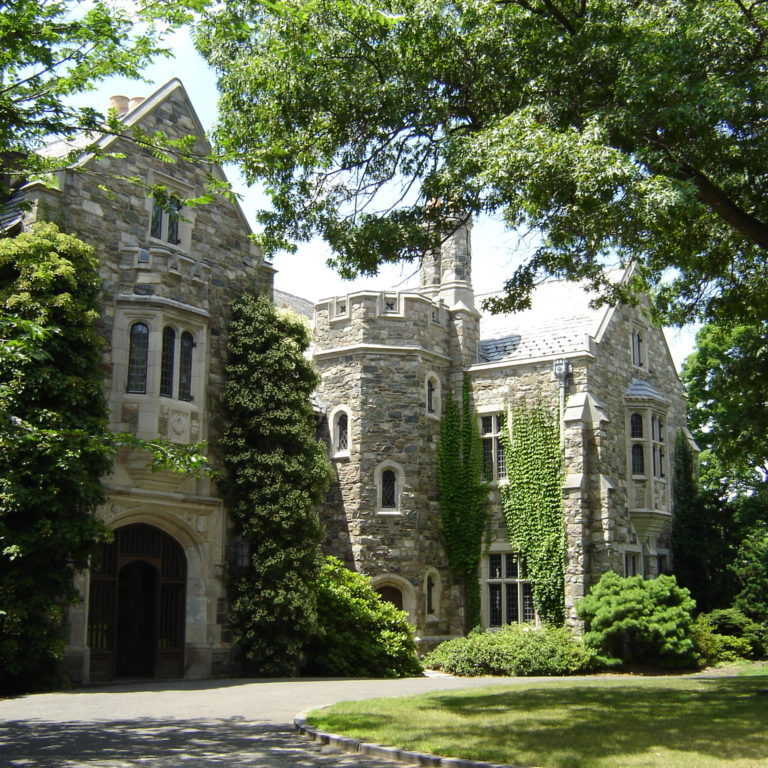
Set within the rolling terrain of the Ramapo Mountains in Ringwood, the New Jersey State Botanical Garden stands as one of the most refined intersections of landscape design, architecture, and cultural preservation in the state. Known widely as Skylands, the 96-acre garden estate offers a layered experience that extends far beyond horticulture, positioning itself as a cornerstone of New Jersey’s art and culture landscape.

At its core, the property is defined by the presence of Skylands Manor, a 44-room Tudor Revival mansion that anchors the entire estate both visually and historically. Constructed in the 1920s for financier Clarence McKenzie Lewis and designed by noted architect John Russell Pope, the manor reflects a level of craftsmanship that continues to shape the character of the grounds. Built using native granite sourced directly from the property, the structure is not only a residence but an extension of the landscape itself, integrating architecture with its natural surroundings in a way that feels deliberate and enduring.

The gardens radiating from the manor form a carefully orchestrated sequence of environments, each designed to highlight a specific botanical identity while contributing to a cohesive whole. With more than a dozen distinct garden spaces, the estate moves seamlessly between structured formality and organic flow. The Perennial Garden introduces a rhythm of seasonal color and texture, while the Lilac and Peony Gardens offer concentrated displays that peak during spring, drawing visitors into moments of heightened visual impact. The Crabapple Vista, stretching for nearly half a mile, transforms into a corridor of blossoms at its height, creating a spatial experience that is as much about movement as it is about observation.

What distinguishes Skylands is the way these curated spaces transition into the surrounding wilderness. Beyond the formal gardens, the property expands into more than 1,000 acres of woodland within Ringwood State Park, offering trails that invite exploration at a different pace. Here, the emphasis shifts from design to discovery, with hiking and birdwatching opportunities that reveal the ecological diversity of the Ramapo Mountains. This duality—structured garden and untamed forest—creates a dynamic experience that appeals to a wide range of visitors, from horticultural enthusiasts to outdoor explorers.

The estate’s historical infrastructure continues to play an active role in its modern identity. The Carriage House, once part of the property’s working farm, has been repurposed as a visitor center and event space, hosting seasonal plant sales, educational programs, and community gatherings. This adaptive use reflects a broader commitment to maintaining the estate’s relevance while preserving its historical integrity.

Accessibility remains a defining feature of the New Jersey State Botanical Garden. Open year-round with free admission, the grounds are designed to be approachable without sacrificing their level of detail or care. Parking fees during peak seasonal periods help support maintenance while ensuring that the experience remains widely available. Guided tours, offered throughout the warmer months, provide additional context, allowing visitors to engage more deeply with the history, design, and botanical significance of the site.

The garden’s operational philosophy emphasizes preservation through stewardship. Policies such as carry-in, carry-out waste management and restrictions on activities that could disrupt the landscape are not simply rules—they are part of a broader framework designed to protect the integrity of the grounds. By limiting activities like picnicking and active sports within the garden itself, the estate ensures that its plantings and design elements remain undisturbed, preserving the experience for future visitors.

Within the broader context of New Jersey’s cultural offerings, Skylands occupies a unique position. Coverage across Explore New Jersey’s art and culture section consistently highlights destinations that blend history with contemporary relevance, and the New Jersey State Botanical Garden exemplifies that balance. It is a space where art is expressed through landscape, where architecture becomes part of the environment, and where history is not confined to the past but integrated into the present experience.

The significance of the garden extends beyond its physical boundaries. As a publicly accessible estate, it serves as a model for how cultural and natural resources can be preserved while remaining open to engagement. It supports educational initiatives, provides a venue for community events, and contributes to a broader understanding of how design and ecology can coexist.

For visitors, the experience is both immediate and layered. A walk through the gardens offers visual and sensory engagement, while the surrounding trails provide a more expansive connection to the landscape. The manor itself stands as a reminder of the estate’s origins, anchoring the experience in a narrative that spans nearly a century.

As New Jersey continues to define its identity as a destination for arts, culture, and outdoor exploration, the New Jersey State Botanical Garden at Skylands remains one of its most complete expressions. It is a place where the boundaries between disciplines dissolve, creating an environment that is at once contemplative, educational, and visually compelling.

In Ringwood, the garden does more than showcase plants—it presents a vision of how landscape, history, and design can come together to create something enduring, accessible, and distinctly New Jersey.

Pour Candle Bar in Cape May Transforms Coastal Lifestyle into a Hands-On Creative Experience Rooted in Craft, Wellness, and Community

In Cape May, where coastal charm meets a growing culture of experiential retail, POUR Candle Bar & Chandlery has emerged as one of the most distinctive lifestyle destinations in South Jersey. More than a boutique or workshop, the concept represents a broader shift in how consumers engage with products—moving beyond purchase into participation, personalization, and connection.

Located on West Perry Street, POUR Candle Bar offers an interactive candle-making experience that invites guests to step directly into the creative process. With more than 75 scent options available, visitors are guided through the art of blending fragrances, pouring soy wax, and designing a candle that reflects their own preferences and personality. The result is not only a finished product, but a tangible memory tied to the experience of making it.

At the center of this concept is Corinne Rietheimer, a Cape May native whose vision for POUR Candle Bar is rooted in both craftsmanship and community. As the founder of Shore Skin & Home, Rietheimer has spent more than a decade building a brand centered on natural, handcrafted skincare and home goods. Established in 2013, Shore Skin & Home has developed a reputation for producing small-batch, vegan products made without parabens, synthetic additives, or animal-derived ingredients. Every item—from soaps to skincare formulations—is created with a focus on purity, sustainability, and attention to detail.

POUR Candle Bar extends that philosophy into a new format, transforming product creation into an accessible, social activity. The workshop’s BYOB-friendly environment adds another layer to the experience, allowing groups to gather, relax, and engage with the process in a setting that feels both curated and casual. It is a model that aligns with broader lifestyle trends, where consumers are seeking experiences that combine creativity, wellness, and social interaction.

The candle-making process itself reflects the same commitment to quality that defines Shore Skin & Home. Soy wax, known for its clean burn and environmental benefits, serves as the foundation, while essential oils and fragrance blends provide the sensory dimension. Guests are encouraged to experiment, layering scents to create compositions that range from subtle and calming to bold and expressive. This emphasis on customization ensures that no two candles are identical, reinforcing the personal nature of the experience.

Beyond the workshop, the connection to Shore Skin & Home remains central. The boutique’s product line—available both in-store and through a network of stockists—continues to emphasize handcrafted quality and ethical production. Items are created in small batches at a local production facility, with soaps cured for several weeks to achieve optimal texture and performance. This level of care reflects a broader commitment to craftsmanship that extends across both brands.

Within the context of New Jersey’s lifestyle and retail landscape, POUR Candle Bar represents a significant evolution. Coverage across Explore New Jersey’s lifestyle section highlights a growing demand for experiences that integrate creativity, sustainability, and personal engagement. Traditional retail models are being redefined by concepts that invite participation, and POUR Candle Bar stands as a clear example of how that shift is taking shape.

Cape May provides an ideal setting for this type of experience. Known for its historic architecture, coastal environment, and vibrant tourism economy, the city has become a hub for businesses that blend local character with innovative concepts. POUR Candle Bar fits seamlessly into this ecosystem, offering visitors an activity that complements the area’s broader appeal while adding a unique, hands-on dimension.

The impact extends beyond individual experiences. By sourcing materials thoughtfully, producing goods locally, and creating opportunities for community interaction, the business contributes to a model of sustainable, experience-driven commerce. It supports local employment, encourages repeat visitation, and reinforces the value of craftsmanship in an increasingly mass-produced market.

For visitors, the appeal is immediate. Whether part of a weekend getaway, a group outing, or a solo exploration, the opportunity to create a custom candle in a guided, welcoming environment offers a sense of accomplishment and connection that extends beyond the workshop itself. It transforms a simple object into a personal artifact, tied to a specific moment and place.

As New Jersey continues to expand its identity as a destination for both tourism and lifestyle innovation, businesses like POUR Candle Bar illustrate how local entrepreneurship can shape that narrative. By combining product quality, experiential design, and community engagement, the concept moves beyond traditional retail, offering a model that is both contemporary and deeply rooted in place.

In Cape May, that model is already resonating. Through every candle poured and every scent blended, POUR Candle Bar is redefining what it means to engage with a product—turning creation into experience and experience into lasting connection.

NJ Spotlight News Roundtable Frames a Defining Week in New Jersey Politics, Policy, and Public Accountability

A pivotal week in New Jersey public life came into sharper focus as NJ Spotlight News convened its May 1, 2026 Reporters Roundtable, assembling a panel of seasoned journalists to dissect the most consequential political developments and policy shifts shaping the state. The discussion, structured as a comprehensive review of the week’s top headlines, offered more than a recap—it delivered a layered analysis of how legislative decisions, executive actions, and emerging controversies are converging to redefine the trajectory of governance across New Jersey.

At the center of the conversation was the evolving political environment as the state moves deeper into an election cycle marked by heightened scrutiny, shifting alliances, and a renewed emphasis on accountability. The panel’s insights reflected a growing recognition that New Jersey’s political landscape is no longer operating in isolation. National narratives—from economic policy to federal-state legal disputes—are increasingly intersecting with local priorities, creating a complex framework in which state leaders must navigate both immediate concerns and long-term strategic positioning.

One of the dominant themes explored during the roundtable was the persistent pressure on affordability and its ripple effects across policy domains. Rising costs associated with housing, healthcare, and everyday living continue to influence both legislative agendas and voter sentiment. Panelists noted that these economic pressures are not confined to a single sector; they are shaping decisions in areas ranging from budget allocations to infrastructure investment. The conversation underscored how affordability has evolved from a campaign talking point into a governing imperative, requiring coordinated action across multiple levels of government.

Closely tied to this issue is the ongoing debate over fiscal management and resource allocation. As lawmakers confront competing priorities, the question of how to balance investment with restraint has become increasingly central. The roundtable highlighted the tension between funding critical programs—such as education, transportation, and public safety—and maintaining fiscal discipline in an environment where economic uncertainty remains a constant factor. This balancing act, panelists observed, is likely to define legislative negotiations in the months ahead.

The discussion also turned to the legal and regulatory landscape, where recent developments have introduced new layers of complexity. From high-profile federal lawsuits involving state policies to evolving interpretations of existing statutes, the interplay between law and governance is becoming more pronounced. Panelists emphasized that these legal challenges are not merely procedural—they have the potential to reshape policy outcomes and influence how state authority is exercised. In this context, New Jersey’s legal framework is both a tool for governance and a battleground for competing interpretations of authority and responsibility.

Public safety and institutional trust emerged as another focal point of the roundtable. In an era where transparency and accountability are increasingly demanded by the public, the performance of government agencies and law enforcement entities is under constant evaluation. The panel explored how recent events have influenced public perception, noting that trust is not a static attribute but one that must be continually reinforced through consistent action and clear communication. This dynamic is particularly relevant as new technologies and policy initiatives are introduced, each carrying implications for how safety and oversight are managed.

Education policy also featured prominently in the discussion, reflecting its central role in both community development and statewide strategy. Panelists examined how legislative decisions are shaping the educational landscape, from funding formulas to program implementation. The conversation highlighted the importance of aligning policy with outcomes, ensuring that investments translate into measurable improvements in student performance and access to resources. As New Jersey continues to position itself as a leader in education, the ability to sustain and enhance that reputation remains a key priority.

Infrastructure and development were addressed through the lens of long-term planning and economic growth. The roundtable considered how investments in transportation, housing, and public facilities are influencing both immediate quality of life and future competitiveness. Panelists noted that these projects are not isolated initiatives; they are components of a broader strategy aimed at positioning New Jersey as a hub for innovation, commerce, and sustainable development. The challenge lies in executing these projects efficiently while managing costs and minimizing disruption.

Environmental considerations added another dimension to the conversation, particularly as the state navigates the intersection of economic development and sustainability. Panelists discussed how policy decisions are being shaped by the need to address climate-related challenges while supporting growth. This balance is increasingly critical, as environmental factors influence everything from infrastructure design to energy policy. The roundtable underscored the importance of integrating sustainability into the core of decision-making processes, rather than treating it as a peripheral concern.

Throughout the discussion, a recurring theme was the importance of communication—both within government and between officials and the public. Panelists emphasized that clarity, transparency, and consistency are essential in maintaining public confidence and ensuring that policy decisions are understood and supported. In a media environment characterized by rapid information flow and heightened scrutiny, the ability to communicate effectively has become as important as the policies themselves.

The Reporters Roundtable format provided a unique vantage point, allowing multiple perspectives to converge on a single set of issues. This approach not only enriched the analysis but also highlighted the diversity of viewpoints that exist within the state’s media landscape. By bringing together journalists with varied expertise and focus areas, the discussion captured a more comprehensive picture of the challenges and opportunities facing New Jersey.

For readers of Sunset Daily News, the significance of this roundtable lies in its ability to distill complex developments into a coherent narrative. It offers a framework for understanding how individual stories—whether related to politics, law, or public policy—fit into a larger context. In doing so, it reinforces the interconnected nature of governance, where decisions in one area inevitably influence outcomes in another.

As New Jersey moves forward, the insights generated by forums like the NJ Spotlight News Reporters Roundtable will continue to play a critical role in shaping public discourse. They provide not only information but interpretation, helping to bridge the gap between policy and perception. In a state defined by its complexity and dynamism, that bridge is essential for navigating the challenges ahead and capitalizing on the opportunities that emerge.

NJ Spotlight News Roundtable Frames a Defining Week in New Jersey Politics, Policy, and Public Accountability

A pivotal week in New Jersey public life came into sharper focus as NJ Spotlight News convened its May 1, 2026 Reporters Roundtable, assembling a panel of seasoned journalists to dissect the most consequential political developments and policy shifts shaping the state. The discussion, structured as a comprehensive review of the week’s top headlines, offered more than a recap—it delivered a layered analysis of how legislative decisions, executive actions, and emerging controversies are converging to redefine the trajectory of governance across New Jersey.

At the center of the conversation was the evolving political environment as the state moves deeper into an election cycle marked by heightened scrutiny, shifting alliances, and a renewed emphasis on accountability. The panel’s insights reflected a growing recognition that New Jersey’s political landscape is no longer operating in isolation. National narratives—from economic policy to federal-state legal disputes—are increasingly intersecting with local priorities, creating a complex framework in which state leaders must navigate both immediate concerns and long-term strategic positioning.

One of the dominant themes explored during the roundtable was the persistent pressure on affordability and its ripple effects across policy domains. Rising costs associated with housing, healthcare, and everyday living continue to influence both legislative agendas and voter sentiment. Panelists noted that these economic pressures are not confined to a single sector; they are shaping decisions in areas ranging from budget allocations to infrastructure investment. The conversation underscored how affordability has evolved from a campaign talking point into a governing imperative, requiring coordinated action across multiple levels of government.

Closely tied to this issue is the ongoing debate over fiscal management and resource allocation. As lawmakers confront competing priorities, the question of how to balance investment with restraint has become increasingly central. The roundtable highlighted the tension between funding critical programs—such as education, transportation, and public safety—and maintaining fiscal discipline in an environment where economic uncertainty remains a constant factor. This balancing act, panelists observed, is likely to define legislative negotiations in the months ahead.

The discussion also turned to the legal and regulatory landscape, where recent developments have introduced new layers of complexity. From high-profile federal lawsuits involving state policies to evolving interpretations of existing statutes, the interplay between law and governance is becoming more pronounced. Panelists emphasized that these legal challenges are not merely procedural—they have the potential to reshape policy outcomes and influence how state authority is exercised. In this context, New Jersey’s legal framework is both a tool for governance and a battleground for competing interpretations of authority and responsibility.

Public safety and institutional trust emerged as another focal point of the roundtable. In an era where transparency and accountability are increasingly demanded by the public, the performance of government agencies and law enforcement entities is under constant evaluation. The panel explored how recent events have influenced public perception, noting that trust is not a static attribute but one that must be continually reinforced through consistent action and clear communication. This dynamic is particularly relevant as new technologies and policy initiatives are introduced, each carrying implications for how safety and oversight are managed.

Education policy also featured prominently in the discussion, reflecting its central role in both community development and statewide strategy. Panelists examined how legislative decisions are shaping the educational landscape, from funding formulas to program implementation. The conversation highlighted the importance of aligning policy with outcomes, ensuring that investments translate into measurable improvements in student performance and access to resources. As New Jersey continues to position itself as a leader in education, the ability to sustain and enhance that reputation remains a key priority.
Infrastructure and development were addressed through the lens of long-term planning and economic growth. The roundtable considered how investments in transportation, housing, and public facilities are influencing both immediate quality of life and future competitiveness. Panelists noted that these projects are not isolated initiatives; they are components of a broader strategy aimed at positioning New Jersey as a hub for innovation, commerce, and sustainable development. The challenge lies in executing these projects efficiently while managing costs and minimizing disruption.

Environmental considerations added another dimension to the conversation, particularly as the state navigates the intersection of economic development and sustainability. Panelists discussed how policy decisions are being shaped by the need to address climate-related challenges while supporting growth. This balance is increasingly critical, as environmental factors influence everything from infrastructure design to energy policy. The roundtable underscored the importance of integrating sustainability into the core of decision-making processes, rather than treating it as a peripheral concern.

Throughout the discussion, a recurring theme was the importance of communication—both within government and between officials and the public. Panelists emphasized that clarity, transparency, and consistency are essential in maintaining public confidence and ensuring that policy decisions are understood and supported. In a media environment characterized by rapid information flow and heightened scrutiny, the ability to communicate effectively has become as important as the policies themselves.

The Reporters Roundtable format provided a unique vantage point, allowing multiple perspectives to converge on a single set of issues. This approach not only enriched the analysis but also highlighted the diversity of viewpoints that exist within the state’s media landscape. By bringing together journalists with varied expertise and focus areas, the discussion captured a more comprehensive picture of the challenges and opportunities facing New Jersey.

For readers of Sunset Daily News, the significance of this roundtable lies in its ability to distill complex developments into a coherent narrative. It offers a framework for understanding how individual stories—whether related to politics, law, or public policy—fit into a larger context. In doing so, it reinforces the interconnected nature of governance, where decisions in one area inevitably influence outcomes in another.

As New Jersey moves forward, the insights generated by forums like the NJ Spotlight News Reporters Roundtable will continue to play a critical role in shaping public discourse. They provide not only information but interpretation, helping to bridge the gap between policy and perception. In a state defined by its complexity and dynamism, that bridge is essential for navigating the challenges ahead and capitalizing on the opportunities that emerge.

Bernie Sanders Endorses Dr. Adam Hamawy in New Jersey’s 12th Congressional District, Elevating Progressive Momentum in a High-Stakes Primary

A significant development has reshaped the political landscape in New Jersey, as Bernie Sanders formally endorsed Adam Hamawy in the race for the state’s 12th Congressional District. The endorsement introduces national progressive weight into a competitive primary and signals a strategic alignment between one of the country’s most influential political figures and a candidate whose campaign is built on healthcare reform, economic equity, and a redefinition of federal priorities.

Sanders’ endorsement carries more than symbolic value. As a central architect of the modern progressive movement, his support has historically translated into increased visibility, grassroots mobilization, and fundraising acceleration. In backing Hamawy, Sanders framed the candidate as a leader shaped by direct experience in both crisis response and public service, highlighting a career that spans emergency medicine, military service, and humanitarian work in conflict zones.

Hamawy’s professional narrative is central to his campaign positioning. A physician and combat trauma surgeon, he has operated in some of the most challenging environments imaginable, including deployments in Iraq and medical missions in areas impacted by conflict and disaster. His work as a 9/11 first responder and his continued service in emergency rooms across New Jersey provide a foundation for his policy priorities, particularly his advocacy for systemic healthcare reform. For Hamawy, healthcare is not an abstract policy debate but a firsthand reality shaped by years of treating patients under pressure.

That perspective informs one of the campaign’s central pillars: support for a universal healthcare framework commonly referred to as Medicare for All. Hamawy’s alignment with Sanders on this issue reflects a broader effort to position the campaign within a progressive policy framework that emphasizes access, affordability, and structural reform. The argument is straightforward yet ambitious—healthcare should function as a guaranteed right rather than a market-driven commodity, a stance that continues to resonate within segments of the electorate seeking comprehensive change.

Beyond healthcare, the campaign’s platform extends into economic and political reform. Hamawy has articulated support for campaign finance restructuring aimed at reducing the influence of large-scale donors and corporate interests in federal elections. This position aligns with a growing concern among voters about the role of money in politics and the perceived imbalance it creates in representation. By advocating for systemic changes, the campaign is attempting to address both policy outcomes and the mechanisms through which those outcomes are determined.

Foreign policy also occupies a prominent place in Hamawy’s platform. Drawing on his military background, he has emphasized a shift away from prolonged military engagements, advocating instead for a more measured and strategic approach to international conflict. This perspective reflects a broader debate within national politics about the role of the United States on the global stage and the balance between defense commitments and domestic priorities.

The endorsement from Sanders is reinforced by a coalition of progressive organizations and political figures, creating a network of support that extends beyond New Jersey. Hamawy has secured backing from groups such as Justice Democrats and Our Revolution, along with endorsements from members of Congress and national advocacy organizations. This coalition provides both organizational infrastructure and ideological alignment, positioning the campaign within a broader movement that is actively shaping the direction of the Democratic Party.

Fundraising and organizational metrics further illustrate the campaign’s momentum. Hamawy has reported leading fundraising totals within the field, coupled with a strong showing in petition submissions required for ballot qualification. These indicators suggest a campaign that is not only ideologically aligned with progressive priorities but also operationally prepared to compete in a demanding electoral environment.

The 12th Congressional District itself represents a complex and dynamic political landscape. Anchored by communities such as Princeton and surrounding regions, the district encompasses a mix of academic, suburban, and professional populations. Voters in this area have historically demonstrated engagement with both policy substance and candidate credentials, making the race particularly sensitive to issues of experience, credibility, and vision.

Hamawy’s campaign is leveraging this context by emphasizing a combination of professional expertise and local connection. Having built a medical practice in the Princeton area while maintaining ties to the community where he was raised, he presents himself as both an insider to the district and an outsider to traditional political pathways. This dual positioning is designed to appeal to voters seeking both familiarity and change—a balance that has become increasingly important in contemporary elections.

The broader political implications of Sanders’ endorsement extend beyond the immediate race. It signals an ongoing effort to elevate candidates who align with a progressive agenda focused on structural reform, economic equity, and expanded public services. At the same time, it introduces a national dimension to what might otherwise be a localized contest, bringing additional scrutiny and attention to the district.

Within the evolving Sunset Daily News political landscape, the endorsement highlights a key trend shaping the 2026 election cycle: the intersection of national movements with local races. Candidates are no longer operating in isolation; they are part of broader coalitions that influence messaging, strategy, and voter engagement. This interconnected dynamic is redefining how campaigns are conducted and how outcomes are determined.

As the primary approaches, the race in New Jersey’s 12th District is expected to intensify, with candidates competing not only on policy positions but on their ability to mobilize support and articulate a compelling vision for representation. Sanders’ endorsement provides Hamawy with a significant platform from which to advance his campaign, but it also raises the stakes, placing greater emphasis on execution and voter engagement.

For voters across New Jersey, the decision will ultimately hinge on how these elements come together—experience, policy, and the capacity to deliver results in a complex and often divided political environment. Hamawy’s campaign, now bolstered by one of the most prominent endorsements in American politics, is positioned to play a central role in that decision-making process, shaping not only the outcome of the primary but the broader conversation about the future direction of representation in the district.

Edible Garden Expands National Reach with Target Partnership as New Jersey-Based AgTech Company Scales Sustainable Retail Distribution

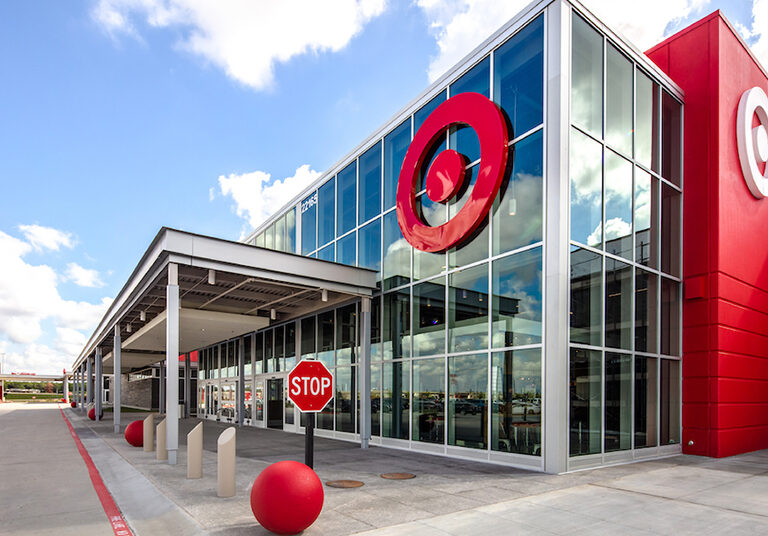
New Jersey’s role in shaping the future of food production and retail distribution is gaining renewed attention as Edible Garden AG Incorporated announces a major expansion of its partnership with Target. The agreement, revealed in April 2026, positions the Belvidere-based company to significantly increase its presence across one of the nation’s largest retail networks, with a new focus on supplying fresh-cut herbs to Target locations nationwide.

The expansion represents a critical inflection point not only for Edible Garden, but for the broader evolution of controlled environment agriculture (CEA) and its integration into mainstream retail channels. Initial shipments under the new program are scheduled to begin in May 2026, marking the start of what is expected to be a substantial increase in both production scale and consumer visibility.

At its core, the partnership reflects a convergence of consumer demand and technological capability. As shoppers continue to prioritize freshness, transparency, and sustainability, retailers are increasingly seeking suppliers that can deliver consistent quality while minimizing environmental impact. Edible Garden’s model—rooted in advanced greenhouse systems and a “Zero-Waste Inspired” philosophy—aligns directly with these expectations, offering a supply chain that is both efficient and responsive.

The company’s approach to agriculture is defined by precision. Through controlled environments, it is able to regulate variables such as temperature, humidity, and nutrient delivery, ensuring uniform growth cycles and reducing the unpredictability associated with traditional farming. This level of control not only enhances product quality but also enables year-round production, a key advantage in meeting the demands of national distribution.

For Target, the expanded relationship strengthens its ability to meet rising demand for organic and sustainably grown produce. Fresh-cut herbs, the focal point of the new agreement, represent a category that has seen consistent growth as consumers incorporate more fresh ingredients into everyday cooking. By partnering with a supplier capable of delivering both scale and quality, the retailer is reinforcing its commitment to offering products that align with evolving dietary preferences.

The strategic implications for Edible Garden are equally significant. Increased distribution across thousands of Target locations is expected to accelerate revenue growth while elevating brand recognition on a national level. It also reinforces the company’s position within a highly competitive segment of the food industry, where differentiation is increasingly tied to both product quality and operational sustainability.

This latest development builds on a relationship that began in 2021 and has expanded steadily over time. Beyond fresh produce, Edible Garden has already introduced additional product lines into Target’s ecosystem, including its “Kick. Sports Nutrition” brand, which debuted on Target.com in late 2025. That line extends the company’s reach beyond traditional agriculture, integrating plant-based nutrition products such as protein powders, hydration formulas, and performance supplements into its portfolio.

The ability to operate across multiple categories highlights a broader shift in how food companies are positioning themselves. Edible Garden is not simply a producer—it is an integrated brand that spans fresh produce, packaged goods, and nutritional products, all anchored by a commitment to clean-label, sustainably sourced ingredients. This diversification enhances resilience while creating multiple entry points for consumer engagement.

From a geographic perspective, the company’s New Jersey headquarters remains central to its identity, even as its operational footprint extends beyond the state. Facilities in Michigan and Iowa support production and distribution, while ongoing expansion efforts—particularly in Iowa—are aimed at developing capabilities for ready-to-drink nutrition products. These investments reflect a long-term strategy focused on scalability and innovation, ensuring that the company can meet increasing demand without compromising its core principles.

Equally important is Edible Garden’s use of contract growers located near major U.S. markets. This decentralized approach reduces transportation distances, preserves product freshness, and minimizes environmental impact, aligning with the company’s sustainability objectives. It also allows for greater flexibility in responding to regional demand fluctuations, an essential factor in maintaining consistent supply across a national network.

Within the broader context of New Jersey’s food and retail landscape, this expansion underscores the state’s role as a hub for innovation in agriculture and distribution. Coverage across Explore New Jersey’s supermarket and retail sector continues to highlight how companies based in the state are influencing national trends, from supply chain optimization to product development and sustainability practices.

The significance of the Target partnership extends beyond immediate business metrics. It represents a validation of Edible Garden’s operating model and a signal to the industry that controlled environment agriculture is not a niche solution, but a scalable, viable approach to modern food production. As retailers seek to balance quality, availability, and environmental responsibility, companies capable of delivering on all three fronts are positioned to lead.

For consumers, the impact will be both visible and tangible. Increased availability of fresh-cut herbs across Target stores translates into greater access to high-quality ingredients that are grown with attention to both flavor and sustainability. It also reflects a broader shift toward transparency in the food system, where sourcing and production methods are becoming integral to purchasing decisions.

As the rollout begins in May 2026, Edible Garden’s expanded presence within Target’s network will serve as a case study in how innovation, partnership, and strategic alignment can drive growth in a rapidly evolving market. From its base in Belvidere to store shelves across the country, the company is scaling a model that connects advanced agriculture with everyday consumption.

In doing so, it reinforces New Jersey’s position within the national conversation around food production, sustainability, and retail innovation—demonstrating that the future of how we grow and access food is already taking shape, and it is happening here.

Dana Auctions to Present the Parker & Neal Mola Collection on May 16 as New Jersey Welcomes a Landmark Textile Art Offering

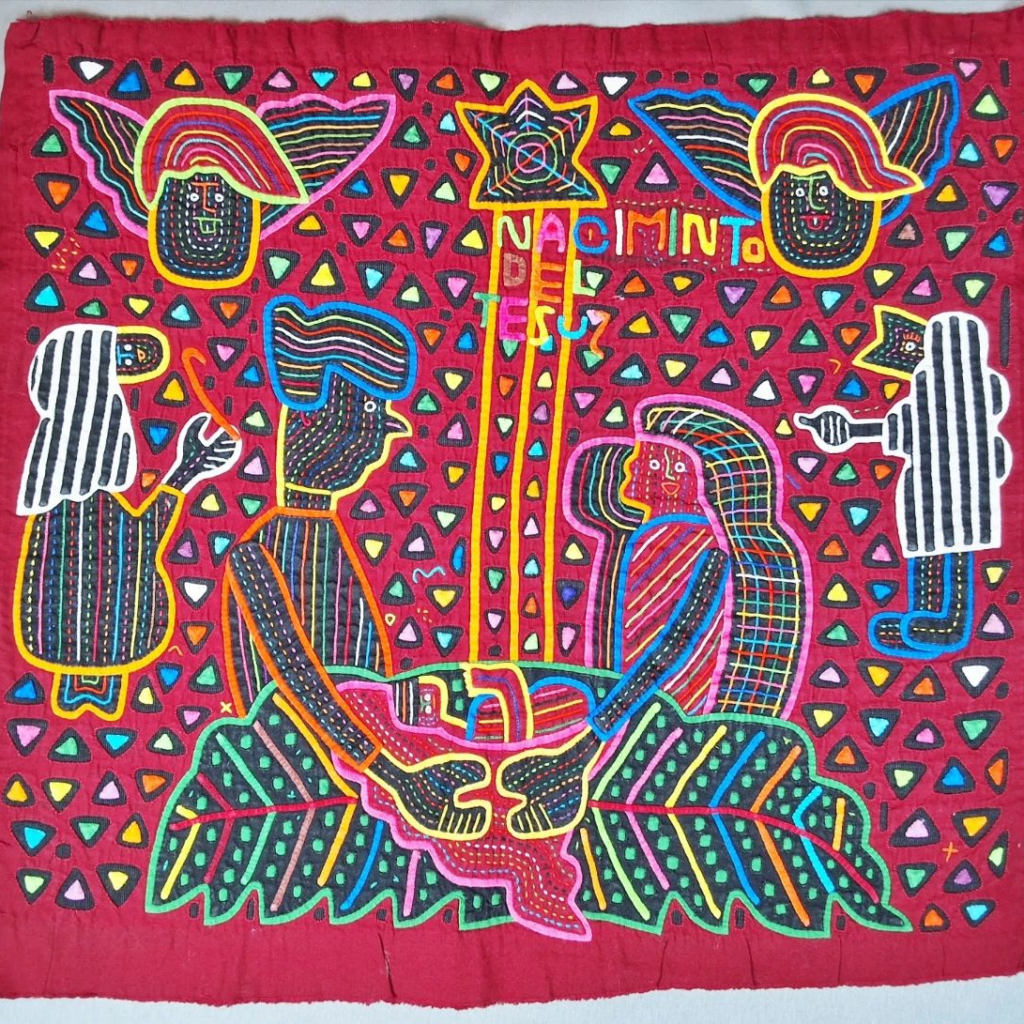
A significant moment in New Jersey’s cultural calendar is set to unfold as Dana Auctions prepares to present the Parker & Neal Mola Collection on May 16, bringing a rare and historically rich body of textile art into the spotlight. Comprising approximately 200 lots of Guna Yala reverse-appliqué textiles, the offering represents one of the most comprehensive assemblies of molas to come to market in recent years, positioning the event as both an auction and a cultural exhibition of global significance.

The collection originates from the private holdings of Ann Parker and Avon Neal, whose work as co-authors of Molas: Folk Art of the Cuna Indians has long been recognized as a foundational contribution to the study and appreciation of this distinctive art form. Their decades-long engagement with mola textiles—through research, collection, and documentation—has helped elevate these works from ethnographic artifacts to internationally respected examples of textile artistry. The upcoming auction translates that legacy into a public-facing moment, offering collectors, institutions, and cultural observers a rare opportunity to engage directly with pieces that reflect both artistic innovation and cultural continuity.

At the center of the collection are molas created by the Guna people of Panama, whose reverse-appliqué technique produces layered compositions of remarkable complexity and visual impact. Each textile is constructed through a meticulous process of cutting and stitching multiple layers of fabric to reveal intricate patterns, often featuring geometric motifs, symbolic imagery, and narrative elements rooted in cultural tradition. The result is a body of work that operates simultaneously as functional clothing, artistic expression, and cultural record.

What distinguishes this auction is not simply the volume of works, but the depth and range represented within the collection. The Parker & Neal holdings encompass a wide spectrum of styles and periods, capturing the evolution of mola design over time while preserving the integrity of its traditional foundations. For collectors and scholars, this breadth offers a rare comparative view, allowing for a deeper understanding of how the art form has responded to both internal cultural dynamics and external influences.

Dana Auctions’ decision to bring this collection to market reflects a broader trend within the art world, where textile art is receiving renewed attention and recognition. Once categorized primarily within craft or folk art, textiles are increasingly being evaluated through the same critical lens as painting and sculpture, with institutions and collectors acknowledging their technical sophistication and cultural significance. The mola, in particular, has emerged as a focal point within this reassessment, its combination of precision, symbolism, and visual power resonating across disciplines.

Within New Jersey’s cultural landscape, the event reinforces the state’s role as a venue for meaningful artistic exchange. Coverage across Explore New Jersey’s art and culture section continues to highlight how galleries, auction houses, and institutions are contributing to a dynamic environment where global art forms can be experienced at a local level. The presentation of the Parker & Neal collection aligns with that narrative, bringing an internationally significant body of work into direct engagement with the region’s audience.

The timing of the auction also underscores the growing intersection between private collections and public access. While these molas have existed within a curated, scholarly context, their transition into the auction space introduces a new phase of visibility and circulation. Each piece carries with it not only aesthetic value but also a history of collection, study, and preservation that adds depth to its presence on the market.

For Dana Auctions, the event represents an opportunity to further establish its position within the broader art market. By presenting a collection of this scale and significance, the auction house demonstrates its capacity to handle specialized offerings that require both expertise and contextual understanding. This approach is increasingly important in a market where buyers are seeking not only objects, but narratives—stories that connect works to their origins, their makers, and their cultural frameworks.

The Parker & Neal Mola Collection delivers precisely that. Each textile serves as a point of connection between tradition and contemporary appreciation, between the communities that created these works and the audiences that continue to engage with them. In this sense, the auction operates as more than a transactional event; it becomes a platform for cultural dialogue, where art is both exchanged and interpreted.

As May 16 approaches, anticipation around the offering continues to build. Collectors are drawn by the rarity and quality of the pieces, while cultural observers recognize the broader significance of the event within the evolving discourse around textile art. For New Jersey, the auction adds another layer to a cultural landscape that is increasingly defined by its ability to host events of both regional and international relevance.

In presenting the Parker & Neal Mola Collection, Dana Auctions is not only facilitating the sale of individual works—it is contributing to the ongoing recognition of an art form that bridges history, craftsmanship, and cultural identity. The event stands as a testament to the enduring power of textiles as both artistic and cultural expressions, and to New Jersey’s role in bringing those expressions into a wider conversation.

Zatuchni & Associates Expands Legal Advocacy for Sexual Orientation Discrimination Claims, Reinforcing Workplace Protections Across New Jersey

In a legal environment where workplace equity and employee protections are increasingly central to both policy and practice, Zatuchni & Associates is advancing its role as a key advocate for individuals facing sexual orientation discrimination across New Jersey. The firm’s expanded focus on representing LGBTQ+ workers underscores a broader shift within employment law—one that places heightened emphasis on accountability, enforcement, and access to legal remedies in cases of workplace bias and harassment.

At its core, the firm’s initiative addresses a critical and evolving area of labor law: ensuring that employees are protected from discrimination not only in hiring and compensation, but throughout the full lifecycle of their employment. This includes protection against wrongful termination, hostile work environments, unequal promotion practices, and retaliation for reporting misconduct. While legal frameworks have strengthened over time, the practical application of those protections often requires experienced legal representation capable of navigating complex statutes, evidentiary standards, and employer defenses.

New Jersey’s legal structure provides one of the most comprehensive frameworks in the country for addressing workplace discrimination. The state’s Law Against Discrimination establishes clear prohibitions against bias based on sexual orientation, gender identity, and other protected characteristics, creating a robust foundation for enforcement. However, the existence of statutory protections does not eliminate the need for legal advocacy. In many cases, employees face significant barriers in asserting their rights, ranging from lack of awareness to fear of retaliation or professional consequences.

Zatuchni & Associates operates within this space, positioning itself as a resource for individuals seeking both legal clarity and actionable recourse. The firm’s approach emphasizes a combination of legal analysis, strategic case development, and client-focused representation. By focusing on the specific challenges faced by LGBTQ+ workers, the firm is addressing an area where legal expertise must be paired with a nuanced understanding of workplace dynamics and cultural context.

The scope of potential claims in this area is broad. Discrimination may manifest in overt actions, such as termination or demotion, but it can also take more subtle forms, including exclusion from opportunities, differential treatment in performance evaluations, or the creation of an environment that undermines an employee’s ability to perform effectively. Harassment, whether verbal, behavioral, or systemic, further complicates these cases, often requiring detailed documentation and corroboration to meet legal thresholds.

From a procedural standpoint, pursuing a discrimination claim involves multiple stages, each with its own legal and strategic considerations. Initial steps may include filing complaints with state or federal agencies, gathering evidence, and engaging in preliminary negotiations. If resolution cannot be achieved through administrative channels, cases may proceed to litigation, where the complexities of employment law become even more pronounced. Legal representation plays a critical role at each stage, ensuring that claims are properly framed, deadlines are met, and procedural requirements are satisfied.

The firm’s work also reflects a broader trend within the legal industry toward specialization. As employment law becomes increasingly complex, firms that focus on specific areas—such as LGBTQ+ workplace rights—are better positioned to provide targeted expertise and effective advocacy. This specialization allows for a deeper understanding of both legal precedents and the practical realities faced by clients, enhancing the likelihood of successful outcomes.

Beyond individual cases, the impact of such legal advocacy extends into the organizational and institutional sphere. Employers operating in New Jersey are required to maintain compliance with state and federal regulations, and the presence of active enforcement mechanisms reinforces the importance of adhering to those standards. Legal actions brought by employees not only address individual grievances but also contribute to broader accountability, influencing workplace policies and practices across industries.

The timing of this expanded focus is particularly relevant. As workplace cultures continue to evolve and diversity, equity, and inclusion initiatives gain prominence, the legal framework supporting those efforts is being tested and refined. Employees are increasingly aware of their rights, and organizations are under greater scrutiny to ensure that their practices align with both legal requirements and societal expectations. In this context, firms like Zatuchni & Associates play a dual role: advocating for individuals while contributing to the ongoing development of employment law standards.

For workers across New Jersey, access to experienced legal representation can be a determining factor in whether discrimination claims are pursued and resolved effectively. The ability to navigate the legal system, present evidence, and engage with employers from a position of informed strength is essential in addressing workplace inequities. By offering dedicated support in this area, the firm is helping to bridge the gap between statutory protections and real-world enforcement.

Within the broader Sunset Daily News law and order landscape, this development highlights the intersection of legal advocacy, workplace policy, and individual rights. Employment law is not static; it evolves in response to changing social dynamics, judicial interpretations, and legislative updates. Firms that engage actively in this evolution contribute to shaping the standards that govern workplace behavior and define the boundaries of acceptable conduct.

As New Jersey continues to position itself as a leader in employment protections, the role of legal practitioners remains central to translating policy into practice. The work of Zatuchni & Associates reflects this dynamic, reinforcing the principle that legal rights must be supported by accessible, effective representation in order to achieve meaningful impact.

The Jazz Series with The Ted Chubb Quintet

0

The Ted Chubb Quintet Headlines “The Jazz Series” in Wayne as Live Music and Community Converge at Our Lady of Consolation Church

May 17 @ 4:00 PM 7:30 PM

A defining element of New Jersey’s music culture has always been its ability to bring high-level performance into intimate, community-centered spaces, and that tradition continues in Wayne with the upcoming installment of “The Jazz Series.” Presented through a collaboration between Our Lady of Consolation Church and the Wayne Public Library, the event will feature the Ted Chubb Quintet on Sunday, May 17 at 4:00 PM, offering a free, accessible live jazz experience that reflects the depth and continuity of the state’s musical identity.

Set within the welcoming space of Our Lady of Consolation Church, the performance is designed to be both inclusive and immersive, with admission open to all and a simultaneous livestream option extending its reach beyond the physical venue. This dual-format approach reflects the evolving nature of live performance, where accessibility and audience engagement are no longer limited by geography. It also reinforces a broader mission shared by both organizing partners: to ensure that high-quality cultural programming remains available to the widest possible audience.

At the center of the event is the Ted Chubb Quintet, an ensemble that represents a modern interpretation of the jazz tradition while remaining grounded in its foundational elements. Quintet configurations have long been central to jazz performance, offering a balance between structure and improvisation that allows individual musicians to contribute distinct voices within a cohesive framework. In this format, the interplay between instruments becomes as important as the compositions themselves, creating a dynamic listening experience that evolves in real time.

The significance of this performance extends beyond a single afternoon. It is part of a larger effort to sustain and expand live jazz within community settings, a goal that aligns closely with ongoing coverage across Explore New Jersey’s music section. Throughout the state, venues ranging from dedicated performance spaces to libraries and cultural institutions are playing an increasingly important role in supporting live music. These environments offer artists the opportunity to connect directly with audiences while providing listeners with access to performances that might otherwise be limited to larger, less accessible venues.

Wayne’s “Jazz Series” exemplifies this model. By integrating music into a community-focused setting, the program creates a space where seasoned jazz enthusiasts and new listeners can engage with the genre on equal footing. The setting itself contributes to the experience, offering an atmosphere that encourages attentive listening while maintaining the warmth and familiarity of a local gathering place.

The partnership between Our Lady of Consolation Church and the Wayne Public Library is particularly notable in this context. It reflects a growing recognition that cultural programming thrives when institutions collaborate, combining resources and audiences to create events that are both meaningful and sustainable. In this case, the collaboration brings together a venue capable of hosting live performance with an organization deeply connected to community outreach and education, resulting in a program that is both artistically and socially impactful.

Jazz, as a genre, holds a unique position within New Jersey’s cultural landscape. Its history is deeply intertwined with the state’s broader musical heritage, and its continued presence in community programming underscores its enduring relevance. Events like this not only preserve that legacy but also contribute to its ongoing evolution, introducing new audiences to the genre while providing a platform for contemporary interpretation.

The inclusion of a livestream component further extends that reach, allowing the performance to connect with audiences who may not be able to attend in person. This approach reflects a broader shift in how live music is presented and consumed, blending traditional concert formats with digital accessibility to create a more inclusive experience. It ensures that the impact of the event is not confined to the physical space, but can resonate across a wider network of listeners.

For attendees, the appeal is immediate. The opportunity to experience live jazz at no cost, in a setting that prioritizes both comfort and acoustics, represents a rare combination of accessibility and quality. It is an invitation to engage with music in its most direct form, where the interaction between performers and audience creates a shared moment that cannot be replicated through recorded media.

Within the broader framework of New Jersey’s music scene, the “Jazz Series” stands as a reminder that some of the most meaningful cultural experiences are often found outside of major venues and large-scale events. They exist in community spaces, supported by local institutions, and driven by a commitment to making art accessible to all.

As the Ted Chubb Quintet takes the stage on May 17, the performance will contribute to a larger narrative—one that highlights the strength of New Jersey’s live music ecosystem and its ability to adapt, connect, and endure. In Wayne, that narrative will unfold in real time, carried by the sound of a quintet and the shared experience of a community gathered around music.

Wayne Public Library

973-694-4272

View Organizer Website

Our Lady of Consolation Church

1799 Hamburg Tpke
Wayne, New Jersey 07470 United States
+ Google Map
973-839-3444
View Venue Website

Philadelphia Flyers Advance to Second Round with Statement Win Over Penguins as Playoff Momentum Builds Toward Hurricanes Showdown

The postseason landscape across the NHL has shifted decisively, and at the center of that movement is a resurgent Philadelphia Flyers squad that has powered its way into the second round of the 2026 Stanley Cup Playoffs. In a series defined by physical intensity, disciplined structure, and timely execution, the Flyers eliminated the Pittsburgh Penguins in six games, marking the franchise’s first non-bubble playoff series victory in more than a decade and signaling a renewed competitive identity that is resonating across the region, including throughout New Jersey’s deeply engaged hockey audience.

The defining moment came in Game 6, a tightly contested, defense-driven battle that required overtime to produce a result. Defenseman Cam York delivered the decisive goal, securing a 1–0 victory that encapsulated the tone of the entire series—low-scoring, high-pressure, and unforgiving. It was a finish that reflected not only individual composure but a broader team commitment to structure and patience, traits that have become central to Philadelphia’s postseason approach.

Equally critical to the outcome was the performance of goaltender Dan Vladar, whose presence in net provided the foundation for the Flyers’ advancement. His 42-save shutout in the clinching game underscored a level of consistency and resilience that has elevated the team’s ceiling. In a series where margins were minimal, Vladar’s ability to neutralize high-danger opportunities allowed Philadelphia to dictate pace and maintain control in critical moments.

The Flyers’ identity throughout the series was defined as much by physicality as by execution. With 248 hits recorded—more than any other team in the opening round—they established a relentless forechecking presence that disrupted Pittsburgh’s rhythm and forced adjustments across all four lines. This approach, reminiscent of the franchise’s historical “Broad Street Bullies” ethos, has been modernized into a system that combines aggression with positional discipline, creating a style that is both imposing and sustainable.

That balance will now be tested at the highest level as Philadelphia prepares to face the Carolina Hurricanes in the Eastern Conference Semifinals. As the Metropolitan Division’s top seed, Carolina enters the series with both statistical advantages and home-ice positioning, setting the stage for a matchup that contrasts Philadelphia’s physical intensity with Carolina’s structured, possession-driven system.

Game 1, scheduled for May 2 at the Lenovo Center in Raleigh, represents more than the start of a new series—it marks a critical inflection point for a Flyers team seeking to translate first-round momentum into sustained postseason success. The regular-season history between the teams adds another layer of intrigue. While Carolina held a 3-0-1 edge, each contest was decided by the narrowest of margins, extending into overtime or shootouts. The implication is clear: despite the standings, this is a matchup defined by parity rather than separation.

The goaltending battle will once again be central. Vladar’s form positions him as a key variable against Carolina’s Frederik Andersen, whose experience and consistency anchor one of the league’s most disciplined defensive systems. The outcome of this duel will likely dictate not only game flow but the broader trajectory of the series.

Special teams present another critical axis of competition. Philadelphia’s power play, which operated at 11.8% in the opening round, faces a Hurricanes penalty kill that has demonstrated exceptional efficiency. Adjustments in this area will be essential, as opportunities with the man advantage may prove decisive in a series expected to feature limited scoring windows.

Discipline, too, will be under scrutiny. The Flyers’ aggressive style resulted in 98 penalty minutes in Round 1, a figure that reflects both their physical identity and the risks associated with it. Against a Carolina team capable of capitalizing on power-play opportunities, maintaining that edge without crossing into unnecessary penalties will be a defining challenge.

For fans and observers across New Jersey, where interest in Metropolitan Division rivalries remains consistently high, the Flyers’ progression adds a compelling dimension to the postseason narrative. Coverage across Explore New Jersey’s hockey section continues to track these developments, highlighting the interconnected nature of the region’s teams and the shared intensity that defines their matchups.

The broader context of the playoffs further amplifies the significance of Philadelphia’s run. With other teams advancing and the competitive field narrowing, the margin for error continues to shrink. Each series becomes not only a test of skill, but of adaptability, resilience, and execution under pressure.

As the Flyers enter the second round, they do so with a clear identity and a renewed sense of purpose. The victory over Pittsburgh was not merely an upset or a milestone—it was a statement of intent. It demonstrated that Philadelphia is capable of competing at a high level against established contenders, provided it maintains the discipline and cohesion that defined its first-round performance.

The challenge now is to sustain that level against a Hurricanes team built for deep postseason runs. The matchup will require precision, patience, and an ability to adjust in real time. For Philadelphia, the opportunity is as significant as the test itself—a chance to continue redefining expectations and to extend a postseason journey that has already begun to reshape the narrative around the franchise.

As the puck drops in Raleigh, the Flyers carry both momentum and scrutiny, entering a series that will determine whether their resurgence is a moment or a movement.

Meadowlands Chamber Convenes High-Level Transportation Summit as New Jersey Prepares for FIFA World Cup 2026 Surge

As New Jersey positions itself at the center of one of the largest global sporting events in modern history, the conversation around infrastructure, mobility, and regional coordination is accelerating with urgency. That reality was on full display May 1, when the Meadowlands Chamber hosted its latest “Eggs & Issues: Transportation and Mobility” forum at its headquarters in Lyndhurst, bringing together top officials, planners, and industry leaders to address the complex logistics surrounding the upcoming FIFA World Cup 2026.

With matches scheduled to take place at MetLife Stadium in East Rutherford, the Meadowlands region will serve as a focal point for global attention—and a critical test of transportation systems under unprecedented demand. The forum provided a comprehensive look at how state agencies, private partners, and international stakeholders are aligning to ensure that millions of visitors can move efficiently, safely, and predictably through one of the most densely trafficked corridors in the country.

Delivering the keynote address, Kris Kolluri—who serves as President and CEO of NJ Transit and Executive Director of the New Jersey Turnpike Authority—outlined the scale of preparation already underway. His remarks emphasized that the state is not approaching the World Cup as a short-term event, but as a long-term infrastructure milestone. Investments in rail, bus, and roadway systems are being calibrated not only to meet tournament demand, but to leave a lasting impact on regional mobility.

Central to the discussion was a message that resonated across every level of the panel: public transportation will be the backbone of World Cup movement in the Meadowlands. While the region is accustomed to handling large-scale events, including NFL games and major concerts, the World Cup introduces a different level of volume and global complexity. The consensus among speakers was clear—traditional reliance on private vehicles will not be viable at scale.

That message was reinforced by Alex Lasry, CEO of the FIFA World Cup 2026 New York/New Jersey Host Committee, who delivered one of the day’s most direct assessments. His guidance to attendees was unequivocal: fans should plan for a “full stop” on private car usage when attending matches. The unpredictability of traffic flow, combined with security protocols and access restrictions, means that personal vehicles cannot be guaranteed timely entry or exit. Instead, mass transit systems—particularly rail connections and coordinated shuttle services—are being positioned as the most reliable means of access.

This shift in transportation strategy represents a significant operational pivot for the region. It requires not only infrastructure readiness, but also behavioral change among attendees, many of whom may be unfamiliar with local transit systems. To address this, organizers are developing integrated solutions that include direct rail access, enhanced bus routes, and park-and-ride options designed to streamline the journey from arrival points to the stadium.

Among the logistical frameworks discussed were planned shuttle services connecting key hubs, including routes from Manhattan’s Port Authority and satellite parking locations such as the Hackensack Meridian School of Medicine campus in Clifton. These systems are intended to distribute traffic, reduce congestion, and create predictable movement patterns that can be scaled across multiple match days.

The expert panel further expanded on these strategies, offering technical and strategic perspectives from across the transportation sector. Dan Baer, Senior Vice President at WSP, addressed the engineering and planning considerations required to support such a large-scale operation, while Dennis Martin of HNTB provided insights into infrastructure integration and long-term system resilience. Together, the panel outlined a coordinated approach that blends immediate event needs with broader regional development goals.

For the Meadowlands business community, the forum served as both an informational briefing and a strategic call to action. Local organizations, from hospitality providers to retail operators, will play a critical role in supporting the influx of international visitors. Understanding transportation patterns, access points, and timing will be essential for aligning operations with the realities of World Cup logistics.

The implications extend beyond the event itself. As highlighted throughout the discussion, the World Cup presents an opportunity to accelerate improvements that will benefit the region long after the final match is played. Enhanced transit connectivity, upgraded infrastructure, and refined operational protocols have the potential to elevate New Jersey’s overall transportation framework, positioning it as a model for future large-scale events.

Coverage across Explore New Jersey continues to track these developments, recognizing the intersection of global events and local infrastructure as a defining theme for the state’s next phase of growth. While the World Cup will bring unprecedented attention to the Meadowlands, it is the systems being built behind the scenes that will determine its long-term impact.

The “Eggs & Issues” forum made one point unmistakably clear: preparation is not optional—it is essential. With timelines tightening and expectations rising, New Jersey’s ability to deliver a seamless transportation experience will be central to its role on the world stage. The groundwork is being laid now, with collaboration, planning, and execution driving a coordinated effort that aims to meet the moment with precision.

As 2026 approaches, the Meadowlands is not just preparing to host matches—it is preparing to demonstrate how a region moves at scale, under pressure, and in full view of the world.

Seltzfest at Icarus Brewing Anchors New Jersey’s Expanding Craft Beverage Scene as Innovation, Awards, and Growth Define 2026

New Jersey’s craft beverage industry is entering one of its most dynamic periods to date, and at the center of that momentum is a new wave of creativity that is redefining what a brewery experience can be. Nowhere is that evolution more visible than at Icarus Brewing Company, where Seltzfest has emerged as a signature event that captures both the experimental spirit and community-driven energy shaping the state’s beer culture in 2026.

Held at Icarus Brewing’s expanded facility in Brick Township, Seltzfest represents a focused celebration of the brewery’s increasingly influential hard seltzer program—an initiative that has quietly grown into a defining part of its identity. While Icarus has built a loyal following through its acclaimed lagers and bold, hop-forward IPAs, the introduction and refinement of its seltzer line signals a broader understanding of where the market is heading. Consumers are no longer confined to traditional beer styles; they are exploring lighter, flavor-driven alternatives that still deliver craftsmanship and complexity.

That shift is embodied in the work of lead brewer Nick, widely known within the Icarus community as “The Seltz Czar.” Under his direction, the brewery’s seltzer program has evolved into a platform for innovation, featuring a rotating selection of house-made flavors that range from clean, fruit-forward profiles to more experimental combinations designed to challenge expectations. At Seltzfest, that creativity takes center stage, with a tap list built specifically to showcase the depth and versatility of the program.

The event itself is structured as a full-scale brewery experience rather than a traditional tasting. Guests can expect a curated lineup of draft offerings, live music, and a rotating roster of local food vendors, all set within a space designed to accommodate both large crowds and more relaxed, social gatherings. The move to a larger, state-of-the-art facility in 2024 has allowed Icarus to expand these festival-style events significantly, introducing both indoor seating and an outdoor beer garden that enhances the overall atmosphere. The result is a setting that feels both immersive and accessible, capable of hosting high-energy events while maintaining the community-driven feel that defines the brand.

Seltzfest’s emergence is not happening in isolation. It is part of a broader surge across New Jersey’s craft beer and beverage sector, where innovation, recognition, and expansion are converging at an accelerated pace. Recent results from the 2026 World Beer Cup—widely regarded as one of the industry’s most competitive global competitions—have placed New Jersey breweries firmly on the international stage. Gold, silver, and bronze medals awarded to breweries across the state highlight a level of quality and consistency that continues to elevate the region’s reputation.

That recognition is complemented by ongoing growth at the local level. New breweries are opening, established operations are expanding, and previously shuttered locations are finding new life under fresh ownership. From production increases in North Jersey to new Shore-based projects breaking ground, the industry is demonstrating both resilience and forward momentum. These developments are reshaping the state’s brewing map, creating new destinations while strengthening existing ones.

At the same time, the industry is navigating significant transitions. The closure of long-standing production facilities, including major corporate operations, marks the end of one era even as another gains strength. In contrast, independent breweries are continuing to diversify ownership structures and leadership, with notable milestones such as increased representation among women-owned operations. This evolution reflects a broader shift toward a more inclusive and decentralized craft beverage ecosystem.

Events like Seltzfest play a critical role within that landscape. They provide a direct connection between producers and consumers, allowing breweries to test new concepts, gather feedback, and build relationships that extend beyond the taproom. They also contribute to the experiential economy that now defines much of the craft beverage industry. Guests are not simply purchasing drinks—they are engaging with a brand, participating in a community, and becoming part of a larger narrative around innovation and creativity.

Across Explore New Jersey’s ongoing coverage of breweries and beer culture, this shift toward experience-driven engagement has become increasingly clear. Festivals, themed events, and collaborative gatherings are no longer secondary to production; they are central to how breweries operate and grow. Seltzfest exemplifies this model, combining product innovation with a curated environment that encourages exploration and interaction.

For Icarus Brewing Company, the event also reinforces its position within a highly competitive market. By embracing both its core beer offerings and its expanding seltzer program, the brewery is effectively broadening its audience while maintaining the quality and identity that built its reputation. This dual approach allows it to remain relevant across multiple consumer segments, from traditional craft beer enthusiasts to those seeking lighter, alternative beverages.

As New Jersey’s craft beverage industry continues to evolve, the significance of events like Seltzfest extends beyond a single weekend. They represent a shift in how breweries define themselves, how consumers engage with products, and how the state positions itself within the national and global market. With continued investment, expanding infrastructure, and a growing culture of experimentation, New Jersey is not simply participating in the craft beverage movement—it is actively shaping its future.

Seltzfest stands as a clear expression of that trajectory, bringing together innovation, community, and a forward-looking approach to brewing that reflects where the industry is headed. In Brick Township and beyond, it signals a new phase for New Jersey’s craft scene—one defined by creativity, adaptability, and an unwavering commitment to delivering experiences that resonate long after the final pour.

New Jersey Craft Beer Surges Into the Spotlight in 2026 as Global Awards, Brewery Growth, and Industry Shifts Redefine the State’s Brewing Identity. New Jersey’s craft beer industry has entered a defining phase in 2026, marked by international recognition, rapid expansion, and a series of structural changes that are reshaping the landscape from North Jersey to the Shore. What was once considered a steadily growing regional scene has now matured into a nationally competitive force, with breweries across the state earning accolades, scaling operations, and redefining how beer culture is experienced locally.

The momentum reached a new level at the World Beer Cup, often referred to as the “Olympics of Beer,” where New Jersey breweries delivered a standout performance against some of the most competitive entries in the world. In a field that included hundreds of submissions across multiple categories, Wander Back Beerworks secured a gold medal for its Munich-Style Helles, a result that not only highlights technical precision but reinforces the state’s growing reputation for producing clean, balanced lagers that can compete on an international stage.

That achievement was complemented by a silver medal from MudHen Brewing Co. for its robust porter, a style that demands both depth and consistency. Bronze medals awarded to Odd Bird Brewing and Subculture Artisan Ales further illustrate the breadth of talent across the state, spanning traditional styles and more experimental approaches. Collectively, these results signal that New Jersey is no longer emerging—it is established, with breweries capable of competing at the highest level of global evaluation.

This recognition arrives alongside a surge of activity across the state’s brewery ecosystem. New openings, expansions, and ownership transitions are creating a dynamic environment that reflects both opportunity and evolution. In Bradley Beach, the launch of Erratic Fermentations marks the arrival of a new player stepping into a permanent brick-and-mortar presence, signaling confidence in the Shore’s year-round beer market. Meanwhile, in Point Pleasant, Five Dimes Brewery is actively developing a new location, further expanding the region’s already strong brewery footprint.

In North Jersey, growth is taking on a different scale. Montclair Brewery is advancing a significant expansion that will dramatically increase production capacity, reflecting both demand and long-term strategic planning. These developments underscore a key trend: breweries are no longer operating solely as local taprooms—they are becoming production hubs capable of scaling distribution and brand presence beyond their immediate communities.

At the same time, legacy and transition are playing equally important roles. In Atco, Brotherton Brewing is preparing to reopen under new ownership after closing in 2025, demonstrating the resilience of well-established brands and the continued appetite for revival within the market. In Westfield, Lions Roar Brewing has entered a new chapter as a fully woman-owned operation under Maddie Bowen, reflecting a broader shift toward more diverse leadership within the industry.

Events across the state are reinforcing that cultural shift. The upcoming Meadowlands Beerfest at the Meadowlands Racetrack is set to draw large crowds with a curated selection of breweries and extended tasting sessions, while the Skylands Food Truck & Craft Beer Festival continues to blend culinary and brewing experiences into a single destination event. Smaller-scale gatherings, such as trivia nights and social events at breweries like Bonesaw Pilot House, further demonstrate how taprooms are evolving into community hubs that extend beyond traditional consumption.

Across Explore New Jersey’s brewery coverage, this emphasis on experience is a recurring theme. Breweries are no longer defined solely by their product—they are defined by the environments they create, the events they host, and the communities they build. This shift has been instrumental in sustaining growth, particularly as competition increases and consumer expectations continue to evolve.

The cumulative effect of these developments is a beer scene that is both highly competitive and deeply interconnected. Awards from global competitions validate the technical capabilities of New Jersey brewers, while local expansions and events strengthen the state’s internal network. At the same time, industry changes—both positive and challenging—ensure that the landscape remains fluid, requiring constant adaptation and innovation.

As of May 2026, New Jersey stands at a pivotal moment in its brewing history. The state is producing award-winning beer, expanding its infrastructure, and cultivating a culture that values both tradition and experimentation. The momentum is not confined to a single region or style—it is statewide, spanning urban centers, suburban communities, and coastal destinations.

What emerges from this moment is a clear picture of a market that has reached maturity without losing its creative edge. New Jersey’s craft beer industry is no longer defined by potential—it is defined by performance, resilience, and a forward-looking approach that continues to push boundaries.

Federal Charges in New Jersey Voting Case Spotlight Election Integrity Enforcement and Broader Debate Over Scope and Impact

A new federal case emerging out of Newark is drawing attention across the legal and political landscape, as authorities have charged four non-citizen residents with illegally participating in multiple federal election cycles. The announcement, delivered by Kash Patel and supported by the FBI Newark Field Office, underscores a renewed focus on election integrity enforcement at the federal level while simultaneously reigniting a broader debate about the scale, significance, and policy implications of such cases.

According to federal prosecutors from the U.S. Attorney’s Office for the District of New Jersey, the individuals—identified as residents of Atlantic, Bergen, and Monmouth counties—are accused of unlawfully registering to vote and casting ballots in multiple elections, including the 2020 presidential election, the 2022 midterms, and the 2024 presidential cycle. The charges extend beyond voting violations alone, with allegations that several of the defendants also made false statements during immigration or naturalization processes, elevating the legal exposure and potential consequences associated with the case.

The individuals named in the charges include David Neewilly of Atlantic County, Jacenth Beadle Exum of Bergen County, and Idan Choresh and Abhinandan Vig of Monmouth County. Each is alleged to have participated in the electoral process despite not holding U.S. citizenship, a requirement under federal law for voting in national elections. The case is being pursued through the federal court system, reflecting the jurisdictional authority of federal agencies over election law enforcement and immigration-related offenses.

While the legal framework governing the case is clear—federal law prohibits non-citizens from voting in federal elections—the broader context in which these charges have emerged is more complex. New Jersey maintains a voter base exceeding 6.6 million registered individuals, placing the number of alleged violations in this case at a statistically negligible fraction of overall participation. By any quantitative measure, the four individuals represent an extremely small percentage of the electorate, a factor that has become central to the public discourse surrounding the case.

This tension between legal enforcement and statistical rarity is not new, but it is increasingly shaping how such cases are interpreted. On one side, proponents of strict enforcement argue that even isolated violations undermine the foundational principle of electoral integrity. From this perspective, the act of voting by an ineligible individual is not merely a technical violation but a direct challenge to the concept of equal representation, where each lawful vote carries equal weight.

On the other side of the debate, critics emphasize the scale of the issue relative to the overall voting population. They point to historical data suggesting that instances of non-citizen voting are exceedingly rare and have not been shown to influence election outcomes in any measurable way. From this vantage point, the allocation of federal investigative resources toward a small number of cases raises questions about proportionality and priority, particularly in an environment where broader systemic challenges—such as voter access, infrastructure security, and public confidence—also demand attention.

What distinguishes the current case, however, is not simply the number of individuals involved, but the pattern of alleged activity. Federal authorities assert that the defendants participated in multiple election cycles, rather than a single instance of improper registration or voting. This repeated engagement introduces a different dimension to the case, suggesting a level of intent or continuity that elevates it beyond isolated error. Additionally, the inclusion of alleged false statements in citizenship-related filings adds a layer of complexity that intersects with immigration law, further broadening the scope of the prosecution.

The involvement of federal agencies such as the FBI Newark Field Office signals a coordinated approach to enforcement, often associated with election integrity task forces that operate across jurisdictions. These units are designed to investigate and address potential violations of election law, leveraging data analysis, interagency coordination, and legal expertise to identify and prosecute cases that meet federal thresholds for action.

From a legal standpoint, the consequences for those charged can be significant. Convictions related to unlawful voting and false statements in immigration processes carry potential penalties that extend beyond fines or incarceration, including the possibility of deportation and permanent ineligibility for U.S. citizenship. These outcomes reflect the seriousness with which federal law treats both election integrity and the integrity of the naturalization process.

The case also intersects with ongoing national conversations about election systems, verification mechanisms, and the balance between accessibility and security. While New Jersey’s election infrastructure includes multiple layers of verification and oversight, the existence of any violations—however rare—raises questions about how systems can be further refined to prevent future occurrences without creating barriers for eligible voters.

At the same time, the absence of widespread evidence of non-citizen voting on a larger scale continues to inform the policy debate. Studies and audits conducted across multiple jurisdictions have consistently indicated that such incidents are uncommon, reinforcing the view that the current case represents an exception rather than a systemic issue. This dual reality—where violations are both legally significant and statistically rare—defines much of the current discourse.

Political interpretations of the case are also emerging, though the legal proceedings themselves remain focused on factual and evidentiary standards. Public records have not broadly identified the party affiliations of the individuals involved, as such information is typically not central to federal criminal complaints. The limited data that has surfaced for one defendant does not establish a broader pattern, and experts generally caution against drawing conclusions about political alignment from isolated cases.

Within New Jersey, the case is likely to resonate across multiple sectors, from policymakers and legal professionals to voters and advocacy groups. It arrives at a time when election integrity, public trust, and institutional transparency are central themes in both state and national discussions. How the case is prosecuted, and how its outcomes are communicated, will play a role in shaping those conversations moving forward.

For Sunset Daily News readers following developments in law and order, this case represents a convergence of legal enforcement, statistical analysis, and public policy debate. It highlights the mechanisms through which federal authorities address violations, while also illustrating the broader context in which such actions are interpreted. As the proceedings continue, the focus will remain on the legal process itself—examining evidence, applying statutory frameworks, and determining accountability within the bounds of federal law.

In the larger picture, the case serves as a reminder of the complexity inherent in managing a system as vast and consequential as the U.S. electoral process. It underscores the importance of both enforcement and perspective, recognizing that while individual violations must be addressed, they exist within a system defined by scale, diversity, and ongoing evolution.

Liberty Physical Therapy & Wellness Marks 15 Years in Jersey City as Patient-Centered, Non-Surgical Care Continues to Shape New Jersey’s Health Landscape

A milestone moment is unfolding in Jersey City as Liberty Physical Therapy & Wellness celebrates 15 years of delivering integrated, patient-focused care—an achievement that reflects not only longevity, but sustained impact within one of New Jersey’s most dynamic and densely populated communities. Over the past decade and a half, the clinic has positioned itself as a trusted destination for non-surgical rehabilitation, building a model that emphasizes individualized treatment, functional recovery, and long-term wellness.

In a healthcare environment increasingly defined by specialization and fragmentation, Liberty Physical Therapy & Wellness has distinguished itself through a comprehensive, coordinated approach. Rather than isolating injury treatment from broader health goals, the clinic’s methodology integrates physical therapy, preventative care, and performance optimization into a unified framework. This model aligns closely with the evolving expectations of patients who are seeking more than short-term symptom relief—they are looking for sustainable outcomes that improve quality of life.

At the core of Liberty’s success is its commitment to personalization. Each patient enters the clinic with a distinct set of needs, whether recovering from injury, managing chronic pain, or seeking to enhance mobility and performance. The clinic’s treatment philosophy centers on detailed evaluation, targeted therapy plans, and continuous adjustment based on measurable progress. This level of customization ensures that care is not only effective, but also responsive to the changing conditions of each patient’s recovery journey.

The emphasis on non-surgical intervention has been particularly significant. As more patients explore alternatives to invasive procedures, physical therapy has become a critical first line of treatment for a wide range of musculoskeletal conditions. Liberty Physical Therapy & Wellness has been at the forefront of this shift, offering evidence-based therapies that address underlying dysfunction rather than masking symptoms. The result is a model of care that prioritizes restoration over temporary relief, empowering patients to regain control over their physical health.

Jersey City provides a uniquely demanding environment for such a practice. With its mix of professionals, families, athletes, and aging populations, the community requires a versatile approach to care. Liberty’s ability to serve patients across all age groups and activity levels has been central to its longevity. From post-operative rehabilitation and sports injury recovery to workplace ergonomics and preventative conditioning, the clinic has developed a breadth of services that reflect the diverse needs of the population it serves.

This adaptability is also evident in the clinic’s integration of wellness into its core offerings. Physical therapy is no longer viewed as a reactive service; it is increasingly part of a proactive health strategy. Liberty has embraced this perspective, incorporating elements of strength training, mobility work, and injury prevention into its programs. By doing so, it extends its role beyond recovery, positioning itself as a partner in long-term health maintenance.
The 15-year milestone arrives at a time when the broader healthcare conversation in New Jersey is shifting toward accessibility, efficiency, and patient empowerment. Coverage across Explore New Jersey’s health and wellness section continues to highlight the growing demand for services that bridge clinical expertise with practical, everyday application. Clinics like Liberty Physical Therapy & Wellness are central to that movement, offering care that is both medically sound and immediately relevant to patients’ daily lives.

Technology and innovation have also played a role in the clinic’s evolution. While maintaining a strong foundation in hands-on therapy, Liberty has incorporated modern tools and techniques that enhance assessment accuracy and treatment effectiveness. This balance between traditional practice and contemporary advancement allows the clinic to remain competitive while preserving the personalized touch that defines its reputation.

Equally important is the clinic’s connection to the local community. Over 15 years, Liberty Physical Therapy & Wellness has become more than a healthcare provider—it has become a fixture within Jersey City’s wellness ecosystem. Relationships built over time, combined with consistent outcomes, have established a level of trust that is difficult to replicate. Patients return not only for treatment, but for guidance, support, and continuity in their health journey.

Looking ahead, the clinic’s milestone serves as both a reflection and a foundation. The demand for non-surgical, patient-centered care is expected to continue rising, driven by demographic shifts, increased health awareness, and a growing emphasis on preventative strategies. Liberty Physical Therapy & Wellness is well-positioned to meet that demand, leveraging its experience while continuing to refine and expand its approach.

Within the broader narrative of New Jersey’s healthcare landscape, this 15-year achievement underscores the value of consistency, adaptability, and patient focus. It highlights how a single practice, grounded in clear principles and responsive to community needs, can contribute meaningfully to the health and well-being of an entire region.

For Jersey City and beyond, Liberty Physical Therapy & Wellness represents a model of care that is both practical and forward-looking—one that prioritizes recovery, supports long-term wellness, and continues to evolve alongside the patients it serves.

Maplewoodstock 2026: Lettuce, Anders Osborne, Slap Dragon, Megan Jean’s Secret Family, More

0

Maplewoodstock 2026 Returns with Anders Osborne and Lettuce Headlining as New Jersey’s Premier Free Music Festival Enters Its Third Decade

July 11 @ 12:00 PM July 12 @ 11:30 PM

New Jersey’s summer festival circuit is once again preparing for one of its most defining cultural moments as Maplewoodstock 2026 takes shape, reaffirming its position as one of the state’s most enduring and community-driven live music events. Set for July 11 and 12 in Maplewood, the two-day festival will once again transform the township into a regional destination for music, art, and collective experience—anchored this year by headlining performances from Lettuce and Anders Osborne.

What distinguishes Maplewoodstock is not simply its lineup, but its structure and purpose. Since its founding in 2004, the festival has operated as a fully independent, volunteer-driven initiative—funded not by municipal tax dollars, but through sponsorships, vendors, and grassroots support. That model has allowed it to grow organically while maintaining a clear identity: a festival built by the community, for the community, and sustained by the energy of those who return year after year.

The 2026 edition arrives with that same ethos intact, but with a scale and programming depth that continues to elevate its profile across the state. More than 20 bands will perform across the weekend, supported by over 50 art vendors, 20 food vendors, a curated beer garden, and a dedicated Kid Zone, creating a multi-dimensional environment that extends far beyond the stage. It is not simply a concert—it is a full-spectrum cultural event that reflects the diversity and creativity of New Jersey itself.

Saturday night’s headlining performance by Lettuce brings one of the most dynamic live acts in contemporary funk to the Maplewood stage. Known for their genre-fluid approach that seamlessly blends funk, soul, jazz, rock, and hip-hop, the band has built a reputation for high-energy performances that feel as much like communal celebrations as they do concerts. Their sound pays homage to foundational influences such as James Brown and the JB’s while pushing forward into a modern, improvisational space that resonates with both longtime fans and new audiences. For Maplewoodstock, their presence signals a commitment to delivering nationally recognized talent without compromising the festival’s accessible, free-to-attend model.

Sunday’s closing performance by Anders Osborne offers a contrasting but equally compelling experience. A Swedish-born, New Orleans–forged artist, Osborne brings decades of songwriting and performance history to the stage, with a sound rooted in blues, folk, rock, and jazz. His guitar work, often built around open-D tuning, and his introspective lyrical approach have earned him a reputation as one of the most authentic voices in American roots music. His latest work continues to explore themes of resilience, identity, and connection—making him an ideal fit for a festival that thrives on authenticity and shared experience.

Beyond the headliners, Maplewoodstock 2026 places a strong emphasis on emerging and regional talent, reinforcing its role as a platform for discovery. Featured acts such as Slap Dragon and Megan Jean’s Secret Family bring distinct sonic identities that expand the festival’s range. Slap Dragon’s fusion of bluegrass, disco, and R&B, anchored by soulful vocals and acoustic instrumentation, reflects a new generation of genre-blending artistry. Megan Jean’s Secret Family, meanwhile, channels the spirit of 1970s rock through a modern, independent lens, delivering vocal-driven, high-energy performances that bridge multiple eras of American music.

The depth of the lineup extends throughout both days, creating a continuous flow of performances that reflect the diversity of the region’s music scene. From Montclair-based rock collectives to Jersey City alt-rock acts, from Indian Jazztronica innovators to reggae-infused ensembles, the festival’s programming captures a wide spectrum of styles and influences. Each set contributes to a broader narrative—one that positions New Jersey not just as a stop on touring circuits, but as a source of original, evolving musical expression.

This commitment to inclusivity is not limited to the lineup. Maplewoodstock has long prioritized accessibility and community engagement, ensuring that the event remains open and welcoming to all. Its designation as an inclusive festival underscores a broader philosophy that extends to every aspect of its operation—from programming and vendor selection to on-site experience and outreach. It is a model that aligns with the evolving expectations of modern audiences, where cultural events are increasingly defined by their ability to create shared, equitable spaces.

Within the broader context of New Jersey’s festival landscape, Maplewoodstock holds a unique position. Coverage across Explore New Jersey’s festivals section continues to highlight the state’s expanding calendar of live music events, from large-scale commercial festivals to niche, genre-specific gatherings. Maplewoodstock bridges these worlds, offering the scale and quality of a major event while retaining the intimacy and authenticity of a local celebration.

Its longevity is a testament to that balance. As it moves into its third decade, the festival has not only sustained its relevance—it has strengthened it. Each year builds on the last, refining the experience while staying true to its core principles. The result is an event that feels both established and evolving, rooted in tradition but responsive to the changing dynamics of music, culture, and community.

For attendees, the appeal is immediate and multifaceted. It is an opportunity to experience nationally recognized artists without the barriers typically associated with large-scale concerts. It is a chance to discover new music, support local vendors, and engage with a creative ecosystem that reflects the best of New Jersey. And perhaps most importantly, it is a reminder of what a festival can be when it is driven not by profit margins, but by passion, collaboration, and a shared sense of purpose.

As July approaches, Maplewoodstock 2026 stands poised to once again define the summer in New Jersey. With a lineup that spans genres and generations, a structure that prioritizes accessibility, and a community that continues to rally behind it, the festival remains one of the state’s most compelling cultural experiences—an annual gathering that captures the sound, spirit, and collective energy of New Jersey at its best.

SATURDAY, JULY 11, 2025

12:00 PM – BARD
Montclair-based band blending poetic lyricism with a genre-crossing mix of rock, funk, and country. Original songs built to move you emotionally and physically.
thebardband.com

12:45 PM – A Band Called Sundown
High-energy psychedelic jams drawing from rock and jazz, creating an expansive, free-flowing sound.
instagram.com/abandcalledsundown

1:30 PM – The Brand New Steadys
Groove-driven local act mixing rock, funk, and blues with a jam-band edge. Originals and covers designed to keep the crowd moving.
instagram.com/thebrandnewsteadys

2:15 PM – Dhärä
Instrumental progressive/post-rock project balancing technical precision with immersive, atmospheric soundscapes.
instagram.com/dharamusicny

3:00 PM – VØYAGR
Buffalo-based indie-folk/Americana group combining warm instrumentation, layered harmonies, and reflective songwriting.
voyagrmusic.com

3:45 PM – Rini
NJ-based, Chennai-born violinist blending Carnatic traditions with pop and jazz to create a distinct “Indian Jazztronica” sound.
rinimusic.com

4:30 PM – Royal Blush
Jersey City band channeling alt-rock nostalgia with modern grunge energy, driven by powerful vocals and textured guitars.
instagram.com/royalblushofficial

5:15 PM – the dt’s
A versatile duo moving between rock, blues, and power pop, with a focus on harmony-rich songwriting and vintage influence.
thedtsmusic.com

6:00 PM – Waiting on Mongo
Psychedelic groove collective featuring driving guitars, dynamic horns, and deep organ tones for a fully immersive live experience.
mongo.band

7:15 PM – Slap Dragon (Featured Act)
A vibrant fusion of soul, bluegrass, disco, and R&B, built around uplifting vocals and acoustic instrumentation.
slapdragon.band

8:30 PM – Lettuce (Saturday Headliner)
Renowned funk collective blending soul, jazz, rock, and hip-hop, rooted in the traditions of James Brown and Tower of Power.
lettucefunk.com

Wrap up the night, head home safely, recharge, and get ready to do it all again on Sunday.

SUNDAY, JULY 12, 2025

12:00 PM – little slicer
Indie rock with melodic songwriting, energetic grooves, and sharp guitar work.
instagram.com/littlelittleslicer

12:45 PM – Mya Byrne Band
Blues-driven folk-rock with a ’70s edge, pairing raw storytelling with a voice that blends warmth and grit.
instagram.com/myabyrne

1:30 PM – The Jist
Eight-piece party band delivering high-energy funk, rock, and soul with horns, Latin percussion, and nonstop dance momentum.
instagram.com/thejistband

2:15 PM – Similar Kind
Alt-pop group weaving lyrical depth with synth textures, groove-based arrangements, and sax-driven layers.
similarkind.net

3:00 PM – Heroes for Ghosts
A live tribute to Pink Floyd, capturing the band’s emotional depth and theatrical psychedelic sound.
heroesforghosts.com

3:45 PM – Troubleman
Reggae-rock collective blending songwriting and musicianship into a cohesive, rhythm-driven sound.
instagram.com/troublemanband

4:30 PM – Whiskey & Sugar
Full-band project delivering funk-infused takes on classic rock, Americana, and ‘90s alt hits—plus crowd-favorite singalongs.
whiskeyandsugarnj.com

5:15 PM – James “Biscuit” Rouse
A live-focused mix of funk, jazz, blues, and soul with a straightforward, performance-first approach.
jamesbiscuitrouse.com

6:00 PM – Heston
A smooth blend of R&B, soul, and reggae infused with Caribbean influences and an effortless stage presence.
hestontheartist.com

6:45 PM – Megan Jean’s Secret Family (Featured Act)
A cross-generational mix of rock, soul, country, and jam, centered on strong vocals and danceable originals.
meganjeanband.com

7:45 PM – Anders Osborne (Sunday Headliner)
New Orleans-based singer-songwriter known for blending blues, folk, rock, and jazz into deeply expressive performances.
andersosborne.com

Maplewoodstock

View Organizer Website

Our Lady of Consolation Church

1799 Hamburg Tpke
Wayne, New Jersey 07470 United States
+ Google Map
973-839-3444
View Venue Website

New Jersey Weather Enters a Volatile Spring Pattern as Cool, Cloudy Conditions Give Way to Sudden Warm-Up and Ongoing Drought Concerns

New Jersey’s early May weather pattern is delivering a clear signal to residents, businesses, and seasonal industries alike: volatility is defining the spring transition. Across New Jersey, a cool and mostly overcast Saturday has settled in, with temperatures hovering in the mid-50s under persistent cloud cover and elevated humidity. While conditions remain relatively calm, the broader forecast reveals a dynamic and shifting atmospheric pattern that will carry the state from below-average temperatures into a rapid warming cycle—and back again—over the coming days.

Current Conditions (10:10 AM):

  • Temperature: 55°F (Feels like 51°F)
  • Sky: Cloudy
  • Wind: NW at 6 mph
  • Humidity: 67% [1, 3, 4, 5]

Hourly Forecast for Today, May 2

Hour [1, 2, 3, 4, 5]Sky ConditionTemperatureChance of Rain
11 AMweatherIconLight rain56°F20%
12 PMweatherIconLight rain57°F20%
2 PM – 4 PMweatherIconCloudy59°F – 60°F10%
6 PMweatherIconCloudy59°F10%
10 PMweatherIconCloudy50°F10%

Daily Forecast

Day [1, 2, 3, 4, 5]Sky ConditionTemperatureChance of Rain
Sat, May 2weatherIconCloudy60°F / 42°F20%
Sun, May 3weatherIconPartly sunny59°F / 43°F10%
Mon, May 4weatherIconSunny72°F / 49°F10%
Tue, May 5weatherIconCloudy84°F / 56°F10%

As of mid-morning, temperatures are registering around 55 degrees, with a “feels like” reading closer to 51 due to light northwest winds. Humidity levels remain moderately high, contributing to the damp, subdued feel across much of the state. Cloud cover is widespread, and while rainfall is expected to remain light and intermittent, the potential for scattered showers throughout the afternoon introduces just enough instability to keep outdoor plans uncertain.

Through the midday hours, brief pockets of light rain are possible, particularly between late morning and early afternoon, before conditions stabilize into a mostly cloudy pattern. Temperatures are expected to peak near 60 degrees, a modest high that reflects the influence of a broader trough system dominating the northeastern United States. By evening, skies remain overcast, and temperatures begin a gradual decline, setting the stage for a notably cooler overnight period.

What makes this stretch of weather particularly significant is not any single day’s forecast, but the larger atmospheric structure shaping the region. A series of flat troughs—broad, low-pressure systems moving across the Northeast—are establishing a pattern of alternating cool and warm phases. This setup creates a “roller coaster” effect in temperature trends, where brief surges of warmth are followed by rapid returns to cooler conditions. For New Jersey, that means the current stretch of subdued weather is only the beginning of a more dynamic sequence.

Saturday night is expected to bring one of the more pronounced temperature drops of the period. As cloud cover begins to thin and any remaining precipitation moves offshore, overnight lows could fall into the upper 30s and low 40s across much of the state. In higher elevations, particularly in northwestern regions, temperatures may approach freezing, raising the potential for localized frost. This late-season chill underscores the variability that continues to define early spring in the region.

Sunday offers a transitional moment within this broader pattern. While temperatures remain on the cooler side—generally in the upper 50s—sunshine is expected to return, providing a noticeable shift in overall conditions. Winds will remain light to moderate, and the increased solar exposure will create a more comfortable environment despite the relatively modest temperatures. For many residents, Sunday will represent a brief window of stability before the next phase of the pattern takes hold.

That next phase arrives quickly. By Monday, a significant warming trend begins to assert itself, driven by a shift in atmospheric flow that introduces warmer air from the south and southwest. Temperatures are expected to climb into the low 70s, marking a sharp departure from the cooler conditions of the weekend. By Tuesday, the warming intensifies further, with highs projected to reach into the low to mid-80s across much of the state. This rapid escalation—from near 60 degrees to the 80s within a span of 48 hours—highlights the intensity of the current pattern shift.

Such temperature swings are not merely a curiosity; they carry practical implications across multiple sectors. For homeowners, the abrupt transition from cool to warm conditions can influence energy usage, HVAC demand, and seasonal maintenance decisions. In the real estate market, weather variability plays a subtle but important role in buyer activity, open house attendance, and overall market momentum during the critical spring season. Extended periods of cool, cloudy weather can slow foot traffic and dampen enthusiasm, while sudden bursts of warmth often re-energize market activity.

Agriculture and landscaping sectors are also closely monitoring these shifts. The potential for frost followed by rapid warming creates a challenging environment for early-season planting and crop management. Timing becomes critical, as growers must balance the risk of cold damage against the opportunity presented by warmer conditions. This delicate calibration is a recurring theme in New Jersey’s spring climate, where variability is the norm rather than the exception.

Compounding these dynamics is the ongoing drought warning affecting all 21 counties in the state. Despite the presence of scattered showers, precipitation levels have not been sufficient to alleviate broader moisture deficits. This creates a paradoxical situation in which short-term weather events—such as light rain or cloudy conditions—do little to address longer-term hydrological concerns. The persistence of drought conditions adds another layer of complexity to the forecast, influencing water management policies, agricultural planning, and even residential landscaping decisions.

Looking beyond the immediate forecast, the pattern suggests continued oscillation between cooler and warmer periods. After the early-week warm-up, conditions are expected to moderate again, with another potential cool-down heading into the following weekend. This cyclical behavior—cool, warm, cool, then warm again—reflects the underlying influence of the trough-driven pattern, which allows for periodic surges of warm air ahead of each system before cooler air reasserts itself.

For residents across New Jersey, the takeaway is clear: flexibility will be essential in navigating the weeks ahead. Whether planning outdoor activities, managing property maintenance, or tracking market conditions, the ability to adapt to rapidly changing weather will define the early May experience. The current pattern does not lend itself to predictability in the traditional sense; instead, it demands a more responsive approach, where short-term forecasts carry heightened importance.

Within the broader Sunset Daily News weather and real estate landscape, this moment underscores the interconnected nature of climate, economics, and daily life. Weather is not an isolated variable—it is a driver of behavior, a factor in decision-making, and a backdrop against which broader trends unfold. As New Jersey moves deeper into the spring season, the interplay between atmospheric dynamics and real-world impacts will continue to shape the rhythm of life across the state.

The coming days will bring both relief and renewed variability, with warmer temperatures offering a glimpse of summer even as underlying patterns signal that cooler conditions are never far behind. In this environment, awareness and adaptability remain the most valuable tools, as New Jersey navigates a spring defined by contrast, movement, and constant change.

New Jersey Film Expo Signals a Defining Moment as State Emerges as a Premier Film and Television Production Hub

New Jersey’s film and television industry is no longer in resurgence mode—it is firmly in expansion, and the latest New Jersey Film Expo made that unmistakably clear. Held at the Meadowlands Arena, the April 30 gathering brought together a cross-section of industry leaders, government officials, studio executives, and emerging creatives for a full-scale showcase of what has become one of the most rapidly accelerating production ecosystems in the United States.

The event functioned as more than a networking platform or exhibition floor. It was a strategic declaration that New Jersey is no longer positioning itself as an alternative filming location—it is asserting itself as a primary destination for film and television production. From infrastructure growth to workforce development and economic impact, every aspect of the expo reinforced a single narrative: the state’s film industry is not only back, it is scaling at a pace that is reshaping the regional and national production landscape.

At the center of that transformation is the expanding role of the New Jersey Motion Picture and Television Commission, whose leadership continues to drive both policy and industry alignment. Executive Director John Crowley underscored the momentum during the event, pointing to the rapid buildout of production infrastructure as a key factor in attracting major studios and networks. Soundstages, post-production facilities, and location services have all expanded significantly, creating an environment where productions can operate at scale without leaving the state.

This growth is not theoretical—it is measurable. Qualified production spending in New Jersey has surged from $592 million in 2023 to $834 million in 2024, a trajectory that signals both immediate demand and long-term confidence from the industry. These figures reflect more than just an increase in projects; they represent a structural shift in how New Jersey is perceived within the global production market. Where once it competed for overflow or niche projects, it is now securing large-scale productions capable of sustaining long-term economic impact.

The expo itself was designed to reflect that evolution. Produced by the Screen Alliance of New Jersey in collaboration with the commission, the event featured more than 90 exhibitors and a comprehensive lineup of panels addressing every layer of the production pipeline. Topics ranged from workforce training and union collaboration to studio development and independent filmmaking, illustrating what organizers described as a full ecosystem approach. This is not an industry being built in isolation—it is being constructed as an interconnected network of talent, infrastructure, and opportunity.

That ecosystem is one of New Jersey’s most compelling advantages. As Janice Kovach emphasized during the expo, the state’s appeal extends beyond financial incentives. While competitive tax programs remain an entry point for many productions, the differentiator lies in execution. The commission’s ability to provide hands-on support—guiding productions through permitting, logistics, and location management—has become a defining feature of the state’s value proposition. It is a service-driven model that reduces friction and accelerates production timelines, making New Jersey not just attractive, but operationally efficient.

Geography further amplifies that advantage. Few regions offer the diversity of landscapes found within New Jersey’s borders. From dense urban environments to coastal shorelines, from suburban neighborhoods to rural farmland and protected natural areas, the state provides a range of visual backdrops that can double for multiple settings. This versatility allows productions to consolidate locations, reducing travel costs and logistical complexity while maintaining creative flexibility. For studios and producers, that combination of variety and proximity is a powerful incentive.

The presence of state leadership at the expo reinforced the political alignment behind this growth. A keynote address from Mikie Sherrill highlighted continued governmental support for the industry, signaling that film and television production remains a strategic priority within New Jersey’s broader economic development framework. This alignment between public policy and private investment is critical, particularly as other states and regions compete aggressively for the same projects.

What distinguishes New Jersey’s approach is its emphasis on sustainability. The goal is not simply to attract productions, but to retain them—to create an environment where projects can be developed, filmed, and completed entirely within the state. That requires not only infrastructure, but a skilled workforce capable of supporting every stage of production. The expo’s inclusion of students, independent filmmakers, and technical professionals reflected a deliberate effort to cultivate that pipeline, ensuring that growth is supported by local talent rather than external reliance.

For the creative community, this expansion represents a significant shift in opportunity. Independent filmmakers now have access to resources that were previously limited or geographically distant, while established professionals can operate within a state that offers both scale and support. The result is a more dynamic and inclusive industry, one that allows for both large studio productions and smaller, innovative projects to coexist and thrive.

Coverage across Explore New Jersey’s film and TV section continues to document this transformation, capturing a state that is redefining its identity within the entertainment industry. What was once the historical birthplace of filmmaking is now reasserting itself as its future, leveraging modern infrastructure, strategic investment, and a renewed commitment to production excellence.

The New Jersey Film Expo did not simply highlight growth—it confirmed it. With increasing investment, expanding capabilities, and a unified vision driving the industry forward, New Jersey is no longer emerging as a production hub. It has arrived, and it is building momentum that shows no signs of slowing.

911inform Unveils Safe Entry Platform as New Jersey Emerges as a National Leader in Real-Time Building Security and Emergency Response Technology

New Jersey’s role at the forefront of public safety innovation continues to expand as 911inform officially launches Safe Entry, a browser-based visitor management system engineered to extend real-time emergency intelligence from the core of a facility directly to its front door. The release represents a strategic evolution in how buildings—particularly schools, healthcare facilities, and government institutions—approach access control, situational awareness, and coordinated emergency response in an era where seconds define outcomes.

Safe Entry is not positioned as a standalone administrative tool. It is an extension of 911inform’s broader software-as-a-service platform, which has been designed to bridge the longstanding communication gap between internal building systems and first responders during active emergencies. By integrating visitor management into that ecosystem, the company is effectively transforming entry points into active nodes within a larger security network—where identity verification, access permissions, and emergency readiness converge in real time.

At its core, the platform introduces a modernized approach to managing who enters a building and how that access is monitored, recorded, and controlled. Traditional visitor logs and badge systems, often siloed from security infrastructure, are replaced with a digital interface that operates seamlessly through any browser. This design eliminates the need for specialized hardware while ensuring that data is immediately accessible across devices, locations, and authorized personnel. The result is a system that is both scalable and responsive, capable of adapting to the operational demands of institutions that manage high volumes of daily foot traffic.

What distinguishes Safe Entry within the broader visitor management landscape is its integration with emergency response workflows. During a 911 call, the platform does not simply provide a record of who is inside the building—it becomes part of a live intelligence stream. First responders can access detailed information about occupants, entry points, and building layouts, enabling a level of situational awareness that has historically been difficult to achieve in the early moments of an incident. This capability aligns directly with 911inform’s foundational mission: to ensure that critical information flows instantly between on-site personnel and emergency services when it matters most.

The implications for New Jersey are particularly significant. The state has already established itself as a leader in adopting advanced safety technologies, driven in part by legislative frameworks such as Alyssa’s Law, which mandates the installation of silent panic alarms in public schools. Platforms like 911inform’s have been instrumental in helping institutions meet these requirements, providing not only compliance but enhanced functionality that extends beyond the minimum standard. Safe Entry builds on that foundation, offering a proactive layer of security that begins at the point of entry rather than reacting after an incident has escalated.

Operational deployments across the state illustrate the platform’s impact. School districts in communities such as Union City and South Plainfield, along with institutions like the Morris County School of Technology, have integrated 911inform’s systems into their safety protocols. These implementations demonstrate how real-time data—ranging from interactive floor plans to live camera feeds—can be leveraged to create a unified response environment where administrators, security personnel, and first responders operate with shared visibility.

The company’s partnership with the Monmouth County Sheriff’s Office further underscores its role in advancing coordinated emergency response. As one of the first law enforcement agencies in the state to integrate directly with 911inform’s platform, the partnership established a model for how dispatch systems can interface with building-level intelligence. Safe Entry extends that model by ensuring that the very first point of contact—the front door—is fully integrated into the same network of information and control.

From a technological perspective, the platform’s architecture reflects a broader shift toward cloud-based, interoperable systems that prioritize speed, accessibility, and security. By operating as a browser-based solution, Safe Entry reduces deployment complexity while maintaining the ability to integrate with existing infrastructure, including surveillance systems, access controls, and communication networks. This interoperability is critical in environments where multiple systems must function cohesively under pressure, and where delays or fragmentation can have significant consequences.

The release of Safe Entry also highlights a growing convergence between physical security and digital intelligence. As buildings become increasingly connected, the distinction between access management and emergency response is narrowing. Systems that once operated independently are now expected to share data, automate actions, and support decision-making in real time. 911inform’s platform embodies this convergence, creating an environment where entry management is not just about controlling access, but about enhancing overall safety and operational readiness.

Within the broader Sunset Daily News real estate and infrastructure landscape, this development signals an important evolution in how properties are designed and managed. Security is no longer an isolated feature—it is becoming a core component of building value, influencing everything from tenant expectations to regulatory compliance. For developers, property managers, and institutional leaders, the integration of advanced safety technologies is increasingly seen as essential, not optional.

The connection to New Jersey’s wider infrastructure ecosystem adds another layer of relevance. Companies such as New Jersey Resources illustrate how the state’s industries are leveraging technology to manage complex systems at scale, whether in energy delivery or building operations. While operating in different sectors, both organizations reflect a shared emphasis on reliability, innovation, and the use of technology to enhance safety and efficiency across critical services.

As Safe Entry moves into full commercial deployment, its impact is expected to extend beyond early adopters. The platform’s scalability and adaptability make it applicable across a wide range of environments, from educational institutions and healthcare facilities to corporate campuses and government buildings. In each case, the underlying objective remains consistent: to ensure that access control and emergency response are not separate functions, but integrated components of a unified safety strategy.
For New Jersey, the launch reinforces the state’s position as a testing ground and proving ground for next-generation public safety solutions. The combination of legislative support, institutional adoption, and technological innovation creates an environment where advancements can be implemented, evaluated, and refined in real-world conditions. 911inform’s Safe Entry platform is a direct product of that ecosystem, translating years of development and operational experience into a solution that addresses one of the most critical aspects of building security.

In a landscape where the stakes of safety continue to rise, the ability to manage access and respond to emergencies with precision and speed is becoming a defining characteristic of modern infrastructure. With the introduction of Safe Entry, 911inform is not only advancing its own platform—it is contributing to a broader shift in how buildings, communities, and emergency services operate together in pursuit of a safer, more responsive future.

New Jersey Devils Defining Offseason as Organizational Reset Begins Following 2025–26 Collapse

The next era of the New Jersey Devils is no longer theoretical—it is underway, and it is unfolding with urgency. After a 2025–26 campaign that fell well short of expectations, culminating in a 7th-place finish in the Metropolitan Division and an early April elimination from playoff contention, the franchise has pivoted decisively into a full organizational recalibration. What began as a season defined by inconsistency has transitioned into an offseason defined by accountability, restructuring, and a clear mandate to restore competitive relevance in one of hockey’s most demanding divisions.

The numbers alone illustrate the gap between expectation and outcome. A final record of 42–37–3 for 87 points left the Devils on the outside looking in, trailing a Metropolitan Division that continues to demand both depth and execution. In a year where the Carolina Hurricanes set the pace at the top and teams like the Philadelphia Flyers and Pittsburgh Penguins surged into playoff positioning, New Jersey never found the sustained rhythm required to contend. The result was not just a missed postseason—it was a signal that the current structure required re-evaluation at every level.

That process has already begun at the top. The hiring of General Manager Sunny Mehta, finalized in mid-April following his tenure with the Florida Panthers, represents a calculated shift in leadership philosophy. Mehta arrives with a reputation for analytical rigor, roster optimization, and a willingness to make difficult decisions quickly. Within weeks of taking control, he initiated his first wave of changes, electing not to renew the contracts of Assistant GM Dan MacKinnon and Senior Advisor Chuck Fletcher—moves that underscore a broader intention to reshape the front office structure in alignment with his long-term vision.

What remains unresolved—and perhaps most consequential—is the status of head coach Sheldon Keefe. As Mehta conducts a comprehensive evaluation of the organization, the coaching position sits at the center of that assessment. The decision will not simply reflect past performance; it will define the philosophical direction of the team moving forward. Whether continuity or a new voice is ultimately chosen, the outcome will shape everything from player deployment to development pathways and locker room culture.

On the ice, the Devils’ offseason priorities are both immediate and foundational. Central to that strategy is the retention and extension of key young talent, including defenseman Simon Nemec and forward Arseny Gritsyuk. Both represent critical components of the team’s long-term core, and their contract situations will play a significant role in defining roster flexibility and cap structure. At the same time, attention is expected to turn toward captain Nico Hischier, whose leadership and two-way production have become indispensable. Over the past three seasons, Hischier’s consistent scoring output combined with elite defensive responsibility has elevated him into one of the most complete centers in the league, making any extension discussion not just a priority, but a necessity.

The Devils’ identity, however, is increasingly tied to the presence and performance of Jack Hughes, whose impact on the 2025–26 season extended far beyond the standings. Hughes’ emergence as a global figure—highlighted by his defining Olympic moment—has transformed him into both a franchise cornerstone and a face of American hockey. His offensive dynamism continues to drive the team’s ceiling, and his trajectory will remain central to any realistic timeline for contention. The broader recognition of his talent has elevated expectations not only within New Jersey, but across the league.

In net, the Devils made a strategic late-season decision to shut down goaltender Jacob Markstrom, prioritizing long-term health over short-term results. That move opened the door for Nico Daws to take on a larger role down the stretch, offering valuable experience that could influence the team’s goaltending depth chart heading into next season. The position remains one of the most critical variables in the Devils’ rebuild, with consistency in net often serving as the difference between playoff qualification and early elimination in the Metropolitan Division.

Off the ice, the organization is also positioned to celebrate its legacy even as it looks ahead. Both Jack Hughes and former owner Dr. John McMullen are currently on the ballot for the New Jersey Hall of Fame Class of 2026, a recognition that bridges the franchise’s past and present. Public voting remains open, adding a layer of fan engagement during a transitional period for the team.

Across the broader NHL landscape, the urgency of the Devils’ situation is amplified by the competitive momentum of their peers. Playoff advancement by teams such as the Flyers, the Minnesota Wild, and the Anaheim Ducks reinforces the speed at which organizational turnarounds can occur when structure, talent, and execution align. At the same time, ongoing league discussions—from officiating standards to coaching movement—highlight the constant evolution of the sport, an environment in which standing still is not an option.

For New Jersey, the path forward is clear in principle but complex in execution. The foundation remains intact: a young, high-skill core, a globally recognized star in Hughes, and a captain in Hischier who embodies both production and responsibility. What must now be constructed around that foundation is a system capable of translating potential into sustained success—one that integrates front office strategy, coaching philosophy, and roster composition into a cohesive, competitive identity.

As coverage across Explore New Jersey continues to track every development, this offseason stands as one of the most consequential in recent franchise history. The decisions made in the coming months will not only determine the trajectory of the 2026–27 season, but will define the long-term arc of a team that remains determined to reassert itself within the NHL’s upper tier.

The Devils are not beginning from scratch—but they are starting over in all the ways that matter.

New Jersey Real Estate Faces a Crossroads as Global Tensions, Rising Mortgage Rates, and Transformational Developments Reshape the Market

New Jersey’s real estate landscape is entering a defining phase where global economic pressures, domestic monetary policy, and local development innovation are colliding to reshape how—and where—people live, invest, and build. As mortgage rates stabilize at elevated levels and geopolitical uncertainty continues to ripple through financial markets, the state’s housing sector is balancing constraint with creativity, caution with opportunity, and volatility with long-term reinvention.

The latest shift comes as borrowing costs have edged higher once again, interrupting what had been a brief period of relief for buyers. According to recent market benchmarks, the average 30-year fixed mortgage rate has climbed back to approximately 6.30 percent, reflecting persistent upward pressure from bond yields and broader inflation concerns. While still below peaks seen in prior cycles, the current rate environment remains restrictive enough to influence purchasing behavior, particularly across suburban and urban markets in New Jersey where affordability has already been under strain.

The drivers behind this rate environment extend far beyond local conditions. Escalating geopolitical tensions, particularly involving instability in the Middle East and disruptions to global oil supply chains, have introduced renewed volatility into inflation expectations. As energy prices rise, the downstream effects are felt across transportation, construction, and household expenses—each of which feeds directly into housing demand dynamics. For prospective buyers, higher fuel costs and general inflation erode purchasing power, while for developers, increased material and operational expenses tighten margins and complicate project planning.

The Federal Reserve’s current posture has added another layer of complexity. With policymakers signaling caution amid the risk of sustained inflation, interest rates have remained on hold, limiting the likelihood of near-term relief for mortgage borrowers. Elevated bond yields continue to anchor mortgage rates at higher levels, and industry sentiment suggests that meaningful rate cuts may not materialize in the immediate future. This has created what many in the real estate sector are now describing as a “sticky rate environment,” where borrowing costs remain resistant to downward movement despite shifting economic signals.

For New Jersey’s housing market, the implications are nuanced. On one hand, higher rates have slowed transaction volume, as both buyers and sellers adjust expectations. Homeowners who secured lower rates in previous years are less inclined to move, constraining inventory and contributing to a supply-demand imbalance that continues to support home values. On the other hand, buyers entering the market are recalibrating budgets, often prioritizing smaller properties, alternative locations, or longer timelines to accommodate financing realities.

Yet even within this constrained environment, innovation at the local level is redefining what modern housing can look like. Nowhere is this more evident than in Hoboken, where a wave of adaptive reuse and design-driven residential projects is transforming the urban living experience. Among the most notable developments is Southend Lofts, a large-scale redevelopment at 38 Jackson Street that exemplifies how historic preservation and contemporary design can converge to create a new model for residential living.

Originally constructed in 1893 as an industrial facility tied to the Davis Baking Powder and My-T-Fine Pudding operations, the site has been reimagined into a mixed-use residential complex that blends architectural heritage with modern amenities. The project, led by the Taurasi Group, preserves the original five-story structure while introducing a newly built nine-story wing designed to complement the building’s industrial character. The result is a cohesive environment that retains the visual language of Hoboken’s manufacturing past while delivering the spatial and aesthetic expectations of today’s buyers.

At the center of the development is a striking indoor atrium, conceived as a contemporary interpretation of Milan’s iconic Galleria Vittorio Emanuele II. Covered by a translucent canopy that floods the space with natural light, the atrium serves as both a communal hub and a retail anchor, surrounded by a curated mix of commercial tenants. This integration of public and private space reflects a broader trend in urban development, where residential projects are increasingly designed as self-contained ecosystems rather than isolated buildings.

The residential component of Southend Lofts includes 110 condominium units ranging from one-bedroom layouts to expansive duplex penthouses. Interiors emphasize openness and light, with oversized factory-style windows, high ceilings, and exposed structural elements that pay homage to the building’s origins. At the same time, contemporary finishes and modern layouts ensure that the spaces meet the expectations of a new generation of homeowners seeking both character and convenience.

Amenities further reinforce the project’s positioning as a premium urban offering. An eighth-floor rooftop terrace provides panoramic views of the Manhattan skyline, complete with a pool and communal spaces designed for both relaxation and social engagement. The integration of retail, fitness, and dining options within the development—alongside nearby neighborhood enhancements such as expanded green spaces—creates a living environment that extends beyond the individual unit, aligning with evolving preferences for walkable, experience-driven communities.

This emphasis on transformation is not limited to large-scale developments. Across the state, individual homeowners are also redefining their spaces in response to both market conditions and lifestyle shifts. In Hoboken, a historic 1901 brownstone recently underwent a comprehensive redesign that illustrates how thoughtful interior transformation can unlock new value within existing properties. With high ceilings, detailed millwork, and abundant natural light already in place, the residence provided a strong architectural foundation. The redesign introduced a lighter aesthetic, incorporating refined finishes, vibrant patterns, and a cohesive design language that balanced modernity with the home’s original character.

The project’s success highlights a key trend within New Jersey’s housing market: the increasing importance of personalization and adaptability. As buyers face higher borrowing costs, many are choosing to invest in upgrading existing homes rather than relocating. This shift is driving demand for design expertise and renovation services, creating opportunities within a segment of the market that operates independently of new construction cycles.

Elsewhere in the state, preservation efforts are reinforcing the cultural and historical dimension of real estate development. In Ocean Grove, the ongoing restoration of Thornley Chapel—originally built in 1889—demonstrates the role that heritage structures continue to play in shaping community identity. The project, which includes structural updates and aesthetic improvements, ensures that the chapel remains both a functional space for community events and a preserved landmark for future generations. Its continued use for youth programs, services, and cultural gatherings underscores the intersection of real estate, history, and community engagement.

Taken together, these developments illustrate the dual nature of New Jersey’s real estate market at this moment in time. On one side, macroeconomic forces—ranging from global conflict to monetary policy—are exerting pressure on affordability and transaction activity. On the other, localized innovation in design, development, and preservation is creating new pathways for growth and resilience.

For buyers, investors, and developers, navigating this environment requires a recalibrated approach. Financing strategies must account for sustained higher rates, while investment decisions increasingly hinge on long-term value rather than short-term gains. At the same time, opportunities continue to emerge in segments of the market that prioritize quality, location, and adaptability—areas where New Jersey’s diverse housing stock and strategic geography provide a competitive advantage.

Within the broader Sunset Daily News real estate landscape, the current moment stands as a clear inflection point. The market is no longer defined solely by rapid appreciation or low borrowing costs; it is being reshaped by a more complex interplay of global and local factors. As these dynamics continue to evolve, the state’s ability to innovate—through projects like Southend Lofts, through thoughtful renovations, and through preservation initiatives—will play a central role in determining how the next chapter of New Jersey real estate unfolds.

Don Cresitello Launches Congressional Bid in New Jersey’s 11th District, Positioning a Results-Driven Campaign Built on Affordability, Accountability, and Practical Leadership

A new voice has entered one of New Jersey’s most closely watched political contests, as Don Cresitello formally announced his candidacy for Congress in the 11th District, setting the stage for a competitive Democratic primary on June 2, 2026. The announcement, delivered from the political and civic heart of Morristown, frames Cresitello’s campaign as a deliberate counterpoint to partisan gridlock—anchored in affordability, operational discipline, and a governing philosophy shaped by decades of local leadership.

Cresitello enters the race with a profile that blends public service tenure and private-sector execution, positioning himself as a candidate capable of translating municipal-level results into federal policy outcomes. His campaign message—centered on lowering costs for working families, restoring fiscal accountability, and reinforcing national security—reflects a strategy aimed at voters seeking pragmatic leadership in a period defined by economic pressure and political division.

At the core of Cresitello’s platform is a focus on cost-of-living relief, a theme that has become increasingly central across New Jersey’s suburban districts. Rising housing costs, persistent inflation in everyday goods, and volatility in healthcare expenses have reshaped voter priorities, placing economic stability at the forefront of the political conversation. Cresitello’s policy framework addresses these pressures directly, advocating for expanded access to affordable housing, more competitive healthcare pricing, and targeted relief measures to reduce the financial burden on households. His critique of tariffs as a hidden cost driver adds a macroeconomic dimension to his platform, suggesting a willingness to engage with federal trade policy as part of a broader affordability strategy.
Fiscal accountability forms the second pillar of his campaign. Cresitello has positioned himself as an advocate for disciplined government spending, emphasizing the importance of directing public resources toward measurable outcomes rather than symbolic initiatives. His rhetoric reflects a managerial approach to governance—one that prioritizes efficiency, transparency, and performance metrics. This perspective is informed by his experience overseeing municipal budgets and development projects, where resource allocation decisions have immediate and visible impacts on community outcomes.

Cresitello’s record in Morristown provides the foundation for his claims of operational effectiveness. During his eight years as mayor, he maintained property tax increases at an average of 1.8 percent while advancing development initiatives that included the creation of hundreds of affordable housing units. This balance between fiscal restraint and strategic growth is central to his campaign narrative, positioning him as a leader capable of managing competing priorities without compromising long-term stability.

His tenure in local government extends well beyond his mayoral role. With more than two decades on the Town Council and 14 years of service on the Planning Board and Redevelopment Agency, Cresitello has operated at multiple levels of municipal governance, gaining experience in zoning, infrastructure planning, and economic development. These roles have provided a comprehensive understanding of how policy decisions translate into real-world outcomes, a perspective he is now seeking to bring to the federal level.

Complementing his public sector experience is a substantial track record in the private sector, where Cresitello built and operated a construction and development business that employed over 1,000 union workers. This dimension of his background reinforces his campaign’s emphasis on job creation, workforce development, and the practical realities of running large-scale operations. It also aligns with broader economic themes within New Jersey, where construction, real estate development, and infrastructure investment remain critical components of regional growth.

On national security and foreign policy, Cresitello’s platform reflects a traditional emphasis on alliance-based leadership and strategic deterrence. He has articulated support for Ukraine in its ongoing conflict with Russia, while also calling for increased contributions from European allies—a position that aligns with a broader push for shared responsibility within international partnerships. His stance on Israel emphasizes continued support for its security and defense capabilities, alongside a recognition of the complexities involved in achieving long-term regional stability.

Cresitello has also addressed the ongoing threat posed by Iran, framing it as a persistent challenge that requires sustained vigilance and a coordinated international response. His position underscores the interconnected nature of global security dynamics and their implications for U.S. foreign policy, reinforcing his campaign’s broader theme of maintaining strength and stability on the world stage.

Domestically, Cresitello is positioning himself as a moderate, independent-minded Democrat, aiming to appeal to a wide spectrum of voters within the district. His messaging emphasizes collaboration over confrontation, with a focus on delivering tangible results rather than engaging in partisan conflict. This approach reflects the political composition of New Jersey’s 11th District, where voters have historically responded to candidates who demonstrate both competence and pragmatism.

In a notable move early in the campaign, Cresitello has called for open debates among Democratic primary candidates, framing the request as a commitment to transparency and voter engagement. By inviting direct comparison of records, ideas, and leadership styles, he is signaling confidence in his experience and a willingness to engage substantively on policy issues.

His candidacy also reflects broader trends within New Jersey politics, where local leaders with deep community ties are increasingly stepping onto the national stage. As the state continues to navigate economic, social, and geopolitical challenges, the demand for representatives who can bridge local experience with federal policymaking is becoming more pronounced.

Within the evolving Sunset Daily News political landscape, Cresitello’s entry into the race adds a new dimension to the 2026 election cycle. His campaign combines elements of traditional public service with a modern emphasis on efficiency, accountability, and measurable impact—qualities that resonate in a political environment where voters are increasingly focused on outcomes rather than ideology.

As the primary approaches, the race in New Jersey’s 11th District is expected to draw significant attention, both within the state and nationally. Cresitello’s ability to translate his municipal record into a compelling federal platform will be a central factor in determining his trajectory. What is already clear is that his campaign is built on a defined set of priorities: reducing costs for families, ensuring responsible governance, and delivering results through a disciplined, pragmatic approach to leadership.

Morris County Marks the Retirement of Cathy Burd After 26 Years of Leadership, Service, and Lasting Impact Across Law & Public Safety

In a moment that reflects both institutional continuity and the closing of a remarkable chapter in public service, Morris County formally recognized the retirement of Cathy Burd, Assistant Director of Law & Public Safety, honoring more than 26 years of dedicated leadership that has shaped the operational backbone of one of New Jersey’s most complex and high-performing county systems. The recognition, held during a retirement gathering at the Morris County Public Safety Training Academy, brought together a wide cross-section of county officials, first responders, and colleagues—underscoring the breadth of Burd’s influence across departments that collectively define the county’s public safety and emergency response infrastructure.

Burd’s career trajectory reflects a rare combination of institutional knowledge, cross-functional leadership, and operational discipline. Beginning her tenure in 1999 within the county’s Personnel Division, she entered public service with a foundation in finance and human resources—two disciplines that would later inform her strategic approach to governance and administration. Within a year, she advanced to Assistant Director of Finance, initiating a progression through increasingly complex leadership roles that would ultimately position her as one of the most trusted and versatile figures within county government.

Her path through Morris County’s administrative structure was not linear, but deliberately expansive. She served as Director of Employee Resources and Risk Management, Assistant County Administrator, and Director of Operations—each role adding a layer of operational perspective that would later prove essential in overseeing multi-agency coordination within Law & Public Safety. By the time she assumed the role of Assistant Director in 2020, Burd had developed a comprehensive understanding of the county’s internal systems, fiscal frameworks, and personnel dynamics, enabling her to operate with a level of precision that few in public administration achieve.

The timing of her appointment to Law & Public Safety was particularly consequential. Taking on the role at the onset of the COVID-19 pandemic, Burd entered a leadership environment defined by uncertainty, urgency, and unprecedented demand on public resources. In that context, her ability to maintain continuity of operations while supporting the rapid deployment of emergency services became a defining aspect of her tenure. Among her most notable contributions during this period was her involvement in the establishment and execution of the COVID-19 testing site at the County College of Morris, a critical initiative that required coordination across health services, emergency management, and logistical operations at a scale rarely seen in local government.

Her responsibilities extended across a wide spectrum of county functions, reflecting the integrated nature of modern public safety operations. Under her oversight, departments including the Office of Emergency Management, the Communications Center, the Public Health Division, the Medical Examiner’s Office, the Fire Marshal’s Office, and the Public Safety Training Academy operated within a coordinated framework designed to ensure responsiveness, accountability, and efficiency. This level of integration is not incidental; it requires leadership capable of aligning diverse operational units toward shared objectives while maintaining compliance with regulatory standards and performance expectations.

Colleagues consistently point to Burd’s leadership style as a defining factor in her effectiveness. Described as both approachable and precise, she cultivated an environment where collaboration was not only encouraged but operationalized. Her ability to translate complex administrative and technical issues into actionable strategies allowed teams across departments to function cohesively, even under pressure. This approach proved particularly valuable in a county environment where interagency coordination is essential to delivering consistent and reliable public services.

Christine Myers, who presented Burd with a formal Resolution of Honor, emphasized the impact of her contributions across multiple phases of county governance. Her remarks highlighted not only Burd’s technical expertise but also her willingness to serve as a resource for colleagues navigating the complexities of public administration. That combination of knowledge and accessibility is often cited as a defining characteristic of effective leadership within government systems, where clarity and communication can directly influence operational outcomes.

Similarly, Scott DiGiralomo underscored the depth of trust that Burd earned over more than two decades of collaboration. In high-stakes environments such as public safety, where decisions carry immediate and far-reaching consequences, the ability to rely on experienced leadership is invaluable. DiGiralomo’s remarks reflect a broader recognition within the department that Burd’s presence contributed not only to operational stability but to the confidence with which teams approached their responsibilities.

From a law enforcement perspective, James M. Gannon acknowledged the consistency and impact of Burd’s support across multiple bureaus and agencies. Her role extended beyond administrative oversight, influencing how departments coordinated, communicated, and executed their missions. In a county that has built a reputation for efficiency and effectiveness, contributions at this level are integral to maintaining performance standards.

Beyond her professional accomplishments, Burd’s career has been shaped by a deeply personal commitment to service and resilience. Her connection to family, including the influence of her late siblings, informed a perspective that emphasized empathy alongside execution. This balance between personal values and professional discipline is often what distinguishes long-serving public officials who leave a lasting imprint on the institutions they serve.

As she transitions into retirement, Burd leaves behind a framework that will continue to influence Morris County’s operations. The systems she helped refine, the relationships she built, and the standards she established will remain embedded within the county’s approach to public safety and administration. Her departure represents not just the end of a career, but the transfer of a legacy that will inform future leadership.

For Morris County, the recognition of Cathy Burd’s service is both a reflection of past achievements and a reaffirmation of the values that underpin effective governance. In an era where public institutions are increasingly scrutinized for performance and accountability, careers defined by consistency, integrity, and measurable impact serve as benchmarks for what public service can and should represent.

Within the broader Sunset Daily News law and public safety landscape, this moment underscores the importance of leadership continuity and institutional knowledge. As counties across New Jersey navigate evolving challenges—from public health crises to technological transformation—the contributions of experienced leaders like Cathy Burd provide a foundation upon which future progress can be built.

Haleon and U.S. Soccer Launch “For the Assist” Campaign as New Jersey’s Growing Soccer Culture Takes Center Stage in National Wellness Push

As soccer’s influence accelerates across the United States—and particularly throughout New Jersey’s deeply embedded youth, collegiate, and professional pipelines—a new national campaign is stepping into that momentum with a clear message: performance on the field is powered by everything that happens around it. In a strategic partnership with the U.S. Soccer Federation, global consumer health company Haleon has unveiled “For the Assist,” a multi-platform initiative designed to spotlight the unseen support systems that elevate athletes, fans, and the game itself.

With a U.S. presence anchored in Warren, New Jersey, Haleon’s latest campaign arrives with both national scale and strong regional relevance, tapping into a state that continues to shape the sport’s growth at every level—from grassroots development to elite competition. Across the Garden State, soccer is not simply expanding; it is evolving into a defining part of the sports economy, community identity, and cultural conversation.

At the center of “For the Assist” is a narrative that reframes how success in soccer is defined. Rather than focusing solely on goals and highlight moments, the campaign emphasizes preparation, recovery, and everyday wellness as essential contributors to performance. That philosophy is brought to life through collaborations with two of the sport’s most respected figures: Tyler Adams of the U.S. Men’s National Team and Crystal Dunn, a World Cup champion and Olympic gold medalist. Their involvement adds credibility and immediacy to the campaign’s central message—that behind every defining play is a network of support that often goes unnoticed.

For New Jersey audiences, the campaign lands at a moment when the state’s soccer footprint is expanding in both visibility and infrastructure. Venues like Red Bull Arena in Harrison continue to serve as major hubs for professional play, hosting both the New York Red Bulls of Major League Soccer and NJ/NY Gotham FC of the National Women’s Soccer League. These institutions, along with a dense network of youth academies and recreational leagues, create an ecosystem where campaigns like Haleon’s resonate far beyond advertising—they intersect with daily athletic life.

The “For the Assist” rollout is structured as a fully integrated 360-degree campaign, combining broadcast advertising, digital engagement, product innovation, and experiential elements. One of its most visually distinctive components is the limited-edition Tunnel Walk Bag, designed by New York-based artist Andrea Bergart. The piece draws inspiration from pre-game rituals, transforming the iconic “tunnel walk” moment into a cultural artifact that bridges fashion, sport, and identity. It’s a deliberate move that aligns soccer with broader lifestyle trends, reinforcing the sport’s crossover appeal among younger and more diverse audiences.

Beyond aesthetics, the campaign’s product integration is both practical and targeted. Haleon’s Assist Pack—a clear stadium-compliant bag—bundles a curated selection of widely recognized wellness essentials, including Advil, TUMS, Sensodyne, and Centrum, along with immunity-focused products like Emergen-C. Available through major retail channels, including Amazon and CVS, the Assist Pack is designed to meet fans where they are—whether that’s inside a stadium, on the sidelines of a youth match, or preparing for competition.

This integration of consumer wellness into the soccer experience reflects a broader shift in how brands engage with the sport. Increasingly, partnerships are moving beyond logo placement and sponsorship visibility toward functional relevance—products and services that actively support athletes and fans. Haleon’s approach positions wellness as a performance multiplier, aligning closely with the demands of a sport that requires endurance, resilience, and recovery at every level.

The campaign also extends into fan engagement through the Assist Soccer Sweepstakes, offering a range of experiential prizes that reinforce soccer’s growing status as a premier live event draw in the United States. Among the highlights is a fully immersive matchday experience, including travel, accommodations, and VIP stadium access—an offering that underscores the increasing value of soccer as a destination event.

For New Jersey, where proximity to major markets like New York and Philadelphia intersects with a strong local sports culture, these experiences carry particular significance. The state’s soccer audience is both highly engaged and geographically advantaged, with access to top-tier matches, international exhibitions, and a steady calendar of competitive play. As coverage across Explore New Jersey’s soccer section continues to document, the region is becoming a focal point for the sport’s continued expansion, driven by investment, participation, and media attention.

Haleon’s campaign arrives amid a broader surge in American soccer interest, fueled by upcoming international tournaments, expanding domestic leagues, and a new generation of globally recognized U.S. players. Within this context, “For the Assist” functions as both a marketing initiative and a cultural statement—one that acknowledges the collective effort behind every moment on the field.

For local communities across New Jersey, that message resonates in tangible ways. It reflects the early mornings at training fields, the volunteers organizing youth leagues, the families traveling for tournaments, and the athletes balancing performance with health and recovery. By framing these contributions as essential “assists,” the campaign elevates the everyday realities that define the sport’s foundation.

As soccer continues to scale across the United States, and as New Jersey solidifies its role within that growth, partnerships like this one highlight the evolving intersection of sport, wellness, and community. The “For the Assist” campaign is not simply aligned with soccer’s rise—it is built to move with it, reinforcing the idea that every goal, every match, and every milestone is the result of a much larger, interconnected effort.

Jersey Boys

0

Jersey Boys Returns Home to New Jersey as a Defining Highlight of the 2026–27 Broadway Season at State Theatre New Jersey

October 16 @ 8:00 PM October 18 @ 11:30 PM

There are certain productions that transcend the boundaries of stage performance and become part of a region’s cultural identity. Jersey Boys is one of those rare shows, and its return to New Jersey in the 2026–27 Broadway season is more than a booking—it is a full-circle moment that reconnects a global theatrical phenomenon with the place that inspired it. From October 16 through October 17, 2026, the Tony Award–winning musical will take the stage at the State Theatre New Jersey, anchoring a limited engagement that is already generating significant anticipation across the state’s theater community.

This engagement arrives at a pivotal moment for both the production and the venue. As Jersey Boys marks two decades since its original Broadway debut, its legacy has only expanded, evolving from a critically acclaimed musical into a long-running international success story that continues to resonate with audiences across generations. Its inclusion in the State Theatre’s 2026–27 Broadway season is a deliberate move, positioning the show as both a marquee attraction and a cornerstone of the venue’s subscription-driven programming strategy. Currently available exclusively through season ticket packages, the production offers early access, premium seating priority, and substantial savings—up to 35 percent—for those who commit before the public on-sale window opens later in the summer.
The narrative at the heart of Jersey Boys is rooted in authenticity, tracing the rise of Frankie Valli and The Four Seasons from the streets of New Jersey to the pinnacle of global fame. What distinguishes the show is its structural approach. Rather than presenting a conventional linear biography, it unfolds through a series of character-driven perspectives, allowing each member of the group to shape the story from their own vantage point. This layered storytelling technique provides depth and nuance, revealing not only the triumphs that defined their success but also the internal tensions and personal struggles that existed behind the music.

Musically, the production remains one of the most recognizable and commercially potent scores in modern theater. Songs like “Sherry,” “Big Girls Don’t Cry,” “Walk Like a Man,” “Oh What a Night,” and “Can’t Take My Eyes Off You” are not simply nostalgic touchpoints—they are foundational elements of American pop history. On stage, these tracks function as narrative milestones, marking key transitions in the group’s evolution while maintaining an energy level that consistently engages audiences from the opening number through the final curtain. The integration of live performance and storytelling is executed with precision, ensuring that each musical moment carries both emotional and historical weight.

For New Jersey audiences, the resonance of Jersey Boys operates on an additional level. This is a story that originates locally, shaped by the cultural, economic, and social dynamics of the state itself. The journey from neighborhood street corners to the Rock and Roll Hall of Fame is not abstract—it is grounded in a recognizable geography and a shared sense of identity. That connection transforms the viewing experience, turning what might otherwise be a standard theatrical outing into something more personal and immediate.

The State Theatre New Jersey has consistently positioned itself as a central hub for productions of this caliber, curating a Broadway season that reflects both national touring trends and regional demand. Its programming strategy aligns closely with the broader theater ecosystem highlighted across Explore New Jersey’s theatre coverage, where venues throughout the state are collectively elevating the quality and accessibility of live performance. In this context, the return of Jersey Boys is not an isolated event—it is part of a larger movement that is redefining New Jersey as a destination for top-tier theatrical experiences.

From an industry perspective, the continued success of Jersey Boys underscores the enduring viability of music-driven storytelling when it is executed with authenticity and discipline. While the Broadway landscape has seen an influx of adaptations and revivals, few productions have maintained the sustained relevance of this show. Its ability to attract both longtime fans and new audiences speaks to the strength of its narrative framework and the universal appeal of its music.

The economic implications of this engagement are equally significant. Productions of this scale generate measurable impact beyond the theater itself, driving increased activity in surrounding business districts and contributing to the local economy. In New Brunswick, where the State Theatre serves as a cultural anchor, major Broadway events often extend their influence across dining, hospitality, and retail sectors, creating a ripple effect that benefits the broader community.

The timing of the October run positions Jersey Boys as a mid-season focal point, bridging the early fall programming cycle with the heavier holiday schedule that follows. Its broad demographic appeal makes it particularly effective in this slot, drawing audiences who may not typically attend theater alongside dedicated patrons who recognize its historical significance. This dual reach is a critical factor in maintaining momentum throughout the season, ensuring consistent engagement across a diverse audience base.

From a performance standpoint, the expectations are clear. The production’s success depends on the precision of its vocal arrangements, the chemistry of its cast, and the ability to deliver performances that capture the intensity and authenticity of the original artists. Touring companies have consistently demonstrated the capacity to meet these standards, preserving the integrity of the material while adapting to the unique dynamics of each venue.

The decision to initially restrict access to season ticket holders further reinforces the production’s value within the overall lineup. By incentivizing early commitment, the State Theatre is not only securing attendance for this specific engagement but also fostering a deeper relationship between the venue and its audience. Subscribers are more likely to explore additional programming, engage with a wider range of performances, and contribute to the long-term sustainability of the theater’s operations.

As the 2026–27 Broadway season continues to take shape, the return of Jersey Boys stands as one of its defining moments in New Jersey. It represents a convergence of history, artistry, and regional pride, delivered through a production that has proven its ability to endure across changing cultural landscapes. For audiences, it offers an opportunity to experience a story that is both globally recognized and deeply local, brought to life on a stage that continues to elevate the standard for live performance in the state.

The message is unmistakable: when a production of this stature returns to its roots, it does not simply revisit the past—it reaffirms its place in the present. In New Jersey, Jersey Boys is not just a show; it is a reflection of where the state has been, what it has produced, and how its influence continues to shape the broader world of music and theater.

State Theatre New Jersey

732-246-7469

View Organizer Website

Our Lady of Consolation Church

1799 Hamburg Tpke
Wayne, New Jersey 07470 United States
+ Google Map
973-839-3444
View Venue Website

Beetlejuice

0

Beetlejuice Brings Broadway’s Wildest Spectacle to State Theatre New Jersey as the 2026–27 Season Takes Shape

September 25 @ 8:00 PM September 27 @ 11:30 PM

The 2026–27 Broadway season in New Jersey is already building serious momentum, and one of its earliest headline arrivals is set to deliver exactly the kind of high-energy, must-see theatrical experience that defines a modern touring blockbuster. Beetlejuice, the irreverent, visually explosive musical based on the iconic film, is officially scheduled for a limited run from September 25 through September 27, 2026 at the State Theatre New Jersey, positioning itself as a cornerstone attraction within the venue’s season ticket lineup and one of the most anticipated stage events of the fall.

This engagement is not simply another touring stop—it is being deployed as a strategic anchor within the State Theatre’s broader Broadway subscription campaign, reinforcing a growing trend across the performing arts industry where premium productions are introduced first through season ticket access. For audiences across New Jersey, that translates into early entry into one of the most in-demand shows on the touring circuit, along with priority seating and meaningful cost advantages. Season subscribers can secure access now, with savings reaching up to 35 percent, while individual tickets will not be released to the general public until later in the summer. The approach underscores both the production’s demand profile and the venue’s commitment to rewarding engaged theatergoers who invest in the full season experience.

At the center of Beetlejuice is a narrative that balances spectacle with surprising emotional depth. The story follows Lydia Deetz, a sharply observant and unconventional teenager navigating grief and disconnection, whose life takes an unexpected turn when she encounters a recently deceased couple and the unpredictable, shape-shifting entity known as Beetlejuice. What unfolds is a fast-paced collision between the living and the afterlife, where the boundaries between humor and heart are deliberately blurred. The show leans heavily into its supernatural premise, but its foundation is rooted in themes that resonate far beyond its visual effects—identity, belonging, and the search for connection in a world that often feels disorienting.

What distinguishes Beetlejuice within the current Broadway landscape is its unapologetic embrace of theatrical excess combined with precise storytelling discipline. The production’s design language is intentionally maximalist, drawing from the distinctive aesthetic introduced by Tim Burton while expanding it into a fully immersive stage environment. Set transformations, lighting effects, and costuming are engineered to create a constantly shifting visual experience that mirrors the unpredictability of the Netherworld itself. This is not spectacle for its own sake; it is integrated directly into the narrative architecture, reinforcing tone and pacing at every turn.

The musical score operates with a similar dual purpose. It delivers high-impact, contemporary Broadway numbers that drive audience engagement while also functioning as narrative engines that deepen character development. The humor is sharp, self-aware, and often meta-textual, but it never loses sight of the emotional throughline that anchors Lydia’s journey. That balance—between irreverence and sincerity—is what has allowed Beetlejuice to evolve from a cult adaptation into a sustained commercial and critical success on the touring circuit.

For the State Theatre New Jersey, the addition of Beetlejuice to its 2026–27 season reinforces its positioning as one of the state’s premier destinations for Broadway-caliber productions. The venue has consistently curated a programming slate that reflects both national touring trends and local audience demand, creating a schedule that appeals to a wide demographic without sacrificing artistic credibility. That broader ecosystem is reflected across Explore New Jersey’s theatre coverage, where venues throughout the state are collectively elevating the standard for live performance experiences.

New Jersey’s proximity to New York City has always shaped its theater landscape, but in recent years, the dynamic has shifted. Rather than functioning as a secondary market, the state is increasingly operating as a parallel stage where major productions can reach new audiences in environments designed for accessibility, comfort, and community engagement. The State Theatre’s ability to secure high-demand titles like Beetlejuice is a clear indicator of that evolution, signaling to both audiences and industry stakeholders that New Jersey is firmly embedded within the national touring circuit at a high level.

The economic and cultural implications of these bookings are significant. A production of this scale generates more than ticket revenue; it drives activity across local businesses, from dining and hospitality to retail and transportation. In New Brunswick, where the theater serves as a central cultural anchor, major Broadway engagements often transform a single performance weekend into a broader destination experience. Visitors arrive early, stay late, and contribute to a localized economic surge that reinforces the value of sustained investment in the arts.

From a performance standpoint, Beetlejuice demands a level of precision and energy that sets it apart from more traditional productions. Its pacing is relentless, its comedic timing exacting, and its technical requirements extensive. Touring casts have consistently demonstrated the ability to meet those demands, delivering performances that capture the original production’s intensity while adapting to the unique dynamics of each venue. For New Jersey audiences, that translates into an experience that feels immediate and fully realized rather than scaled down or diluted.

The timing of the September run also positions the show as an early-season highlight, setting the tone for the months that follow. As audiences transition out of the summer event cycle and back into indoor cultural programming, a production with the scale and recognition of Beetlejuice provides a compelling entry point. Its broad appeal—spanning theater enthusiasts, film fans, and first-time attendees—makes it a key driver of engagement at a moment when venues are reestablishing momentum for the fall and winter seasons.

There is also a strategic layer to how the show is being presented within the subscription model. By placing Beetlejuice behind the season ticket gate initially, the State Theatre is not only incentivizing early commitment but also shaping audience behavior in a way that supports long-term engagement. Subscribers are more likely to attend multiple productions, explore additional programming, and develop an ongoing relationship with the venue. In that sense, Beetlejuice is functioning as both a standalone attraction and a gateway into a broader cultural experience.

As the 2026–27 Broadway season continues to unfold, the arrival of Beetlejuice at the State Theatre New Jersey stands as a clear indicator of where New Jersey’s theater scene is headed. It reflects a market that is increasingly confident, increasingly ambitious, and increasingly capable of delivering productions that resonate on both a regional and national level. For audiences, it represents an opportunity to engage with one of the most dynamic shows currently on tour in a setting that prioritizes both quality and accessibility.

The message is straightforward: this is not a production to wait on. With limited performances, early demand driven by the subscription model, and a reputation that continues to grow with each stop on its tour, Beetlejuice is positioned to be one of the defining theatrical events of the season in New Jersey.

State Theatre New Jersey

732-246-7469

View Organizer Website

Our Lady of Consolation Church

1799 Hamburg Tpke
Wayne, New Jersey 07470 United States
+ Google Map
973-839-3444
View Venue Website

Shucked

0

Shucked Comes to State Theatre New Jersey as a Headline Musical Event of the 2026–27 Broadway Season

June 4, 2027 @ 8:00 PM June 6, 2027 @ 11:30 PM

New Jersey’s theater calendar is already taking shape for what promises to be a defining 2026–27 Broadway season, and one title is standing out early as both a commercial draw and a cultural moment. Shucked, the Tony Award–winning musical comedy that has quietly built one of the most enthusiastic followings in modern Broadway touring history, is officially set to arrive at the State Theatre New Jersey for a limited engagement from June 4 through June 6, 2027, positioning itself as one of the most anticipated theatrical runs in the region.

This is not a typical on-sale announcement. The production is being strategically introduced as part of the venue’s broader Broadway subscription campaign, reinforcing a growing industry shift toward season-based access models. For New Jersey audiences, that means Shucked is currently available exclusively through season ticket packages, offering early access, premium seating priority, and a significant savings structure—up to 35 percent—before individual tickets are released later in the summer. In practical terms, this approach signals both confidence in the show’s demand curve and a clear push to reward committed theatergoers who engage with the full season experience.

At its core, Shucked represents a rare intersection of traditional Broadway storytelling and contemporary comedic pacing. The narrative is built around Maizy and Beau, a couple preparing for their wedding when an unexpected agricultural crisis threatens their tightly knit community. The corn that defines their town—and, symbolically, their identity—begins to fail. What follows is a deceptively simple premise that unfolds into a layered comedic journey, anchored by themes of resilience, isolation, and the uneasy balance between tradition and change. The fictional Cob County becomes both a literal setting and a metaphor for insular communities facing external pressures, making the show’s humor feel grounded rather than disposable.

What has elevated Shucked beyond novelty status is its structural discipline. The book leans heavily into sharp, rapid-fire dialogue, delivering humor that lands with precision while maintaining narrative momentum. This is complemented by a score that blends country, pop, and Broadway sensibilities into a cohesive musical identity. Standout numbers such as “Woman of the World,” “Somebody Will,” and “Independently Owned” are not simply crowd-pleasers; they function as character-driven set pieces that advance the story while expanding its emotional range. That dual function—entertainment and storytelling—has been a defining factor in the show’s sustained critical and audience appeal.

The Tony Award recognition further solidifies its position within the modern Broadway ecosystem. In a landscape increasingly dominated by revivals, jukebox productions, and film adaptations, Shucked stands out as an original property that has managed to cut through the noise. Its success reflects a broader appetite for new material that feels both accessible and distinct, particularly in regional markets where touring productions must resonate across diverse audience segments.

For the State Theatre New Jersey, this booking is more than a calendar addition—it is a strategic anchor within its Broadway programming slate. The venue has consistently positioned itself as a premier destination for touring productions in the state, balancing high-profile titles with a curated mix of classical performances, concerts, and community-driven events. That programming philosophy is evident across the broader theater landscape featured on Explore New Jersey’s theatre coverage, where venues throughout the state are increasingly aligning themselves with national touring circuits while maintaining local cultural relevance.

This alignment is critical in a market like New Jersey, where proximity to New York City creates both opportunity and competition. To draw audiences away from Broadway itself, regional venues must offer not only convenience but a compelling overall experience—accessible ticketing structures, high production standards, and a sense of event-driven exclusivity. By integrating Shucked into its season ticket model, the State Theatre is effectively reinforcing all three.

There is also a broader economic and cultural dimension at play. Touring productions of this scale generate measurable downstream impact, from local dining and hospitality to increased foot traffic in surrounding business districts. In New Brunswick, where the theater sits as a central cultural hub, major Broadway engagements often act as catalysts for multi-day visitation patterns, particularly for audiences traveling from across the state and neighboring regions. This amplifies the importance of securing titles with both critical credibility and mass appeal—criteria that Shucked meets with unusual efficiency.

From a performance standpoint, expectations are equally high. The show’s pacing, ensemble chemistry, and comedic timing require a touring cast capable of replicating the energy that defined its original Broadway run. Early touring reviews have consistently highlighted the production’s ability to maintain that standard, suggesting that audiences in New Jersey can expect a fully realized experience rather than a scaled-down adaptation.

The timing of the June engagement also positions Shucked as a seasonal highlight. Early summer theater in New Jersey often competes with outdoor events, shore traffic, and festival programming, making it essential for indoor productions to offer something distinctly compelling. A limited three-day run creates urgency, while the show’s broad comedic appeal makes it accessible to both dedicated theater patrons and more casual audiences looking for a standout cultural experience.

For those tracking the evolution of New Jersey’s performing arts landscape, this announcement reinforces a clear trajectory. The state is not simply a secondary market for Broadway tours—it is becoming an increasingly strategic stop, where venues like the State Theatre New Jersey are actively shaping how productions are introduced, marketed, and experienced outside of Manhattan. That shift is being driven by a combination of audience demand, venue investment, and a growing recognition within the industry that regional theaters can deliver both scale and sophistication.

As the 2026–27 Broadway season continues to take form, Shucked is emerging as one of its defining titles in New Jersey. Its blend of originality, humor, and musical craftsmanship aligns precisely with what today’s audiences are seeking—entertainment that feels immediate, engaging, and worth the investment of time and attention. For those considering season tickets, the current window offers not just early access but a strategic advantage in securing one of the most talked-about productions on the schedule before it opens to the broader public market.

In a state where theater is both a tradition and a growing economic force, the arrival of Shucked is more than a performance—it is a signal of momentum, a reflection of evolving audience tastes, and a clear indicator that New Jersey’s stage is operating at a level that demands attention well beyond its borders.

State Theatre New Jersey

732-246-7469

View Organizer Website

Our Lady of Consolation Church

1799 Hamburg Tpke
Wayne, New Jersey 07470 United States
+ Google Map
973-839-3444
View Venue Website

Federal Lawsuit Targets New Jersey Tuition and Financial Aid Policies, Setting the Stage for a High-Stakes Legal Battle Over State Authority and Immigration Law

A significant legal confrontation is now unfolding in New Jersey, as the U.S. Department of Justice has formally filed a lawsuit challenging the state’s longstanding policies that allow certain undocumented students to access in-state tuition rates and state-funded financial aid. The case, filed in the U.S. District Court for the District of New Jersey on April 30, 2026, introduces a consequential test of how far state governments can go in structuring education policy within the boundaries of federal immigration law.

At the center of the dispute are two cornerstone legislative actions that have shaped New Jersey’s higher education access framework over the past decade. The first is the 2013 Tuition Equality Act, enacted under former Governor Chris Christie, which allows undocumented students who attended a New Jersey high school for at least three years to qualify for in-state tuition rates at public colleges and universities. The second is the 2018 expansion signed by Governor Phil Murphy, which extended eligibility to include state financial aid programs, scholarships, and other forms of institutional support.

Together, these measures established New Jersey as one of the more expansive states in the country when it comes to educational access for undocumented residents, aligning with a broader movement often referred to as “Dream Act”-style policy at the state level. For years, these laws have operated as part of the state’s higher education infrastructure, shaping enrollment patterns and access pathways for thousands of students.

The federal government’s lawsuit challenges the legal foundation of these policies on multiple fronts. According to statements from the Department of Justice, the central argument is that New Jersey’s framework creates an unequal system in which certain noncitizens are granted benefits not equally extended to all U.S. citizens, particularly those who reside out of state. Brett A. Shumate has articulated the position that such policies effectively place some American students at a disadvantage, raising constitutional questions around equal protection and fairness.

Beyond the discrimination argument, the DOJ is asserting that New Jersey’s laws conflict with federal immigration statutes. The claim is that by offering state-level benefits tied to residency rather than citizenship status, the policies may inadvertently undermine federal immigration enforcement priorities and create incentives for unauthorized residency. This legal framing elevates the case beyond a simple education policy dispute, positioning it as part of a broader federal-state jurisdictional conflict over immigration authority.

The timing and scope of the lawsuit suggest it is part of a coordinated national strategy. This marks the ninth such legal action brought forward as part of a wider federal effort to challenge similar laws across the country. Comparable cases are currently active in states including California, Virginia, and Illinois, while previous legal battles in Texas, Kentucky, and Oklahoma have resulted in rulings or settlements that curtailed or eliminated comparable tuition and aid provisions. The cumulative effect of these cases is reshaping the legal landscape, creating a patchwork of outcomes that vary significantly by jurisdiction.

New Jersey officials are expected to mount a robust defense. The state’s legal position is likely to emphasize that eligibility for in-state tuition and financial aid is based on residency criteria rather than immigration status, a distinction that has historically been central to the defense of such laws. By framing the policy as an extension of state authority over education and residency classification, officials will argue that the state is operating within its rights to determine how public resources are allocated to residents who have established meaningful ties to the community.

Governor Mikie Sherrill and Attorney General Jennifer Davenport are expected to play leading roles in defending the statutes, positioning the laws as part of a broader commitment to educational access, workforce development, and economic inclusion. From the state’s perspective, these policies are not only about tuition rates—they are about building a skilled, educated population capable of contributing to New Jersey’s economy over the long term.

The implications of this case extend well beyond the courtroom. For higher education institutions across New Jersey, the outcome could directly impact enrollment strategies, financial aid distribution, and long-term planning. Colleges and universities have, for more than a decade, integrated these policies into their admissions frameworks, often viewing them as essential tools for expanding access and diversity within their student bodies. A reversal or modification of the laws would require a recalibration of those strategies, potentially affecting both institutional budgets and student demographics.

For students, the stakes are immediate and personal. Access to in-state tuition rates can significantly reduce the cost of higher education, often determining whether enrollment is financially viable. The availability of state aid further shapes those decisions, influencing not only initial access but also retention and completion rates. Any disruption to these benefits would introduce a new layer of uncertainty for students currently enrolled or planning to attend New Jersey institutions.

From a policy standpoint, the case underscores a fundamental tension that has defined much of the national conversation around immigration and education. States have long sought to address local needs—whether economic, demographic, or educational—through targeted policies that reflect their unique circumstances. The federal government, meanwhile, maintains authority over immigration law, creating an overlapping jurisdiction that can lead to legal conflict when state initiatives intersect with federal priorities.

This tension is not new, but the scale and coordination of recent legal challenges suggest a renewed focus on defining the boundaries of state authority. The outcome of the New Jersey case could therefore serve as a precedent, influencing how similar laws are interpreted and enforced across the country. A ruling in favor of the federal government could accelerate efforts to dismantle comparable policies elsewhere, while a decision upholding New Jersey’s framework could reinforce the ability of states to design education systems that reflect their own policy goals.

Within the broader Sunset Daily News legislative landscape, this development reflects a growing pattern of high-impact legal challenges that intersect with core issues of governance, equity, and economic strategy. Education policy, in particular, has become a focal point for these debates, as states seek to balance access with compliance in an increasingly complex legal environment.

As the case moves forward in the U.S. District Court for the District of New Jersey, it will draw close attention from policymakers, educators, and legal experts nationwide. The proceedings are expected to delve deeply into statutory interpretation, constitutional principles, and the practical implications of state-level decision-making in areas traditionally influenced by federal oversight.

What is certain is that the outcome will carry weight far beyond New Jersey. It will help define how states navigate the intersection of education and immigration policy in the years ahead, shaping not only legal frameworks but the lived realities of students and institutions across the country.


New Jersey’s Global Business Moment: Valasys Media Secures Gold at the 2026 Globee® Awards as the State’s Innovation Economy Accelerates

New Jersey’s position in the global business and technology landscape continues to sharpen, and the latest validation arrives on one of the most competitive international stages in enterprise recognition. At the 2026 Globee® Awards, a program widely regarded for its rigor and independence, Jersey City-based Valasys Media captured a Gold award for its VAIS AI Campaign Builder—an achievement that not only elevates the company’s profile, but reinforces the state’s growing influence in artificial intelligence-driven business solutions.

The Globee® Awards operate at a scale and standard that distinguishes them from conventional recognition programs. Designed as a fully merit-based global system, the awards evaluate organizations, products, and leadership achievements through a structured, data-driven scoring process conducted by independent industry experts and peers worldwide. There is no reliance on sponsorship influence or promotional leverage; outcomes are determined solely by performance, clarity of execution, and measurable impact. Within that framework, winning a Gold designation represents a top-tier result, placing recipients among the highest-performing entries across industries and geographies.

For Valasys Media, the recognition was earned within the highly competitive AI implementation category, where its proprietary VAIS AI Campaign Builder demonstrated a reported 97 percent funnel efficiency—a performance metric that underscores both precision targeting and optimized conversion strategy. In an era where digital marketing platforms are saturated with automation tools, differentiation increasingly depends on the ability to deliver measurable, scalable outcomes. The VAIS system’s architecture appears to have achieved exactly that, earning not only a Gold award but “Best of Category” distinction, signaling exceptional scoring relative to global competitors.

This milestone reflects more than a single product success. It highlights a broader shift underway in how artificial intelligence is being deployed across enterprise environments. Rather than functioning as a generalized toolset, AI is evolving into purpose-built systems designed to address specific operational challenges—whether in marketing analytics, customer acquisition, or lifecycle engagement. Valasys Media’s platform exemplifies this transition, focusing on end-to-end campaign optimization that integrates data intelligence with executional precision.

The significance of this achievement is amplified by the context of the 16th Annual Globee® Awards for Business, a program that spans multiple disciplines, including artificial intelligence, cybersecurity, leadership, digital communications, and organizational performance. With ten distinct recognition tracks and participation from companies of all sizes—from startups to multinational enterprises—the competition represents a comprehensive cross-section of global business innovation. To emerge at the top of such a field requires not only technical capability but a clear articulation of value and impact.

New Jersey’s role in this narrative is particularly notable. Long recognized for its strengths in pharmaceuticals, finance, and logistics, the state is increasingly asserting itself as a hub for advanced technology development. Companies like Valasys Media are part of a new generation of firms leveraging AI to drive business outcomes, positioning the region as a center for applied innovation rather than theoretical advancement. The proximity to major markets, combined with a deep talent pool and established corporate infrastructure, creates an environment where such companies can scale rapidly while maintaining operational discipline.

The Globee® Awards themselves reinforce this global-local dynamic. While the program is international in scope, its impact is often most tangible at the regional level, where winning organizations translate recognition into growth opportunities, strategic partnerships, and enhanced market credibility. For New Jersey-based firms, participation in and success at this level serves as both validation and acceleration—opening doors to new markets while strengthening their standing within the state’s business ecosystem.

The structure of the awards process further underscores the integrity of the recognition. Entries are evaluated across four core dimensions: the significance of the achievement, the depth and clarity of the submission content, the effectiveness of the summary narrative, and the credibility of supporting materials. This multi-layered approach ensures that success is not based on a single metric but on a comprehensive assessment of impact and execution. For companies like Valasys Media, this means that their recognition reflects sustained performance rather than isolated innovation.

Beyond the immediate recognition, the Globee® platform also functions as a gateway to broader engagement within the global business community. Organizations that participate gain access to a network of industry leaders, potential collaborators, and strategic partners spanning multiple sectors and regions. The program’s emphasis on transparency and peer evaluation fosters a level of trust that enhances the value of these connections, making the awards not just a recognition mechanism but a catalyst for ongoing growth.

The timeline for the 2026 program illustrates the scale and rigor of the process, with multiple submission deadlines, an extended judging period, and a final announcement that consolidates months of evaluation into a single moment of global recognition. This structured approach allows for a comprehensive review of entries while maintaining consistency across categories and regions. It also provides participants with a clear framework for engagement, from initial submission through final evaluation.

For professionals and organizations seeking deeper involvement, the Globee® Awards also offer opportunities to participate as judges, contributing to the evaluation process while gaining insight into emerging trends and innovations across industries. This aspect of the program reinforces its collaborative nature, positioning it as a community-driven initiative rather than a top-down recognition system.

Within the broader Sunset Daily News business and technology landscape, Valasys Media’s achievement aligns with a recurring theme: the convergence of innovation, performance, and accountability. As industries become more data-driven and outcomes-focused, the ability to demonstrate measurable impact is increasingly critical. Awards programs that prioritize merit and transparency serve as important benchmarks, helping to distinguish organizations that are not only innovative but effective.

The recognition also reflects the growing importance of AI in shaping business strategy. What was once considered an emerging technology is now a foundational component of competitive advantage, influencing everything from marketing and customer engagement to operations and decision-making. Companies that can harness AI effectively—while maintaining clarity of purpose and execution—are positioning themselves at the forefront of this transformation.

For New Jersey, the implications are clear. As more local companies achieve global recognition, the state’s reputation as a center for high-performance business and technology innovation continues to strengthen. This, in turn, attracts talent, investment, and additional opportunities, creating a cycle of growth that benefits both individual organizations and the broader economy.

Valasys Media’s Gold Globee® Award is therefore more than a singular accomplishment. It is a signal of momentum—a reflection of where the company stands today and where the region is heading. In a global business environment defined by rapid change and intense competition, achievements of this caliber serve as markers of excellence, setting a standard for what is possible when innovation is aligned with execution and recognized on a stage that demands both.