Families in New Jersey have a perfect opportunity to welcome 2026 early with iPlay America’s New Year’s Eve Balloon Drop Bash in Freehold. Scheduled for Wednesday, December 31, 2025, from 11:00 a.m. to 2:00 p.m., this event is tailored for children who may not stay awake for a traditional midnight countdown.
The highlight of the morning is a spectacular balloon drop at exactly noon, giving young guests the thrill of a New Year’s countdown in a safe, family-friendly environment. Throughout the event, kids can enjoy interactive games, festive party favors, and prize giveaways that keep the energy lively and engaging. Adding extra magic to the experience, Mickey and Minnie Mouse make special appearances, delighting children with photo opportunities and meet-and-greet fun.
Dining options enhance the celebration: kids eat free at The Bistro with the purchase of an adult entrée until 3:00 p.m., allowing families to enjoy a full day of entertainment without worrying about meal costs.
For families seeking a more extended evening experience, iPlay America also hosts the Ultimate New Year’s Eve Celebration, starting at 7:00 p.m. and running until 1:00 a.m. This adult-friendly event features unlimited rides with the NYE Party Ride Pass, live DJ performances, confetti cannons, large screens broadcasting the Times Square ball drop, and VIP suites for private groups.
A pair of New Jersey–centered cases is heading to the nation’s highest court, setting the stage for a consequential decision that could reshape how state-created agencies are treated in courts across the country. The U.S. Supreme Court is preparing to hear consolidated arguments involving New Jersey Transit, focusing on whether the agency can claim interstate sovereign immunity when sued outside New Jersey’s borders.
At the heart of the dispute is a deceptively simple question with far-reaching implications: Is New Jersey Transit truly an arm of the State of New Jersey, or does it function with enough independence to be treated like a separate public corporation when legal claims arise in other states?
The answer will not only affect commuters and accident victims but could also establish a nationwide framework for determining when state-affiliated entities are shielded from lawsuits beyond their home states.
The constitutional backdrop is critical. In 2019, the Supreme Court fundamentally altered the legal landscape in Franchise Tax Board v. Hyatt by overturning decades of precedent and affirming that states possess sovereign immunity not only in federal courts but also in the courts of other states. That ruling recognized interstate sovereign immunity as a core constitutional principle, rooted in the structure of the Constitution itself.
What the Court did not do, however, was define how that immunity applies to state-created entities such as transit authorities, port authorities, or other public corporations that operate across state lines. Since then, lower courts have been left to adapt tests originally developed under the Eleventh Amendment, which governs state immunity in federal court. Those tests typically examine factors such as how much control a state exercises over an entity, whether the state is financially responsible for judgments, and how state law characterizes the agency’s role.
New Jersey Transit sits squarely in the gray area those tests expose. In prior federal litigation, the U.S. Court of Appeals for the Third Circuit concluded that NJ Transit qualifies as an arm of the state and is therefore immune from certain lawsuits. But state courts in neighboring jurisdictions have reached sharply different conclusions, setting up a conflict that now demands resolution at the national level.
One of the cases before the Court stems from a 2017 incident in Manhattan, where a New Jersey Transit bus allegedly struck and injured Jeffrey Colt. When the case reached New York’s highest court, judges declined to grant NJ Transit sovereign immunity. Their reasoning emphasized the agency’s operational autonomy and the fact that New Jersey itself would not be legally or financially responsible for paying any judgment. Allowing the lawsuit to proceed, the court said, would not offend New Jersey’s sovereign dignity because the state would not be the party bearing liability.
The Pennsylvania case tells a different story. Following a 2018 collision in Philadelphia involving a New Jersey Transit vehicle, Pennsylvania’s Supreme Court ruled that NJ Transit is indeed an arm of the State of New Jersey and therefore immune from suit under the doctrine of interstate sovereign immunity. That court placed significant weight on New Jersey statutes that define NJ Transit’s mission and governance, pointing to the appointment powers held by the governor and legislature and the level of oversight embedded in the agency’s structure.
The result is a legal split that leaves plaintiffs and public agencies navigating inconsistent rules depending on where an incident occurs. For residents of the region, where NJ Transit buses and trains routinely cross state lines, the uncertainty has practical consequences that extend beyond the courtroom.
When the Supreme Court granted review in July 2025, it agreed to take up a single, pivotal issue: whether New Jersey Transit qualifies as an arm of the state for purposes of interstate sovereign immunity. A decision is expected by the end of the Court’s term in the summer of 2026, and it is likely to resonate far beyond New Jersey.
Legal observers note that the ruling could influence how a wide range of state-affiliated entities operate nationally, from transportation agencies to authorities that oversee ports, utilities, and cultural institutions. In a state as interconnected as New Jersey, where public infrastructure supports everything from daily commuting to arts and cultural destinations, clarity on this issue carries broad significance. Transit systems help connect residents and visitors alike to civic life, including cultural hubs such as local performance venues and the broader arts community reflected across the state’s vibrant theatre scene.
As the justices prepare to weigh autonomy against accountability, New Jersey finds itself at the center of a constitutional debate that blends federalism, public policy, and everyday realities. The Court’s eventual decision will help determine not only where lawsuits can be filed, but how states balance independence, responsibility, and access to justice in an increasingly interconnected nation.
Winter in New Jersey brings more than just shorter days and colder temperatures. Across the state, snow transforms familiar landscapes into playgrounds for tubing, sledding, and seasonal exploration, while a wide range of free attractions continues to draw residents and visitors looking to get out without breaking the bank. From purpose-built snow parks to historic sites and scenic preserves, the Garden State offers no shortage of ways to stay active and engaged all season long.
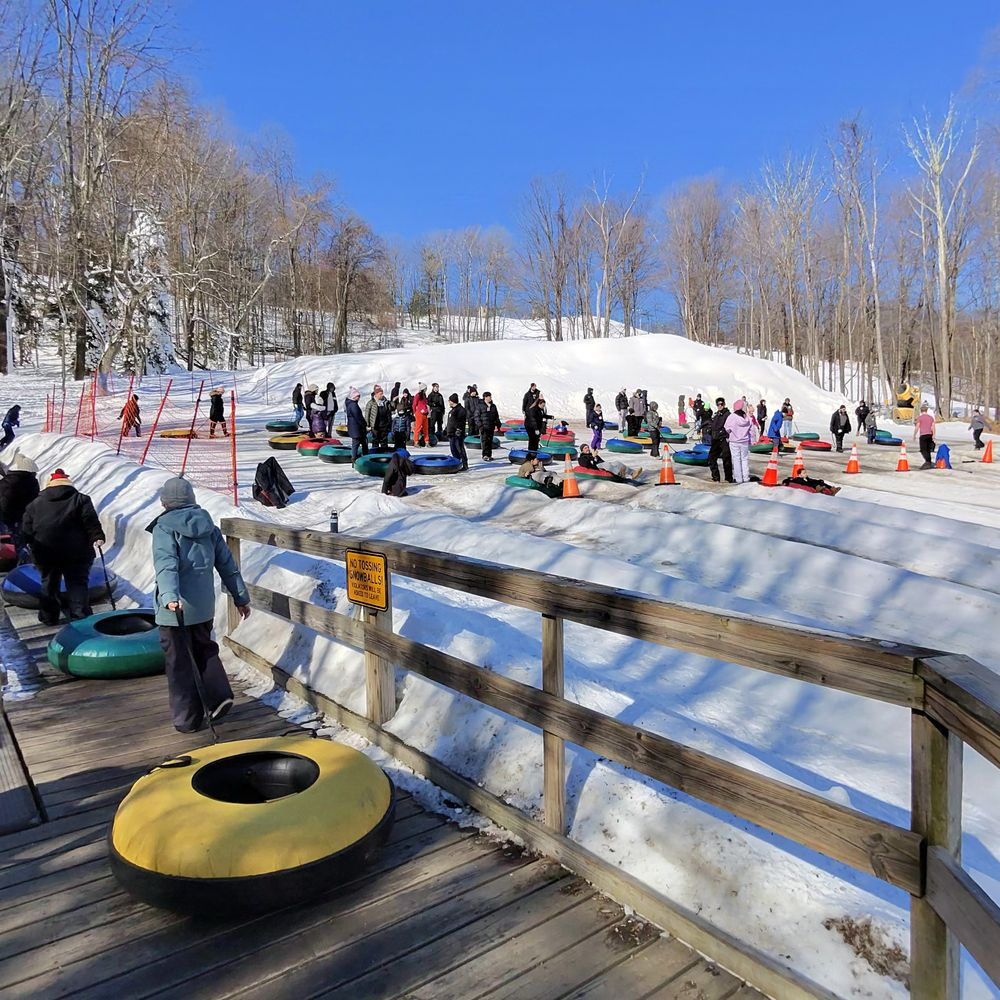
For those seeking high-energy winter fun, New Jersey’s dedicated snow tubing parks deliver a polished, family-friendly experience. Resorts such as Mountain Creek in Vernon have built national reputations for their expansive tubing areas, featuring dozens of groomed lanes, consistent snowmaking, and conveyor-style lifts that eliminate the uphill climb. Campgaw Mountain in Mahwah offers a more intimate but equally popular option, particularly appealing to families and first-time tubers with its long, manageable runs. Adding a unique twist to the mix is Big SNOW at American Dream in East Rutherford, where indoor, real-snow tubing makes it possible to enjoy winter sports regardless of outdoor conditions or time of year.
For a more traditional experience, many public parks across the state double as beloved sledding and tubing destinations whenever snow falls. State parks such as Fort Mott in Salem County and Hopatcong State Park in Morris County feature natural hills that locals flock to after winter storms. Thompson Park in Jamesburg and Cheesequake State Park in Old Bridge are also well-known cold-weather gathering spots, where families bring their own sleds and tubes and make an afternoon of it. These locations lack lifts or rentals, but they make up for it with accessibility, open space, and a strong sense of community.
Beyond winter sports, New Jersey stands out for the sheer number of free attractions available year-round. In North Jersey, Paterson Great Falls National Historical Park offers dramatic views of one of the most powerful waterfalls in the eastern United States, paired with deep ties to the state’s industrial history. Nearby, Hacklebarney State Park and Ramapo Mountain State Forest provide rugged trails, river views, and sweeping overlooks that feel worlds away from nearby suburbs. Cultural options also abound, including the Hiram Blauvelt Art Museum in Oradell, which combines free admission with a focused collection centered on wildlife art and conservation.
Central New Jersey blends natural beauty with academic and artistic landmarks. Princeton University’s campus is open to the public and invites visitors to stroll through its historic grounds, while the university’s art museum adds another free cultural draw. Duke Farms in Hillsborough Township has become a destination in its own right, offering miles of walking and biking paths, curated landscapes, and educational programming at no cost. Rutgers Gardens in New Brunswick rounds out the region with botanical displays, themed gardens, and quiet trails that remain open throughout the year.
In the southern part of the state, free attractions take on a distinctly coastal and historic flavor. The Cape May County Park & Zoo consistently ranks among the region’s top family destinations, offering expansive grounds and hundreds of animals with no admission fee. The Atlantic City Boardwalk and Wildwood’s famously free beaches and boardwalks provide off-season charm, ocean views, and a chance to experience iconic shore towns without summer crowds. Inland, Batsto Historic Village offers a window into New Jersey’s 19th-century industrial past, surrounded by the natural beauty of the Pinelands.
Taken together, these experiences highlight the depth and variety of winter and year-round recreation available throughout the state. Whether racing down a tubing hill, exploring a historic village, or hiking through a quiet forest, New Jersey offers countless ways to stay active, curious, and entertained. For more ideas on seasonal outings, attractions, and things to do across the state, Explore New Jersey’s activities and fun coverage provides a continually updated guide to making the most of every season.
As 2025 winds down, New Jersey’s real estate market is entering what many industry observers describe as a seasonal reset. The frenetic pace that defined much of the post-pandemic era has eased, yet prices remain elevated and demand continues to outstrip supply in many parts of the state. Rather than a correction, the market is showing signs of recalibration, with buyers and sellers adjusting expectations as winter approaches.
Statewide, pricing has proven remarkably resilient. Median home values climbed to roughly $565,800 in November, representing solid year-over-year growth even as sales activity cooled. In some of the state’s most competitive counties, particularly Bergen, prices remain substantially higher, with median figures well above $800,000. These numbers reflect a market that is no longer accelerating at breakneck speed, but one that still benefits from limited long-term supply and sustained interest from well-capitalized buyers.
Inventory conditions are gradually improving. Active listings are up by more than ten percent compared with last year, offering buyers more options than they have seen since before 2020. Homes are also staying on the market longer, with average days on market pushing into the mid-to-high 40s. While properties in prime locations still move quickly, this extra time has opened the door to more measured decision-making and, in some cases, renewed negotiation.
That shift is visible in pricing dynamics. Although a significant share of homes continues to sell above asking price, that percentage has declined notably from recent highs. Price reductions are becoming more common as sellers adjust to seasonal realities and buyers grow less willing to waive contingencies or escalate bids aggressively. The result is a market that feels more balanced, even if affordability remains a challenge for many households.
Development activity across New Jersey underscores confidence in the state’s long-term growth. Major film and television studio projects have broken ground in Bayonne and Newark, adding new commercial anchors and signaling continued investment in mixed-use and creative economy infrastructure. Luxury residential construction is also moving forward, from high-end townhome communities in Bergen County to dense, transit-oriented high-rises in Jersey City. At the same time, Asbury Park has attracted new capital aimed at preserving and upgrading affordable housing stock, highlighting the range of activity occurring simultaneously across the market.
Housing policy remains front and center. Recent court decisions have reinforced the state’s affordable housing framework, requiring municipalities to move forward with plans to meet their obligations. Lawmakers are also exploring new funding mechanisms to address homelessness at the local level, tying modest fees to construction and municipal processes. These efforts reflect growing recognition that housing affordability is no longer a regional issue, but a statewide concern touching urban, suburban, and shore communities alike.
The rental market, meanwhile, continues to test the limits of affordability. In cities like Jersey City, rents have surged dramatically, driven by low vacancy rates and sustained demand from renters priced out of homeownership. This pressure has intensified conversations around supply, zoning, and long-term planning as New Jersey looks to retain workers and families across income levels.
Regionally, contrasts remain striking. North Jersey continues to set records, including landmark luxury sales that underscore the area’s appeal to high-net-worth buyers. South Jersey has emerged as one of the state’s faster-growing price markets, with cities like Trenton posting double-digit gains. Along the Jersey Shore, once-seasonal towns are increasingly functioning as year-round communities, pushing values higher in places such as Margate, Ventnor, and Asbury Park.
Looking ahead to 2026, North Jersey appears particularly well-positioned to maintain momentum. Its proximity to New York City remains a defining advantage, especially as hybrid work models continue to shape housing decisions. Reliable transit options, established downtowns, and highly regarded school districts give towns like Ridgewood enduring appeal that goes beyond short-term market cycles. Rather than speculation, demand in these areas is increasingly rooted in lifestyle stability and long-term planning.
While the broader Northeast housing market is cooling into a more sustainable rhythm, New Jersey’s fundamentals remain strong. Geography, infrastructure, and sustained investment continue to support values, even as buyers gain slightly more breathing room. For ongoing coverage of market trends, development news, and housing policy across the Garden State, visit Explore New Jersey’s real estate section.
As New Jersey’s life sciences sector continues to build on a year marked by expansion and investment, BioNJ President and CEO Debbie Hart is increasingly focused on what comes next. From navigating shifting federal policies to embracing artificial intelligence and strengthening workforce pipelines, Hart sees both opportunity and urgency as the industry enters a pivotal period.
Following a year highlighted by new facilities, major groundbreakings, and continued corporate commitments across the state, Hart believes collaboration will define the next phase of growth. Large-scale public-private initiatives, particularly projects that bring academia, health care systems, biotech firms, and investors into shared ecosystems, are becoming central to New Jersey’s competitive advantage.
One example is the growing cluster of innovation hubs designed to shorten the distance between research and commercialization. Hart views these environments as essential in a global industry where talent, capital, and ideas move quickly. With access to transit, universities, hospitals, and dense population centers, New Jersey remains uniquely positioned to attract and retain life sciences companies at every stage of development.
At the same time, uncertainty at the federal level has become a major concern. Hart acknowledges shared goals with policymakers around lowering health care costs and improving patient access, but she notes that unclear regulatory signals and tariff discussions have complicated long-term planning for companies. Markets are still stabilizing after years of volatility, and unpredictable policy shifts only add to the pressure facing biopharma and medical innovators.
That uncertainty became especially visible following recent federal attention on widely used medications. Hart emphasized the importance of grounding public policy decisions in established science, particularly when claims risk confusing patients or discouraging appropriate care. For BioNJ, a core responsibility is helping the public and decision-makers understand the data behind medical innovation and ensuring that misinformation does not undermine patient health or trust in proven treatments.
Looking forward, artificial intelligence represents one of the most transformative opportunities for the industry. Hart sees AI as a powerful tool capable of reshaping drug discovery, development timelines, and commercialization strategies. While adoption is still evolving, the long-term potential for cost savings and accelerated research is significant. The challenge, she notes, lies in identifying meaningful applications amid a crowded and rapidly changing technology landscape.
Manufacturing has also emerged as a priority area. New Jersey’s growing role in advanced manufacturing, including cell and gene therapies, continues to generate momentum. Hart points to workforce development as a critical component of sustaining that growth. State-level training initiatives, partnerships with county colleges, and programs designed to prepare workers for specialized biopharma roles are helping ensure that talent keeps pace with innovation.
BioNJ’s recent slate of industry events reflects this broad focus, bringing together executives, researchers, policymakers, and investors to discuss manufacturing, digital health, and executive leadership. These gatherings are not only about sharing insights, but also about strengthening connections across the life sciences ecosystem.
As the organization looks toward the coming year, Hart says BioNJ is placing a strong emphasis on policy engagement and storytelling. With medical innovation often misunderstood outside the industry, she believes it is more important than ever to clearly communicate the value life sciences bring to patients, communities, and the economy. BioNJ is also expanding efforts to support startups and mid-stage companies as funding conditions remain uneven, helping ensure that promising ideas do not stall due to lack of access or visibility.
By fostering collaboration across the full continuum of life sciences — from global pharmaceutical leaders to early-stage innovators — BioNJ aims to keep New Jersey at the forefront of health and technology advancement. For more coverage on innovation shaping the state’s future, visit Explore New Jersey’s technology section, where developments across science, health, and emerging tech continue to unfold.
Facing the team sitting at the bottom of the Atlantic Division, the Philadelphia Flyers were reminded the hard way that the NHL does not offer nights off. A brief loss of focus late in the second period proved costly Thursday night, as the Buffalo Sabres surged past the Flyers for a 5-3 victory at KeyBank Center, extending Buffalo’s winning streak to four games.
For much of the night, the Flyers appeared to be in control. They dictated pace early, generated consistent pressure, and erased an opening deficit to take a 2-1 lead midway through the second period. What followed, however, was a sudden swing that flipped the game on its head.
Philadelphia’s undoing came in a matter of minutes. A turnover led directly to a tying goal, and with less than 30 seconds remaining in the period, Buffalo struck again on a seeing-eye shot that slipped through traffic and past Samuel Ersson. In the span of just over three minutes, the Flyers went from managing the game to chasing it.
The opening period told a very different story. Buffalo struck first, as Jack Quinn redirected a point shot past Ersson, but the Flyers responded almost immediately. Noah Cates finished a crisp sequence less than a minute later, burying a feed generated by pressure from Bobby Brink. The Flyers outshot the Sabres 12-4 in the first 20 minutes and controlled the neutral zone, a performance that drew praise from head coach Rick Tocchet for its directness and shot volume.
That momentum carried into the second period when Cam York gave Philadelphia the lead, firing a shot that beat former Flyer Alex Lyon. At that point, the Flyers looked poised to pull away. Instead, Buffalo capitalized on mistakes. A Travis Sanheim turnover set up Tage Thompson’s equalizer, and Noah Ostlund’s late goal sent the Sabres to the intermission with an unexpected 3-2 advantage.
The third period reflected the shift in energy. Josh Norris extended Buffalo’s lead midway through the frame, forcing the Flyers into catch-up mode. Travis Konecny answered later to pull Philadelphia within one, but sustained pressure proved elusive. With the Flyers pressing six-on-four late after pulling Ersson and drawing a penalty, Buffalo held firm before sealing the game with an empty-net goal.
The loss overshadowed an otherwise competitive effort and underscored a recurring issue for Philadelphia this season: brief lapses that swing close games. The Flyers finished strong in spurts but were unable to recover fully once Buffalo seized momentum.
Off the ice, roster movement also marked the night. Defenseman Egor Zamula was placed on waivers following the return of Rasmus Ristolainen and York from injury. Zamula, who has appeared in 168 career games with Philadelphia, has been part of the organization since signing as a free agent and made his NHL debut in 2021.
Ristolainen’s return continues to be closely managed after a lengthy absence. While the coaching staff aimed to limit his workload, he logged nearly 19 minutes earlier in the week, a sign of both his importance and the need for careful pacing as he regains full game shape.
Despite the setback in Buffalo, there were still positives within the lineup. The Flyers’ recent emphasis on balanced scoring remains evident, with adjustments across all four lines designed to spread responsibility and maintain energy. Younger players continue to gain opportunities, while veterans have been asked to adapt to evolving roles, a process Tocchet has emphasized as central to building a sustainable team culture.
The Flyers conclude their road trip with an afternoon matchup against the New York Rangers, a team that has struggled at Madison Square Garden. How Philadelphia responds will go a long way toward determining whether this loss becomes a brief stumble or a lingering concern.
For continued coverage and analysis from around the league, including more stories like this, visit Explore New Jersey’s hockey section, where the state’s connection to the sport remains front and center.
Homeowners across Morris County and the surrounding region have a new reason to act on long-delayed plumbing issues. Sewer Surgeons, a Chatham-based plumbing specialist known for tackling complex underground problems, has introduced a limited-time promotion offering $600 off sewer line replacement and trenchless lining projects. The incentive is designed to reduce the financial strain of one of homeownership’s most expensive and disruptive repairs while encouraging preventative maintenance before small issues escalate into emergencies.
Sewer line failures are rarely visible until they become severe. Slow drains, recurring backups, foul odors, or unexplained soggy patches in a yard often signal damage caused by aging pipes, invasive tree roots, shifting soil, or corrosion common in older New Jersey housing stock. Left unaddressed, these problems can lead to foundation damage, wastewater exposure, and significant property loss. By offering a substantial discount, Sewer Surgeons is aiming to make professional intervention more accessible at the moment homeowners need it most.
The company’s expertise centers on both full sewer line replacement and modern trenchless lining solutions. Traditional replacement remains necessary when pipes have collapsed or deteriorated beyond repair, while trenchless lining allows technicians to restore the interior of existing pipes without extensive excavation. This minimally invasive approach can preserve landscaping, driveways, and walkways, dramatically reducing cleanup time and overall disruption. For many homeowners, trenchless technology represents a practical balance between durability and cost efficiency.
Sewer Surgeons has built its reputation on diagnostic precision and clear communication. Using advanced camera inspections and location equipment, technicians can pinpoint the exact source of a problem before recommending a solution. That approach helps homeowners avoid unnecessary work and understand the scope of a project before committing. The current $600 discount applies directly to qualifying replacement or lining jobs, helping offset what is often an unplanned expense.
Local contractors offering transparent pricing and specialized services play a critical role in New Jersey’s residential infrastructure, particularly as communities continue to age. Initiatives like this promotion highlight how regional businesses are adapting to meet homeowners’ needs while remaining competitive in a demanding market. Readers interested in broader coverage of companies shaping the state’s economy can explore additional stories in Explore New Jersey’s business section, which regularly features updates on local enterprises and service providers.
For homeowners noticing warning signs or those with older properties who want peace of mind, the timing of this offer may be significant. Proactive sewer inspections and repairs not only protect a home’s value but can also prevent costly emergency situations during heavy rain or seasonal freezes. With professional expertise and a meaningful financial incentive now on the table, addressing sewer line concerns has become a more attainable step for many New Jersey residents.
The New Jersey Devils secured a 2-1 shootout victory over the Vegas Golden Knights on Wednesday night, but the team continues to navigate a wave of injuries that could impact their push in the Metropolitan Division. Goaltender Jake Allen was the standout for the Devils, stopping all three Vegas attempts in the shootout after making 37 saves through regulation and overtime. Jesper Bratt converted the lone shootout goal to clinch the win.
Injuries continue to affect the lineup. Forward Arseny Gritsyuk was placed on injured reserve today with an upper-body injury, while defenseman Simon Nemec remains sidelined with a lower-body issue. The team welcomed Brett Pesce back from long-term injured reserve, providing a boost to the defensive corps. Forwards Stefan Noesen and Cody Glass did not practice Wednesday but are expected to be ready for Friday’s game against the Utah Mammoth, giving the Devils hope for added depth moving forward.
Amid the roster challenges, the Devils also announced a major milestone for the franchise. Former player John MacLean will be the fourth inductee into the team’s Ring of Honor, with a ceremony scheduled for January 27, 2026. This recognition honors MacLean’s lasting impact on the franchise and his contributions to New Jersey hockey history.
While the team continues to perform in key moments, the goaltending situation has emerged as a central topic of discussion. Jake Allen has performed admirably with an overall .912 save percentage through 18 appearances, but the Devils’ team save percentage remains middling at .894, tied for 16th in the NHL. Jacob Markstrom has struggled since returning from injury last season, posting a save percentage above .900 in only two of his 17 starts, raising concerns about consistency and reliability in net.
Some analysts suggest the Devils consider carrying a third goaltender, Nico Daws, to provide depth and competition. With current roster constraints eased by multiple injured players and a personal leave for Timo Meier, adding Daws could allow Allen to maintain a starter’s workload while offering the team insurance in case of injury or performance lapses. Although Daws may not be a long-term solution, his career numbers in limited NHL action surpass Markstrom’s recent performance, making a compelling case for his temporary promotion.
Management, led by GM Tom Fitzgerald, faces a delicate balancing act. Pressing for a third goaltender could draw scrutiny due to Markstrom’s two-year contract, which heavily impacts the salary cap. Yet, adding depth in net may motivate the current starters and reduce risk over a demanding schedule. With a record of 19-14-1 and a fifth-place position in the Metropolitan Division, the Devils remain very much in contention, and roster flexibility could be critical in sustaining their playoff push.
Looking ahead, New Jersey travels to face the Utah Mammoth on Friday, December 19, at 9:00 PM ET. The team’s ability to manage injuries and optimize goaltending will likely play a pivotal role in upcoming matchups as they strive to maintain momentum in a tightly contested division. Fans and analysts alike will be closely watching the Devils’ strategy, particularly regarding whether a third goaltender is called up, and how Allen and Markstrom respond under increased pressure.
Coverage of the team’s ongoing developments, roster updates, and game analysis can be followed in Explore New Jersey’s New Jersey Devils section. With key players returning from injury and potential roster adjustments on the horizon, the Devils are positioning themselves for a critical stretch of the 2025-26 NHL season.
Morris County officials have unveiled a comprehensive 2026 Capital Spending Plan that reinforces the county’s commitment to infrastructure, public safety, and essential services for residents across all 39 municipalities. Presented at a public meeting in Morristown by the Morris County Board of County Commissioners, the plan outlines strategic investments totaling just over $50 million, offset by $13.1 million in grant funding, bringing the county’s net contribution to approximately $36.9 million.
Deputy Director Stephen H. Shaw, alongside Commissioners Deborah Smith and Christine Myers, chaired the Capital Budget Committee, highlighting the months of evaluation across county departments, partner agencies, and constitutional offices that informed the plan. “Our 2026 Capital Plan strikes the right balance between maintaining our existing assets and making strategic investments in the county’s future,” Shaw said. He emphasized that the plan ensures Morris County remains prepared to support economic opportunity, public safety, and a high quality of life for residents.
The plan is structured around three primary pillars — Infrastructure, Standard, and Strategic investments — to ensure county operations remain safe, efficient, and resilient.
Infrastructure Investments
Infrastructure forms the backbone of Morris County operations, covering 287 miles of county roads, over 1,000 bridges and culverts, three freight railroads, more than 3.4 million square feet of county facilities, 1,200 vehicles, and 20,611 acres of parkland. The county also maintains trees along rights-of-way and facilities required for public safety, judiciary, mosquito control, and other essential services.
More than 60% of the total plan, over $30 million, is allocated to infrastructure improvements, including road resurfacing, bridge design and construction, stormwater management, rail upgrades, dam repairs, and park enhancements. “These investments directly impact residents’ daily lives, supporting safety, mobility, and economic development,” Commissioner Smith noted.
Key 2026 road resurfacing projects include:
3.6 miles of Fairmount Avenue in Chatham Borough and Chatham Township
1.3 miles of Green Pond Road in Rockaway Township
1.8 miles of Ridgedale Avenue in Florham Park and East Hanover
4 miles of West Mill Road in Washington Township
Standard Investments
The plan dedicates approximately $13.3 million to standard investments, covering necessary but often unseen projects that keep county operations running smoothly. Funds will support security upgrades, Sheriff’s Office equipment, building and grounds improvements, vehicle replacements, and IT infrastructure enhancements. Commissioner Myers explained, “These investments ensure that essential services operate efficiently and safely every day for residents.”
Strategic Investments
Strategic investments, totaling $6.65 million, focus on forward-looking projects that enhance public safety and operational efficiency. The plan includes upgrades to fire alarm and sprinkler systems, improvements to emergency communications, Sheriff’s Patrol building fit-outs, and downtown parking facility enhancements. Commissioner Smith emphasized that these high-priority projects are designed to improve service delivery and safeguard county assets.
Before the 2026 Capital Spending Plan is incorporated into the county budget, the Capital Budget Committee invited feedback from commissioners and stakeholders to refine priorities. The plan is scheduled to be introduced formally in the first quarter of 2026, setting the stage for a year of substantial investment in Morris County’s infrastructure, public safety, and essential services.
Residents and businesses interested in county development initiatives, infrastructure updates, and strategic investment projects can follow detailed reporting and updates in Explore New Jersey’s North Jersey section.
With a robust approach to maintaining and modernizing roads, bridges, public facilities, and emergency systems, Morris County’s 2026 plan reflects a forward-thinking strategy designed to enhance safety, connectivity, and the overall quality of life for all its communities.
New Jersey’s cannabis industry is entering a new era following President Donald Trump’s Dec. 18 signing of a sweeping executive order directing the federal government to finalize the rescheduling of marijuana. The move shifts cannabis from the highly restrictive Schedule I category, alongside heroin and LSD, to the less restrictive Schedule III, alongside substances such as Tylenol and certain steroids. While this does not legalize cannabis nationwide or override state laws, it could have significant effects on New Jersey dispensaries, medical research, and business operations.
Under current federal law, cannabis is classified as having “no accepted medical use” and a “high potential for abuse,” creating barriers to research, banking, and taxation for state-licensed businesses. Reclassification to Schedule III allows operators to deduct ordinary business expenses from federal taxes, a major relief under Section 280E, and may encourage banks and financial institutions to engage with licensed cannabis businesses. This could provide critical financial stability for New Jersey dispensaries and cultivators while attracting new investment into the state’s rapidly growing cannabis market.
Medical and scientific research also stands to benefit. Schedule I restrictions have historically imposed extensive federal bureaucracy on researchers, delaying clinical studies and new treatment development. With cannabis in Schedule III, universities, pharmaceutical companies, and medical institutions in New Jersey can conduct research more efficiently, potentially accelerating clinical trials for cannabis-derived medications and CBD-based therapies.
For dispensaries such as Blue Violets in Hoboken, which recently launched e-bike delivery services, rescheduling creates opportunities for business expansion and investor confidence. Industry leaders describe the change as stabilizing, allowing companies to plan for growth while maintaining compliance in a state-regulated environment. JRSY Girl Growers, a Class I cultivator and soon-to-launch Class II manufacturer in Ocean Township, anticipates that rescheduling will restore investor confidence and facilitate recapitalization efforts, further boosting the local market.
Despite the positive effects, experts note that rescheduling does not equal full federal legalization. Cannabis remains a controlled substance, interstate commerce remains prohibited, and existing criminal penalties are not automatically erased. Comprehensive reform, including decriminalization and descheduling, would still require congressional action. Nevertheless, state-licensed businesses in New Jersey may see immediate benefits, including eased regulatory burdens, access to banking services, and relief from punitive tax restrictions.
The executive order also addresses access to CBD-based treatments for seniors on Medicare, a potential milestone for patient care that could begin as soon as April 2026. Advocates see the signing as overdue recognition of cannabis’s medical potential and an opening for continued evolution of state-level regulations.
New Jersey, already a leader in East Coast cannabis policy, could experience significant growth in investment, research, and retail activity as federal restrictions ease. Readers interested in tracking the evolving cannabis market, including legal, financial, and real estate implications for dispensaries and cultivation facilities, can follow Explore New Jersey’s Real Estate section.
For New Jersey’s cannabis industry, Trump’s executive order marks a historic turning point. While it does not resolve all legal and social inequities associated with prohibition, it offers tangible benefits for state-licensed businesses, investors, researchers, and patients, signaling a major step toward integrating cannabis into mainstream commerce and medical practice.
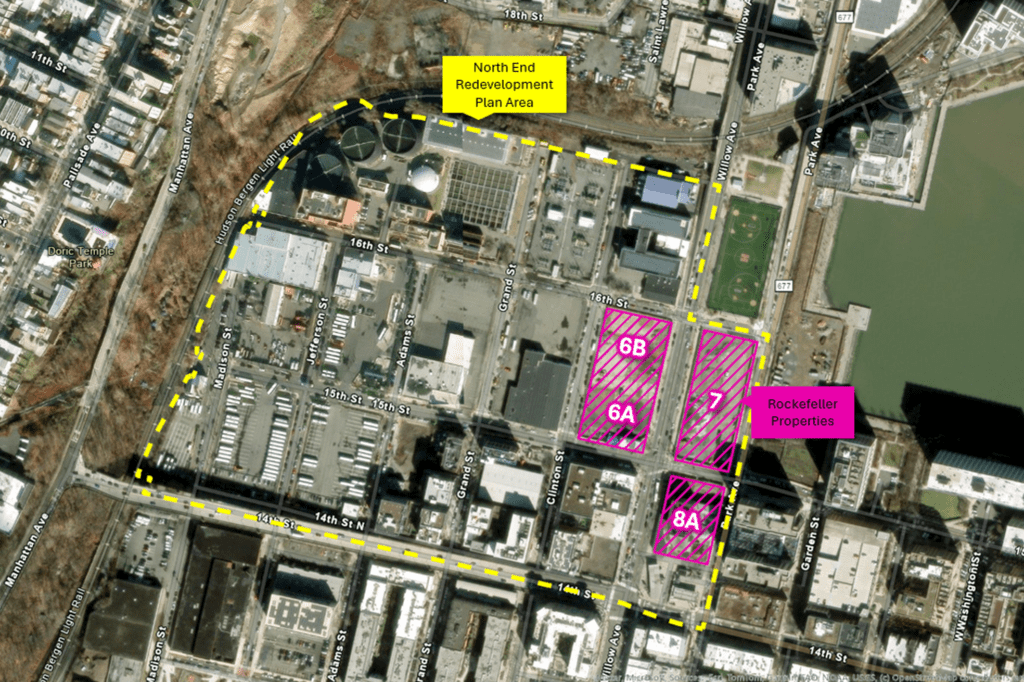
Hoboken’s northern gateway is poised for a dramatic transformation as plans for a multi-phase, four-building project were advanced this week, signaling the end of decades-long vacancies along 15th Street. The City Council unanimously approved redevelopment agreements on December 17 for parcels long held by subsidiaries of the Rockefeller Group, marking a significant step toward revitalizing one of the city’s fastest-growing neighborhoods.
The four parcels, largely dormant since the early 2000s, have drawn increasing interest as Hoboken continues to grow and densify. Rockefeller Group’s plan, designed by CetraRuddy Architects, envisions a combination of residential, retail, public parking, and open space improvements across more than 700 new units. The phased approach aims to balance community needs, commercial opportunities, and enhanced urban infrastructure.
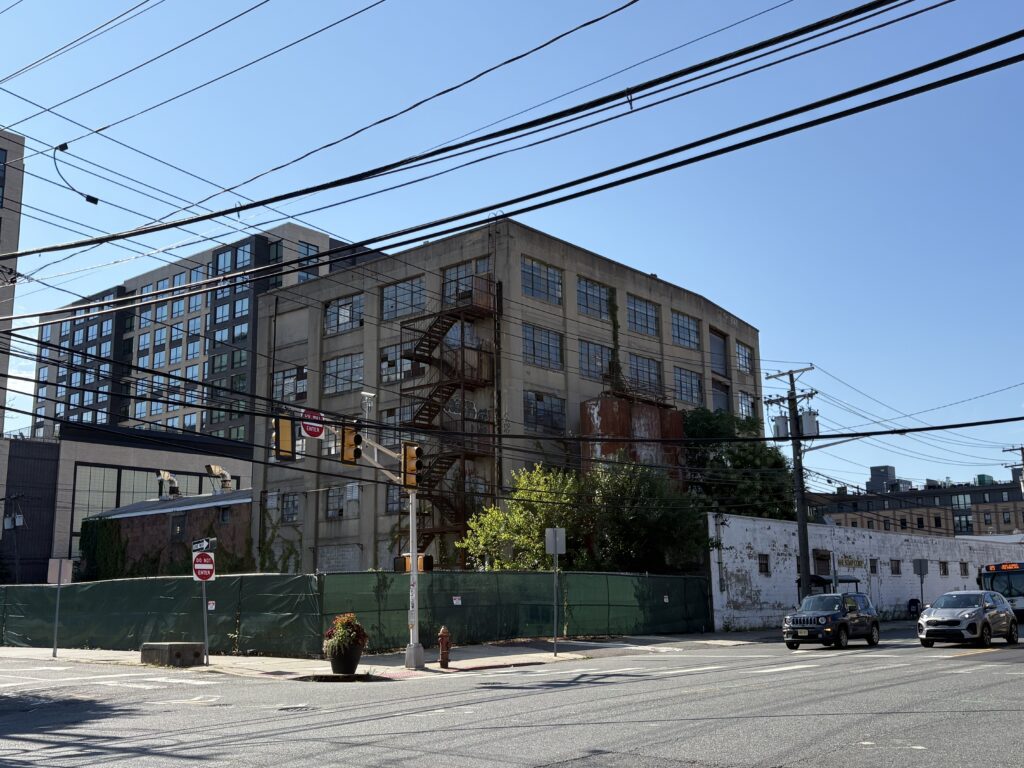
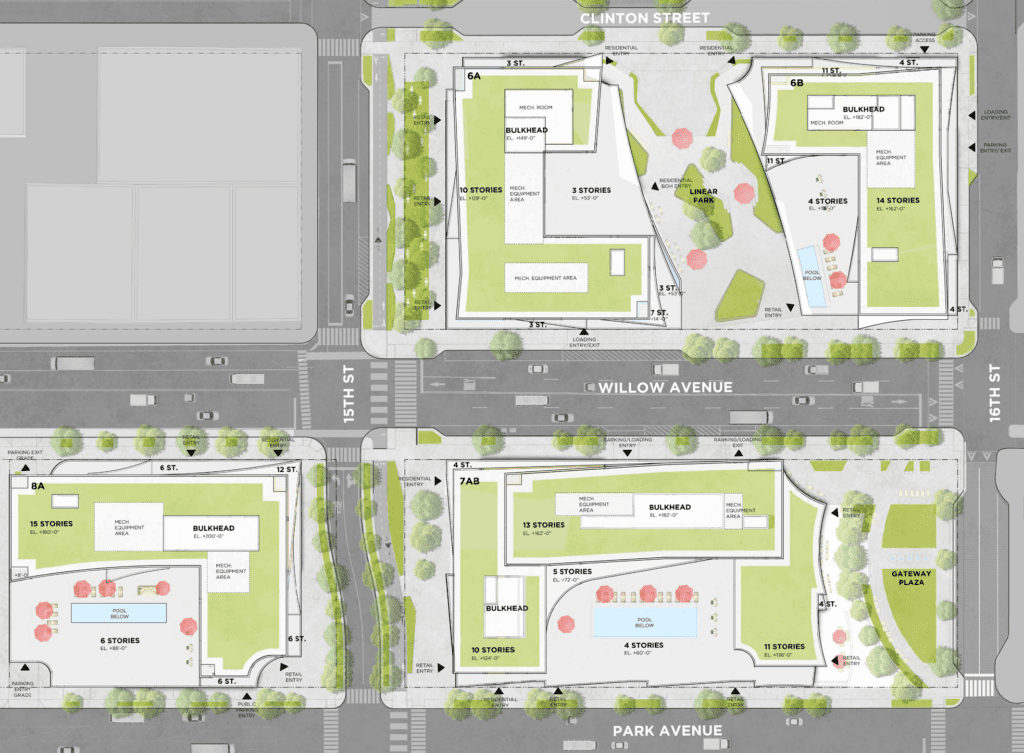
Phase one of the project will focus on the iconic Stahl Soap Company site at 1413-1425 Willow Avenue. This initial phase will introduce 233 rental units, including a 10% affordable housing component, along with 5,621 square feet of public open space. Addressing local parking challenges, a 424-space garage will be constructed, 275 spaces of which will be leased to the city under a long-term agreement, with the remaining spaces reserved for tenants. Additionally, a temporary surface lot with 50 public spaces will be maintained during construction to mitigate neighborhood disruption.
Subsequent phases will expand the development footprint along 1501-1507 Clinton Street and 1500 Willow Avenue, currently occupied by a car wash. This portion will include 188 rental units with a continued 10% affordable housing allocation, over 11,000 square feet of retail space, and public open areas totaling more than 21,700 square feet. A 6,000-square-foot promenade will connect the phases, creating a continuous public gathering space and pedestrian corridor. Another building at 1524-1530 Willow Avenue will feature 126 condominium units, retail space, and 135 parking spaces, further enhancing the pedestrian-oriented plaza.
The final phase, located at 1500 Park Avenue near the under-construction Harborside Park, will add 182 condominiums, 152 parking spaces, and nearly 16,000 square feet of ground-floor retail. Gateway Plaza, encompassing over 20,600 square feet along 16th Street across from the 1600 Park athletic fields, will provide additional public space and reinforce community accessibility throughout the project.
While the City Council’s approval of redevelopment agreements is a major milestone, Rockefeller Group will still need planning board clearance and other municipal approvals before construction can begin. Community engagement, adherence to affordable housing commitments, and integration with ongoing city infrastructure projects will remain central considerations as the project moves forward.
This ambitious redevelopment signals Hoboken’s continued evolution and represents one of the most significant north-end transformations in the city’s recent history. Residents and investors alike are anticipating the creation of vibrant mixed-use spaces that combine residential living with retail opportunities, improved public amenities, and thoughtful urban design. Coverage of Hoboken’s ongoing urban development and other real estate projects across the state can be found in Explore New Jersey’s Real Estate section.
With nearly 730 new units, expanded public plazas, and integrated retail, Rockefeller Group’s vision promises to redefine the city’s northern corridor, blending historic preservation with modern urban growth and creating a more connected, lively, and accessible Hoboken community.
Trenton lawmakers are advancing legislation that would significantly change how law enforcement officers interact with the public in New Jersey by restricting when officers can conceal their identities while performing official duties. The move has drawn sharp attention from civil liberties advocates, law enforcement groups, and legal experts, setting up a potential debate over public safety, transparency, and constitutional limits.
The proposal, known as the “Law Enforcement Officer Protection Act,” recently cleared a key legislative committee and now moves through the State House for further consideration. Under the measure, officers at all levels — including local police, county sheriffs, state investigators, and even federal agents operating within New Jersey — would be required to show their faces and identify themselves before detaining or arresting a person. The legislation is championed by Assembly members who argue that visible identification promotes trust and reduces community tension during police interactions. Assembly Democrats
Proponents of the bill contend that seeing a uniformed officer’s face and knowing the agency they represent fosters mutual respect and reduces misunderstandings in tense situations. Assembly sponsors have emphasized that clear identification can reassure residents, particularly in diverse and immigrant communities, who may feel uneasy when approached by officers whose faces are obscured. The Jersey Vindicator
However, the scope of the bill extends beyond identification requirements. It also includes language that would prohibit law enforcement officers from wearing masks or any disguises while interacting with the public unless specific exceptions apply. Exemptions written into the legislation would cover undercover operations, protective face shields that do not obscure identity, medically necessary masks backed by a physician’s statement, and masks used for protection from smoke in declared emergencies. Violations of the provision would be classified as a disorderly persons offense, carrying potential fines and jail time, underscoring the seriousness with which the Legislature is approaching enforcement. New Jersey Legislature+1
Supporters maintain that the rule against masked interactions targets misuse of anonymity in official duties, including instances where federal personnel operating in the state may conceal their faces during sensitive operations. They assert that stronger visibility standards will make it easier for members of the public to distinguish legitimate law enforcement from impersonators, a concern lawmakers say has increased amid reports of individuals misrepresenting themselves as officers. New Jersey Monitor
Critics of the measure raise a host of concerns. Some law enforcement professionals caution that limiting face coverings could compromise officer safety in high-risk assignments where anonymity is essential. Others worry about potential legal challenges, especially where the bill’s restrictions would apply to federal agents; constitutional scholars note that states generally lack authority to regulate federal operations, opening the measure to court challenges if enacted. New Jersey Monitor
Civil liberties advocates also argue that such a mandate could have unintended consequences beyond policing. They note that masks and face coverings serve legitimate purposes — from medical protections to religious observance — and that blanket restrictions tied to law enforcement could set precedents affecting public interaction rights more broadly.
As the conversation unfolds in Trenton, New Jersey’s legislative session is likely to see extensive testimony from law enforcement officials, civil rights organizations, and community representatives. The bill’s journey through successive committee votes and potential amendments will be closely watched by stakeholders across the state.
Readers interested in developments related to policing, public safety, and legislative action throughout New Jersey can find continued tracking and reporting in Explore New Jersey’s Law & Order section.
The outcome of this bill will influence not only how officers approach civilian encounters but also how New Jersey balances transparency, safety, and civil liberties in law enforcement policy.
New Jersey residents are in for a dramatic stretch of weather as the state shifts from midweek warmth to stormy conditions, followed by a sharp temperature drop that could create hazardous travel conditions. Meteorologists are tracking a series of high-confidence developments that will bring everything from soaking rain and gusty winds to refreezing surfaces and the first real conversation of a possible white Christmas.
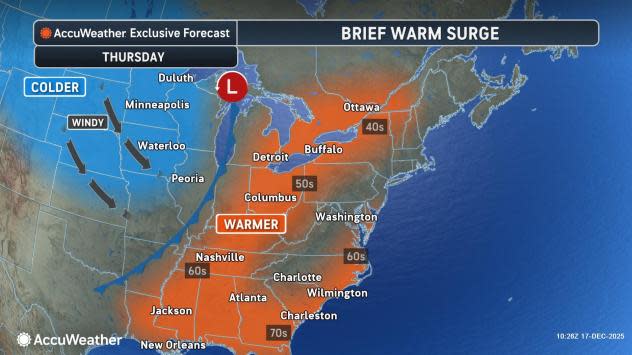
The pattern began with a surge of synoptic-driven warmth that pushed afternoon temperatures well into the 40s and low 50s from North Jersey through South Jersey. That brief warmup took a noticeable toll on existing snowpack, melting accumulated snow and leaving behind widespread runoff. As temperatures fall back into the 20s overnight, that melted snow is expected to refreeze, setting the stage for icy patches and prominent icicles by Thursday morning.
Thursday brings a temporary rebound above freezing during the day, but the bigger story arrives late Thursday night. A powerful storm system is forecast to move into the region, bringing widespread rain and increasing winds. Rain is expected to overspread New Jersey from west to east around midnight, becoming heavy at times through early Friday morning. Most areas should see steady rainfall until roughly mid-morning Friday, followed by a narrower band of precipitation before conditions improve.
Rainfall totals are projected to range from roughly three-quarters of an inch to over an inch in North Jersey, with somewhat lower totals across South Jersey. Alongside the rain, winds will become increasingly strong. Southerly and south-southwesterly winds will dominate ahead of the storm and during the heaviest rainfall overnight. As the system evolves early Friday, a brief but intense period of shifting winds could develop, particularly if a narrow convective band moves through. This window carries the potential for isolated thunderstorms and localized wind damage.
By late Friday morning, conditions will change rapidly as a cold front sweeps through the state. Winds will shift to the northwest and strengthen further, ushering in a much colder air mass. Temperatures are expected to drop sharply through Friday afternoon and evening. While this is not expected to meet flash-freeze criteria, the drop will be fast enough to refreeze standing water on untreated roads, sidewalks, and areas with poor drainage.
Compounding the risk is the fact that heavy rain will wash away road salt, increasing the likelihood of black ice Friday night into early Saturday. Drivers are urged to use caution, particularly on secondary roads that may appear wet but are actually frozen.
Looking ahead, attention is turning to the broader late-December pattern. Confidence is lower, but there is increasing interest in the potential for wintry weather around the Christmas holiday. A shifting jet stream pattern could place New Jersey near a sharp temperature boundary, meaning small changes could determine whether upcoming systems bring rain or snow. Several disturbances are being monitored between December 23 and New Year’s Eve, including the Christmas Eve and Christmas Day timeframe. While a white Christmas is far from guaranteed, the signal is stronger than it has been in recent years.
Saturday is expected to moderate somewhat after a cold Friday night, but another cold front is forecast to arrive Sunday night, returning the state to a colder pattern punctuated by brief warmups. This setup favors continued weather volatility through the end of the year.
In plain terms, New Jersey is entering a classic winter roller coaster. After brief warmth, the state will deal with heavy rain and strong winds late Thursday into Friday morning, followed by a rapid freeze and icy conditions Friday night. Temperatures rebound slightly over the weekend before colder air settles back in. Several potential systems could bring rain, ice, or snow as the holiday period unfolds.
For continued updates and in-depth coverage as conditions evolve, readers can follow Explore New Jersey’s Weather Report section, which will track changes and provide timely guidance as this active winter pattern develops.
Haddonfield is moving closer to a safer, more walkable downtown after securing a substantial federal grant aimed at improving pedestrian connections to public transit. The borough has been awarded approximately $800,000 through the “Safe Streets to Transit” initiative, funding that will support targeted upgrades along the Kings Highway corridor, one of South Jersey’s most active and visible main streets.
The new award builds on momentum already underway. Over the past year, Haddonfield has captured more than $1 million in transportation-related grants, underscoring a coordinated effort to enhance accessibility, safety, and mobility for residents, commuters, and visitors. Together, the funding packages position the borough to make meaningful infrastructure improvements that align with modern transit-oriented planning.
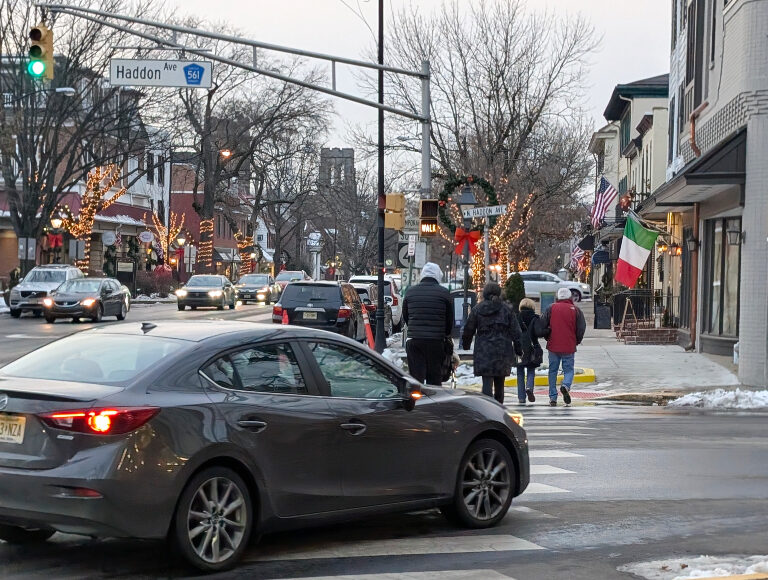
Kings Highway serves as the heart of Haddonfield’s downtown, linking shops, restaurants, neighborhoods, and the PATCO High-Speed Line station. Borough officials have identified the corridor as a priority area where pedestrian safety improvements can deliver immediate benefits. Planned enhancements are expected to include upgraded crosswalks, improved sidewalk conditions, traffic-calming measures, and clearer pedestrian routes leading to transit hubs.
The Safe Streets to Transit funding is designed to reduce the risk of pedestrian and cyclist injuries while encouraging greater use of public transportation. By improving how people move between neighborhoods and transit stations on foot, Haddonfield aims to support a more connected, environmentally friendly, and inclusive downtown experience.
Local leaders have emphasized that the initiative is not just about infrastructure, but about quality of life. Safer streets can encourage more foot traffic, support local businesses, and make downtown more accessible for seniors, families, and individuals with disabilities. Enhancing walkability also strengthens the borough’s appeal as a regional destination while preserving its historic character.
Preliminary planning and design work is expected to continue over the next year, with construction on the first phase of improvements potentially beginning in the summer of 2026. Officials have indicated that community input will play an important role as plans are refined, ensuring that the upgrades reflect local needs and priorities.
Haddonfield’s investment mirrors a broader trend across South Jersey, where municipalities are pursuing grant funding to modernize infrastructure and create safer, more livable communities. Readers interested in similar local initiatives, downtown revitalization efforts, and regional development news can find more coverage in Explore New Jersey’s South Jersey section.
As planning moves forward, the Kings Highway pedestrian improvements are expected to serve as a model for how historic towns can balance preservation with progress, using strategic funding to create safer streets and stronger connections to public transit.
A recent New Jersey appellate decision is sending a clear message to contractors and public agencies alike: strict adherence to bid requirements is not optional, and even seemingly minor technical missteps can cost companies major public contracts. The ruling, which arose from a school construction project in Edison Township, reinforces the authority of public entities to enforce detailed bidding specifications and underscores the growing importance of procedural accuracy in public procurement.
The dispute stemmed from bids submitted for an addition to a school overseen by the Edison Township Board of Education. Three construction firms were in contention, with two companies submitting lower-priced bids than the eventual contract winner. Despite the higher cost, the Board awarded the project to Vanas Construction Co., determining it was the lowest responsible bidder because its submission fully complied with all bid requirements.
The lower bids, submitted by ML, Inc. and Benard Associates, were rejected due to defects the Board classified as material and non-waivable. Both firms challenged the decision, arguing that the issues identified should not have disqualified their bids. The courts disagreed.
At the center of the case were timing and accuracy requirements tied to mandatory bid documents. ML’s submission included a required disclosure form detailing ongoing project obligations for its subcontractor. While the form itself was completed properly, it was dated several months before the bid opening. The Board concluded that the information was no longer “current” and therefore unreliable, a determination the courts found to be reasonable given the explicit language in the bid specifications.
Benard’s bid was rejected for a different but equally critical reason. Its bid bond was dated more than a month before the bid opening and prior to a significant project addendum that altered the scope and pricing of the work. The Board determined that the bond did not adequately protect the district, as the surety may not have agreed to cover the revised project terms. The appellate court upheld that reasoning, noting that bid bonds are fundamental to ensuring enforceability and financial security in public contracting.
The ruling reinforces a long-standing principle in New Jersey public procurement: public entities have broad discretion to draft bid requirements and enforce them as written, particularly when the defects affect the integrity of the bidding process. Courts are generally reluctant to override those decisions unless they are arbitrary or unreasonable, a threshold that was not met in this case.
For contractors, the implications are significant. Competitive pricing alone is no longer enough to secure public work. Every required document must be accurate, timely, and aligned precisely with bid instructions. Forms that are outdated, bonds that are improperly dated, or submissions that fail to account for late-stage addenda can all be grounds for rejection, even when the bid offers substantial cost savings.
Public boards and agencies, meanwhile, may view the decision as confirmation that detailed specifications matter and that enforcing them protects both taxpayers and project integrity. Clear bid language, consistent enforcement, and careful review of submissions remain essential components of responsible public contracting.
As technology continues to shape procurement systems, document management, and compliance tracking, cases like this highlight the intersection of legal standards and operational execution. Contractors increasingly rely on digital tools to manage complex bid requirements, while public entities use technology to standardize and scrutinize submissions. Readers interested in how technology intersects with legal, business, and infrastructure developments across the state can explore additional coverage in Explore New Jersey’s Real Estate & Construction section.
The Edison Township case serves as a cautionary tale for anyone involved in public bidding in New Jersey. In an environment where compliance is paramount, attention to detail is not just best practice—it is often the deciding factor between winning and losing a contract.
Gallery Digital Signage is expanding the possibilities of how digital art is presented in professional and residential spaces with the U.S. debut of its Vieunite Pro line, highlighted by the introduction of the Textura Pro digital canvas. The new product offering signals a growing demand for high-end display technology that blends visual artistry with advanced digital performance.
Designed to elevate how art is experienced on screen, the Vieunite Pro series targets environments where presentation quality is paramount. From corporate offices and hospitality venues to galleries and upscale homes, these professional-grade displays aim to replicate the depth, texture, and presence of traditional artwork while delivering the flexibility of digital content.
The Textura Pro digital canvas serves as the flagship of the lineup. Built with an emphasis on visual realism, the display is engineered to minimize glare, enhance color accuracy, and create a more natural viewing experience. Unlike conventional digital signage, which often prioritizes brightness and motion, the Textura Pro focuses on subtlety and refinement—qualities that allow digital art, photography, and curated visual content to feel intentional rather than intrusive.
This launch reflects a broader shift within the digital signage industry, where technology is increasingly intersecting with design and aesthetics. As businesses and institutions look for ways to create more engaging environments, displays are being asked to do more than convey information. They are becoming part of the architecture and atmosphere of a space, contributing to brand identity and visitor experience.
For Gallery Digital Signage, entering the U.S. market with Vieunite Pro represents an expansion of its vision for how digital displays can function as art-forward solutions. The company’s approach emphasizes professional reliability alongside creative expression, offering tools that can support rotating exhibitions, branded visuals, or permanent digital installations without sacrificing visual integrity.
The timing of the launch is notable as well. Advances in display technology, content management, and digital curation have made it easier than ever to integrate sophisticated visual systems into everyday settings. As a result, demand is rising for displays that meet both technical and artistic standards, particularly in design-conscious markets like New Jersey.
Readers interested in emerging innovations, smart display systems, and the evolving role of technology in creative spaces can explore more coverage in Explore New Jersey’s Technology & Tech section.
With the introduction of Vieunite Pro and the Textura Pro digital canvas, Gallery Digital Signage is positioning itself at the intersection of technology and art, offering U.S. audiences a new way to experience digital visuals that feel curated, immersive, and intentionally designed for modern spaces.
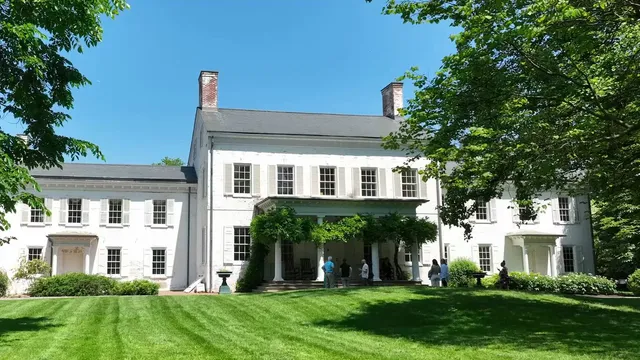
As the United States approaches its 250th anniversary, Morven Museum & Garden in Princeton is positioning itself as a central destination for reflection, education, and cultural engagement throughout 2026. The National Historic Landmark, once home to Founding Father Richard Stockton, is unveiling a comprehensive slate of exhibitions, public programs, and special events designed to explore the nation’s past while connecting it to the present.
Morven’s historic grounds and storied interiors provide a fitting setting for the semiquincentennial. The site has long served as a window into American political, social, and cultural history, and its upcoming programming builds on that legacy by offering visitors multiple ways to engage with the ideas and individuals that shaped the country. Rather than focusing on a single commemorative moment, the museum’s plans span the entire year, encouraging ongoing participation from residents, students, and visitors from across the region.
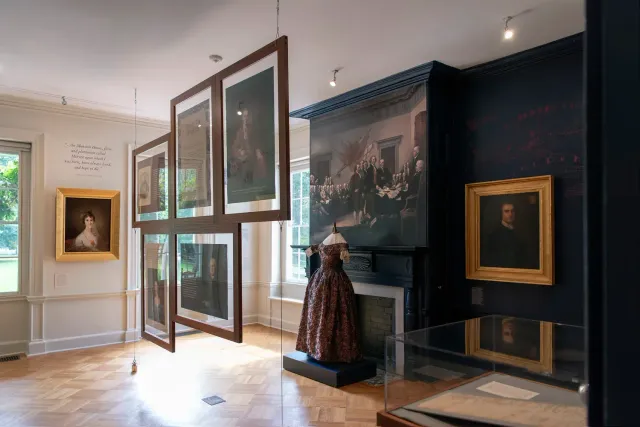
New exhibitions will anchor the celebration, drawing from Morven’s collections and broader historical scholarship to examine themes such as civic leadership, independence, and the evolving meaning of democracy. These exhibitions are expected to present history as a living conversation, highlighting both well-known figures and the diverse voices that contributed to the nation’s development over the past two and a half centuries.
In addition to gallery experiences, Morven will host an expanded calendar of lectures, panel discussions, educational workshops, and community-oriented events. These programs are designed to invite dialogue and deepen public understanding, making the anniversary relevant to contemporary audiences. Families, educators, and history enthusiasts alike will find opportunities to engage with the semiquincentennial in ways that are accessible and meaningful.
The museum’s outdoor spaces will also play an important role. Morven’s gardens, already a draw for visitors year-round, are expected to host special events and seasonal programming tied to the anniversary. By blending history with its natural setting, the museum aims to create experiences that appeal to a broad audience while reinforcing Princeton’s role as a cornerstone of New Jersey’s historical landscape.
Morven’s yearlong initiative aligns with a broader statewide and national effort to recognize America’s 250th anniversary, but its approach remains distinctly local. By centering the story within the context of New Jersey and Princeton’s role in the nation’s founding, the museum offers visitors a chance to see how national history unfolded at a human scale.
Those interested in cultural institutions, historic celebrations, and major public events happening across the state can find additional coverage and related stories in Explore New Jersey’s Entertainment section.
With its thoughtful programming and immersive setting, Morven Museum & Garden’s semiquincentennial plans promise to make 2026 a year of discovery and reflection, reinforcing the enduring relevance of history and New Jersey’s place at the heart of the American story.
A New Jersey–based leader in children’s literary discovery is taking a major step forward in how young readers around the world access books. ChildrensLit has announced the launch of new programs designed specifically for publishers and independent authors, opening expanded global pathways through the MoBoo digital reading platform.
Headquartered in Somers Point, ChildrensLit has long been known for spotlighting quality children’s books and connecting stories with educators, families, and libraries. With the introduction of these new initiatives, the company is broadening its mission by offering structured support for both established publishers and indie authors seeking wider visibility in an increasingly digital marketplace.
At the center of this expansion is MoBoo, a reading app built to enhance book discovery and engagement for children. Through MoBoo, participating publishers and authors gain access to an international audience, allowing their titles to be discovered beyond traditional retail and regional boundaries. The platform emphasizes accessibility, ease of use, and curated content, creating a streamlined experience for readers while offering creators new opportunities to grow their reach.
For independent authors, the new programs are particularly significant. The children’s publishing space has become more competitive, and visibility is often the biggest challenge for creators without large marketing budgets. By integrating indie titles into a global reading app, ChildrensLit is helping level the playing field, enabling authors to present their work alongside established names while reaching families, schools, and young readers worldwide.
Publishers also stand to benefit from the initiative. The programs are designed to support catalog expansion, international exposure, and digital-first engagement strategies. As reading habits continue to evolve, especially among younger audiences, platforms like MoBoo provide publishers with valuable insight into reader behavior while extending the lifespan and discoverability of their titles.
Beyond sales and distribution, the expansion reflects a broader shift in how children’s literature is consumed. Digital reading platforms are increasingly viewed not as replacements for print, but as complementary tools that introduce stories to new audiences and foster early reading habits. ChildrensLit’s approach focuses on maintaining editorial standards and age-appropriate curation while embracing technology as a bridge between stories and readers.
The launch also underscores New Jersey’s growing footprint in creative and digital innovation. Companies like ChildrensLit are demonstrating how local organizations can influence global markets, particularly in education and entertainment. Readers interested in similar stories highlighting creative launches, media platforms, and cultural developments across the state can find more coverage in Explore New Jersey’s Entertainment section.
As ChildrensLit rolls out these new publisher and indie author programs, the focus remains on one central goal: expanding access to meaningful children’s literature. By combining thoughtful curation with digital reach, the company is positioning itself as a key player in the future of children’s publishing, where storytelling knows no borders and young readers everywhere can discover books that inspire, educate, and entertain.
Haymarket Medical Education has reached a significant milestone in the evolving landscape of continuing medical education, earning Interprofessional Joint Accreditation with Commendation—one of the highest distinctions available in healthcare education. The recognition places Haymarket among an elite group of organizations nationwide that demonstrate exceptional commitment to advancing collaborative, team-based learning across the healthcare spectrum.
Joint Accreditation is awarded to organizations that provide continuing education designed for multiple healthcare professions and that actively foster interprofessional collaboration. Receiving this status with commendation signals that Haymarket Medical Education not only meets rigorous national standards, but exceeds them through innovation, measurable outcomes, and sustained excellence in educational design and delivery.
For healthcare professionals across New Jersey and beyond, this distinction matters. Modern patient care increasingly relies on coordinated teams that include physicians, nurses, pharmacists, physician assistants, and allied health professionals. Educational providers that emphasize interprofessional learning help ensure these teams are aligned, informed, and prepared to deliver higher-quality, more efficient, and more patient-centered care.
Haymarket Medical Education’s programming is built around real-world clinical challenges, emerging research, and evolving care models. Its accredited activities are structured to promote collaboration across disciplines, encouraging participants to learn not just alongside one another, but with one another. This approach has been shown to improve communication, reduce errors, and ultimately enhance patient outcomes—key priorities for healthcare systems throughout New Jersey.
Achieving commendation status also reflects Haymarket’s strong performance in areas such as educational planning, assessment of learner needs, and evaluation of outcomes. Programs are developed using evidence-based methodologies and are continuously refined based on participant feedback and measurable impact. This ensures that education remains relevant, practical, and responsive to the fast-changing healthcare environment.
From a broader perspective, this recognition aligns closely with the growing emphasis on professional development, workforce readiness, and lifelong learning within the healthcare industry. As New Jersey continues to prioritize innovation in healthcare delivery and population health, organizations that invest in high-quality, collaborative education play an increasingly vital role.
Readers interested in broader coverage of healthcare innovation, professional development, and wellness initiatives across the state can explore more related reporting in Explore New Jersey’s Health & Wellness section.
Haymarket Medical Education’s Joint Accreditation with Commendation underscores its position as a national leader in interprofessional continuing education and reinforces the importance of collaboration as a cornerstone of modern healthcare. For clinicians, educators, and healthcare organizations alike, it represents a forward-looking model of how education can directly support better care, stronger teams, and healthier communities.
December is proving to be a defining month for New Jersey’s beer industry, marked by a powerful mix of legacy milestones, fresh openings, and packed taproom calendars as the state heads toward the new year. From historic shifts in Newark to inventive concepts debuting in South Jersey, the Garden State’s brewing culture continues to evolve while maintaining its strong community roots.
One of the most significant developments comes from Newark, where a longtime cornerstone of large-scale brewing is preparing to close its doors. After more than seven decades in operation, the Anheuser-Busch facility is set to cease production in January 2026, signaling the end of a major chapter in the city’s industrial and brewing history. The site has been sold for redevelopment, reflecting broader changes in how and where beer is produced across the state. While the closure marks a moment of reflection, it also highlights the contrast between legacy operations and the nimble, experience-driven craft breweries now shaping New Jersey’s beer identity.
At the opposite end of the spectrum, new energy is arriving in Pilesgrove with the debut of Bullhide Brewery. Positioned directly across from the iconic Cowtown Rodeo, the western-inspired brewery is opening with a rustic aesthetic that leans heavily into its surroundings. With a warm, wood-accented interior and flexible indoor-outdoor seating, Bullhide is designed as much for atmosphere as it is for beer, creating a destination that blends local tradition with modern craft brewing.
Expansion is also a recurring theme as established names continue to grow. Five Dimes Brewery has announced plans for a second location in Point Pleasant, bringing its offerings to the Jersey Shore, while Invertase Brewing is moving forward with a new outpost in Lambertville. These moves underscore the sustained demand for local beer experiences across diverse regions of the state.
As New Year’s Eve approaches, breweries are transforming into celebration hubs. MudHen Brewing Company is hosting a dual-venue event in Wildwood, pairing live music with a prix fixe dining experience and a champagne toast at midnight. In Montclair, Montclair Brewery is leaning into personality with an Urban Cowboy-themed party that blends craft beer, curated food, and festive flair. Jersey City’s 902 Brewing is taking a family-friendly approach, offering a daytime New Year’s Eve celebration that welcomes all ages, while Fort Nonsense Brewing Company is already looking ahead to January with plans for an eighth anniversary celebration featuring special releases and live performances.
Beyond headline events, everyday taproom culture remains a major draw. Icarus Brewing Company continues to attract crowds with extended happy hour offerings, Double Tap Brewing keeps patrons engaged with recurring music bingo nights, and 3BR Distillery is adding seasonal fun with themed karaoke events that bring the community together in a relaxed, social setting. Even bars and restaurants are leaning into craft beer enthusiasm, with weekly draft discounts encouraging locals to explore new pours and revisit favorites.
Taken together, these developments paint a clear picture of a beer scene in motion. While the industry says goodbye to one of its most recognizable production sites, it simultaneously welcomes creative newcomers, expanding breweries, and an ever-growing calendar of events. For readers looking to keep pace with openings, celebrations, and brewery news statewide, Explore New Jersey’s coverage of beer and breweries offers a front-row seat to everything pouring across the Garden State.
As December settles in, New Jersey’s high school winter sports calendar is already delivering high-level competition, early statements from contenders, and performances that hint at what could become memorable postseason runs. From packed ice rinks and loud gymnasiums to wrestling mats across the state, the winter season is moving quickly and decisively, reinforcing why high school athletics remain a cornerstone of local communities.
Boys ice hockey has opened with a level of balance that has coaches and fans paying close attention. Early rankings show little separation at the top, and results on the ice have backed that up. Don Bosco Prep continues to look every bit like a title threat, edging St. Augustine in a tight, playoff-style contest that showcased disciplined defense and late-game execution. Elsewhere, Bridgewater-Raritan delivered a statement win in overtime against Summit, while North Hunterdon-Voorhees flexed its offensive depth in a decisive victory over Pingry. With holiday tournaments approaching, regional rankings are already shifting, and several programs are positioning themselves for meaningful runs later in the winter.
Basketball season is just getting underway, but the tone has been set. Opening-week results across the state brought competitive matchups and standout individual performances. Plainfield opened with authority, while Roselle and Morris Knolls posted wins fueled by explosive scoring nights. Individual stat leaders from the first week highlight just how deep the talent pool is across New Jersey, and the release of early recruiting commitments among the Class of 2026 underscores the state’s continued impact on the Division I level. As rotations settle and rivalries intensify, the pace is only expected to accelerate.
Wrestling, as always, has wasted no time asserting itself as one of the state’s most intense winter sports. A marquee early-season dual meet saw defending Group I champion Delaware Valley deliver a commanding performance against Robbinsville, showcasing depth, conditioning, and upper-weight strength. Key wins throughout the lineup turned what was expected to be a competitive matchup into a clear message to the rest of the field. Delaware Valley’s ability to control momentum through bonus points and pins reflects a program operating at midseason form, while Robbinsville now turns its focus to a challenging tournament schedule designed to sharpen its roster.
Around the state, ranked dual meets continue to headline midweek schedules, with traditional powers facing early tests that could shape seeding and confidence heading into January. Weekly wrestler honors across all conferences highlight just how many elite competitors are already separating themselves from the pack.
Beyond the spotlight sports, other winter programs are making noise. In swimming, Delbarton ended a long-standing streak by Chatham, marking a significant shift in county dominance. Bowling continues to gain traction, with Brick Memorial’s girls climbing the rankings through consistent performances. Indoor track is also underway, with previews pointing to a season defined by depth, speed, and emerging young talent.
The close of the fall season is still being felt as well. Football stat leaders across every major conference have been finalized, and nominations for statewide high school sports awards are now set, with recognition ceremonies scheduled for the summer. These transitions from fall to winter reflect the nonstop rhythm of New Jersey athletics, where one season seamlessly gives way to the next.
Taken together, the opening weeks of winter competition paint a clear picture. New Jersey high school sports are not easing into the season; they are sprinting forward. Teams are testing lineups, stars are emerging, and rivalries are already sharpening. For ongoing coverage, rankings, and local highlights throughout the winter, readers can follow Explore New Jersey’s dedicated coverage of high school sports as the season continues to unfold.
New Year’s Eve has always belonged to big moments, shared energy, and music that hits with full force, and nothing delivers that rush quite like live metal and hard rock. As the calendar flips toward a new year, MetalMania Live stands at the center of the celebration, broadcasting nothing but live performances around the clock. Every song aired is pulled directly from the stage, capturing the sweat, crowd roar, and raw electricity that only a real performance can deliver.
MetalMania Live is built on a simple rule that defines everything it does: the station plays exclusively live metal and hard rock. No studio edits. No re-recorded polish. Every riff, scream, and extended solo comes straight from a concert hall, festival stage, or underground venue somewhere in the world. On New Year’s Eve, that commitment feels especially fitting as heavy music fans ring in the year the way metal was meant to be experienced.
Across the country, New Year’s Eve becomes a showcase for live volume and amplified energy. In Portland, Eagles of Death Metal ignite the McMenamins Crystal Ballroom with a groove-heavy hard rock set fueled by swagger and relentless momentum. Their performances thrive on crowd interaction and loose, unfiltered energy, exactly the kind of live sound that defines MetalMania Lives playlist.
Further south in North Little Rock, doom metal powerhouses Pallbearer headline a New Year’s Eve gathering steeped in atmosphere and emotional weight. Their slow-burning, crushing live presence proves that heaviness is not just about speed, but about feeling every note as it resonates through a room.
Los Angeles turns up the heat with Metal Mayhem at The Three Clubs, a multi-stage takeover featuring the Michael Angelo Batio Band, an Alice Cooper tribute, and a lineup built around technical firepower and theatrical flair. This is metal designed for the stage, where virtuosity and spectacle collide in real time.
In Salem, Oregon, the Full Metal Countdown delivers a pure heavy metal experience with Fear of the Dark and Battery, Inc. bringing Iron Maiden and Metallica classics to life through crowd-driven performances. Tribute shows like these exist because metal’s legacy was forged live, and MetalMania Live keeps that tradition alive by spinning only stage-born recordings.
Smaller scenes shine just as brightly. In Oregon, Ohio, New Year’s Metal Eve turns The Den into a free-entry showcase for regional bands like Alien 666, Temple of the Grootslang, and Goremonger. These grassroots performances embody the lifeblood of the genre, where community and volume go hand in hand.
On the West Coast, Garden Grove’s Tribute Bash honors Black Sabbath, Led Zeppelin, and AC/DC at Garden AMP, celebrating bands whose reputations were built on thunderous live shows rather than studio perfection. Across the Atlantic, Stoke-on-Trent hosts Monsters of Rock LIVE!, a three-hour tribute event blasting through classic heavy metal in a setting that underscores the UK’s deep-rooted live metal culture.
Even beyond New Year’s Eve itself, anticipation builds for early January as 70000 Tons of Metal prepares to set sail from Miami. The world’s largest metal cruise reinforces a simple truth MetalMania Live lives by every day: metal is meant to be experienced live, surrounded by people who feel it just as deeply.
Closer to home, the NJ and PA region offers its own share of live-driven celebrations. Mount Holly’s Gallagher’s Taproom, Jersey City’s Pet Shop, and Highlands’ Proving Ground each host nights centered on real performances, not playlists. In Keansburg, ProgStock’s New Year’s Eve Concert Extravaganza transforms a waterfront venue into an intimate progressive rock gathering where musicians and fans connect face to face.
As the year winds down, the broader metal world remains fueled by live momentum. Reunions from bands like Nevermore, new projects such as Burn Eternal, and a wave of live-focused releases all reinforce the genre’s ongoing reliance on performance. With major tours already locked in for early 2026, the road ahead is paved with stages, amps, and packed rooms.
MetalMania Live exists for moments exactly like this. It is the place where metal is never sanitized, never flattened, and never removed from its source. Every broadcast captures the imperfections, extended jams, and crowd chaos that make live music unforgettable. As New Year’s Eve roars into the early hours, fans can stay connected to that energy through MetalMania Live, where the volume never drops and every song proves one thing clearly: if it was not played live, it does not belong.
Fans looking to dive deeper into the station, its programming, and its live-first philosophy can explore more through the dedicated MetalMania Live feature on Explore New Jersey’s music and culture coverage.
Steven Spielberg’s return to large-scale science fiction is taking shape with Disclosure Day, a highly anticipated event film that places New Jersey firmly in the spotlight once again. Scheduled for a nationwide theatrical release on June 12, 2026, the film explores the global consequences of humanity confronting proof that it is not alone in the universe, a theme Spielberg has revisited throughout his career with singular impact.
While the story itself is being closely guarded, the project’s footprint across New Jersey has already generated significant attention.
Filming took place throughout the state in early 2025 under the working title Non-View, with production crews moving between South Jersey shore towns and urban centers.
Locations included Tuckahoe, Woodbine, Buena Vista, Upper Township, and Jersey City, each transformed to stand in for various parts of the country as the narrative unfolds.
Several distinctive New Jersey sites played a central role in the shoot. The Cape May Seashore Lines railroad in Tuckahoe hosted elaborate action sequences involving vehicles and trains, while Fosterfields Living Historical Farm in Morris Township provided a contrasting pastoral backdrop. The production also engaged local communities directly, issuing casting calls for paid extras, including Middlesex County residents able to appear in scenes using their own vehicles, reinforcing the film’s local economic and cultural impact.
The cast reflects Spielberg’s preference for strong ensemble storytelling. Emily Blunt leads the film as a meteorologist whose routine broadcast becomes part of a larger, unsettling revelation. She is joined by Josh O’Connor, Colman Domingo, Colin Firth, Eve Hewson, and Wyatt Russell, each portraying characters drawn into the moral, political, and emotional consequences of disclosure on a worldwide scale.
Behind the camera, Spielberg reunites with trusted collaborators. The screenplay is written by David Koepp, whose previous work with Spielberg includes Jurassic Park and War of the Worlds. Music is once again handled by John Williams, returning to score the film at age 93, adding another chapter to one of cinema’s most iconic director-composer partnerships.
The first teaser trailer, released in December 2025, leans heavily into atmosphere rather than exposition. Viewers glimpse strange phenomena such as crop circles, animals behaving unpredictably, and a live television broadcast interrupted by an unexplained presence. Although the story is framed as unfolding in Kansas City, many of these scenes were filmed across New Jersey, continuing the state’s tradition of doubling for locations nationwide.
Spielberg’s connection to New Jersey runs deep. He spent part of his childhood in South Jersey and has repeatedly returned to the state to film major projects over the decades. That history, combined with New Jersey’s expanded film infrastructure and incentives, has helped position the state as a consistent player in modern film and television production. Recent years have seen an accelerating pace of high-profile shoots, signaling that New Jersey’s role in the entertainment industry is no longer secondary.
Disclosure Day arrives at a moment when the state’s film and television presence is gaining national recognition, and its production adds another high-profile title to that growing list. Ongoing coverage of movies and series filmed across the Garden State can be found through Explore New Jersey’s dedicated film and television section, highlighting how local communities continue to shape stories seen on screens around the world.
A new chapter in Burlington’s growing culinary scene is underway with the opening of Revell Hall, a riverfront restaurant that blends contemporary American cooking with global inspiration in one of the city’s most historic settings. Located at 219 High Street, just steps from the Delaware River and a short trip from South and Central Jersey, the restaurant is quickly emerging as a destination for diners seeking refined food without pretense.
Housed inside a thoughtfully restored riverside building, Revell Hall pairs its historic surroundings with a forward-looking approach to dining. The menu is driven by seasonality, wood-fired techniques, and layered international influences, creating an experience that feels both elevated and welcoming. The space itself reflects that balance, offering warmth and sophistication while remaining accessible for everything from casual evenings out to celebratory meals.
At the helm is Chef Joey Sergentakis, whose culinary background and global perspective shape the restaurant’s identity. His cooking draws from European fundamentals, Mediterranean flavors, Asian depth, and Latin vibrancy, all unified through live-fire preparation and ingredient-focused execution. Rather than adhering to a single tradition, the menu moves fluidly across cuisines, encouraging exploration and shared dining.
Guests will find a range of small plates, seafood selections, handcrafted pastas, and carefully prepared meat dishes designed to highlight balance and texture. Wood-fired cooking plays a central role, lending depth and subtle smokiness throughout the menu. The offerings are complemented by a robust cocktail program featuring original creations alongside a curated list of wines and craft beers, reinforcing the restaurant’s emphasis on craftsmanship across both food and drink.
Revell Hall is also positioning itself as a social hub within Burlington’s downtown revival. The city’s riverfront, historic architecture, and walkable streets have made it increasingly attractive to visitors and locals alike, and the restaurant fits seamlessly into that momentum. By combining a polished dining experience with a strong sense of place, Revell Hall contributes to the broader revitalization of the area while honoring its heritage.
In addition to regular service, the restaurant is designed to host special occasions and seasonal celebrations, further cementing its role as a gathering place. Its mix of shared plates, attentive hospitality, and scenic location makes it particularly well suited for groups and milestone events.
As Burlington continues to evolve as a dining and cultural destination, Revell Hall stands out for its ability to merge history, creativity, and modern hospitality under one roof. Readers interested in discovering standout dining spots across the Garden State can explore more openings and trends in the restaurants section in the Directory, where New Jersey’s food scene is continually taking shape. Click here to head to the website and check out the menu here.
Leasing activity is accelerating at West Orange Plaza, where strong tenant interest is reshaping the shopping center well ahead of the highly anticipated arrival of Target in spring 2026. The 298,000-square-foot retail destination on Prospect Avenue is in the midst of a major transformation, positioning it as one of the most closely watched retail redevelopment projects in Essex County.
The surge in demand comes as several new tenants have finalized leases, further expanding a roster that already includes Whole Foods Market, Chipotle, Verizon, Jersey Mike’s Subs, Dogtopia, America’s Best Contacts & Eyeglasses, and Club Pilates. Recently signed additions include national medical aesthetics provider VIO Med Spa, fast-growing Quickway Japanese Hibachi, and Namkeen Hot Chicken Joint, a concept inspired by Nashville-style hot chicken. Together, the new leases underscore a broader shift toward wellness, dining, and service-oriented retail that aligns with evolving consumer preferences.
West Orange Plaza is undergoing a multimillion-dollar redevelopment led by Levin Management Corp.’s in-house construction team. The project includes new building construction, expanded outparcel opportunities, and comprehensive site upgrades designed to modernize the center and enhance convenience for shoppers. More than 33,000 square feet of new leasing and active pipeline activity is already in place, signaling sustained momentum as renovations progress.
Leasing representatives point to the redevelopment strategy as a key driver of interest. By curating a complementary mix of tenants that reflects local demand for dining, wellness, and everyday services, the ownership has positioned the plaza as a destination rather than a traditional strip center. The location’s accessibility and visibility have further strengthened its appeal to both regional and national brands seeking a foothold in West Orange.
The upcoming Target store is expected to serve as a major catalyst. The retailer will occupy a 150,000-square-foot anchor space formerly home to Kmart, with a projected opening date of March 2026. Once operational, the store is expected to significantly increase foot traffic and reinforce the plaza’s role as a primary shopping hub for the surrounding communities.
Target’s expansion in New Jersey continues to be strategic. The retailer operates more than 50 locations statewide, with recent openings reflecting a broader trend of repositioning former big-box spaces into modern, high-performing stores. Levin Management Corp. has played a key role in several of these redevelopments, including a recent Target opening in Flemington that helped revitalize its surrounding retail mix.
As redevelopment advances at West Orange Plaza, the project offers a clear example of how thoughtful reinvestment and tenant diversification can reinvigorate established retail properties. The combination of national anchors, emerging dining concepts, and wellness-focused services is creating a contemporary shopping environment tailored to today’s consumers.
For readers tracking commercial redevelopment, tenant trends, and shopping center investment across the Garden State, ongoing coverage in the real estate section highlights how projects like West Orange Plaza are shaping New Jersey’s evolving retail landscape.
Squire Servance, MD, is considering a run for Congress in New Jersey’s 12th District, emphasizing universal healthcare and equitable access to medical resources as the central pillars of his platform. Known for his work at Syridex, a digital healthcare startup leveraging data to address disparities in medical access, Servance brings a combination of scientific expertise, legal training, and entrepreneurial experience to the political arena.
Speaking from his hometown of Pennington, Servance described the motivation behind his potential candidacy as deeply personal. “My first grader shouldn’t be anxious about me speaking out on policy,” he said, reflecting on a moment with his six-year-old daughter after showing her a campaign video critiquing federal healthcare and economic policies. His concern for civic engagement and democracy frames the way he approaches healthcare advocacy: as both a societal and familial responsibility.
Servance holds dual degrees in biomedical engineering and neuroscience from Rutgers University and later attended Duke University for law and business school. Originally intending to become a physician, his path evolved toward entrepreneurship and policy, combining scientific knowledge with practical business acumen. This unique background informs his vision for Congress, particularly in leveraging technology and life sciences to improve healthcare outcomes for all constituents.
With the pending retirement of U.S. Rep. Bonnie Watson Coleman, Servance sees an opportunity to advance policies in a district that serves as New Jersey’s life sciences core. He emphasizes that access to quality healthcare, environmental protection, education, and economic opportunity are interconnected. “Programs that ensure clean water, safe food, and healthy communities directly affect healthcare outcomes,” he explained. In his view, universal healthcare is a foundational policy that intersects with broader societal equity and economic stability.
As an entrepreneur, Servance has firsthand experience developing innovative healthcare solutions, including strategies to address cancer prevention and improve outcomes for underserved populations. He envisions translating these insights to legislative initiatives that expand healthcare affordability, support preventive care, and reduce disparities, while also fostering a local economy rooted in biotechnology and life sciences.
Servance also serves as head of the health equity ministry at the First Baptist Church of Somerset, reinforcing his commitment to community-centered care. He highlights how COVID-19 exposed inequities in healthcare access, particularly affecting Black and Brown communities, deepening his resolve to use both private sector tools and public policy to bridge gaps. “You can do good and do well—they are not mutually exclusive,” he said, underscoring the integration of social responsibility and economic innovation in his approach.
On policy, Servance supports measures that strengthen environmental protections, ensure access to nutritious food, and maintain public health programs such as the National Institutes of Health and food assistance initiatives. He also opposes punitive immigration enforcement tactics that target vulnerable populations, framing equitable access to services as a central concern for public health.
While he would be the only candidate in the Democratic primary without prior elected office, Servance positions this as an advantage. “Fresh eyes and new perspectives are essential to address complex challenges like healthcare equity and life sciences innovation,” he said. He cites the district’s robust biotechnology and life sciences sector as a unique asset, one that he believes should inform policy decisions affecting both jobs and community health outcomes.
For residents and stakeholders interested in exploring how healthcare innovation, wellness initiatives, and public policy intersect in New Jersey, health and wellness coverage offers comprehensive insight into ongoing developments, community programs, and emerging leaders shaping the state’s approach to equitable healthcare.
Servance’s potential candidacy reflects a broader effort to connect scientific expertise, entrepreneurial innovation, and civic leadership with practical policies aimed at improving the health and well-being of New Jersey residents. His focus on universal healthcare and community-centered solutions positions him as a candidate seeking to bridge the gap between technology, policy, and public service in the 12th District.
The construction and development sector in New Jersey continues to evolve, with local contractors embracing innovation, digital engagement, and advanced material solutions to meet the growing needs of homeowners and businesses across the state. Recent announcements from leading companies highlight a renewed focus on quality, safety, and accessibility for clients seeking both residential and commercial solutions.
Army Roofing, a trusted provider for New Jersey homeowners, recently unveiled a new website designed to streamline access to its roofing services. The updated platform provides users with detailed information on residential and commercial roofing options, competitive pricing, and expert guidance for maintenance and repairs. By integrating digital resources and customer support, Army Roofing aims to enhance transparency and convenience for homeowners navigating roofing decisions. The launch underscores the growing importance of online engagement for construction firms seeking to connect with local communities and expand their client base.
In addition to roofing innovations, the state’s flooring sector is experiencing notable advancements. Epoxy Floors NJ, a contractor with more than 40 years of experience, has expanded its commercial and industrial flooring services throughout New Jersey. Known for durable, high-performance epoxy solutions, the company now offers customized flooring options designed to withstand heavy traffic, chemical exposure, and other industrial challenges. This expansion reflects the increasing demand for resilient and long-lasting flooring in manufacturing, warehousing, and commercial facilities, ensuring both safety and aesthetic appeal for clients across multiple industries.
Meanwhile, HPS Flooring is elevating standards for commercial kitchens with advanced epoxy flooring systems that prioritize hygiene and safety. By leveraging specialized materials and installation techniques, HPS Flooring delivers surfaces that are not only durable but also resistant to spills, bacteria, and wear common in food preparation environments. These enhancements are particularly critical in restaurants, catering facilities, and institutional kitchens, where compliance with health regulations and operational efficiency are paramount.
Collectively, these developments highlight a broader trend in New Jersey’s construction and business sectors: a commitment to combining traditional expertise with modern technology and materials. From enhanced websites providing seamless customer engagement to cutting-edge flooring solutions that meet rigorous safety and durability standards, local contractors are positioning themselves to serve a rapidly evolving market.
For business owners and homeowners interested in tracking these trends or exploring services in the state’s construction and development landscape, New Jersey business coverage offers comprehensive insight into local contractors, innovations, and industry growth opportunities.
By embracing both technological innovation and hands-on expertise, New Jersey firms like Army Roofing, Epoxy Floors NJ, and HPS Flooring are setting new benchmarks for quality, reliability, and client satisfaction across the state, ensuring that residential and commercial spaces alike benefit from thoughtful, high-performance construction and flooring solutions.
Peace Care St. Ann’s in Jersey City has announced the appointment of Dr. Samreen Tariq, MD, as its new Medical Director, signaling a continued commitment to providing high-quality patient care and innovative approaches to healthcare management. Dr. Tariq officially assumed the leadership role earlier this month, bringing a wealth of experience in clinical medicine, patient-centered care, and healthcare administration.
In her new position, Dr. Tariq will oversee the facility’s clinical operations, ensuring that medical services meet the highest standards while supporting both patients and staff. She will also play a pivotal role in developing strategies to enhance care delivery, optimize patient outcomes, and integrate new treatment protocols across Peace Care St. Ann’s programs.
Dr. Tariq’s background combines extensive clinical practice with leadership experience, allowing her to approach healthcare administration with both practical insight and strategic vision. Her expertise spans a wide range of medical disciplines, emphasizing not only treatment but also prevention, wellness, and community health initiatives. In her own words, Dr. Tariq views the role as an opportunity to “advance patient-centered care while fostering collaboration among healthcare professionals and staff to ensure every individual receives the support and attention they need.”
The appointment comes at a time when healthcare facilities are increasingly focused on improving accessibility, streamlining operations, and integrating modern wellness programs into traditional care models. Under Dr. Tariq’s direction, Peace Care St. Ann’s plans to enhance its existing services while exploring innovative solutions for patient engagement, chronic care management, and preventive health strategies.
Colleagues and administrators at Peace Care St. Ann’s have expressed confidence that Dr. Tariq’s leadership will strengthen the organization’s mission to provide compassionate, effective, and holistic care to the Jersey City community and surrounding areas. Her role also includes mentoring medical staff, supporting professional development, and ensuring that operational protocols align with both state regulations and best practices in patient safety and clinical excellence.
Healthcare in New Jersey is evolving rapidly, and appointments like Dr. Tariq’s highlight the importance of strong, visionary leadership within local institutions. Her focus on quality care, combined with her dedication to fostering healthy communities, underscores the broader commitment of Peace Care St. Ann’s to supporting wellness, both inside the clinic and beyond. For those interested in keeping up with developments in local healthcare and wellness initiatives, health and wellness coverage provides insight into programs, services, and leadership changes shaping the state’s medical landscape.
Dr. Samreen Tariq’s leadership marks a significant milestone for Peace Care St. Ann’s, reinforcing the organization’s reputation as a center for excellence in patient care and community health, and setting the stage for continued innovation and service in Jersey City.
Monmouth County is taking a significant step toward enhancing its parks and recreational areas, with $6 million in grants allocated to improve green spaces across the northernmost coastal region of the county. The 2025 Municipal Open Space Grant Program aims to provide municipalities with the resources to maintain and modernize public parks, playgrounds, and community spaces, benefiting both physical and mental well-being for residents.
County officials announced that 27 municipalities will share the funding, with projects ranging from playground renovations to waterfront enhancements and community center improvements. “This important annual program is one of many ways in which the County works with its municipal partners to ensure local parks are constructed and upgraded for our residents,” said Monmouth County Commission Director Thomas Arnone. “Providing funding for parks and open spaces in our communities helps residents to maintain and improve their physical and mental health.”
Among the largest grants, seven projects each received $361,817. These projects include Fair Haven Road’s waterfront improvements, an interior renovation for Hazlet’s recreation building, upgrades to Van Court Park in Long Branch, and renovations to Kunkel Park in Middletown. Neptune City will see enhancements to Memorial Park and Adams Field, while Red Bank will focus on Count Basie Park Open Space improvements. Rumson’s Jumping Point Park is also receiving substantial funding to enhance public access and amenities.
The funding will also support a broad range of additional projects across the county, reflecting a commitment to diverse improvements in local recreation and green infrastructure:
Allenhurst will move forward with phase three of Railroad Park Plaza with a grant of $144,727. Atlantic Highlands will invest $180,908 in improvements to Municipal Harbor Park, while Belmar will reconstruct the Silver Lake Recreation Trail with $203,341. Brielle’s Eco Path will receive $75,981, and Eatontown will replace the bridge at the F. Bliss Arboretum and Wildlife Sanctuary using $161,370 in funding.
In Freehold, Veterans Park will see improvements totaling $49,931, and Freehold Township will upgrade Opatut Park with $122,294. Highlands will distribute $225,050 across Veterans Memorial Park, Huddy Park, and the local community center, ensuring multiple recreational spaces receive attention. Little Silver’s Markham Place Complex improvements will be supported with $220,708, while Manalapan’s Dreyer All-Inclusive Playground will receive $54,272 to enhance accessibility.
Manasquan will invest $344,811 in Winterstella Park Playground, Matawan will improve Terhune Park with $180,908, and Millstone will move forward with the Baird Homestead Improvement Project 2025 using $126,636. Monmouth Beach is allocating $108,545 to Monmouth Beach Memorial Park and Griffin Park, while Neptune will enhance Sunshine Park Playground with $267,744.
Oceanport will use $280,770 for Blackberry Bay Park, Spring Lake will invest $217,090 into phase three of Marucci Memorial Park, and Union Beach will improve Scholer Park with $68,022. Wall’s second phase of Camp Evans recreational upgrades will receive $361,817, and West Long Branch will enhance Valenzano Park using $72,363.
Here is the list:
Allenhurst: $144,727 for phase three of Railroad Park Plaza Atlantic Highlands: $180,908 for improvements to Municipal Harbor Park Belmar: $203,341 for the Silver Lake Recreation Trail reconstruction project Brielle: $75,981 for the Brielle Eco Path Eatontown: $161,370 for the F. Bliss Arboretum and Wildlife Sanctuary Bridge replacement Freehold: $49,931 for the Veterans Park improvement project Freehold Township: $122,294 for the Opatut Park improvement project Highlands: $225,050 for improvements at Veterans Memorial Park, Huddy Park, and the local community center Little Silver: $220,708 for Markham Place Complex improvements Manalapan: $54,272 for Dreyer All-Inclusive Playground surfacing Manasquan: $344,811 for Winterstella Park Playground improvements Matawan: $180,908 for Terhune Park improvements Millstone: $126,636 for the Baird Homestead Improvement Project 2025 Monmouth Beach: $108,545 towards Monmouth Beach Memorial Park and Griffin Park Neptune: $267,744 for improvements to Sunshine Park Playground Oceanport: $280,770 for Blackberry Bay Park improvements Spring Lake: $217,090 for the third phase of Marucci Memorial Park improvements Union Beach: $68,022 for Scholer Park improvements Wall: $361,817 for the second phase of Camp Evans recreational upgrades West Long Branch: $72,363 for Valenzano Park
This infusion of funding reflects Monmouth County’s ongoing commitment to public recreation, environmental stewardship, and community well-being. Each project represents a carefully considered investment designed to enhance accessibility, safety, and enjoyment for residents and visitors alike. For those interested in exploring more about local resources, recreation opportunities, and municipal programs, New Jersey resources provide an in-depth guide to the state’s parks, green spaces, and public initiatives.
By supporting a combination of playgrounds, trails, waterfronts, and community centers, Monmouth County is ensuring that residents across towns have access to safe, enjoyable, and modern recreational spaces. The 2025 grants set the stage for improvements that will benefit communities for years to come, reinforcing the importance of investment in the public realm and highlighting New Jersey’s dedication to vibrant, accessible green spaces.
New Jersey is rapidly emerging as a hub for artificial intelligence infrastructure, with a proliferation of AI data centers reshaping the state’s economic and technological landscape. Across multiple counties, companies are investing billions in high-capacity facilities designed to power machine learning, generative AI, and cloud-based computing. These developments promise jobs, tax revenue, and a stronger position for the Garden State in the national tech ecosystem.
However, the pace of this growth has outstripped regulatory oversight. While AI software and applications dominate headlines for both innovation and controversy, the physical infrastructure supporting these technologies is expanding quietly, often without clear local or state guidelines for energy consumption, environmental impact, or labor standards. The challenge is not just monitoring the hardware, but understanding its societal and economic footprint.
Much of the conversation around AI tends to focus on end-user behavior, particularly among students and professionals experimenting with tools in classrooms and offices. Yet the underlying systems—the sprawling data centers with towering servers and immense cooling requirements—represent the foundation on which all AI applications run. Without deliberate legislation and transparent oversight, this foundation risks creating environmental strain, economic inequality, and technological dependencies that could be difficult to manage.
Policymakers have begun discussing frameworks for responsible AI infrastructure, but the process is uneven and slow. In the absence of comprehensive guidelines, municipalities often approve projects based solely on zoning and tax incentives, leaving questions about energy sourcing, heat output, and long-term sustainability largely unaddressed. Residents may benefit from employment opportunities, but they also face higher electricity demand, increased traffic from construction and maintenance, and the potential for localized environmental effects.
The economic allure of AI centers is undeniable. These facilities attract tech talent, draw ancillary businesses, and enhance New Jersey’s profile as a cutting-edge technology state. Investments in AI infrastructure can fuel innovation across sectors from healthcare to manufacturing, provided they are paired with smart policies that protect public interest. Lawmakers have the opportunity to craft rules that ensure transparency, environmental stewardship, and community engagement alongside growth.
For those interested in tracking how AI technology is shaping New Jersey and understanding the latest developments in tech infrastructure, technology and tech coverage offers in-depth reporting and analysis. This resource highlights emerging trends, investment patterns, and policy discussions central to the state’s evolving role in the AI landscape.
By focusing on the systems that support AI rather than solely on the applications, New Jersey can lead by example, developing a regulatory environment that balances innovation, public safety, and sustainability. Crafting thoughtful policies for data centers now will provide a framework for long-term stability, ensuring that the state remains a competitive and responsible home for AI development.