
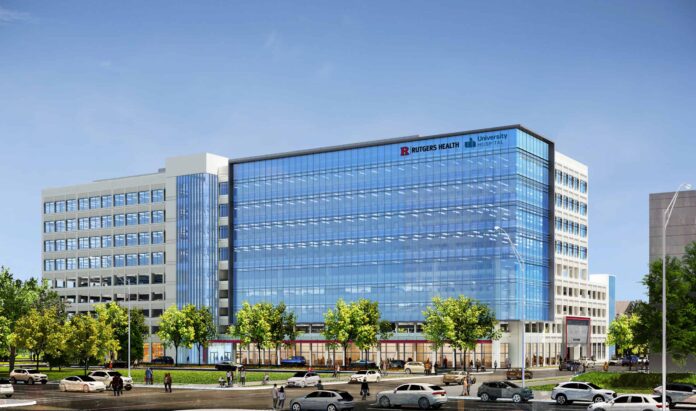

A major investment in Newark’s healthcare landscape is set to expand access, capacity, and long-term community impact as New Jersey Community Capital (NJCC) delivers a $2.3 million construction loan to Newark Community Health Centers (NCHC). The funding will support critical tenant improvements for a new 4,500-square-foot medical facility, positioning NCHC to significantly increase its reach and serve up to 55,000 patients annually across one of the state’s most densely populated and medically underserved regions.
This development reflects a broader movement across New Jersey’s health & wellness sector, where targeted investments are being deployed to close gaps in access, modernize infrastructure, and strengthen the delivery of essential care. In Newark, where demand for affordable and comprehensive healthcare continues to rise, this expansion represents both a strategic response and a long-term commitment to community stability.
Founded in 1986, Newark Community Health Centers has established itself as a cornerstone provider for residents who often face systemic barriers to care. As a Federally Qualified Health Center, NCHC operates with a mission that prioritizes accessibility, affordability, and quality, delivering services that span primary care, dental treatment, and preventive health for patients of all ages. Its existing network of seven medical centers across Newark, East Orange, Irvington, and Orange has created a foundation of trust and reliability within the communities it serves.
The addition of this new facility builds on that foundation, expanding both physical capacity and service delivery. Tenant improvements funded through the NJCC loan will allow NCHC to design and equip the space to meet modern healthcare standards, ensuring that patients receive care in an environment that supports efficiency, privacy, and comprehensive treatment. The increase in patient capacity is particularly significant, as it addresses a growing need for primary care services in areas where healthcare access has historically been limited.
At a structural level, the investment underscores the role of community development financial institutions in shaping healthcare outcomes. NJCC, founded in 1987, operates with a model that integrates financial capital with strategic expertise, directing resources toward projects that generate measurable social and economic impact. By financing healthcare infrastructure, NJCC is not only supporting individual organizations but also contributing to the broader ecosystem that underpins community well-being.
Leadership perspectives reinforce the importance of this approach. Access to healthcare is increasingly recognized as a fundamental driver of economic and social stability, influencing everything from workforce participation to educational outcomes. Investments that expand healthcare access therefore extend beyond clinical impact, shaping the long-term trajectory of communities by improving quality of life and reducing systemic inequities.
For Newark Community Health Centers, the expansion aligns directly with its mission to serve populations that are often overlooked within traditional healthcare systems. By increasing capacity and enhancing facilities, NCHC is better positioned to meet the needs of uninsured and medically underserved residents, ensuring that essential services remain within reach. This includes not only treatment but also preventive care, which plays a critical role in reducing long-term healthcare costs and improving overall population health.
The geographic footprint of NCHC’s operations further amplifies its impact. Serving multiple municipalities within Essex County, the organization functions as a regional provider, addressing disparities across interconnected communities. The new facility in Newark strengthens this network, creating additional access points and reducing barriers related to distance, availability, and scheduling.
From a broader policy perspective, the investment highlights the importance of integrating healthcare expansion with community development strategies. Facilities like the one supported by NJCC are not isolated projects; they are components of a larger framework that includes housing, education, and economic development. By aligning these elements, organizations can create more resilient communities where access to essential services is both consistent and sustainable.
The scale of the project also reflects the increasing complexity of healthcare delivery. Modern facilities must accommodate a wide range of services, technologies, and patient needs, requiring investments that go beyond basic construction. Tenant improvements funded through this loan will ensure that the new space is equipped to deliver high-quality care while maintaining operational efficiency, a balance that is essential for long-term viability.
As the healthcare landscape continues to evolve, partnerships between organizations like NJCC and NCHC will play a critical role in shaping outcomes. These collaborations bring together financial resources, operational expertise, and community insight, creating a model that is both adaptive and impactful. In Newark, this model is already demonstrating its value, with the new facility serving as a tangible example of how targeted investment can drive meaningful change.
The expansion of Newark Community Health Centers is not simply an increase in square footage or patient capacity; it is a reinforcement of a mission that has been in place for decades. It reflects a commitment to ensuring that healthcare is not a privilege but a fundamental resource available to all members of the community.
As construction progresses and the facility moves toward completion, the impact of this investment will become increasingly visible. More patients will gain access to care, more services will be delivered, and the overall health of the community will be strengthened. In a state where healthcare access remains a critical issue, this project stands as a clear example of how strategic investment and mission-driven leadership can come together to create lasting, measurable progress.
















