

As New Jersey continues strengthening its reputation as one of the nation’s most vibrant destinations for independent filmmaking, artistic experimentation, and cinematic discovery, one of the state’s most respected cultural events has once again returned to showcase the next generation of storytellers. The 31st Annual New Jersey International Film Festival is now underway, bringing filmmakers, artists, students, critics, and film enthusiasts together for a celebration of creativity that stretches from May 29 through June 7, 2026.
For more than three decades, the festival has served as an important platform for emerging voices, independent creators, international artists, and experimental filmmakers whose work challenges audiences, expands artistic boundaries, and demonstrates the enduring power of visual storytelling. This year’s edition continues that tradition with a diverse lineup of 36 finalist films representing a wide range of genres, perspectives, cultures, and creative approaches.
Operating in a hybrid format that combines online Video on Demand access with select in-person screenings at Rutgers University’s Voorhees Hall in New Brunswick, the festival reflects both the changing landscape of film exhibition and the enduring value of communal viewing experiences. Audiences can experience groundbreaking cinema from anywhere while still enjoying the unique atmosphere that has made the festival a beloved institution within New Jersey’s arts community.
What makes the New Jersey International Film Festival particularly distinctive is its commitment to showcasing films that often exist outside traditional commercial channels. Rather than focusing on mainstream studio releases, the festival provides a home for innovative projects that might otherwise struggle to find wide audiences. Experimental animation, personal documentaries, international narratives, student productions, independent features, and boundary-pushing short films all share equal footing within the festival’s carefully curated lineup.
The result is a cinematic experience unlike any other in the region.
Each screening becomes an opportunity to encounter new ideas, unexpected perspectives, and fresh artistic voices. Audiences arrive without preconceived expectations and often leave having discovered films, filmmakers, and stories they never would have encountered elsewhere.
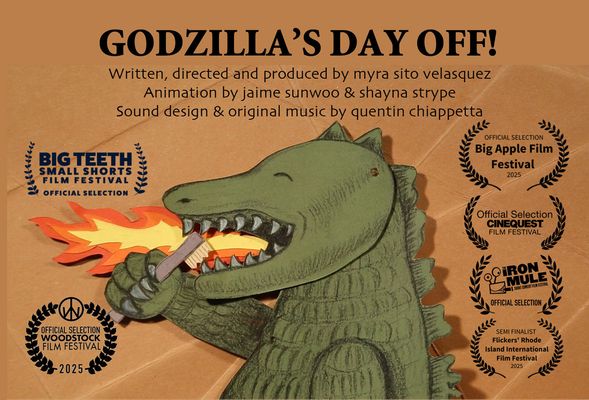
Among this year’s most talked-about entries is the animated short “Godzilla’s Day Off,” a project that has already generated enthusiasm among early festival viewers. Combining nostalgic visual influences with playful storytelling, the film embraces a retro-inspired animation style that demonstrates how contemporary filmmakers continue finding inventive ways to reinterpret familiar cultural icons through fresh artistic lenses.
Its presence within the festival highlights one of the event’s greatest strengths: the ability to celebrate both humor and innovation simultaneously.
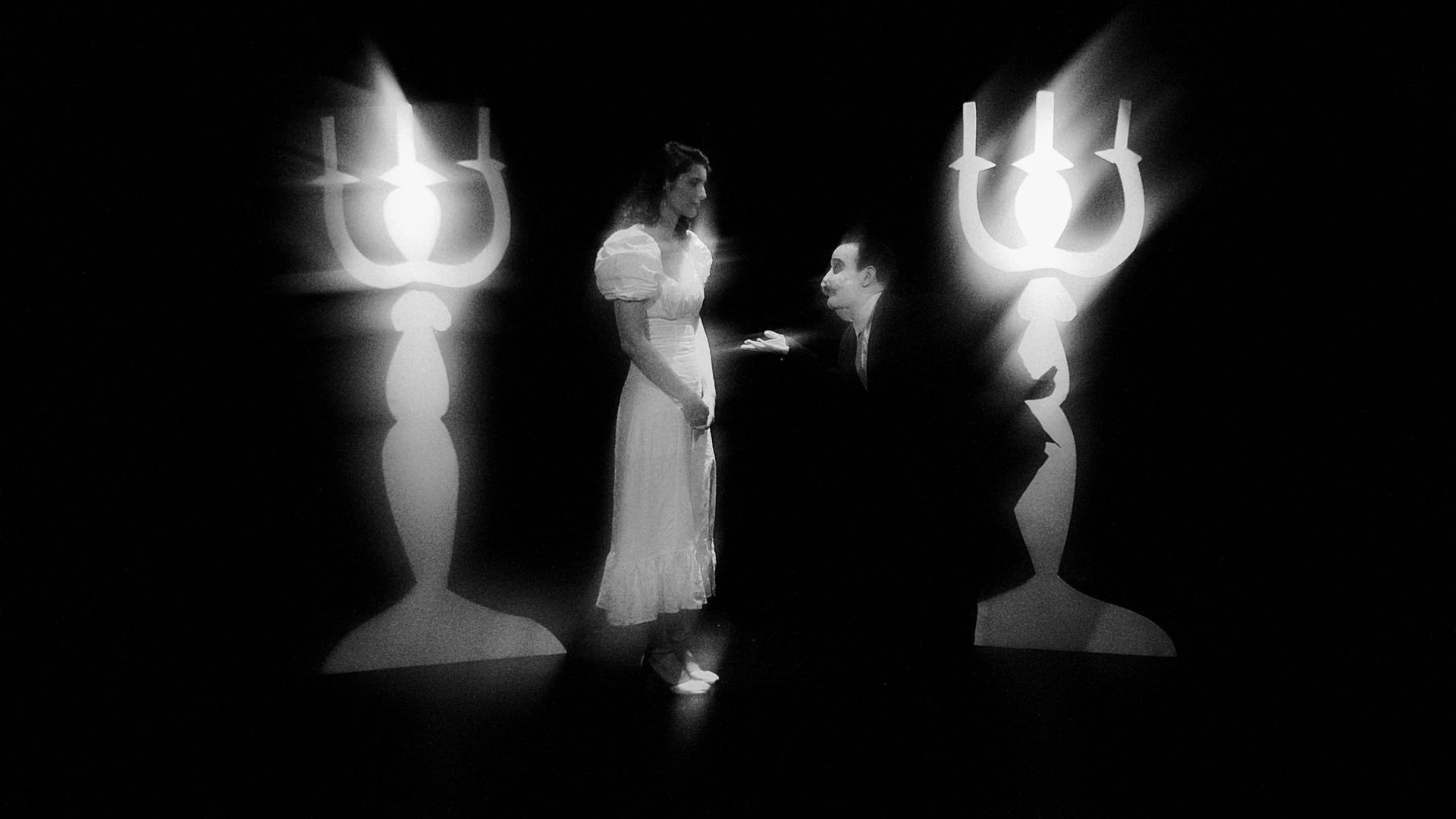
The lineup also includes “Stew to Eat,” an ambitious dark comedy that blends social commentary, emotional complexity, and visual creativity into a uniquely engaging cinematic experience. The film has attracted attention for its expressive storytelling and distinctive artistic voice, illustrating the kind of bold independent filmmaking that has become synonymous with the festival over its three-decade history.
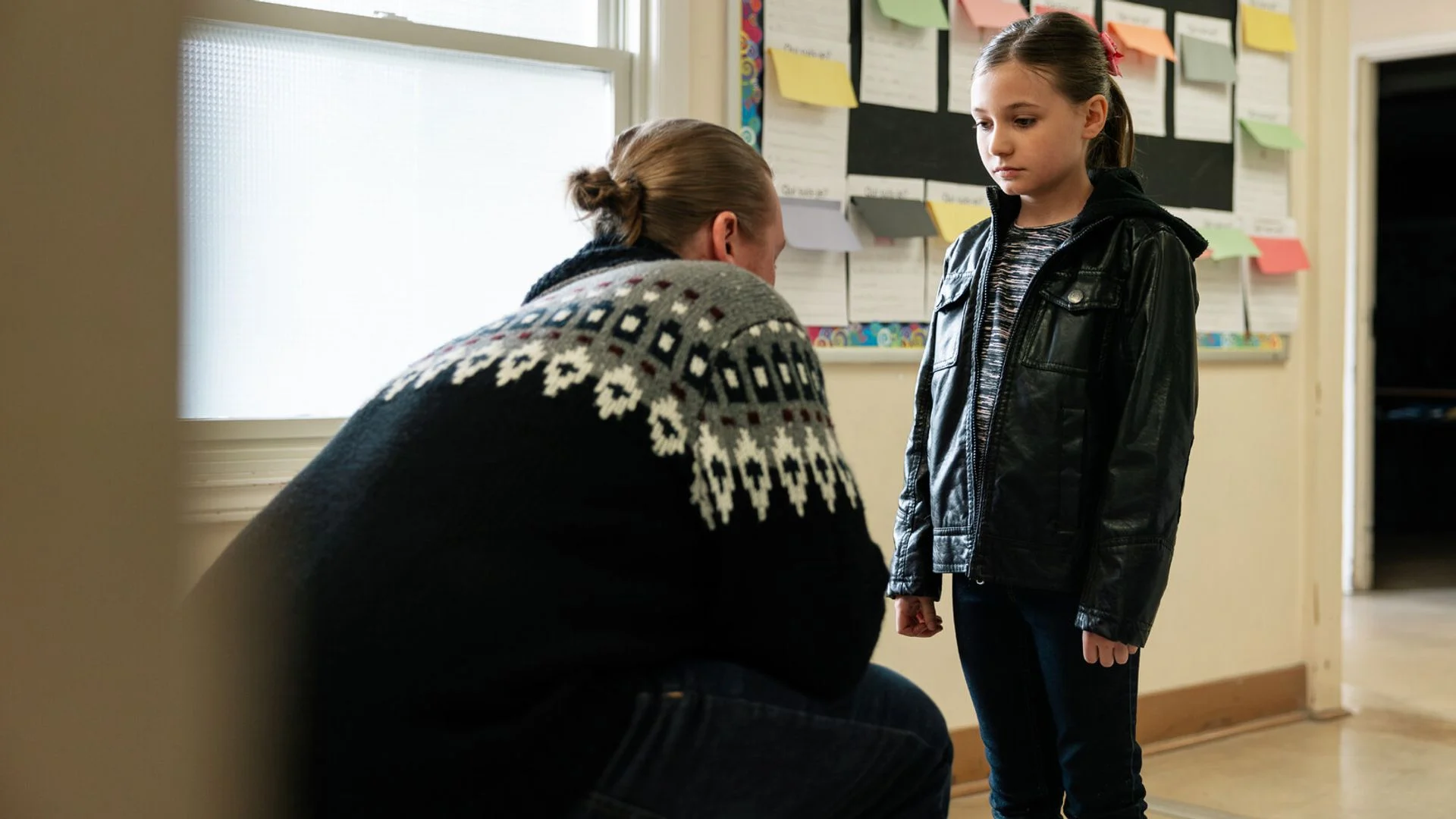
Meanwhile, audiences seeking emotionally driven narrative work have shown significant interest in “What We Dreamed of Then,” another featured project generating anticipation among festival attendees. Like many films in this year’s lineup, it represents the festival’s ongoing commitment to stories that challenge audiences emotionally while encouraging reflection and conversation.
Yet perhaps no film better captures the spirit of independent creativity and human connection than one of the festival’s most compelling short films, “35 Days.”
Screening as part of the festival’s opening weekend programming, the seven-minute experimental short has emerged as one of the most intriguing and emotionally resonant entries in this year’s competition.
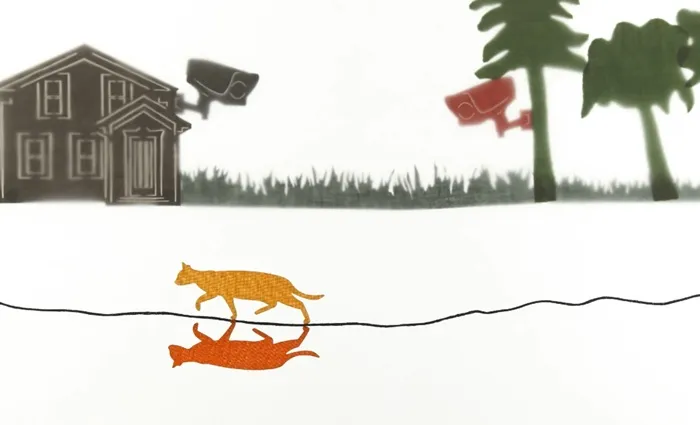
Directed by Heidi Kumao, an artist and professor known for combining innovative visual techniques with deeply personal storytelling, “35 Days” transforms a seemingly simple event into a remarkable meditation on community, persistence, and kindness.
The film tells the true story of Ruben, Kumao’s beloved orange tabby cat, who disappeared for 35 days during the height of the summer 2020 pandemic lockdown in Ann Arbor, Michigan.
What follows is not merely a lost-pet story.
Instead, the film becomes a portrait of a community united by compassion and determination during one of the most isolating periods in recent history.
The search effort was extensive. Flyers appeared throughout neighborhoods. Doors were knocked upon repeatedly. Phone messages poured in from concerned residents. Neighbors reported sightings. Leads were pursued. Hope faded and returned repeatedly.
What might have remained a private family experience instead evolved into a collective act of generosity involving countless individuals willing to devote time and energy toward helping a stranger find a missing companion.
Kumao’s artistic approach elevates the story even further.
Rather than relying on traditional animation techniques, “35 Days” was painstakingly constructed frame by frame using fabric, paper, thread, wool, and handcrafted visual elements. Every movement, every image, and every transition reflects extraordinary attention to detail.
The result is a visual experience that feels both intimate and imaginative.
Adding to the film’s emotional impact is its use of authentic audio recordings gathered during the search effort. Real voice messages left by neighbors become part of the narrative fabric, preserving moments of concern, hope, confusion, and humanity.
Some callers provide detailed reports of possible sightings. Others offer encouragement. Some accidentally create moments of unintended humor. Together, these voices create a portrait of a community coming together during a difficult period.
What emerges is a film that speaks not only about a missing cat but also about the importance of connection during times of uncertainty.
It is precisely the type of project that flourishes within a festival environment.
Independent festivals have always served as incubators for films that challenge conventional definitions of storytelling. They provide opportunities for filmmakers to take risks, experiment with form, and explore subjects that larger commercial productions might overlook.
The New Jersey International Film Festival has built its reputation by embracing those risks.
For thirty-one years, it has consistently highlighted artists willing to push creative boundaries while remaining deeply committed to the craft of storytelling. The festival has become a destination for audiences seeking originality, authenticity, and artistic ambition.
That mission remains particularly important as New Jersey’s film and television industry continues experiencing unprecedented growth.
The Garden State has emerged as one of the nation’s most exciting production hubs. Major studios, streaming services, independent filmmakers, and production companies increasingly view New Jersey as an attractive destination thanks to its diverse locations, talented workforce, supportive infrastructure, and growing creative community.
Large-scale productions may dominate headlines, but festivals like this remind audiences that the future of filmmaking often begins with independent creators working outside traditional systems.
Many of tomorrow’s most influential directors, writers, producers, cinematographers, and animators first gain recognition through festivals exactly like this one.
The New Jersey International Film Festival continues serving as a bridge between emerging talent and future opportunity.
Its educational connections to Rutgers University further reinforce that role by creating an environment where established professionals, aspiring filmmakers, students, and audiences can engage directly with the artistic process.
The festival’s hybrid format also reflects a broader evolution occurring throughout the film industry.
By offering both in-person screenings and online access, organizers have expanded opportunities for participation while preserving the unique energy that comes from experiencing films within a shared audience setting. Viewers can engage with groundbreaking cinema regardless of geographic location while still maintaining a connection to the festival community.
As the festival unfolds over the coming days, audiences will continue discovering films that entertain, challenge, inspire, and provoke discussion.
Some projects will make people laugh. Others will move them emotionally. Some will raise difficult questions. Others will offer unexpected answers.
Together, they represent the extraordinary diversity of contemporary independent filmmaking.
For New Jersey’s creative community, the festival serves as both a celebration and a reminder.
A celebration of artistic achievement, innovation, and storytelling excellence.
A reminder that great cinema does not require massive budgets or blockbuster marketing campaigns. Sometimes the most powerful films emerge from personal experiences, unconventional ideas, and artists willing to take creative risks.
Thirty-one years after its founding, the New Jersey International Film Festival continues proving that independent cinema remains one of the most dynamic and essential forms of artistic expression.
As audiences gather online and in New Brunswick throughout the festival’s run, they are participating in a tradition that has helped shape New Jersey’s cultural landscape for more than three decades. From groundbreaking experimental shorts to emotionally resonant narratives like “35 Days,” this year’s festival once again demonstrates why the Garden State remains an important destination for filmmakers, film lovers, and anyone who believes in the transformative power of storytelling.
The screens may vary. The formats may evolve. The technologies may change.
But the mission remains the same: to discover extraordinary stories and share them with the world.
















