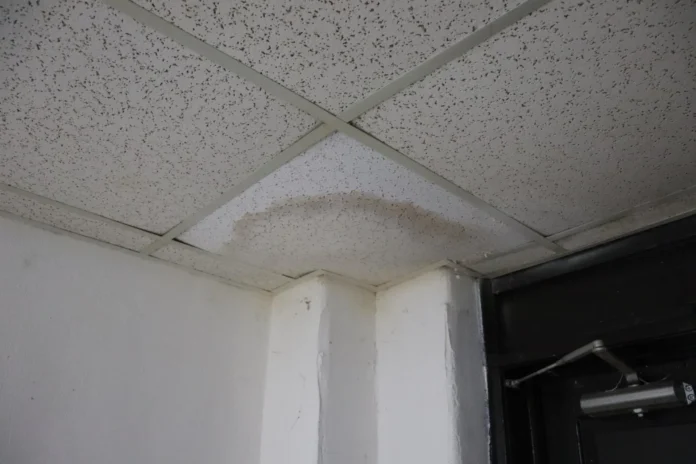

A newly released industry report is putting fresh attention on a problem that quietly affects a genuinely staggering share of American households, mold growth inside the home. According to the report, mold now impacts roughly one in four homes across the country, a statistic that indoor air quality expert Matt Gorbacz has been working to reframe for homeowners as fundamentally a moisture problem rather than a cleanliness issue. That distinction matters enormously, since it shifts the entire conversation away from blame and toward prevention, and it carries particular weight for New Jersey families, whose homes face a distinctive combination of humid summers, coastal moisture, and increasingly tight, energy efficient construction that can trap dampness indoors more easily than older, more naturally ventilated homes ever did.
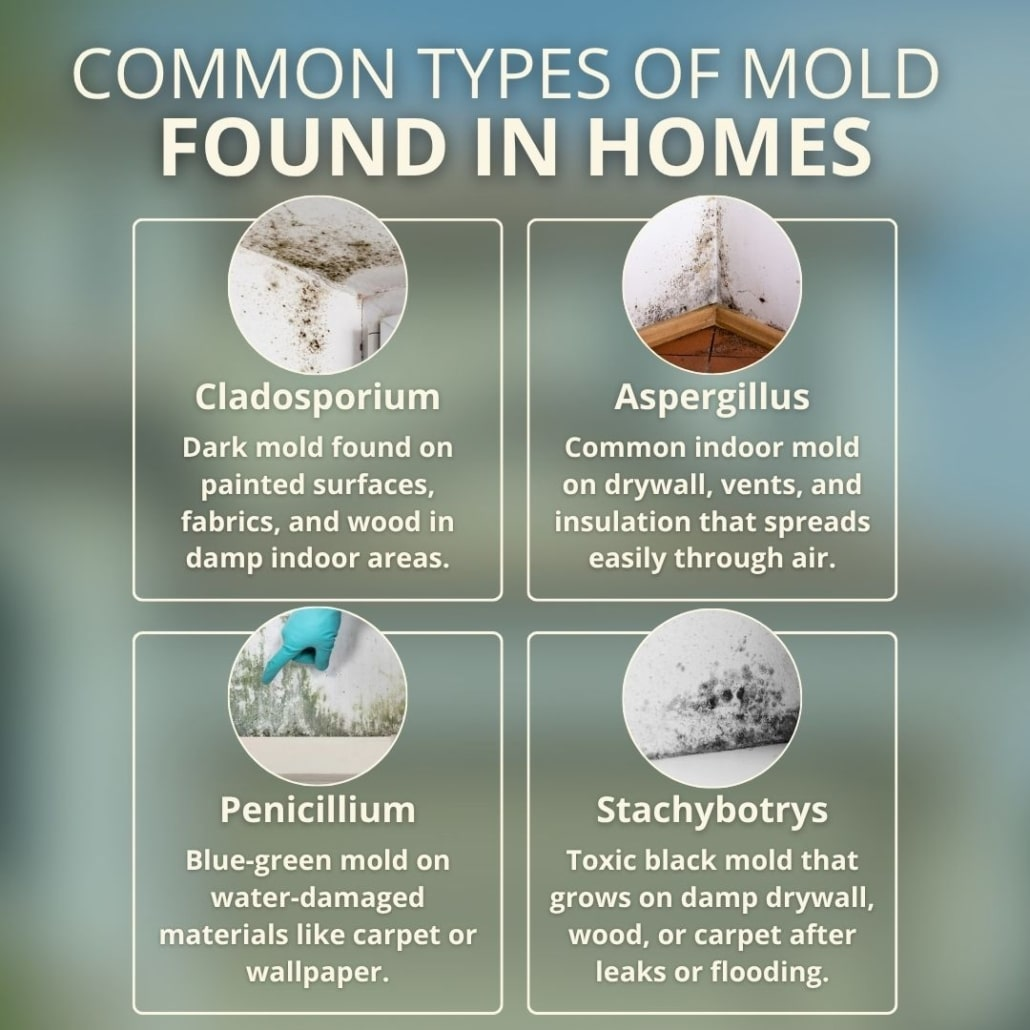
Understanding why mold takes hold in the first place starts with a simple biological reality. Mold is a type of fungus, and like any living organism, it needs specific conditions to survive and spread, namely moisture, oxygen, and a food source such as drywall, wood, or carpet fibers. Once established, it spreads by releasing microscopic spores into the surrounding air, spores that can trigger both genuine health complications and, left unchecked, genuinely expensive structural damage to a home over time.
What makes mold such a persistent, easy to overlook problem is that its spores are essentially everywhere already, floating harmlessly through both outdoor and indoor air at all times. The danger only emerges once those spores land on a wet surface. Mold simply cannot establish itself without moisture present, which means that any active mold problem in a home is really a water problem wearing a different name. Several everyday household conditions tend to create exactly the moisture mold needs to take hold, including high indoor humidity generated by everyday activities like showering, cooking, or air drying laundry indoors, leaky water pipes, roofs, or window seals, flooding or persistently damp basements and crawlspaces, and poor ventilation that traps humid air inside rather than letting it escape.
The consequences of letting that moisture linger extend across two genuinely serious categories. On the health side, breathing in mold spores can trigger allergic reactions, persistent coughing, eye irritation, skin rashes, and in more severe cases, dangerous asthma attacks for individuals with existing respiratory sensitivities. On the property side, mold causes damage that goes well beyond a cosmetic stain, since it actively consumes organic building materials as part of its growth process. Left untreated over time, it can rot wood framing, ruin drywall entirely, and destroy carpeting throughout a home, turning what began as a small, contained moisture issue into a genuinely costly structural repair.
Catching mold early requires relying on more than just a visual scan for dark spots, since mold can present in several different ways depending on the surface and conditions involved. A persistent musty, earthy odor, often compared to old gym socks or a damp basement smell, is frequently the very first sign that mold is growing somewhere out of sight, even before any visible evidence appears. Visually, mold can look fuzzy, slimy, or powdery, and contrary to popular assumption, it isn’t always black. It can just as easily appear white, green, gray, or brown depending on the species and the surface it’s growing on. Physical changes to a home’s surfaces offer another important clue, since bubbling, peeling, or cracking paint and wallpaper often indicates that moisture has become trapped underneath, creating exactly the conditions mold needs even before any growth becomes visible on the surface itself.
Fortunately, protecting a home from mold largely comes down to actively controlling the moisture levels within it, and the report outlines several practical strategies homeowners can put into place immediately. Keeping indoor humidity levels between 30 and 50 percent represents one of the single most effective preventive steps, and homeowners can track this easily using an inexpensive tool called a hygrometer, which displays real time humidity readings. Running exhaust fans consistently also makes a genuine difference, with bathroom fans ideally running throughout a shower and kitchen hood fans running throughout cooking, with both left on for roughly 20 additional minutes afterward to fully clear out lingering humid air. Acting quickly on any water exposure matters enormously as well, since cleaning and fully drying spills, plumbing leaks, or flooded areas within 24 to 48 hours can prevent mold from ever establishing itself in the first place, given that mold generally needs a sustained 48 hour window of constant moisture to begin actively growing. Keeping air circulating throughout the home rounds out the prevention strategy, which can be as simple as pulling furniture slightly away from walls to allow airflow behind it, alongside regularly cleaning air ducts and changing HVAC filters on schedule.
For homeowners looking to take an even more proactive approach, a couple of accessible household tools can make ongoing moisture control considerably easier to manage. A dehumidifier works well for actively pulling excess moisture out of the air in damp basements or naturally humid rooms, and homeowners shopping for one should look for a unit rated appropriately for their specific room’s square footage, ideally with either an auto shutoff feature or a direct drain hose to minimize daily maintenance. A hygrometer serves as the simpler, complementary tool of the pair, offering a real time, visual way to track indoor temperature and humidity levels on an ongoing basis. Most models are digital, genuinely budget friendly, and compact enough to sit unobtrusively on a shelf or countertop while still delivering the kind of consistent monitoring that makes early moisture detection possible.
For New Jersey families specifically, this guidance carries extra relevance given the state’s particular climate and housing stock. Between humid summer months, coastal moisture exposure along the Shore, and the increasingly airtight construction methods used in modern energy efficient homes, New Jersey properties face a genuinely elevated risk of trapped indoor moisture compared to homes built under older, more naturally ventilated construction standards. That combination makes proactive humidity management considerably more important here than it might be in a drier climate, reinforcing why experts like Gorbacz are pushing New Jersey homeowners specifically to treat moisture control as an ongoing, year round priority rather than a problem to address only after visible mold has already appeared.