

- This event has passed.
Vivaldi’s The Four Seasons Twelfth Night Ensemble
Vivaldi’s The Four Seasons Comes Alive in Princeton as Twelfth Night Ensemble Brings Baroque Brilliance to Trinity Church
June 11 @ 7:00 PM – 11:30 PM
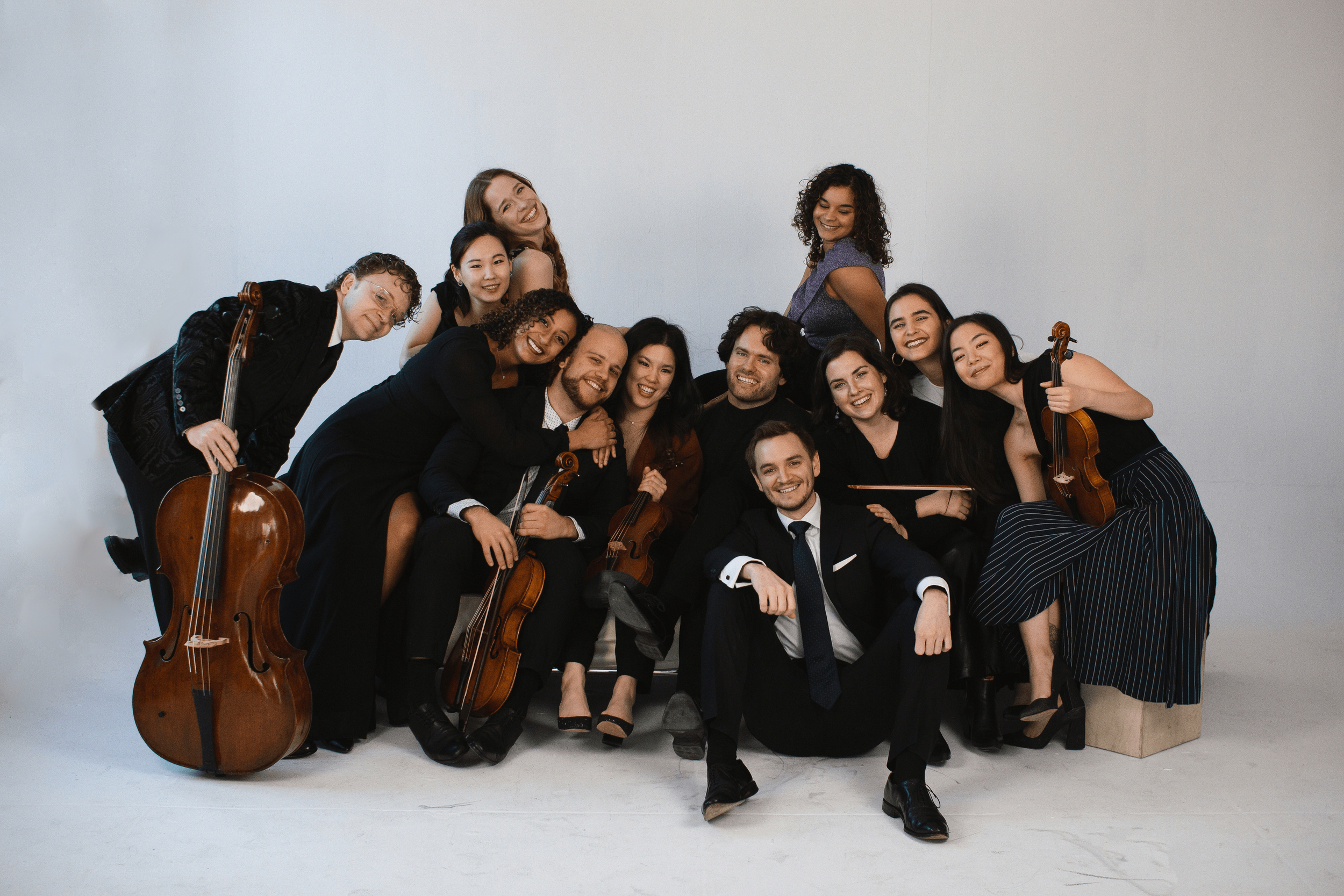
Some compositions transcend the era in which they were written and become part of the cultural fabric itself. They are performed in grand concert halls, featured in films and television, studied by musicians, and instantly recognized by audiences around the world. Yet even the most celebrated works can feel entirely new when interpreted by artists dedicated not simply to preserving history, but to reimagining it. That is precisely what audiences can expect when the acclaimed Twelfth Night Ensemble arrives at Trinity Church in Princeton on June 11 for an evening centered around Antonio Vivaldi’s timeless masterpiece, The Four Seasons.
Presented as part of New Jersey’s vibrant classical music landscape, the performance offers audiences a rare opportunity to experience one of the most beloved works in the classical canon through the lens of historically informed performance. Rather than treating these compositions as museum pieces, Twelfth Night approaches Baroque music as something living, breathing, and remarkably relevant to contemporary audiences.
The concert marks an exciting update to the ensemble’s previously announced program, replacing an earlier performance plan with an evening dedicated to Vivaldi’s revolutionary collection of violin concertos alongside works by fellow Italian composers Francesco Durante and Pietro Locatelli, as well as additional selections from Vivaldi’s extensive catalog. For ticket holders, the transition presents an opportunity to experience one of classical music’s most enduring achievements performed by an ensemble rapidly gaining recognition for its innovative and energetic approach.
For nearly three centuries, The Four Seasons has captivated listeners through its remarkable ability to translate nature into sound. Long before cinematic scores and digital effects existed, Vivaldi crafted musical landscapes that vividly depict thunderstorms, birdsong, rushing streams, harvest celebrations, icy winds, and the changing rhythms of the natural world. Each concerto functions as a musical narrative, inviting audiences to hear the arrival of spring, feel the intensity of summer storms, experience the abundance of autumn, and endure the stark beauty of winter.
What makes the work particularly remarkable is its continued ability to communicate directly with modern listeners. Despite being composed in the early eighteenth century, the music feels strikingly immediate. Vivaldi’s inventive use of rhythm, melody, and instrumental color transformed the violin concerto into a vehicle for storytelling, helping establish a blueprint that would influence generations of composers who followed.
For Twelfth Night Ensemble, however, performing The Four Seasons is about more than presenting a familiar masterpiece. The group’s mission centers on reconnecting audiences with the excitement and spontaneity that originally defined this music. Under the leadership of keyboardist David Belkovski and violinist Rachell Ellen Wong, the ensemble has developed a reputation for performances that combine scholarly rigor with infectious energy, creating experiences that appeal equally to seasoned classical enthusiasts and newcomers alike.
The ensemble’s name draws inspiration from Shakespeare’s Twelfth Night, a play celebrated for its spirit of celebration, transformation, community, and joyful unpredictability. Those same qualities inform the ensemble’s artistic philosophy. Rather than creating distance between performers and audiences, Twelfth Night seeks to foster connection, encouraging listeners to engage with music as a shared experience rather than a formal exercise in appreciation.
That philosophy has resonated strongly with audiences and critics across the country. Praised for their vibrant interpretations and compelling stage presence, the musicians have become recognized as part of a new generation of artists redefining what historical performance can be. Their work demonstrates that authenticity and innovation are not opposing concepts but complementary forces capable of revealing fresh dimensions within familiar works.
The Princeton performance provides an ideal setting for such an experience. Trinity Church has long served as one of the region’s most distinguished venues for classical music, offering an intimate environment where audiences can experience the subtleties and textures of chamber music with remarkable clarity. The church’s acoustics create a setting particularly suited to Baroque repertoire, allowing the intricate interplay between instruments to emerge with exceptional warmth and detail.
In an era dominated by massive productions and amplified performances, there is something profoundly powerful about hearing music in a space designed to enhance its natural resonance. Every phrase, every dynamic shift, and every expressive gesture becomes more immediate. Audiences are not simply observing a performance; they are immersed within it.
The program’s focus on Vivaldi also provides an opportunity to explore the broader richness of Italian Baroque music. While The Four Seasons remains Vivaldi’s most famous work, the surrounding repertoire highlights the remarkable creativity of an era that transformed European music. Composers such as Durante and Locatelli expanded the expressive possibilities of instrumental performance, helping shape musical traditions that continue to influence classical music today.
For audiences attending the concert, the experience extends beyond the performance itself. Following the program, guests are invited to gather in Pierce-Bishop Hall for a community reception featuring homemade sweet and savory refreshments prepared by members of the Princeton Festival Guild. The reception reflects one of the core values shared by both the ensemble and the festival itself: the belief that music serves as a catalyst for connection.
These post-concert gatherings have become cherished traditions within the Princeton arts community, providing audiences with opportunities to continue conversations sparked by the music while celebrating the communal spirit that live performance inspires. In many ways, they reinforce the very principles that guide Twelfth Night’s artistic mission—bringing people together through shared cultural experiences.
The concert also highlights Princeton’s continuing role as one of New Jersey’s premier destinations for arts and culture. The region’s commitment to presenting world-class performances across a diverse range of disciplines has helped establish a thriving cultural ecosystem that attracts audiences from throughout the state and beyond. Events such as this demonstrate how classical music continues to evolve, finding new relevance and new audiences through imaginative programming and exceptional artistry.
At a time when many people seek meaningful experiences that offer reflection, inspiration, and connection, performances like this serve a vital purpose. They remind audiences that great art remains capable of transcending centuries, speaking across generations, and revealing something new with every encounter.
For those who know The Four Seasons intimately, Twelfth Night Ensemble promises fresh insights into a beloved masterpiece. For those discovering the work for the first time, the concert offers an unforgettable introduction to one of the most influential compositions ever written. And for everyone in attendance, it provides an opportunity to witness music not as a relic of the past, but as a vibrant and evolving art form.
When the first notes of Vivaldi’s celebrated opening movement fill Trinity Church on June 11, audiences will be reminded why this music has endured for nearly 300 years. More importantly, they will discover why it continues to inspire artists and listeners today. Through the passion, precision, and creativity of Twelfth Night Ensemble, The Four Seasons will once again reveal its timeless ability to surprise, delight, and move those fortunate enough to experience it live.
Princeton Symphony Orchestra
info@princetonsymphony.org
info@princetonsymphony.org











