

New

Lita in Aberdeen Township Earns National Recognition with $25,000 Innovator Award—Redefining New Jersey Dining Through Equity, Sustainability, and Iberian Excellence
In a state defined by its deep culinary roots and ever-evolving dining scene, one restaurant in Monmouth County has now firmly established itself at the forefront of what the future of hospitality can look like. Lita, the modern Iberian destination in Aberdeen Township from Chef David Viana and restaurateur Neilly Robinson, has been awarded $25,000 through the inaugural Independent Restaurant Coalition and Chase Innovator Awards, a national recognition that goes far beyond the plate. This honor reflects a broader shift in how restaurants operate, lead teams, and engage with their communities. As the only New Jersey restaurant selected among 40 recipients nationwide, Lita is not just representing the Garden State—it is helping define the next era of American dining.
The recognition is rooted in more than culinary execution. It acknowledges a business model that challenges longstanding industry norms while maintaining a high level of hospitality and consistency. At Lita, every member of the team is cross-trained to work both front-of-house and back-of-house roles, rotating positions on a weekly basis. Compensation is structured with equity in mind, with all non-management employees receiving the same base pay and participating in pooled tips. The result is a workplace culture that removes traditional hierarchies and fosters a deeper, shared understanding of service, preparation, and guest experience. The grant funding will be used to further develop training systems and documentation that support and scale this model—positioning Lita not just as a restaurant, but as a case study in operational innovation.
This forward-thinking structure is grounded in something deeply personal. Lita is named after Chef Viana’s mother, Rosa Lita, and serves as a living tribute to his family’s journey from Portugal to Newark in the 1970s. Raised in a vibrant Portuguese-American community once widely known as “Little Lisboa,” Viana grew up immersed in a culture where food was central to identity, connection, and tradition. Much of that influence came from his grandmother, Isaura, whose cooking left a lasting imprint. Afternoons spent learning recipes and techniques—preparing dishes like feijoada, rissóis de camarão, and fideo—became the foundation of a culinary perspective that now defines Lita’s menu.
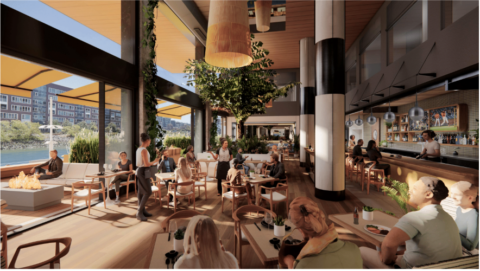
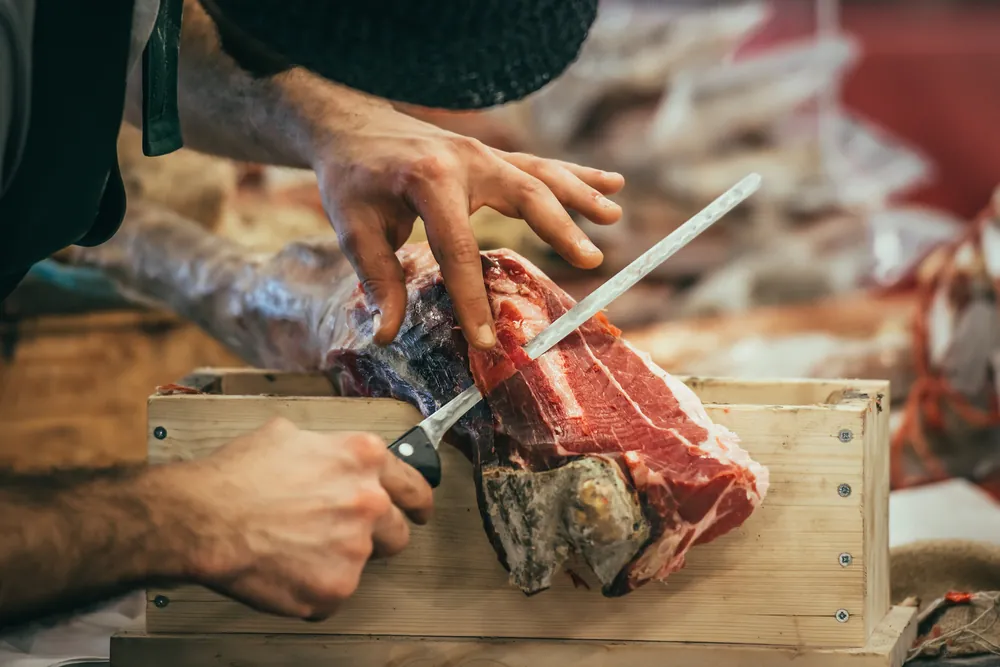
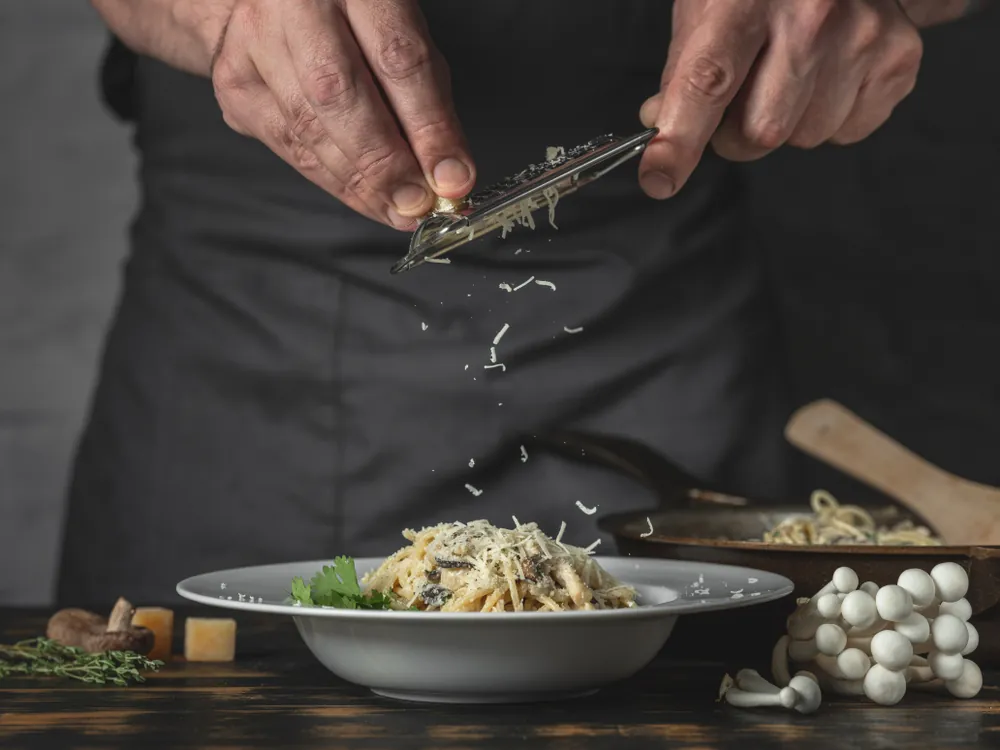
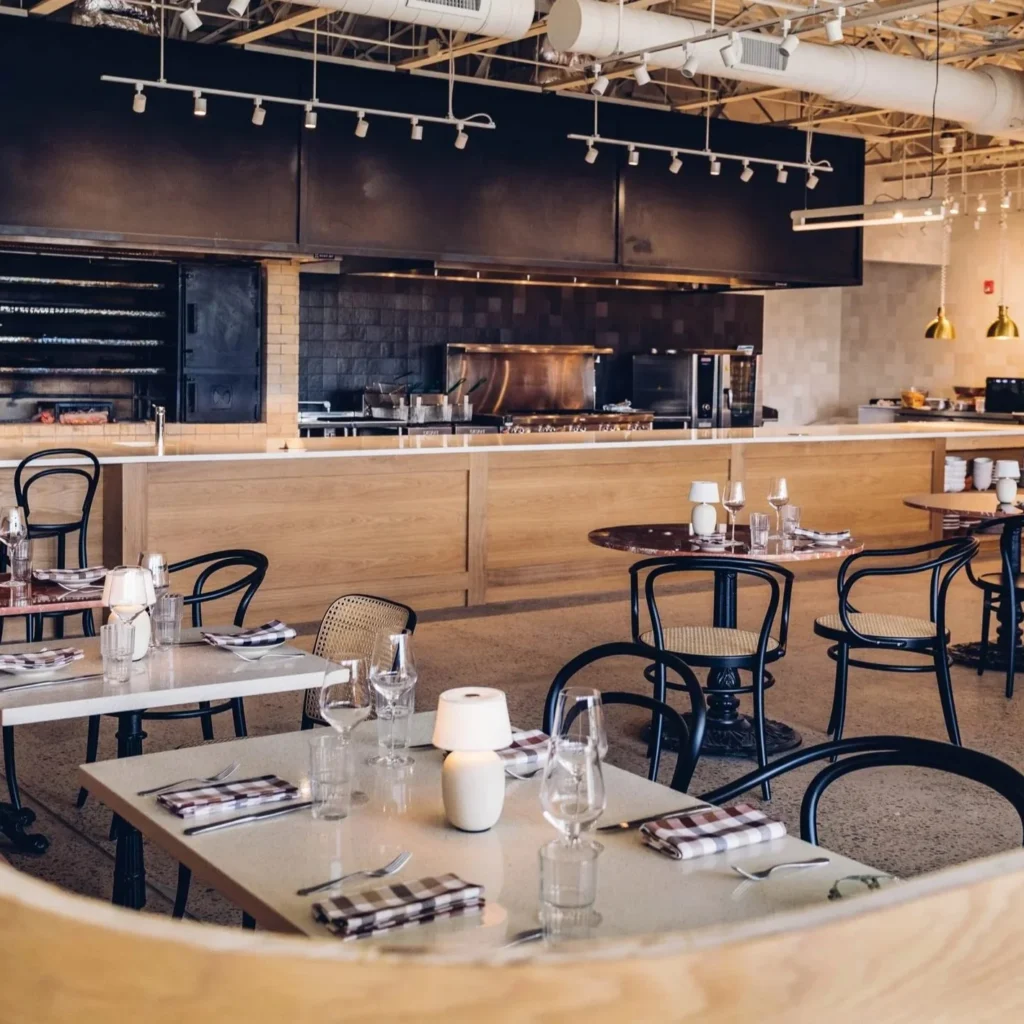
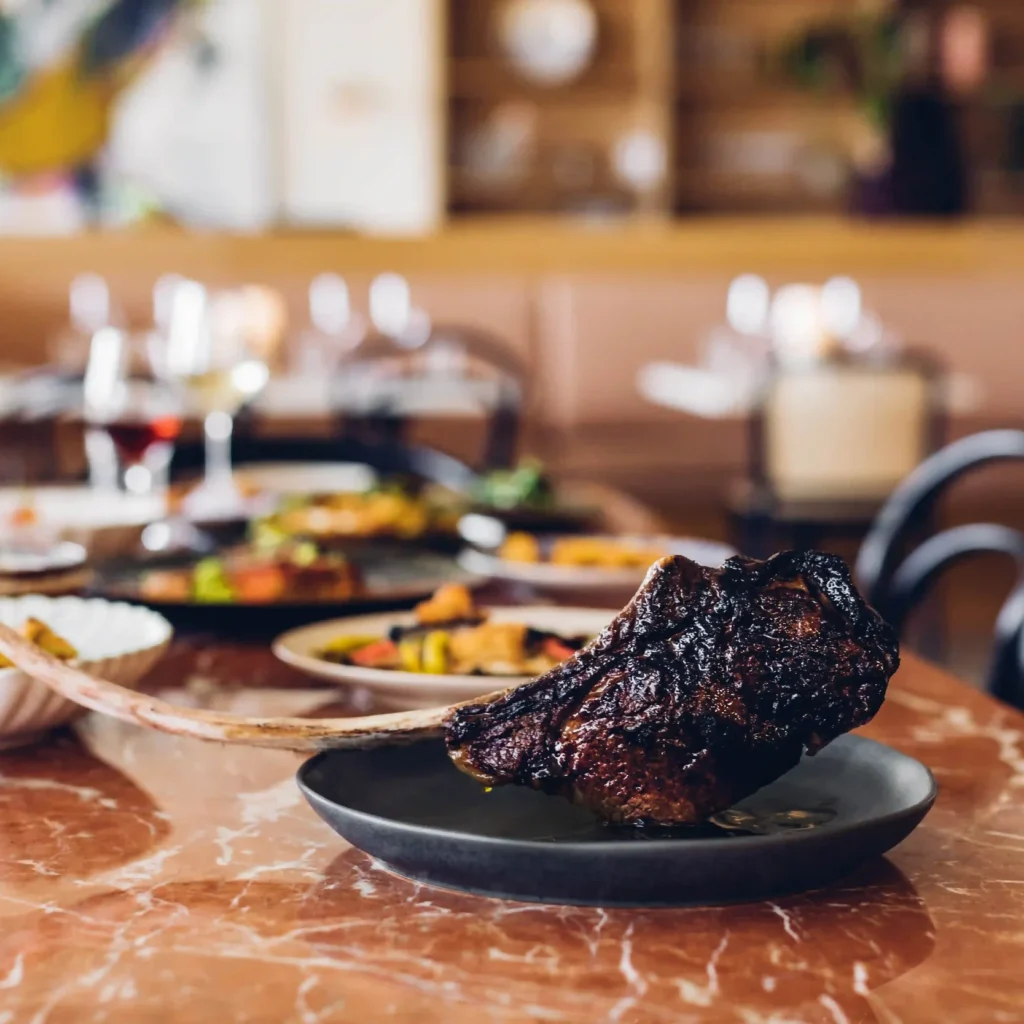
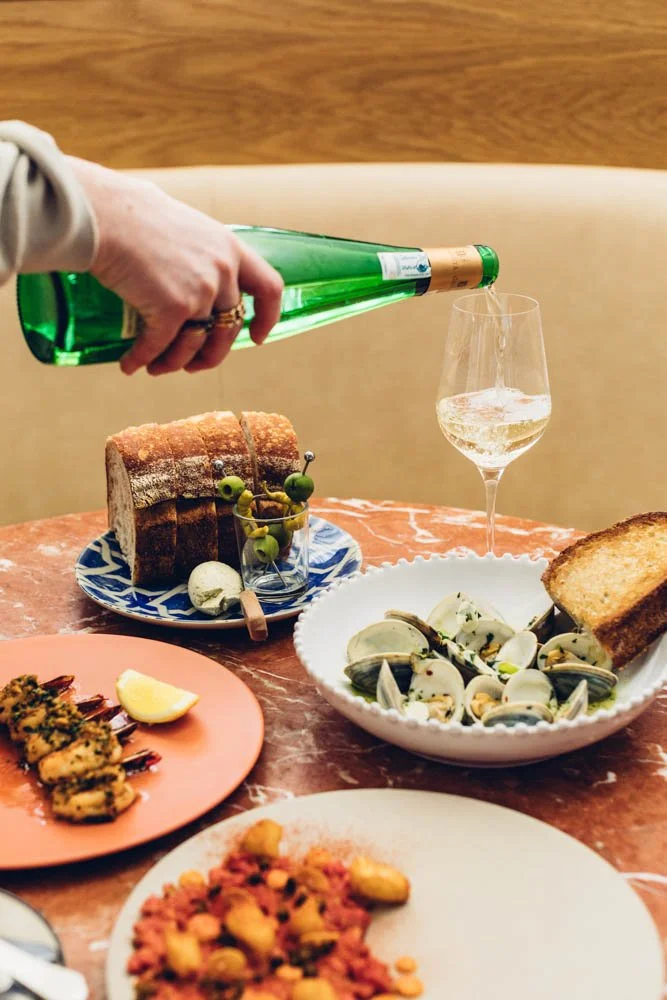
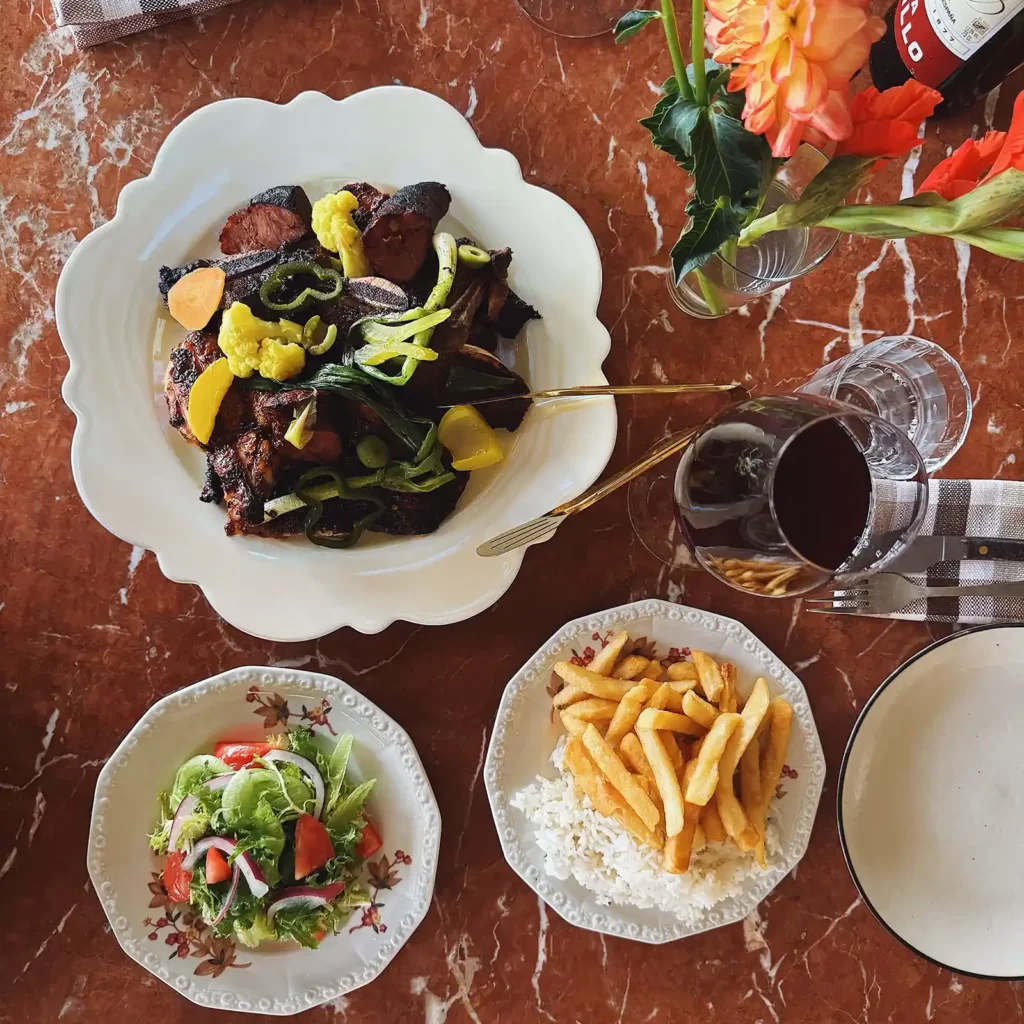
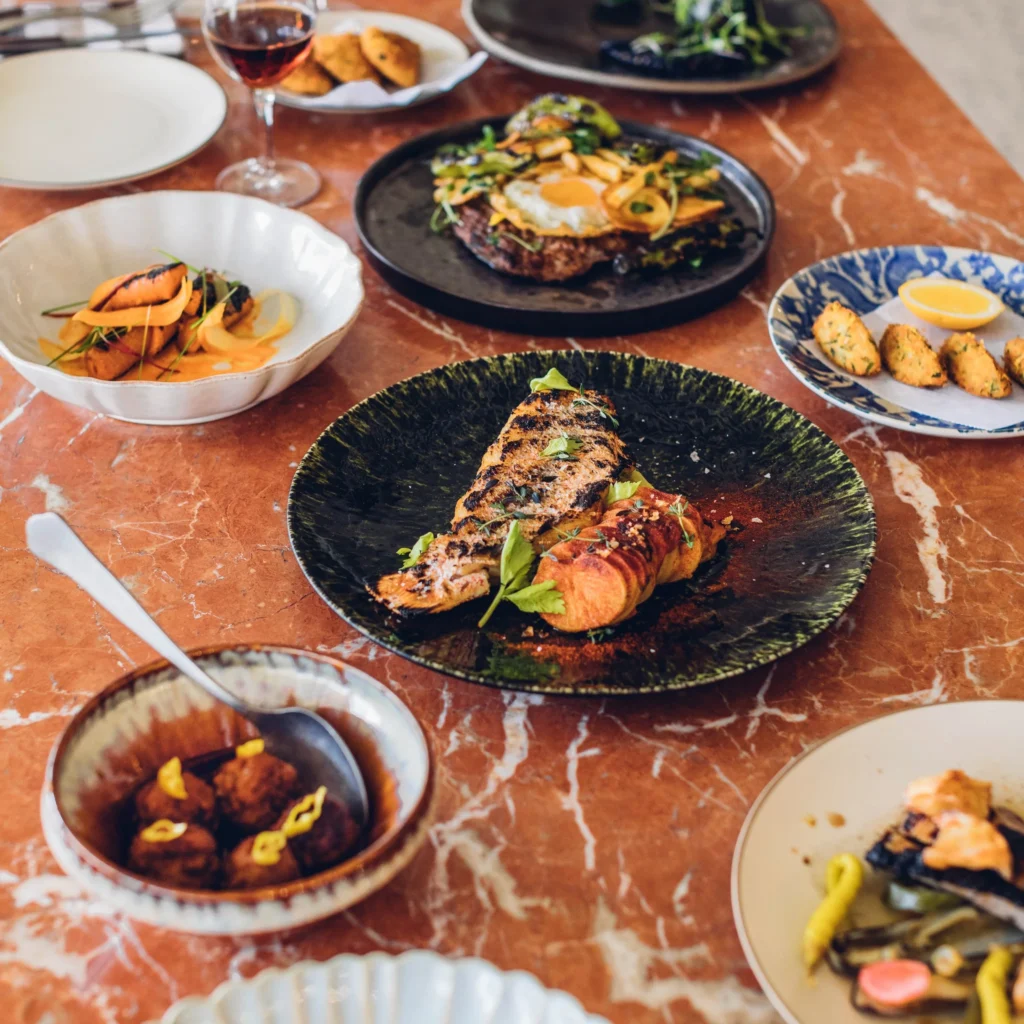
What sets Lita apart is how it translates that heritage into a modern dining experience. The restaurant is anchored by a striking open-fire hearth oven positioned at the center of the dining room, an intentional design choice that reinforces both transparency and craftsmanship. Nearly every dish is touched by fire, lending a depth of flavor and texture that elevates traditional Iberian cooking into something distinctly contemporary. Guests begin with a selection of shareable small plates that reflect the spirit of Spanish and Portuguese tapas—thoughtfully composed bites that invite exploration and conversation. From there, the menu expands into a range of charred vegetables, slow-cooked stews, pristine seafood, and bold meat dishes, including staples like Frango Assado and Pica Pau, each executed with precision and restraint.
Among the standout offerings are Lita’s signature paellas, prepared in the hearth oven to achieve the coveted socarrat—a perfectly crisp, caramelized layer of rice that defines the dish at its highest level. It is this attention to detail, combined with a respect for tradition and a willingness to reinterpret it, that has made Lita one of the most compelling dining destinations in the region.
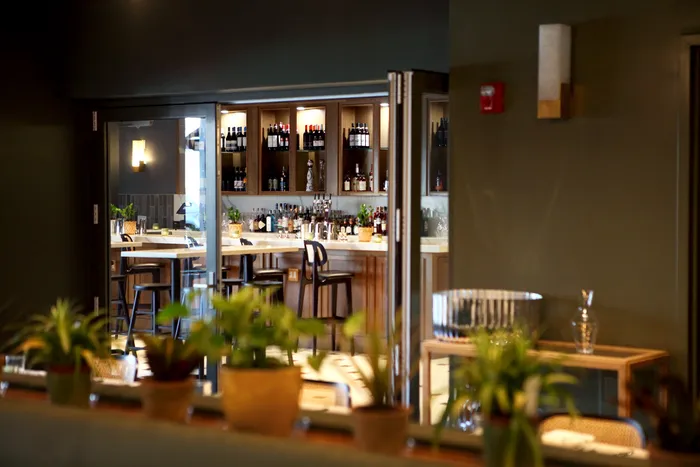
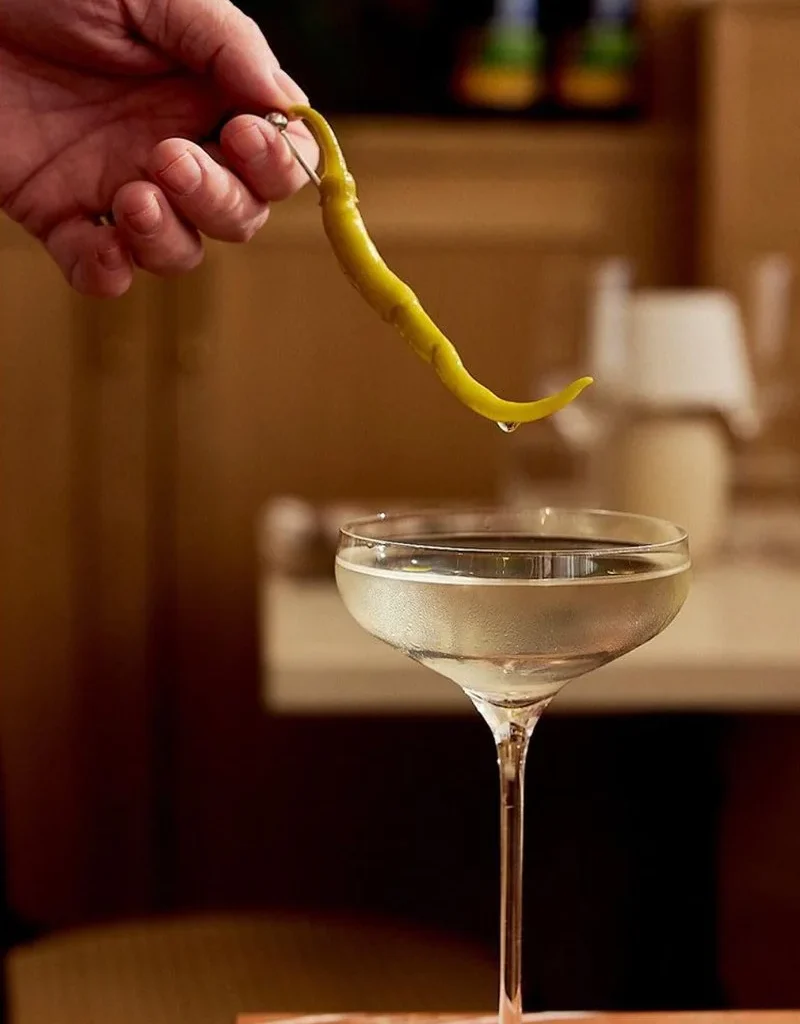
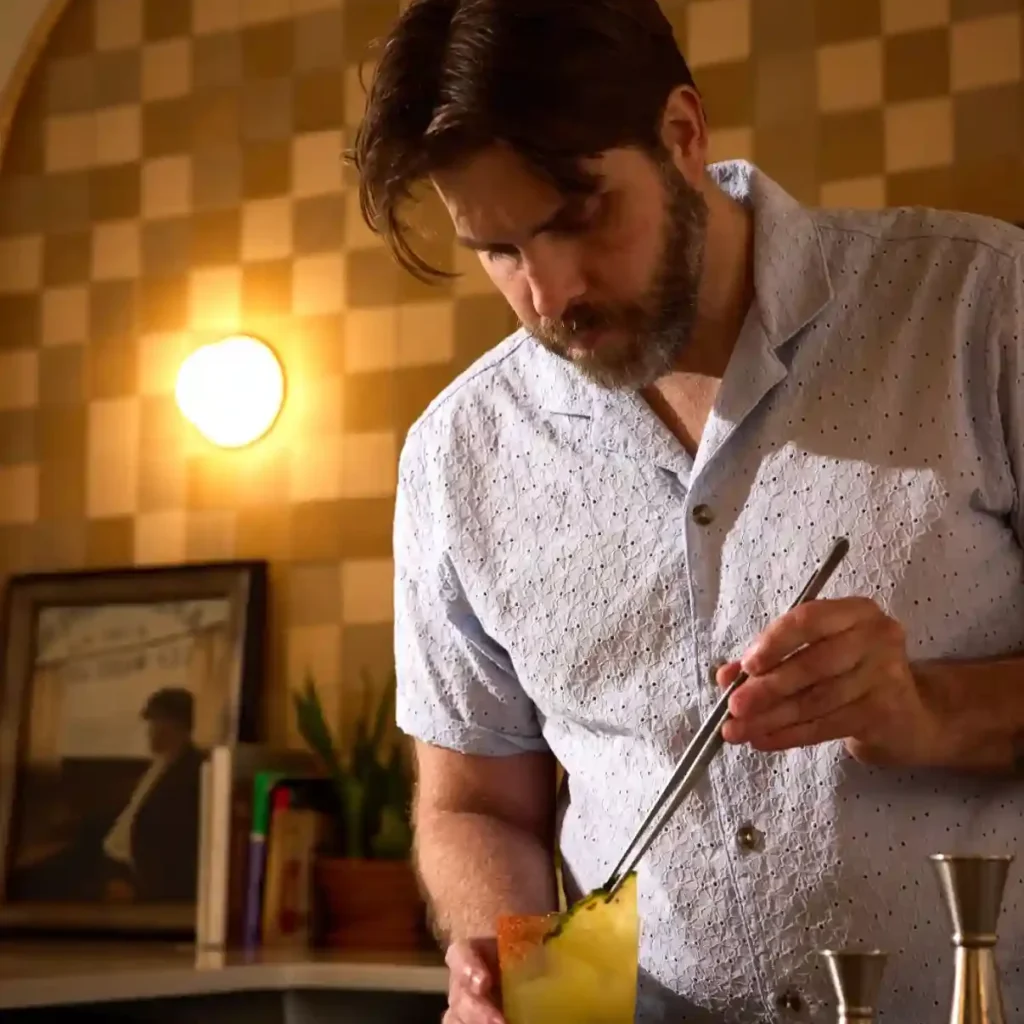
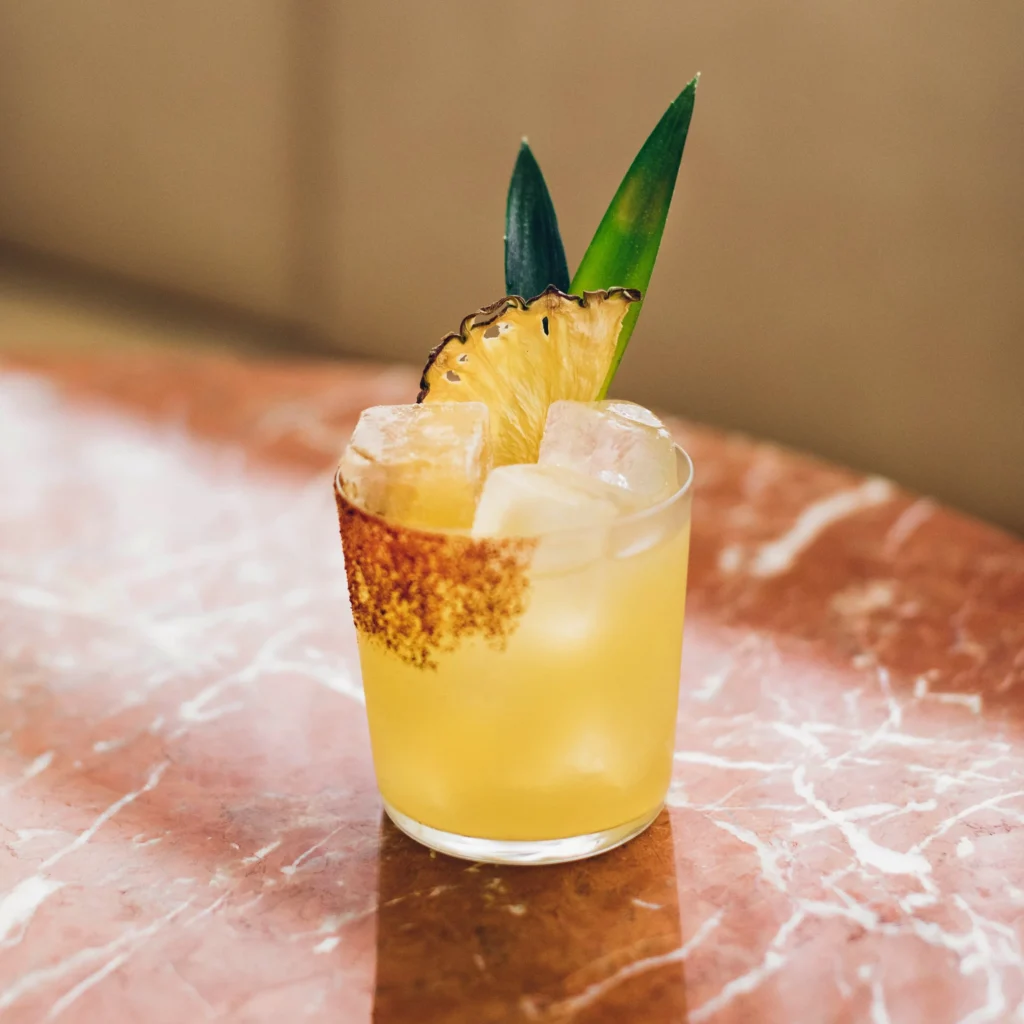
The beverage program reinforces that same philosophy. The wine list is exclusively focused on Iberian producers, showcasing a curated range of selections from Spain, Portugal, and surrounding islands. It is both educational and accessible, offering guests a deeper connection to the regions that inspire the cuisine. The cocktail program, developed by Bar Manager Ricardo Rodriguez, builds on Iberian foundations while incorporating global influences. Structured into distinct categories—including Highballs, Classico, Casiero, and Martinis—the menu reflects both technical precision and creative range. Signature cocktails like the Tinto de Verano reinterpret classic Spanish refreshers, while more refined offerings such as the Spanish Martini bring a nuanced, modern edge to familiar formats.
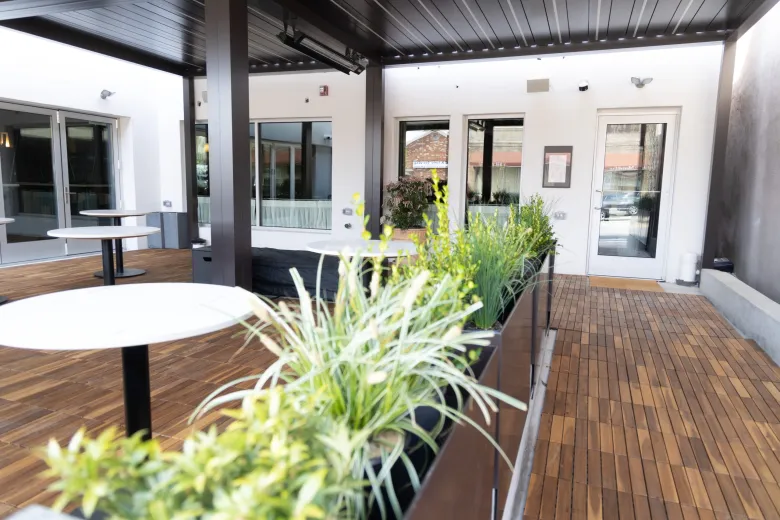
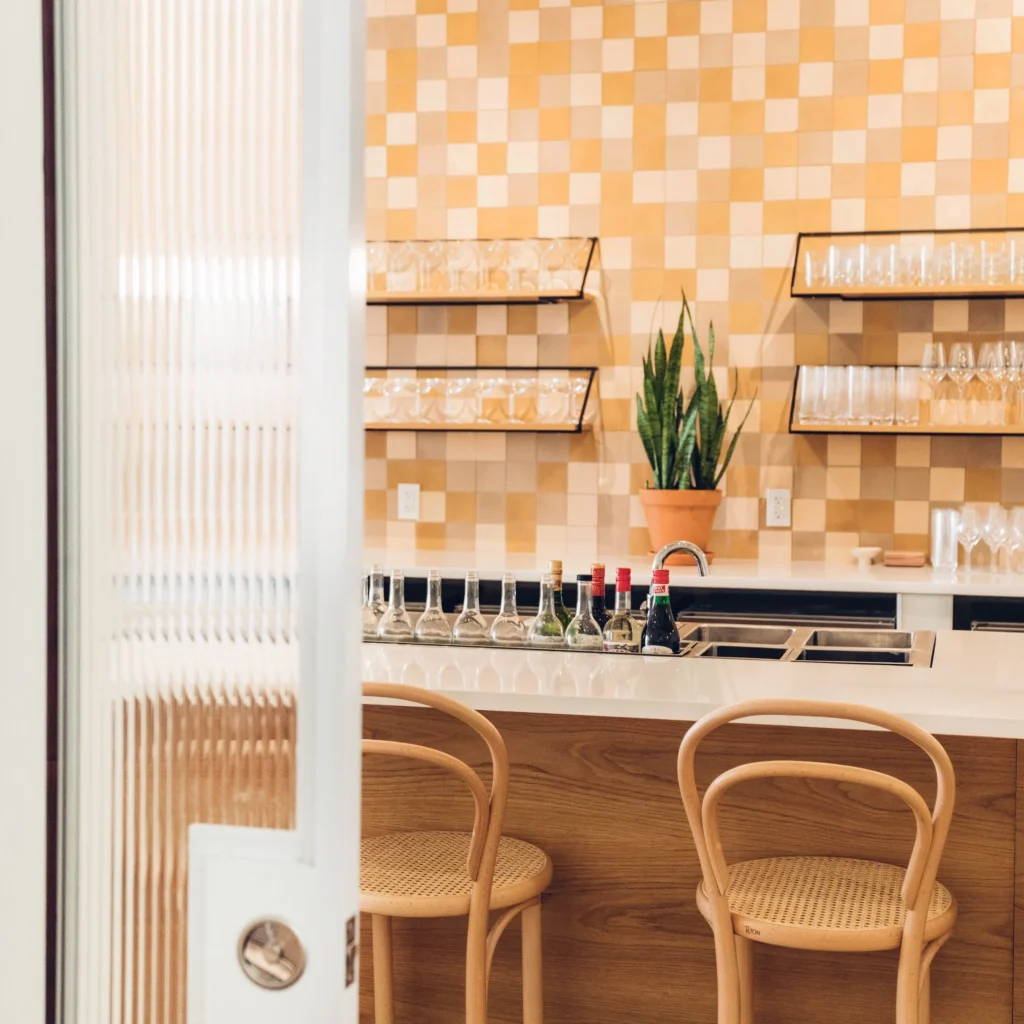
Adjacent to the main dining room, La Otra extends the Lita experience into a more intimate setting. This neighboring cocktail bar offers a distinct identity, with a broader, globally inspired drink menu that diverges from the Iberian focus of the restaurant. It functions as both a pre-dinner destination and a standalone venue, creating an additional layer of engagement for guests. Beyond service, La Otra also hosts cocktail and wine classes led by Rodriguez and wine director Nicole Castro Garro, reinforcing Lita’s role as not just a restaurant, but a hub for education and community interaction.
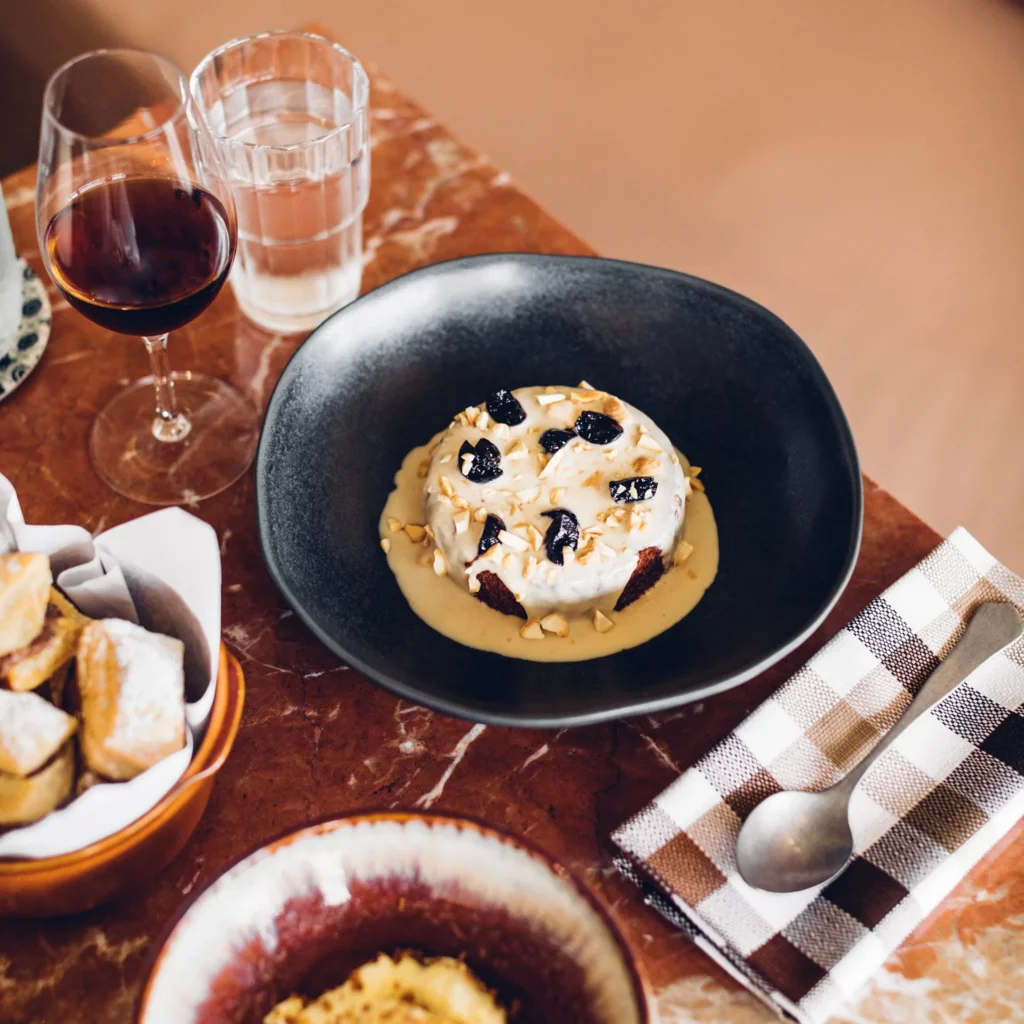
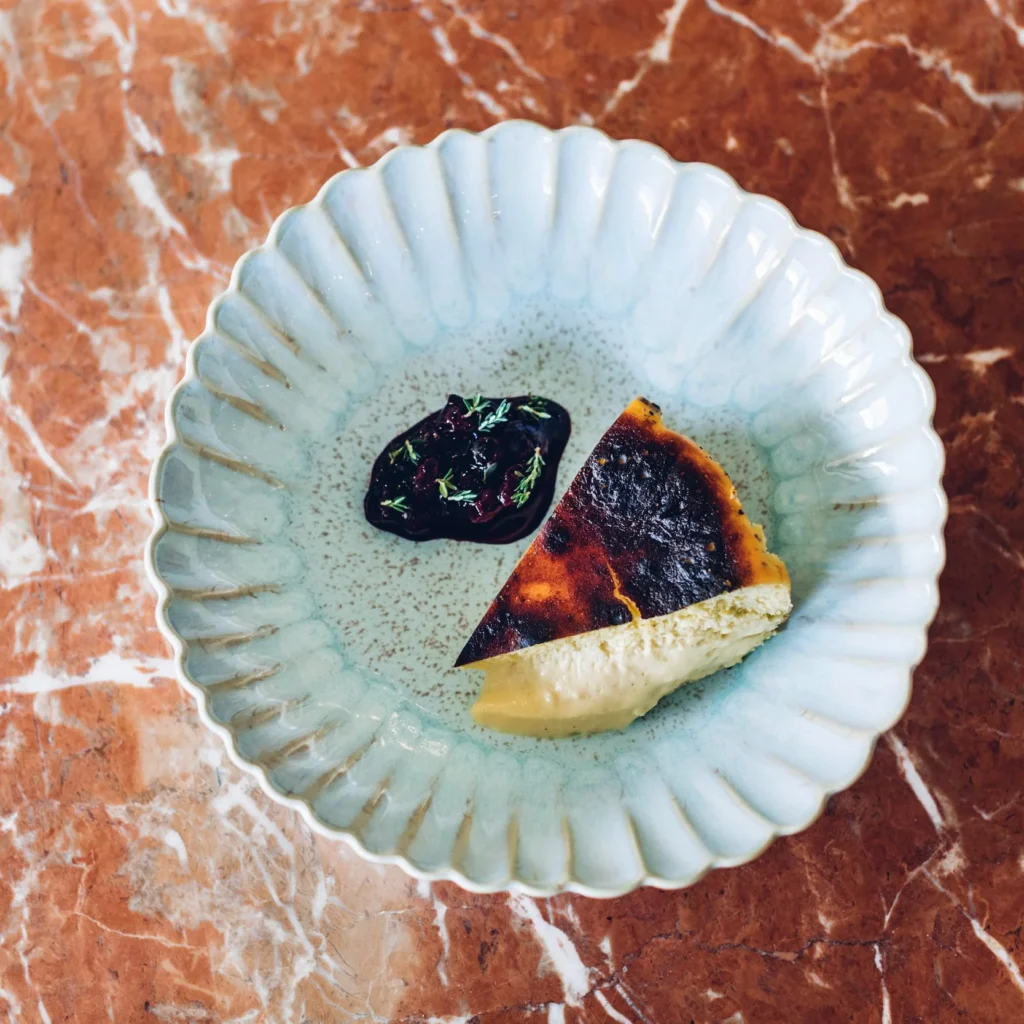
Dessert at Lita is intentionally concise, emphasizing execution over excess. Classic Iberian sweets like pastel de nata and crema catalana are presented with precision, offering a familiar sense of comfort elevated through technique. The highlight, however, is the baked Madeira for two—a dramatic, indulgent dish finished tableside with a flambé presentation that captures both the theatrical and communal aspects of dining.
As New Jersey continues to establish itself as a serious culinary destination, restaurants like Lita are leading that transformation by pushing beyond expectations. The state’s dining scene is no longer defined solely by tradition—it is increasingly shaped by innovation, storytelling, and a commitment to better practices across the board. For readers tracking the evolution of food and hospitality across the region, the restaurants section remains a critical resource for discovering the concepts and chefs driving that momentum.
Lita’s national recognition is not simply a milestone; it is a signal. It reflects a growing demand for restaurants that operate with intention, that value their teams as much as their guests, and that understand food as both craft and culture. In Aberdeen Township, that vision is already fully realized—and now, it is being recognized on a national stage.








Your source for everything happening in the Garden State. Enjoy live music year-round, skiing, hiking, beaches, rivers, and mountains. Explore New Jersey’s wine scene by visiting top wineries and vineyards offering award-winning wines. Check out reviews and photos of the best places to sip and sample. Love beer? Discover New Jersey’s breweries — currently home to 123 licensed breweries — and explore the highest-rated beers brewed in the state.
© 2026 Explore New Jersey, a Sunset Entertainment & Media Company | 1928 The Woods II - Cherry Hill, New Jersey 08003. All Rights Reserved.