
Alba Vineyard & Winery Continues to Define the Gold Standard of New Jersey Wine Country. Long before New Jersey’s modern wine renaissance became fashionable, before vineyard concerts became weekend social staples, before wine tourism emerged as a major economic driver across the Garden State, and before national competitions began taking New Jersey vintages seriously, Alba Vineyard & Winery was already laying the foundation for what the state’s wine industry could eventually become.
Situated along the northern slopes of the Musconetcong River Valley in the historic village of Finesville, Alba Vineyard & Winery stands today not merely as one of New Jersey’s most respected wineries, but as one of the defining agricultural and cultural institutions in the entire Northeast wine landscape. Located at 269 County Road 627 near Milford, the property represents a rare combination of geological precision, long-term agricultural vision, sustainable vineyard management, and destination hospitality that has helped elevate New Jersey wine from regional curiosity into legitimate national conversation.
To understand Alba properly, however, requires understanding that this is not simply another scenic winery offering weekend tastings and outdoor music. Alba is fundamentally a vineyard-first operation built around terroir, soil science, cool-climate viticulture, and the pursuit of estate-grown excellence in a region many once underestimated.
That commitment begins beneath the surface itself.
When the vineyard site was originally selected in the late 1970s, the decision was driven heavily by geology. The property’s rare glacial limestone soils immediately distinguished it from much of the surrounding region. Those alkaline soil conditions closely resemble some of the most respected wine-producing areas in Europe, particularly regions known for producing elegant cool-climate varietals with minerality, structure, and balance.
For serious viticulturists, soil is not background scenery. It is identity. It shapes acidity, drainage, vine stress, mineral expression, ripening cycles, and ultimately the character of the wine itself. Alba’s founders recognized early that the Musconetcong River Valley possessed a unique agricultural foundation capable of producing wines far beyond what many consumers historically associated with East Coast vineyards.
Over time, that belief proved remarkably accurate.
Alba officially opened in 1982, placing it among the earliest wineries to emerge following the passage of New Jersey’s landmark Farm Winery Act. That legislation fundamentally reshaped the state’s agricultural future by creating legal and economic pathways for small wineries to develop throughout New Jersey. While many early ventures struggled to survive, Alba steadily built a reputation centered around estate-grown quality, long-term vineyard investment, and disciplined winemaking.
The winery’s influence became even more significant in 1988 when the surrounding region centered around Alba was formally designated as the Warren Hills AVA, or American Viticultural Area. Today, the Warren Hills AVA is widely regarded as the premier wine-growing designation in New Jersey and one of the most promising cool-climate growing regions on the East Coast.
That designation was not accidental.
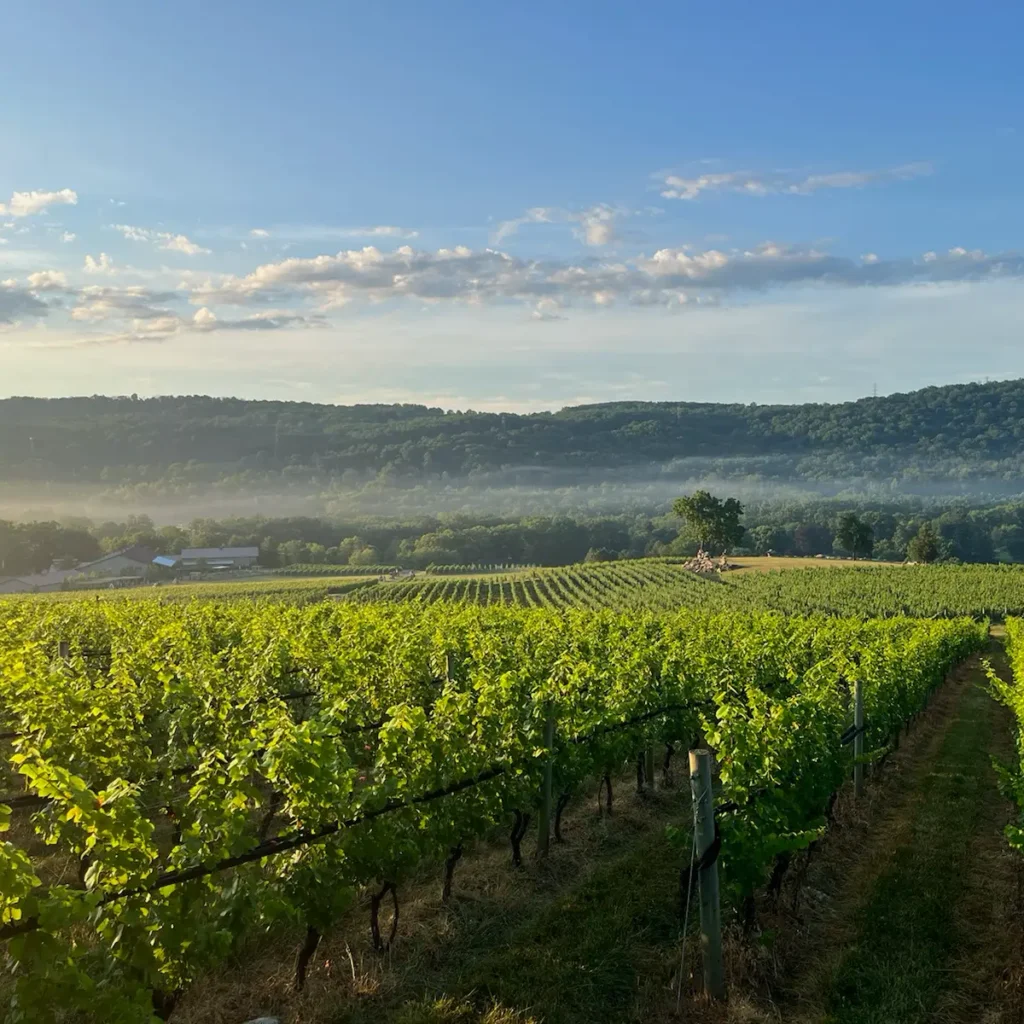
The combination of rolling elevations, limestone-rich soils, river valley airflow, and cooler northern New Jersey temperatures creates a microclimate particularly suited for premium vinifera grapes. While many wineries across the country chase volume production, Alba has consistently focused on varietals capable of expressing elegance, structure, acidity, and age-worthy complexity.
Its flagship wines continue to reflect that philosophy.
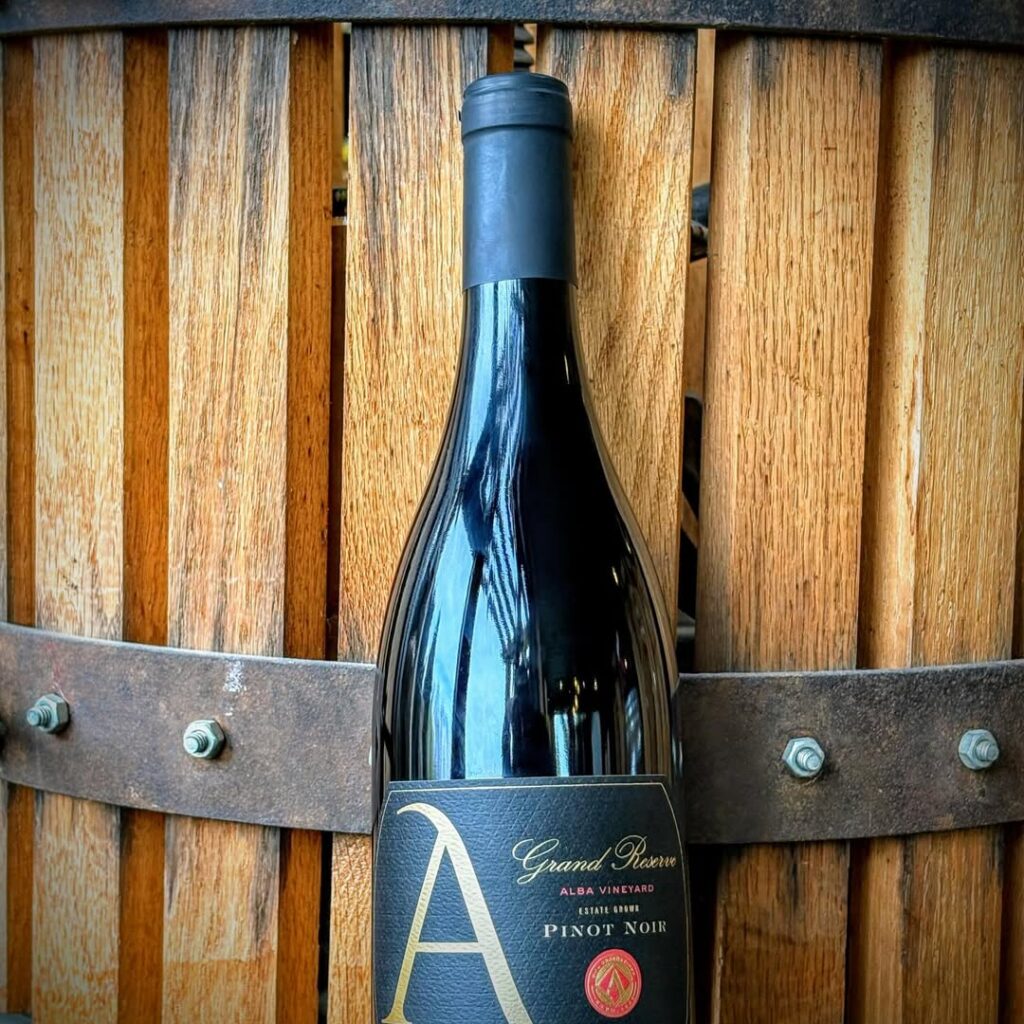
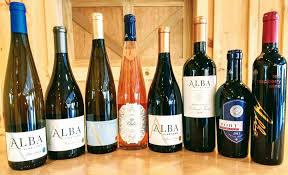
The vineyard is especially celebrated for estate-grown Pinot Noir, Dijon Clone Chardonnay, and Riesling, varietals that thrive under cool-climate conditions where slower ripening allows nuanced flavor development and refined acidity to emerge naturally. These wines increasingly attract serious wine enthusiasts who recognize that balanced cool-climate wines often offer sophistication that hotter growing regions can struggle to replicate.
Beyond those signature grapes, Alba also cultivates Cabernet Franc, Pinot Gris, Gewürztraminer, and Chambourcin, allowing the winery to produce a portfolio that balances European-style discipline with broader accessibility for casual visitors and emerging wine consumers.
Yet what makes Alba particularly compelling is how deeply its agricultural identity remains connected to sustainability and stewardship rather than simple production output.
The Sharko family, which purchased the property in 1997 after the original operation faced bankruptcy, helped guide Alba into its modern era through hands-on management and long-term investment in sustainable vineyard practices. Tom Sharko, originally a local cabinet maker, approached the property with an understanding that successful wineries are built over decades rather than seasons.
Today, the second generation of family management continues emphasizing sustainable farming methods that reinforce the vineyard’s long-term health rather than exhausting it for short-term yield.
One of the clearest examples is Alba’s nutrient recycling system. After grape crushes, leftover organic materials including skins, seeds, and stems are composted into custom fertilizer that is returned directly back into the vineyard soils. The practice creates a closed-loop agricultural cycle that strengthens soil health while minimizing unnecessary waste and chemical dependency.
That philosophy increasingly resonates with modern consumers seeking authenticity, sustainability, and agricultural transparency within the food and beverage experiences they support.
At the same time, Alba has successfully evolved into one of New Jersey’s premier wine tourism destinations without sacrificing its agricultural seriousness.
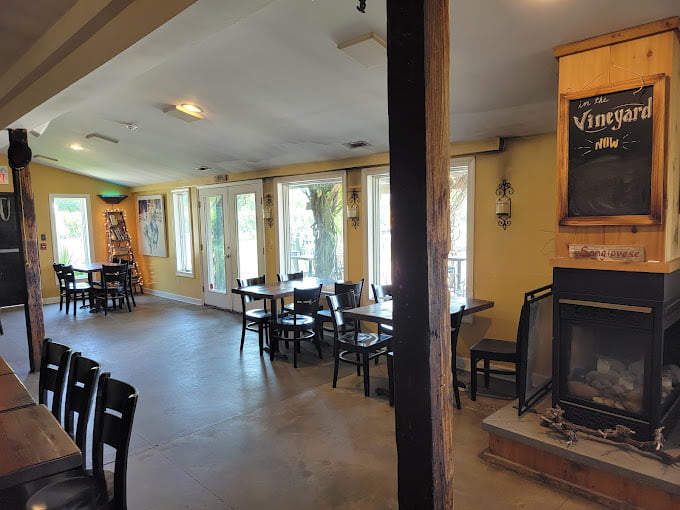
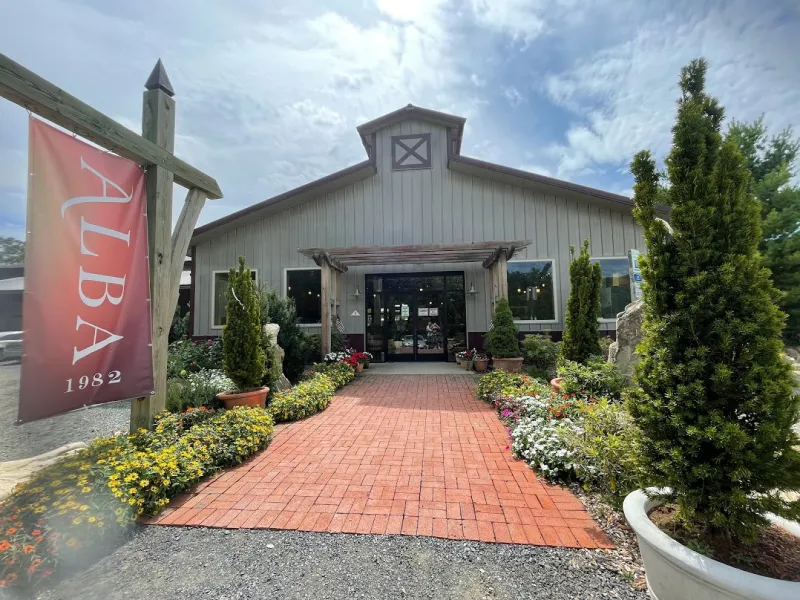
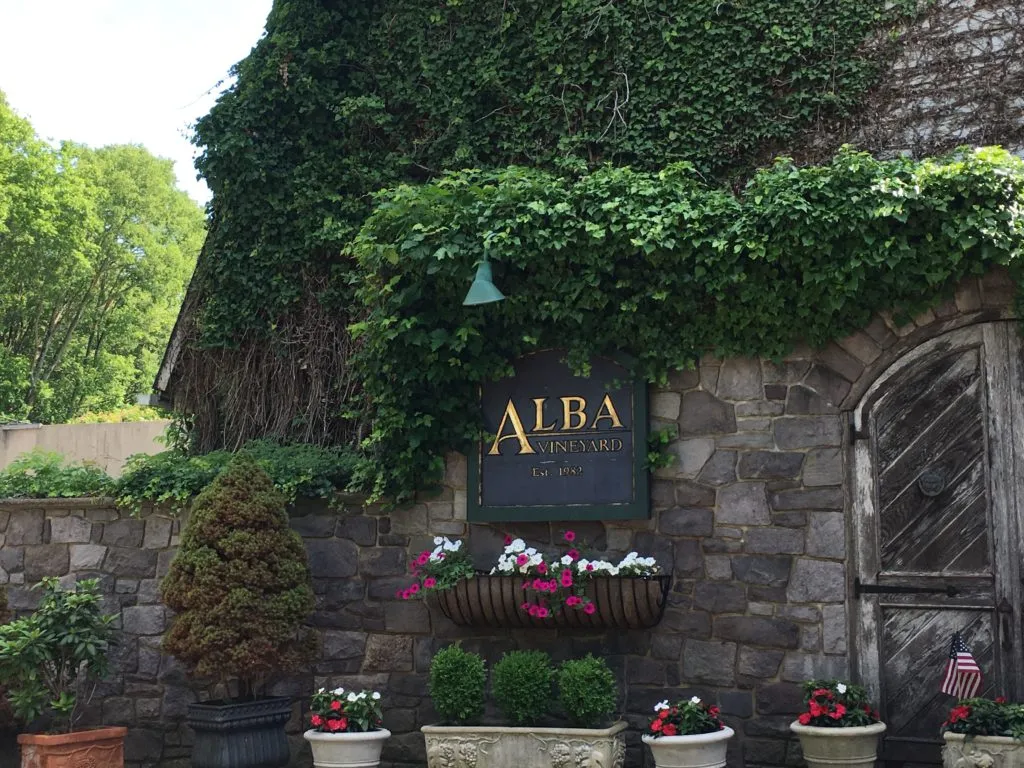
Visitors arriving at the property encounter more than a tasting room. The winery’s beautifully restored 1805 antique barn serves as the centerpiece of an experience that combines rustic history, vineyard scenery, architectural character, and sophisticated hospitality into one cohesive environment. The tasting room itself avoids artificial commercial excess in favor of warmth, authenticity, and understated elegance that reflects the vineyard’s broader identity.
Daily self-guided wine flights allow guests to explore the estate portfolio at their own pace, encouraging a more relaxed and educational experience than the hurried tasting environments often found at heavily commercialized wine destinations elsewhere.
Outside, the vineyard landscape itself becomes part of the attraction.
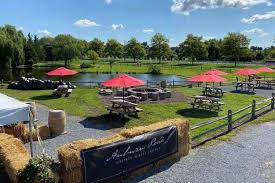
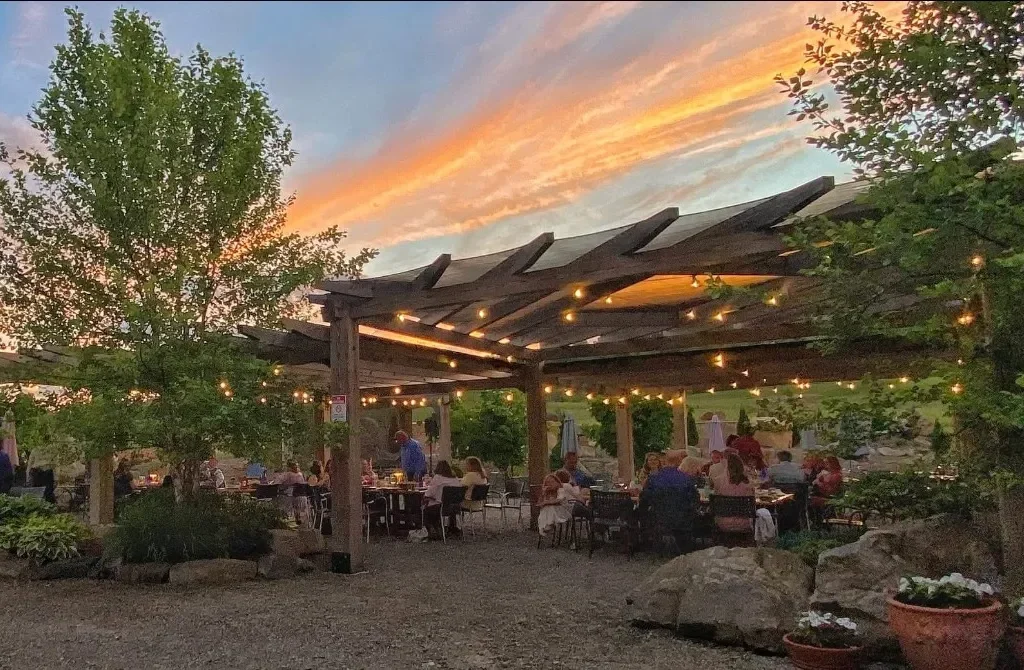
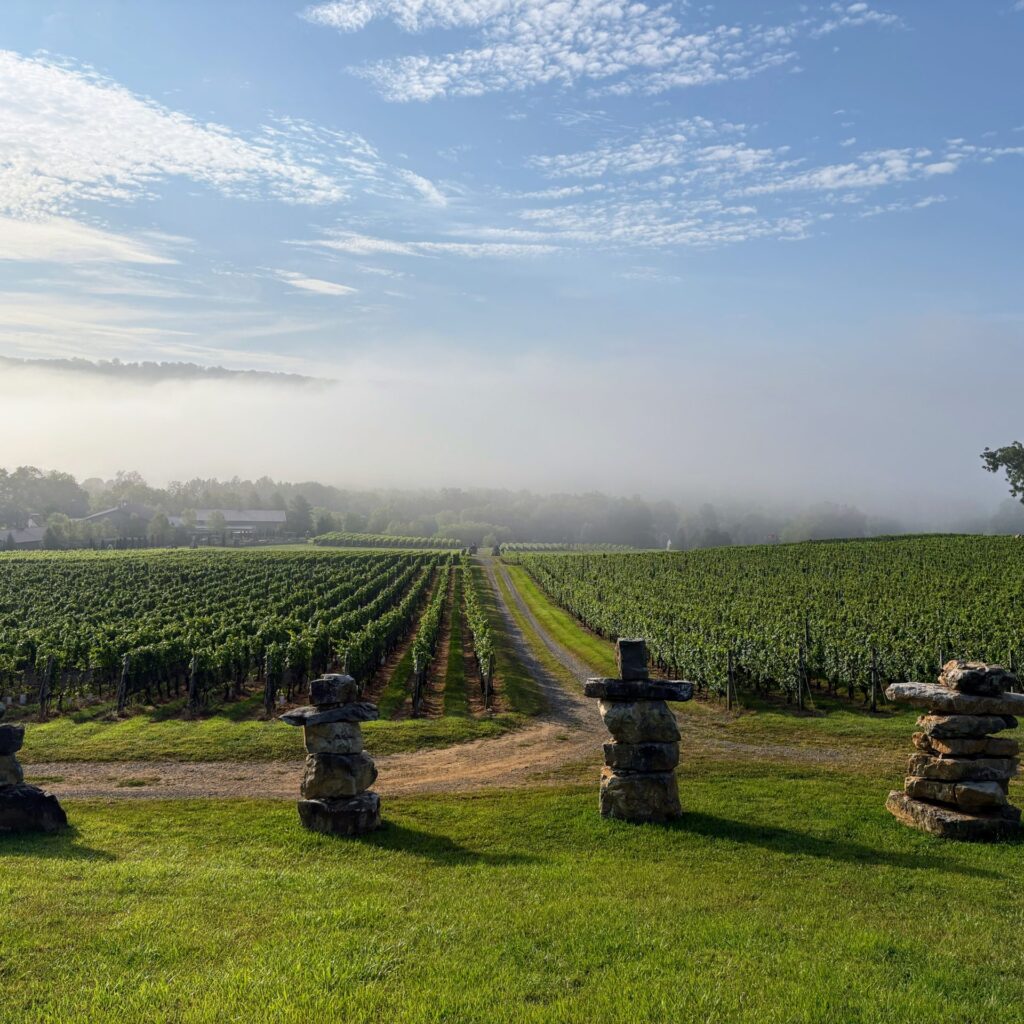
Terraces overlooking vine rows, rolling hills, and the surrounding valley create one of the most visually striking winery environments in New Jersey. Particularly during summer and fall weekends, the property transforms into a social and cultural gathering place where wine, scenery, live music, and culinary experiences merge into a full-day destination experience.
That atmosphere is enhanced significantly by Alba’s partnership with Trattoria Di Fiore, which operates on-site during weekends serving artisan wood-fired pizzas, paninis, charcuterie boards, and fresh Italian-inspired dishes designed specifically to complement the vineyard’s wines. The emphasis on curated pairings reinforces Alba’s reputation as a hospitality destination rather than simply a beverage producer.
Importantly, the winery also maintains strict operational policies that reinforce its identity as a working agricultural property. Because Alba functions as an active farm environment, children, infants, and pets are prohibited on-site for both safety and operational reasons. While some wineries increasingly position themselves as broad family entertainment venues, Alba’s approach reflects a more focused wine-country atmosphere centered around adult hospitality, vineyard appreciation, and uninterrupted guest experience.
That distinction has helped cultivate one of the state’s most loyal wine-following communities.
From mid-April through October, Alba’s highly popular Music Under the Arbor series further expands the vineyard’s cultural footprint through recurring outdoor performances featuring regional jazz, blues, and acoustic acts. Artists including the Kamara Trio and Tony Forliano Trio continue helping transform the winery into one of New Jersey’s most sophisticated live music settings during warmer months.
The concerts also reflect a much broader evolution occurring across New Jersey wine country itself.
Modern wineries are increasingly becoming multi-dimensional cultural destinations where agriculture intersects with entertainment, culinary tourism, outdoor recreation, and social experience. Consumers no longer simply visit vineyards to purchase bottles. They visit to spend entire afternoons immersed in atmosphere, scenery, music, food, and hospitality.
Alba Vineyard & Winery helped pioneer much of that model long before it became a statewide tourism trend.
Today, as New Jersey’s broader wine industry experiences rising national attention, expanding tourism visibility, and increased competition, Alba continues to occupy a uniquely important role. It represents both the historical roots and modern future of serious winemaking in the Garden State.
In many ways, the vineyard’s success helped prove something larger about New Jersey itself.
For decades, outsiders often underestimated the state’s agricultural sophistication, natural beauty, and culinary potential. Yet wineries like Alba quietly demonstrated that New Jersey possessed not only viable wine-growing conditions, but the ability to produce wines capable of competing with far more established regions while simultaneously creating authentic destination experiences rooted in local identity.
That legacy matters even more now as the Garden State increasingly embraces tourism, hospitality, food culture, and experiential travel as defining parts of its economic and cultural future.
Alba Vineyard & Winery did not simply grow alongside New Jersey wine country.
It helped build the blueprint for what New Jersey wine country could become.












Your source for everything happening in the Garden State. Enjoy live music year-round, skiing, hiking, beaches, rivers, and mountains. Explore New Jersey’s wine scene by visiting top wineries and vineyards offering award-winning wines. Check out reviews and photos of the best places to sip and sample. Love beer? Discover New Jersey’s breweries — currently home to 123 licensed breweries — and explore the highest-rated beers brewed in the state.
© 2026 Explore New Jersey, a Sunset Entertainment & Media Company | 1928 The Woods II - Cherry Hill, New Jersey 08003. All Rights Reserved.