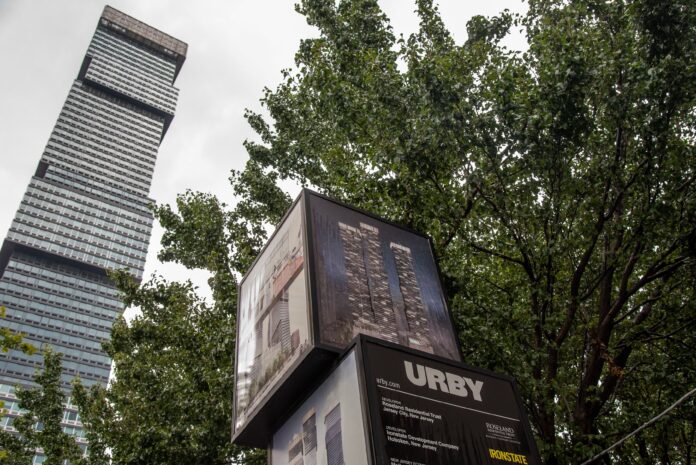

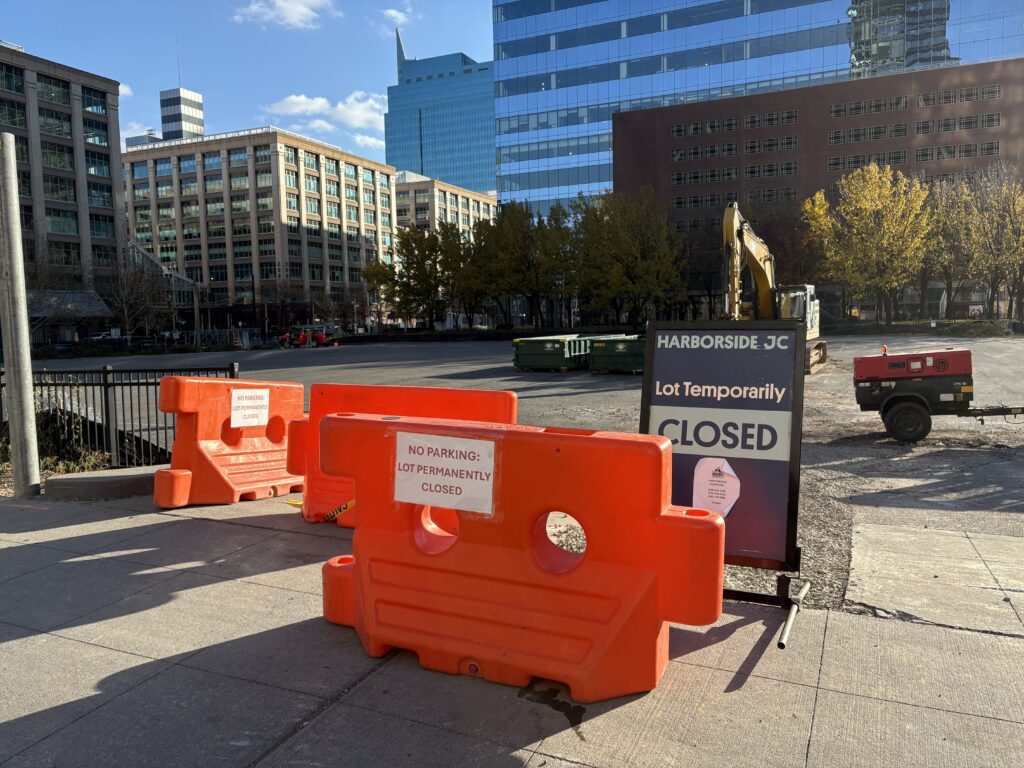
After years of anticipation, Jersey City’s waterfront is poised for its next major transformation as Phase Two of the Urby development moves forward. Located at 200 Greene Street, the site’s surface parking lot has officially closed to the public, marking the first tangible step toward realizing a project that has been in planning for over three years. The ambitious two-tower complex represents a joint effort between Ironstate Development and Roseland Residential Trust and promises to reshape a block just a stone’s throw from the waterfront.
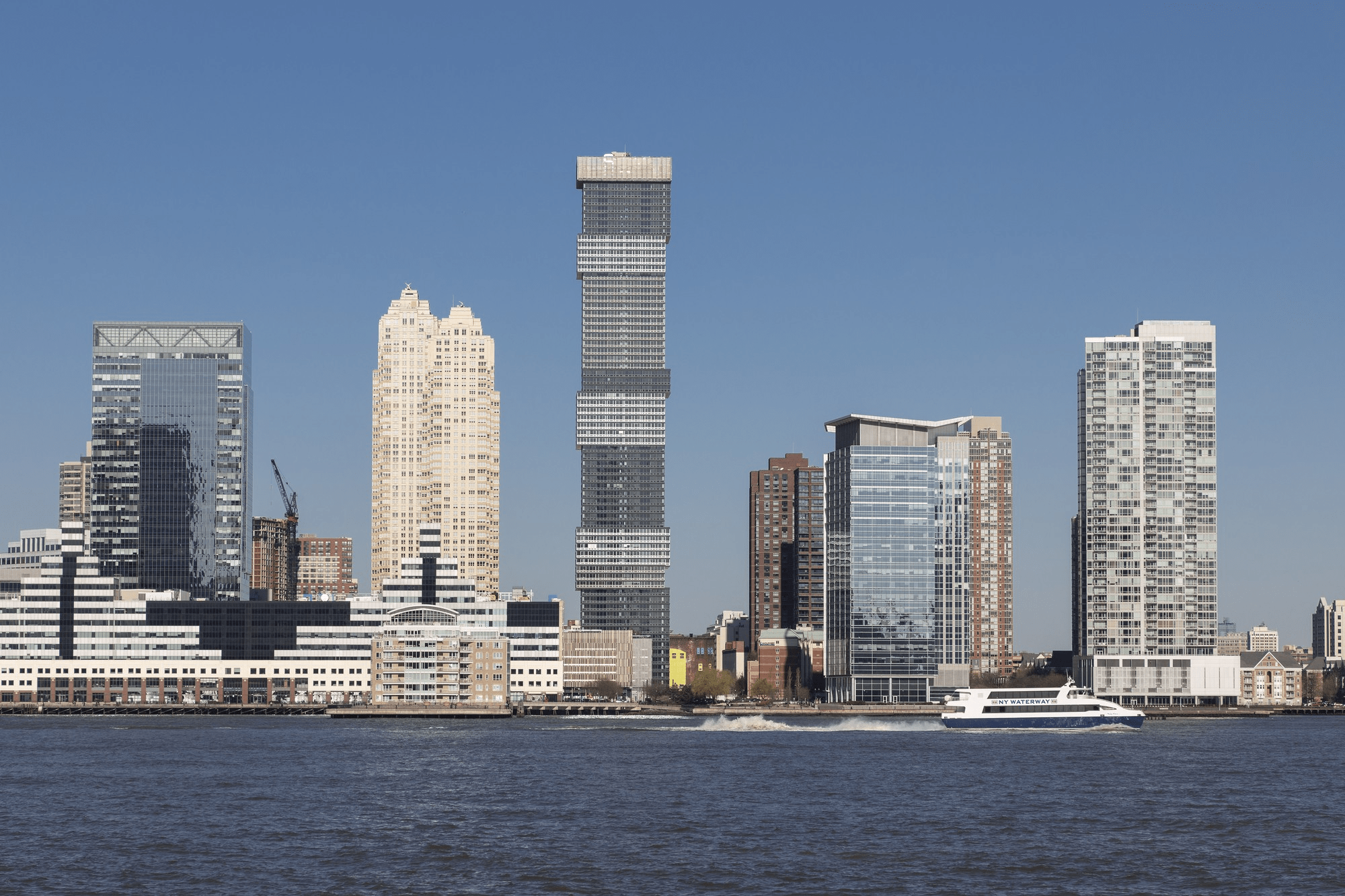
The approval for this next phase came in 2024, although the development has already seen some changes. The original Urby tower, completed in 2017 across the street, was recently rebranded as Sable following its sale to Veris Residential. Despite this shift, the second phase remains firmly on track, featuring two new 69-story towers that will soar to 677 feet. Design adjustments made in 2022 slightly scaled back the “Jenga-like” features of the first Urby tower, with the northernmost tower taking on a more streamlined appearance while the southern tower retains some of the original tiered aesthetic, albeit in a less pronounced form.
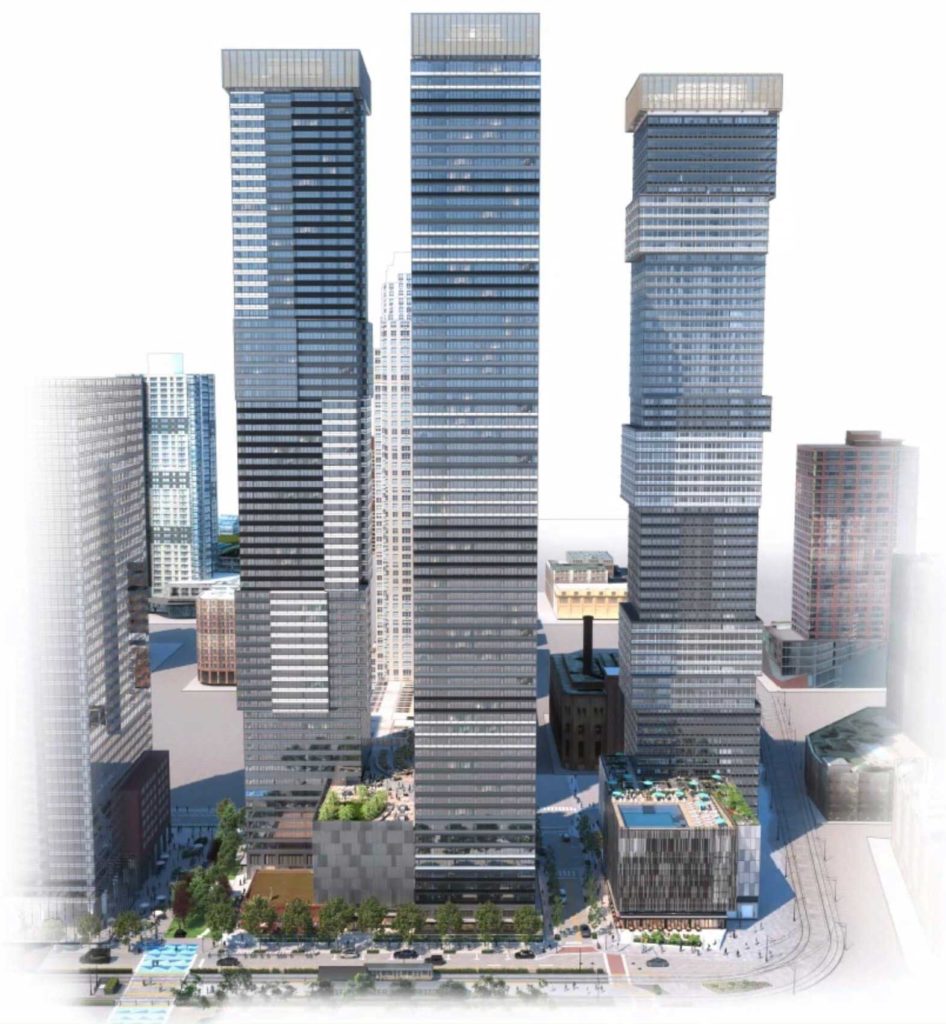
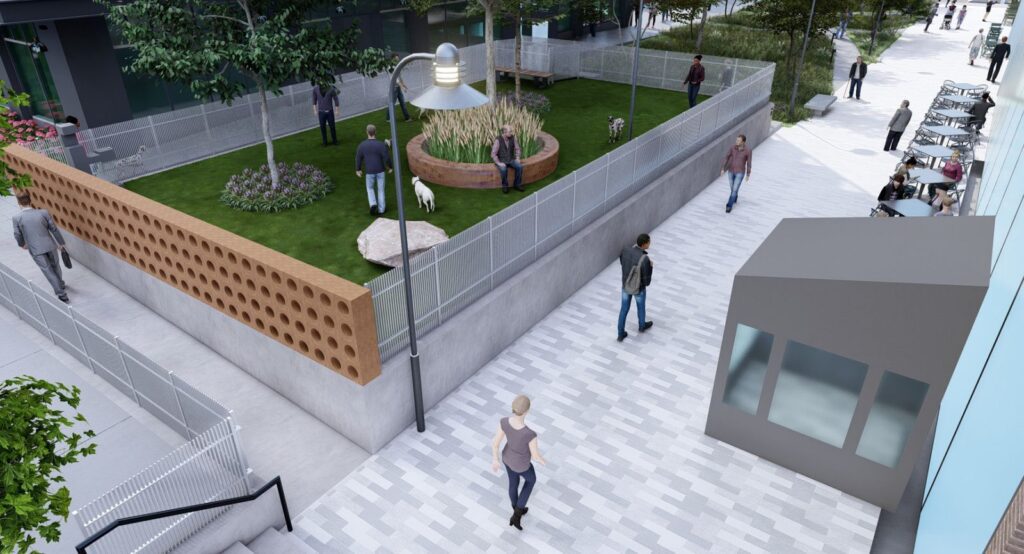
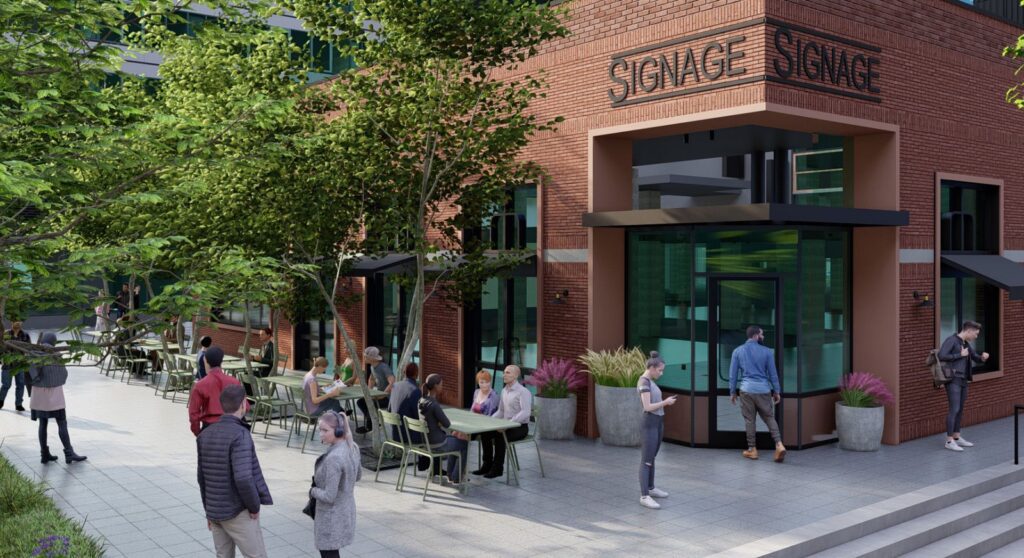
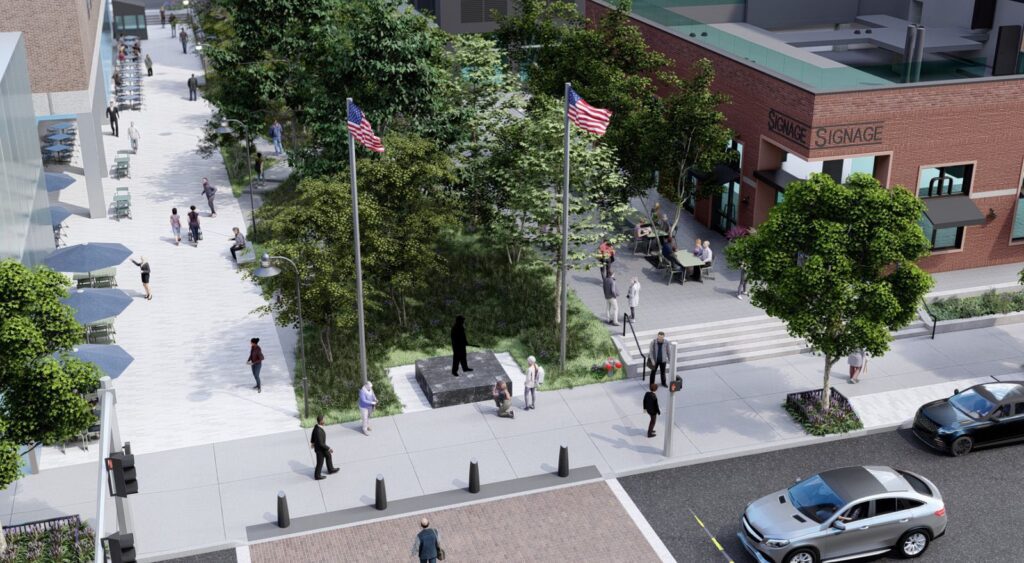
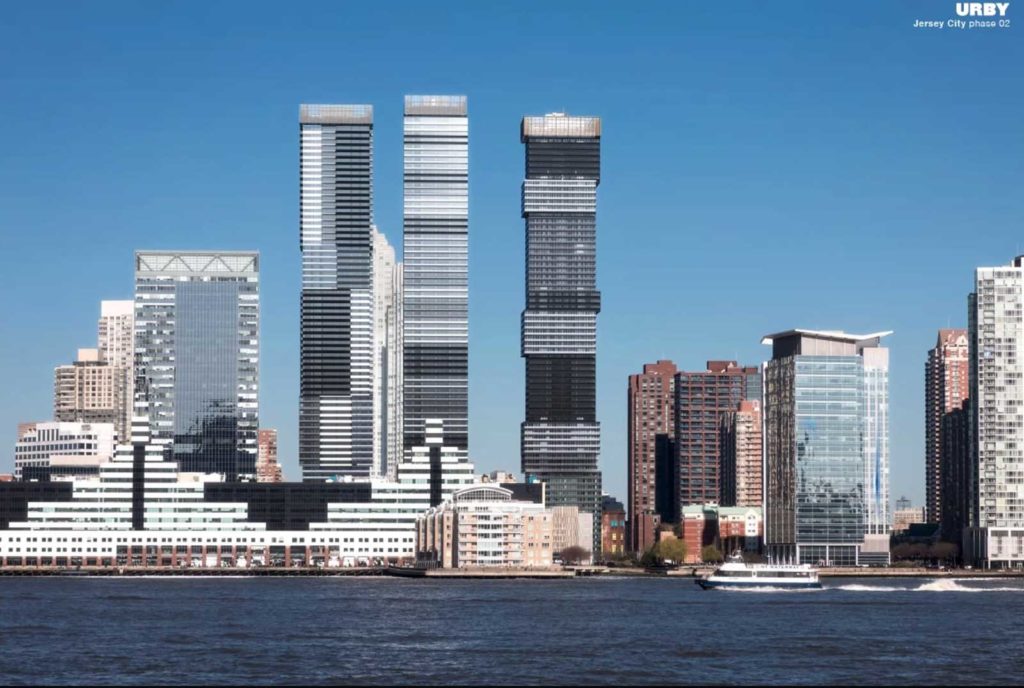
Toronto-based design firm Concrete is behind the creative vision, with HLW International serving as architect of record. The development is set to include 1,510 residential units, down slightly from earlier projections, with the flexibility to convert up to 164 units for hotel use. While no affordable housing is incorporated in the plans, the project compensates with a significant retail and amenity package. The ground floor will feature 32,000 square feet of retail space divided among four storefronts, alongside improved green spaces and pedestrian pathways connecting the development to the adjacent Harborside 5 complex.
Parking and recreation are also central to Urby Phase Two’s design. A 272-space parking garage with valet service will form the base of the towers, topped with a rooftop that connects the buildings. Plans include an outdoor pool and landscaped garden hill, while a second-floor fitness center will provide residents with an indoor pool and additional wellness facilities. Construction is planned in phases, beginning with the base, followed by one tower and then the second, ensuring a structured progression while minimizing disruption to the surrounding area.
This redevelopment comes at a time of significant growth along Jersey City’s waterfront. Harborside 8 is already under construction just across the street, and the Port Authority is preparing to replace the aging Powerhouse substation. Nearby projects, including the 800-unit Harborside 4 and Jersey City’s first supertall building, signal that this corridor is becoming the next epicenter for large-scale urban development. With Urby Phase Two moving forward, the neighborhood is set to benefit from increased density, modern amenities, and upgraded public spaces, creating a new standard for waterfront living.
The movement of Urby Phase Two is emblematic of broader trends in New Jersey real estate, where waterfront parcels are being transformed to meet the growing demand for high-rise urban living. For those tracking development along the Hudson, this project is a signal of Jersey City’s ongoing evolution as a hub of residential, commercial, and lifestyle-oriented construction. Details on the groundbreaking remain pending, but the closure of the parking lot signals that construction activity will begin imminently, ushering in a bold new chapter for the city’s skyline. For more coverage on Jersey City development and other major projects across the state, readers can explore our full New Jersey real estate reporting.
Rising Home Prices and the Challenge of Housing Affordability in New Jersey. Meanwhile, the shift in housing dynamics continues to underscore the importance of these developments. Over the past six decades, the cost of homeownership has steadily outpaced income growth, with median family earnings now covering a smaller portion of home prices than in the mid-20th century. While new high-rise projects like Urby Phase Two expand housing availability and modernize the cityscape, the broader affordability challenge remains, highlighting the ongoing tension between urban development and economic accessibility in New Jersey.
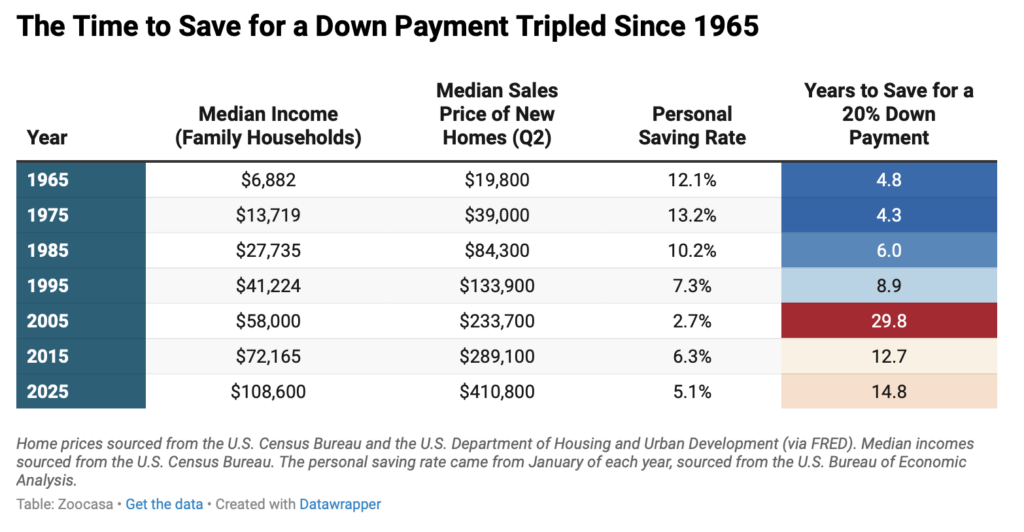
Over the past sixty years, New Jersey’s housing market has undergone significant changes, with the cost of homeownership rising far faster than family incomes. In the mid-20th century, families could purchase a home with a much larger portion of their income relative to today. Now, median earnings cover a smaller percentage of home prices, creating a widening affordability gap that continues to shape the state’s real estate landscape.
This long-term shift highlights the pressure facing New Jersey residents as urban development accelerates. While new housing projects contribute to modernizing cityscapes and expanding the availability of residences, they often come at premium prices that are out of reach for many middle- and working-class families. The contrast between rising property values and stagnant relative affordability underscores the complex balance between economic growth and equitable access to housing.
The dynamics of this market are influenced by several factors, including population growth, limited land availability, and increasing demand for urban living. Developers are building taller, denser residential structures to meet demand, yet these developments frequently prioritize luxury amenities, leaving affordability as a secondary consideration. This trend emphasizes the ongoing challenge of creating inclusive housing solutions that accommodate a wide range of residents while still driving investment and urban revitalization.
Addressing New Jersey’s housing affordability gap requires a combination of strategic planning, thoughtful development, and public policy initiatives. Expanding housing stock alone is not enough; ensuring that new developments provide accessible options for diverse income levels is essential to maintaining healthy, sustainable communities. The state’s real estate market must continue to innovate, balancing modern urban growth with the need to provide housing opportunities that reflect the economic realities of its residents.
For readers looking to stay informed on the latest trends, developments, and shifts in New Jersey’s housing market, our New Jersey real estate coverage provides in-depth reporting and analysis, tracking how affordability, urban expansion, and market dynamics continue to shape the state’s communities.