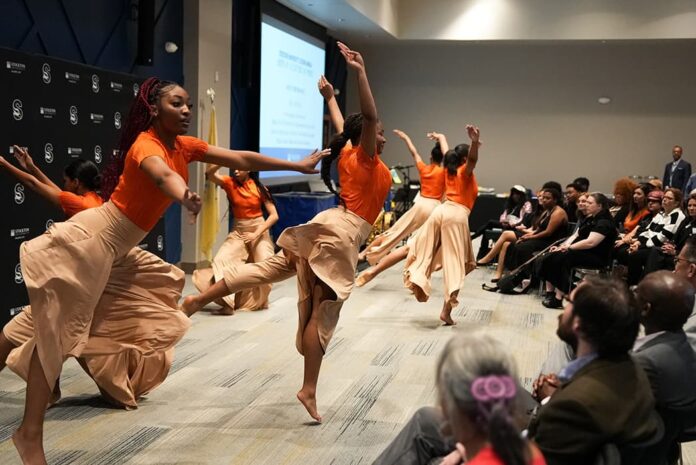

New Jersey’s cultural landscape continues to gain momentum as institutions across the state invest in programming that not only celebrates artistic expression but also strengthens the infrastructure behind it. This year, Stockton University is making a significant statement with the expansion of its annual Arts and Culture Summit, transforming what has traditionally been a single-day gathering into a two-day, dual-location event spanning both its Galloway and Atlantic City campuses. The move represents more than a scheduling adjustment—it reflects a strategic evolution designed to deepen engagement, broaden access, and amplify the role of the arts within New Jersey’s economic and cultural framework.
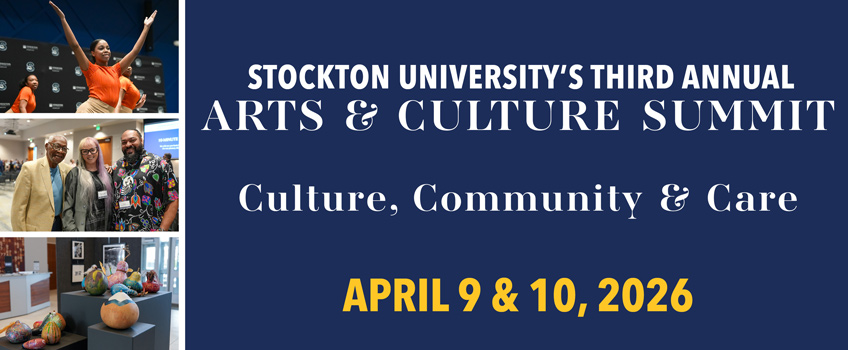
Positioned within the broader ecosystem of New Jersey arts and culture, the summit has steadily grown into a cornerstone event for artists, educators, policymakers, and creative entrepreneurs. By extending the summit across two days and activating two distinct geographic hubs, Stockton University is effectively doubling its reach while creating a more dynamic and layered experience. The Galloway campus, known for its expansive academic setting, provides a foundation for in-depth discussions, workshops, and institutional collaboration. Atlantic City, by contrast, offers a vibrant, real-world backdrop where creative industries intersect with tourism, entertainment, and urban revitalization. Together, these locations form a complementary framework that mirrors the diversity and complexity of New Jersey’s cultural economy.
The expanded format allows for a more comprehensive exploration of the issues shaping the arts today. Panels and discussions are expected to address topics that range from funding models and public-private partnerships to the integration of digital platforms and the evolving role of cultural institutions in community development. By creating space for both macro-level strategy and grassroots perspectives, the summit positions itself as a forum where ideas are not only exchanged but actively developed into actionable pathways.
Equally important is the summit’s role in fostering cross-sector collaboration. The arts do not exist in isolation, and Stockton’s approach reflects an understanding that creative output is deeply connected to education, economic development, tourism, and public policy. Bringing together stakeholders from these varied fields encourages a level of dialogue that is often difficult to achieve in more siloed environments. It is within these intersections that new opportunities emerge—whether in the form of partnerships, funding initiatives, or innovative programming that extends beyond traditional boundaries.
Atlantic City’s inclusion as a primary host location adds a particularly compelling dimension to this year’s summit. As the city continues to redefine itself beyond its historical identity, the arts have become an increasingly vital component of its transformation. Public art installations, live performance venues, and cultural programming are playing a growing role in attracting visitors and engaging residents, and the summit’s presence reinforces that trajectory. By situating part of the event within this evolving urban landscape, Stockton University underscores the tangible impact that arts and culture can have on economic revitalization and community identity.
The decision to expand also reflects a broader trend within New Jersey, where there is a renewed emphasis on accessibility and inclusivity in cultural programming. A two-day format allows for greater participation, accommodating a wider range of schedules and making it easier for attendees from different regions to engage. It also enables a more diverse lineup of speakers, performers, and contributors, ensuring that the summit reflects the full spectrum of voices that define the state’s creative community.
For emerging artists and students, the summit offers a rare opportunity to connect directly with established professionals and industry leaders. These interactions are not merely inspirational; they are practical, providing insight into career pathways, funding opportunities, and the operational realities of sustaining a creative practice. Stockton University’s role as both an academic institution and a cultural convener places it in a unique position to bridge the gap between education and professional development, creating a pipeline that supports the next generation of talent.
The expanded summit also places a strong emphasis on experiential programming. Beyond traditional panels and lectures, attendees can expect interactive sessions, live performances, and immersive installations that bring the conversation into a tangible, sensory space. This approach aligns with a growing recognition that engagement with the arts is most impactful when it is participatory, allowing audiences to move beyond observation and into direct interaction.
From a statewide perspective, the growth of the Stockton Arts and Culture Summit signals a broader commitment to positioning New Jersey as a leader in creative innovation. The state’s proximity to major cultural centers like New York and Philadelphia has long been an advantage, but it has also, at times, overshadowed the depth of talent and activity within New Jersey itself. Events like this summit play a critical role in shifting that narrative, highlighting the state as a destination for artistic excellence and cultural dialogue in its own right.
The economic implications are equally significant. The arts are not only a cultural asset but also a driver of economic activity, contributing to job creation, tourism, and local business development. By expanding the summit, Stockton University is effectively investing in the infrastructure that supports this sector, creating a platform where ideas can translate into measurable impact. This alignment between cultural and economic priorities is essential for long-term sustainability, ensuring that the arts remain a viable and thriving component of New Jersey’s future.
As anticipation builds for this year’s event, the expanded Arts and Culture Summit stands as a clear reflection of where New Jersey is headed—toward a more integrated, inclusive, and forward-thinking approach to the arts. It is a gathering that not only celebrates creativity but also challenges participants to think critically about its role in shaping communities, economies, and identities. By extending its reach across two days and two campuses, Stockton University is not simply growing an event; it is redefining what a cultural summit can achieve when ambition meets execution.