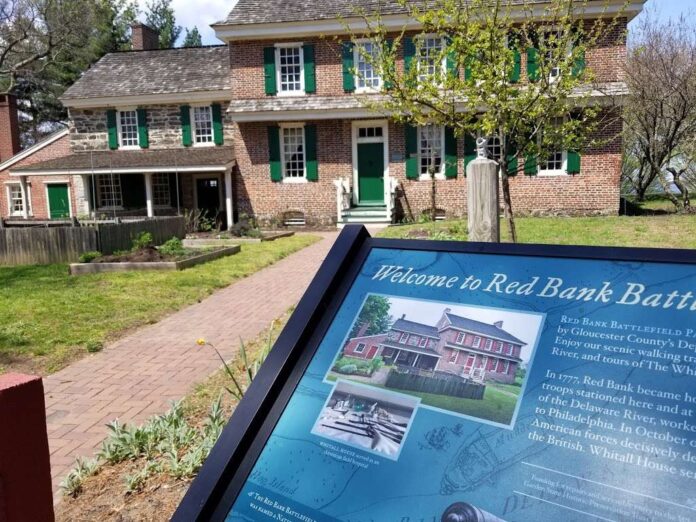

New Jersey’s reputation as the Garden State is rooted not only in its fertile farmland and vibrant agricultural industry but also in centuries of history that shaped the relationship between land, farming, and community life. In Gloucester County, one historic destination continues to preserve and celebrate that legacy with extraordinary authenticity. Red Bank Battlefield, located along the scenic Delaware River waterfront, stands today as one of the most significant Revolutionary War sites in New Jersey while simultaneously serving as a living classroom for colonial agriculture, heritage gardening, and early American farm life.
For visitors seeking to explore the deep historical roots of New Jersey agriculture and the region’s Revolutionary past, Red Bank Battlefield offers a rare opportunity to step into the eighteenth century. The park’s centerpiece, the historic James and Ann Whitall House, built in 1748, remains one of the most compelling examples of colonial architecture and family life preserved in the state.
Through guided tours, immersive educational programs, and meticulously maintained historic gardens, Red Bank Battlefield has evolved into a powerful destination where New Jersey’s military history and agricultural traditions intersect.
Overlooking the Delaware River, the park occupies land that once served as the site of Fort Mercer during the American Revolutionary War. On October 22, 1777, the area became the stage for one of the most dramatic military encounters in New Jersey history when Hessian forces launched an attack on the American fortification. The Battle of Red Bank remains a defining moment in the Revolutionary War campaign for control of the Delaware River, and today visitors can walk the same grounds where American soldiers defended the region during the struggle for independence.
At the heart of the battlefield stands the James and Ann Whitall House, a remarkable colonial residence that has survived more than two centuries of American history. Built decades before the Revolutionary War began, the home served as the residence of the Whitall family, whose lives became intertwined with the conflict that unfolded outside their doorstep.
The house itself is a remarkable historical artifact, offering visitors an authentic glimpse into the architecture, domestic life, and agricultural practices of the eighteenth century. Inside, preserved rooms and period furnishings reflect the daily routines of colonial families who lived and worked on farms along the Delaware River corridor.
Guided tours of the Whitall House bring these stories to life, allowing guests to explore the house while learning about the people who lived there and the dramatic events that shaped their world. From April through October, visitors can join tours from Thursday through Sunday between 11:00 AM and 3:00 PM, providing ample opportunity to experience one of Gloucester County’s most treasured historic sites.
The Whitall House closes for tours during the winter months from November through March, but when the doors reopen each spring, the property once again becomes a center of historical exploration and education for visitors from across New Jersey and beyond.
Beyond its Revolutionary War significance, Red Bank Battlefield offers something even more unique—a living representation of colonial agricultural life. Surrounding the historic home are carefully cultivated gardens that reflect the types of crops, herbs, and flowers that would have been grown during the eighteenth century.
These gardens are maintained by the Gloucester County Certified Gardeners, a dedicated group of volunteers who bring historical agriculture to life through hands-on cultivation and educational outreach. Their work transforms the grounds of Red Bank Battlefield into a living agricultural exhibit where visitors can see firsthand how early American families grew food, prepared medicines, and used plants for everyday household needs.
The gardens feature a wide variety of vegetables, culinary herbs, medicinal plants, and historically accurate flowers. Every plant cultivated within the garden spaces reflects species that would have been common during the colonial era. Visitors can observe how colonial households relied on gardens not only for nourishment but also for health, clothing, and household tools.
For example, many of the herbs grown in the garden represent remedies that Ann Whitall herself might have used to treat common illnesses or injuries. Visitors can learn how plants were used to soothe coughs, heal wounds, and provide natural remedies long before modern medicine became widely available.
The gardens also include dye plants that demonstrate how early American settlers produced natural pigments to color fabrics and textiles. These vibrant plants illustrate an often-overlooked aspect of colonial life: the ability to create clothing dyes from flowers, roots, and leaves grown directly on family farms.
The presence of cutting flowers and decorative plants further reveals the aesthetic side of colonial agriculture. Gardens served not only practical purposes but also contributed beauty to the landscape surrounding early American homes.
This careful recreation of eighteenth-century farming and gardening practices provides visitors with a deeper understanding of the “farm to table” lifestyle that defined early American households. Families like the Whitalls depended entirely on their land for food, medicine, clothing materials, and household supplies.
Today, the gardens allow visitors to witness these traditions firsthand while appreciating the agricultural ingenuity that shaped early New Jersey communities.
Another fascinating feature of the Red Bank Battlefield property is the Gloucester County Certified Gardeners Butterfly House. Operating seasonally from June through September, the Butterfly House introduces visitors to the delicate ecological balance that supports pollinators and local wildlife.
Open Thursday through Sunday from 10:00 AM to 12:30 PM during the summer months, the Butterfly House serves as an educational hub where visitors can observe butterflies and other pollinators that play a crucial role in agricultural ecosystems. These species are essential for crop pollination, making them vital contributors to both historical and modern farming practices.
The Butterfly House remains closed during the cooler months from October through May, but when it opens each summer, it becomes a favorite destination for families, nature enthusiasts, and anyone interested in the relationship between agriculture and environmental conservation.
While the gardens and historic house provide a vivid look at colonial life, Red Bank Battlefield also offers guided battlefield tours that dive deeper into the military events that shaped the region’s Revolutionary history.
These tours allow visitors to walk the grounds where American forces defended Fort Mercer during the British campaign to control the Delaware River. Guides explain the strategic importance of the location, the tactics used by both American and Hessian forces, and the broader impact of the battle on the Revolutionary War effort.
Tours typically begin at 10:00 AM in front of the Whitall House and last approximately one hour. Guests are encouraged to wear comfortable shoes, as the experience includes walking through the historic landscape that once formed the defensive perimeter of the American fortification.
Upcoming tour dates include April 4, April 18, May 2, and May 16, providing multiple opportunities for visitors to explore the site during the spring season.
Because these tours often attract strong interest from history enthusiasts, registration is required in advance to ensure that participants can be accommodated. Visitors interested in joining the tours can register through the park’s official program listings and receive additional details about the event schedule.
The tours are recommended for visitors ages 14 and older due to the depth of historical content presented during the experience.
For Gloucester County, Red Bank Battlefield represents far more than a historic park. It stands as a living link between New Jersey’s agricultural past and its present-day identity as the Garden State. The preservation of colonial gardens, the maintenance of historic farmland traditions, and the educational programs offered at the site all contribute to a broader understanding of how agriculture shaped the state’s earliest communities.
Across New Jersey, agricultural heritage continues to play a vital role in shaping regional culture and local economies. From family farms and roadside produce markets to historic agricultural sites like Red Bank Battlefield, the Garden State remains deeply connected to the land and traditions that have defined it for generations.
Red Bank Battlefield provides a rare opportunity to experience that heritage in a setting where history, agriculture, and education come together. Visitors can explore Revolutionary War battlefields, tour a preserved eighteenth-century home, walk through historically accurate gardens, and learn how early American families cultivated the land to sustain their communities.
For those interested in discovering more about the state’s agricultural legacy, heritage farms, and rural traditions, the Explore New Jersey agriculture and farming section continues to highlight destinations, events, and educational programs that celebrate the Garden State’s enduring connection to farming and land stewardship.
At Red Bank Battlefield, that connection remains alive every day—rooted in the soil, preserved through history, and shared with every visitor who walks the grounds where New Jersey’s past continues to grow.