
Ramadan 2026 is officially underway across New Jersey, marking one of the most spiritually significant and culturally vibrant periods of the year for the state’s diverse and growing Muslim community. Observed from sundown on Tuesday, February 17, 2026, through approximately March 19, 2026, the sacred month brings together traditions of fasting, prayer, charity, and community connection, culminating in the joyous celebration of Eid al-Fitr.
Throughout the Garden State, Ramadan is not only a time of spiritual reflection but also a powerful expression of New Jersey’s rich cultural landscape. From public crescent moon ceremonies and interfaith gatherings to bustling halal dining scenes and large-scale Eid festivals, the observance reflects a dynamic blend of faith, tradition, and community engagement that continues to shape the region’s cultural identity.
Across towns, cities, and neighborhoods, Ramadan 2026 highlights the intersection of spirituality, arts, cuisine, and community — reinforcing New Jersey’s reputation as one of the most culturally diverse states in the nation and a leading center for religious and cultural expression.
Ramadan in New Jersey: Faith and Community in Action
Ramadan is observed through daily fasting from dawn until sunset, intensive prayer, and acts of charity intended to foster spiritual growth, compassion, and self-discipline. Each day begins with suhoor, the pre-dawn meal, and concludes with iftar, the fast-breaking meal at sunset — moments that often become shared community experiences.
In New Jersey, where Muslim communities represent a wide range of cultural backgrounds, the month takes on unique local character. Families gather for evening meals, mosques open their doors for nightly Taraweeh prayers, and charitable organizations mobilize to support residents in need.
The observance reflects a broader spirit of unity and civic engagement that aligns with the state’s ongoing celebration of cultural diversity, a theme consistently highlighted through Explore New Jersey’s coverage of the region’s evolving arts and culture landscape, available through the arts and culture section.
Public Crescent Moon Lightings Mark the Start of Ramadan
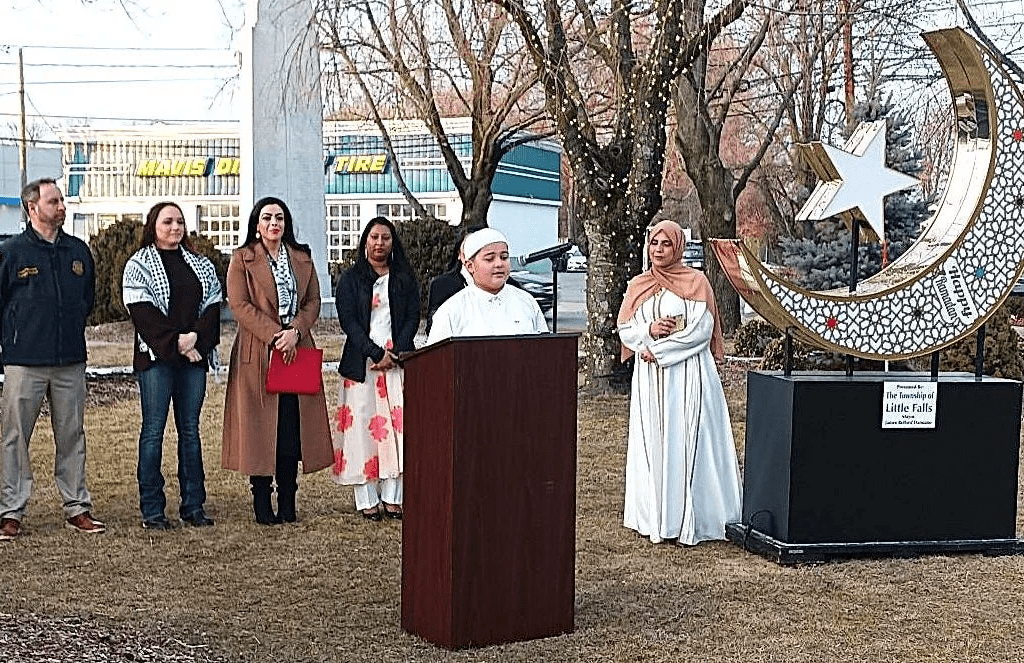
Communities across New Jersey marked the beginning of Ramadan with public ceremonies celebrating the sighting of the crescent moon — symbolic events that bring residents together in shared recognition of the holy month.
Municipalities hosted festive gatherings that included cultural performances, family activities, and illuminated crescent displays:
- Parsippany held a lively ceremony at Township Hall on February 17 featuring a glowing crescent moon installation.
- West Orange hosted its third annual Ramadan lighting at Town Hall, reflecting growing participation and civic recognition.
- Waldwick organized a community event at the local library, offering goodie bags for children and a celebratory moon lighting ceremony.
These events underscore how Ramadan observance continues to gain broader public recognition, reinforcing New Jersey’s commitment to inclusive cultural celebrations.
Interfaith Engagement and Community Service
One of the defining characteristics of Ramadan in New Jersey is its strong emphasis on interfaith dialogue and charitable outreach. The month encourages service to others, and local organizations play a central role in fostering unity across communities.
The American Muslim Council of New Jersey hosts its annual Grand Interfaith Iftar at Royal Albert Palace in Central Jersey, bringing together leaders and participants from multiple faith traditions to share a communal meal and promote mutual understanding.
Meanwhile, humanitarian organizations such as ICNA Relief USA coordinate large-scale food distribution efforts, providing essential supplies to families in need throughout the state. These initiatives reflect the social responsibility at the heart of Ramadan and reinforce the community-centered ethos that defines New Jersey’s civic culture.
Mosques as Spiritual and Cultural Hubs
Throughout Ramadan, mosques across New Jersey serve as vital centers for prayer, education, and community connection. Nightly Taraweeh prayers draw large congregations, while many mosques host educational programs, youth activities, and communal iftars.
Key centers of worship include:
- The Muslim Center of Middlesex County in Piscataway, offering extensive prayer schedules and community programs.
- The Muslim Center of Greater Princeton, hosting nightly worship and spiritual gatherings.
- Masjid Al-Wali in Edison, known for its expansive facilities and youth engagement initiatives.
- IQRA Community Services in East Brunswick, providing modern spaces for worship and education.
These institutions play an essential role in supporting spiritual development while strengthening community bonds.
During Ramadan 2026, fasting hours in New Jersey begin at approximately 12 hours in early February and gradually extend beyond 13 hours by mid-March, with daily fasts typically beginning around 5:30 AM and ending between 5:39 PM and 7:07 PM as daylight hours increase.
New Jersey’s Thriving Halal Dining Scene
New Jersey’s culinary landscape becomes particularly vibrant during Ramadan, with restaurants across the state offering special iftar menus, late-night suhoor service, and extended hours to accommodate fasting schedules.
The state is widely recognized for one of the most diverse halal food scenes in the United States, reflecting its multicultural population and strong culinary traditions.
Notable destinations include:
Hudson County
Jersey City’s dynamic dining scene features popular establishments such as Laree Adda, known for traditional Pakistani cuisine and welcoming iftar hospitality, and Korai Kitchen, a family-owned restaurant offering authentic Bangladeshi dishes. Nearby Secaucus is home to Lahore Restaurant, a long-standing favorite for classic comfort foods.
Middlesex County
North Brunswick’s Baithakh offers a renowned iftar buffet and overnight suhoor service, while Edison’s Tabaq Restaurant & BBQ draws crowds for Ramadan dinner offerings. In New Brunswick, Namli Mediterranean provides Turkish specialties and traditional hospitality.
Bergen and Passaic Counties
Paterson’s Al-Basha serves celebrated Middle Eastern dishes, while Teaneck’s Kabab Paradise and Chick N’ Kick offer late-night options, including suhoor service extending into the early morning hours.
South Jersey
Voorhees Township’s Karachi Kafe hosts weekend iftar buffets, while Blue Fig Garden in Cherry Hill offers Mediterranean cuisine alongside dedicated prayer space for guests.
These dining experiences transform Ramadan into a celebration of culinary heritage, reflecting New Jersey’s unique cultural diversity.
Eid Festivals and Cultural Celebrations
As Ramadan approaches its conclusion, communities across New Jersey prepare for Eid al-Fitr with a series of festivals, bazaars, and cultural events scheduled throughout March.
These gatherings highlight fashion, music, art, and traditional crafts while offering opportunities for community engagement.
Major events include:
Chand Raat Mela 2026 in Edison
Taking place on March 19 at Parlor Banquet, this large-scale celebration features festive shopping, live entertainment, henna art, and family activities.
Princeton Eid Bazaar
Held March 8 at DoubleTree by Hilton Princeton, the event showcases South Asian fashion, jewelry, and cultural goods from more than 40 vendors.
Eid Night Bazaar in Paterson
Hosted at the Islamic Center of Passaic County on March 19, this youth-focused night market features food, sweets, and cultural merchandise.
Pre-Eid Bazaar in Edison
Scheduled for March 14 at Hilton Garden Inn Edison/Raritan Center, the event offers curated gifts, traditional clothing, and entertainment for families.
These festivals highlight the artistic expression and cultural creativity that define Ramadan’s closing celebrations.
Eid al-Fitr: A Statewide Celebration
Eid al-Fitr, expected around March 19 or 20, marks the end of Ramadan with communal prayer, festive gatherings, and charitable giving. Mosques across New Jersey typically host multiple prayer sessions between 7:00 AM and 10:30 AM to accommodate large attendance.
Celebrations often include:
- Community meals and family gatherings
- Cultural performances and festivals
- Charitable contributions
- Youth programs and community events
The holiday reflects themes of renewal, gratitude, and shared joy, reinforcing the social fabric that connects communities across the state.
Cultural Significance Within New Jersey’s Arts Landscape
Ramadan’s public events, culinary traditions, and community gatherings contribute significantly to New Jersey’s broader cultural ecosystem. From illuminated civic ceremonies to vibrant marketplaces and interfaith programming, the observance represents a powerful expression of living cultural heritage.
The month’s activities align with the state’s continued celebration of artistic diversity, cultural storytelling, and community-driven experiences — central elements of New Jersey’s identity as a cultural destination.
As the Garden State continues to showcase its dynamic arts and cultural offerings, Ramadan stands as a meaningful example of how tradition, creativity, and community engagement intersect to enrich public life.
A Month That Reflects the Spirit of New Jersey
Ramadan 2026 offers a compelling reflection of New Jersey’s values — diversity, inclusion, community service, and cultural celebration. From spiritual observance and charitable outreach to vibrant food traditions and public festivities, the month demonstrates the power of shared experience to bring communities together.
Across cities, suburbs, and neighborhoods, the observance continues to shape the state’s cultural narrative, highlighting how faith traditions contribute to the evolving identity of New Jersey.
As residents gather for prayer, share meals with neighbors, and prepare for Eid celebrations, Ramadan reinforces the enduring spirit of connection that defines the Garden State’s cultural landscape.