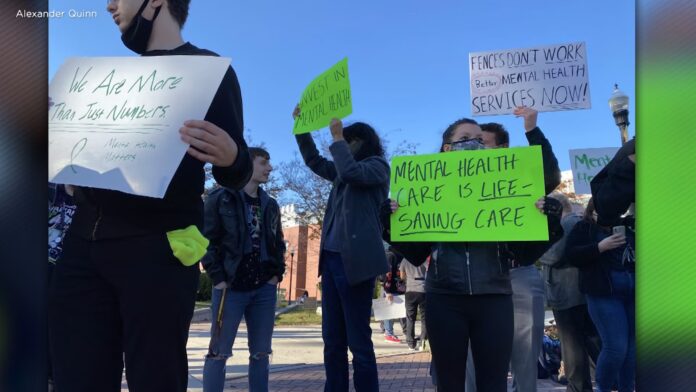

New Jersey’s healthcare system is facing a defining moment. As the state enters 2026, behavioral health data reveals a profound and lasting transformation: demand for mental health services has not returned to pre-pandemic levels—it has significantly surpassed them. What was once considered a temporary surge tied to COVID-19 disruptions has evolved into a sustained and intensified need for crisis care, counseling services, and long-term mental wellness support.
State agencies, hospitals, and advocacy organizations now describe the current environment as a permanent shift in healthcare demand rather than a transitional recovery period. Rising crisis hotline usage, overwhelmed emergency departments, expanding student counseling programs, and persistent workforce shortages collectively signal a structural challenge that is reshaping how New Jersey approaches mental health care delivery.
This moment represents not only a public health concern but also a turning point in how the Garden State prioritizes prevention, intervention, and long-term behavioral health investment. Readers tracking evolving healthcare trends across the state can explore broader developments through Explore New Jersey’s <a href=”https://explorenewjersey.org/category/health-wellness/”>health and wellness</a> coverage.
A Post-Pandemic Reality Defined by Higher Demand
The “post-pandemic” era in New Jersey has not produced a return to previous healthcare norms. Instead, it has revealed a persistent elevation in behavioral health needs that continues to intensify across multiple service channels.
Mental health providers and policymakers now recognize that the psychological and social impacts of the pandemic have permanently altered the demand landscape. Stressors linked to economic instability, social disruption, educational challenges, and long-term emotional trauma continue to drive service utilization at levels far beyond historical benchmarks.
This sustained demand is redefining how healthcare systems allocate resources, train professionals, and design long-term strategies for community wellness.
Crisis Hotline Volume Reaches Historic Levels
One of the clearest indicators of this transformation is the dramatic increase in crisis hotline usage. In December 2025 alone, New Jersey’s 988 call centers answered 8,666 calls, texts, and chats—more than double the volume recorded during the same period in 2022.
The rapid growth reflects heightened awareness of mental health resources, increased willingness to seek help, and the growing prevalence of acute emotional distress among residents. The 988 system has become a central component of the state’s crisis response infrastructure, offering immediate support to individuals experiencing anxiety, depression, suicidal ideation, or severe emotional distress.
The sustained increase in hotline engagement demonstrates both the effectiveness of public outreach efforts and the scale of the ongoing mental health challenge.
For individuals currently experiencing a mental health crisis, help remains available 24 hours a day by calling or texting 988 to reach the Suicide & Crisis Lifeline.
Student Mental Health Services Expand Rapidly
Young adults represent one of the fastest-growing populations seeking mental health support across New Jersey. The state-funded teletherapy program for college students delivered more than 78,000 counseling sessions between 2023 and 2025, with participation rising consistently each semester.
The rapid expansion of teletherapy services reflects both increased need and changing expectations among younger generations regarding accessible mental healthcare. Students increasingly seek support for anxiety, depression, academic pressure, social stress, and post-pandemic adjustment challenges.
This surge highlights the importance of early intervention strategies and preventive care models, particularly for younger populations navigating significant social and developmental transitions.
Emergency Departments Remain Overwhelmed
Hospitals across New Jersey continue to report significant pressure on emergency departments due to behavioral health cases. Patients presenting with psychiatric concerns, emotional crises, and substance-related issues remain far above pre-2019 levels.
Emergency physicians describe ongoing capacity challenges, longer wait times, and increased strain on medical staff. The influx of behavioral health cases into emergency settings reflects broader gaps in outpatient services, limited treatment availability, and delays in accessing specialized care.
This trend underscores the need for expanded community-based interventions that can provide support before individuals reach emergency-level distress.
Youth Mental Health Crisis Intensifies
Perhaps the most urgent concern driving demand is the continued rise in youth mental health challenges. Suicide remains the third leading cause of death among New Jersey residents aged 10 to 24, while rates of anxiety, depression, and self-harm remain significantly elevated compared with pre-pandemic levels.
Mental health professionals point to a combination of contributing factors, including academic pressure, social media exposure, social isolation, and ongoing economic and family stressors. These influences continue to shape the emotional landscape for young people across the state.
The persistence of these trends reinforces the need for comprehensive prevention programs, school-based services, and community interventions that address mental health at its earliest stages.
Workforce Shortages Create Systemic Strain
While demand for behavioral health services has increased dramatically, the supply of qualified professionals has struggled to keep pace. As of April 2025, vacancy rates for critical roles—including psychiatrists and licensed counselors—averaged 21 percent statewide.
This shortage has resulted in longer wait times for appointments, increased clinician burnout, and reduced access to specialized care. Healthcare providers report that workforce limitations remain one of the most significant barriers to expanding services.
Stabilizing and growing the behavioral health workforce has become a central focus for policymakers and advocacy organizations seeking sustainable solutions.
The Ripple Effects of Social and Economic Stress
Experts identify several ongoing societal pressures contributing to sustained mental health demand. Housing instability, food insecurity, and economic uncertainty continue to create stress for many New Jersey residents. At the same time, digital culture and social media influence have introduced new challenges related to self-esteem, social comparison, and information overload.
These persistent stressors illustrate that the mental health crisis extends beyond clinical care alone. It reflects broader social and economic conditions that shape emotional well-being across communities.
Addressing these underlying factors requires coordinated efforts involving healthcare providers, policymakers, educators, and community organizations.
New Jersey’s Strategic Response to a Sustained Crisis
Recognizing the urgency of the situation, New Jersey has implemented several major initiatives designed to expand access to care, improve crisis response, and strengthen prevention services.
988 Mobile Crisis Teams (MCORTs)
Launched in 2025, Mobile Crisis Outreach Response Teams provide 24/7 support in every county. These teams respond directly to mental health emergencies, offering professional intervention without default reliance on law enforcement.
The program aims to deliver compassionate, specialized care while reducing unnecessary hospitalizations and improving outcomes for individuals experiencing crisis situations.
NJ4S Hubs Supporting Students and Families
The state has invested $43 million in a comprehensive hub-and-spoke model known as NJ4S, designed to provide prevention and intervention services to K–12 students and their families. These hubs deliver mental health education, counseling access, and early intervention resources directly within communities.
By focusing on early support, the program seeks to reduce long-term behavioral health challenges and strengthen family resilience.
Advocacy for Increased Behavioral Health Funding
Leading organizations, including the New Jersey Association of Mental Health and Addiction Agencies, are advocating for an 8 percent increase in the FY2026 state budget dedicated to behavioral healthcare. The proposed funding expansion would help stabilize the workforce, expand services, and reduce long-term costs associated with untreated mental illness.
Advocates emphasize that investing in prevention and treatment today will significantly reduce future healthcare and social service expenditures.
A Long-Term Transformation in Healthcare Delivery
New Jersey’s current mental health landscape reflects more than a temporary surge—it represents a fundamental shift in healthcare demand, service delivery, and public awareness.
The growing emphasis on crisis response systems, teletherapy access, community-based care, and preventive programs signals a broader transformation toward proactive and integrated mental healthcare models.
Healthcare leaders increasingly view behavioral health not as a secondary component of medical care but as a central pillar of overall wellness, productivity, and community stability.
The Economic and Social Imperative of Action
The financial and social costs of untreated mental health conditions continue to rise. Experts warn that delaying investment in behavioral health infrastructure may result in higher long-term costs related to emergency care, unemployment, homelessness, and chronic illness.
By strengthening mental health systems now, New Jersey has the opportunity to improve population health outcomes, reduce healthcare expenditures, and build more resilient communities.
The message from policymakers and advocates is clear: expanding access to mental health care is both a public health priority and an economic necessity.
Building a More Resilient Future for New Jersey
As New Jersey navigates this unprecedented demand for behavioral health services, the state stands at a pivotal crossroads. The choices made today regarding funding, workforce development, and community-based care will shape the future of healthcare access for decades to come.
The sustained increase in service utilization demonstrates that mental health is no longer a temporary crisis—it is a permanent priority requiring strategic investment, innovative solutions, and sustained public commitment.
For residents, healthcare providers, and policymakers alike, this moment represents an opportunity to build a stronger, more responsive mental health system that supports long-term wellness across every community in the Garden State.
New Jersey’s evolving healthcare landscape reflects a powerful truth: addressing mental health demand today will determine the resilience, well-being, and vitality of the state tomorrow.