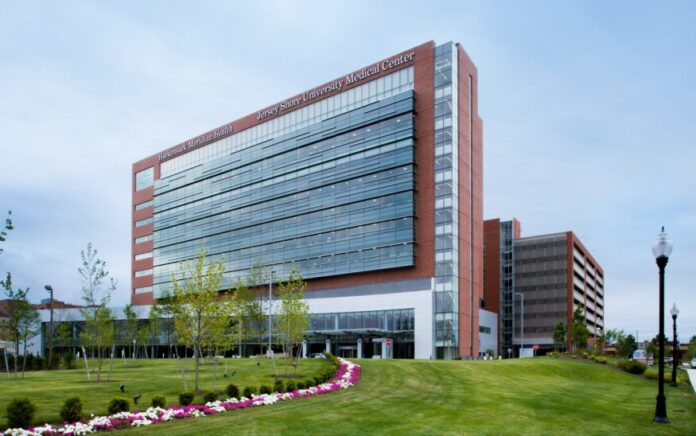

New Jersey’s healthcare system has reached a defining milestone, with a significant number of its hospitals earning national distinction as some of the safest in the United States for 2026. Recognized through Healthgrades’ Patient Safety Excellence Award—an honor reserved for the top 10% of hospitals nationwide—these facilities represent the highest standard in minimizing preventable complications, improving outcomes, and delivering consistent, high-quality care across a wide spectrum of medical services.
New Jersey Hospitals Ranked Among the Safest in the Nation (Healthgrades 2026)
Core Patient Safety Excellence + Top Clinical Performance Facilities
- Bayshore Medical Center (Holmdel)
- Chilton Medical Center (Pompton Plains)
- Cooperman Barnabas Medical Center (Livingston)
- Hackensack University Medical Center (Hackensack)
- Jersey Shore University Medical Center (Neptune)
- Morristown Medical Center (Morristown)
- Newton Medical Center (Newton)
- Ocean University Medical Center (Brick)
- Overlook Medical Center (Summit)
- Riverview Medical Center (Red Bank)
- Robert Wood Johnson University Hospital Somerset (Somerville)
- The Valley Hospital (Paramus/Ridgewood area)
Additional NJ Facilities Frequently Included in Safety/Excellence Groupings
- Hackettstown Medical Center
- Raritan Bay Medical Center (Perth Amboy)
📊What This Ranking Actually Means
- These hospitals are part of the top tier nationally for patient safety outcomes
- Healthgrades analyzed ~4,500 hospitals using Medicare data (2022–2024)
- Metrics include:
- Surgical complications
- Hospital-acquired infections
- Respiratory failure
- Falls, pressure injuries, and preventable events
Patients treated at these hospitals are statistically less likely to experience major preventable complications.
This recognition is not symbolic; it is data-driven, comprehensive, and rooted in measurable performance. Healthgrades evaluated approximately 4,500 hospitals across the country using Medicare data spanning multiple years, focusing on 13 critical patient safety indicators. These metrics include rates of surgical complications, hospital-acquired infections, respiratory failure, pressure injuries, and other preventable adverse events. Hospitals that achieve this distinction demonstrate a sustained ability to protect patients at every stage of care, from admission through recovery.
For New Jersey, the results are both significant and revealing. The state has long maintained a reputation for strong healthcare infrastructure, but the concentration of hospitals achieving top-tier safety performance in 2026 underscores a broader shift—one in which clinical precision, operational discipline, and patient-centered care converge to create a consistently high standard across multiple regions.
Among the facilities recognized are Bayshore Medical Center, Chilton Medical Center, and Cooperman Barnabas Medical Center, each of which has demonstrated excellence in both safety outcomes and overall clinical performance. These hospitals are joined by Hackensack University Medical Center and Jersey Shore University Medical Center, two of the state’s most prominent institutions, whose inclusion reflects their continued leadership in delivering complex, high-acuity care while maintaining strong safety metrics.
Further reinforcing this statewide achievement are Morristown Medical Center and Overlook Medical Center, both of which have built reputations for combining advanced medical capabilities with patient-focused environments. In more regional markets, facilities such as Newton Medical Center and Ocean University Medical Center highlight the depth of quality care available beyond major urban centers, ensuring that high safety standards are accessible across the state.
The list continues with Riverview Medical Center and Robert Wood Johnson University Hospital Somerset, both of which have demonstrated consistent performance in reducing preventable complications, as well as The Valley Hospital, a facility widely recognized for its comprehensive approach to patient care. Additional hospitals frequently included in safety and excellence groupings, such as Hackettstown Medical Center and Raritan Bay Medical Center, further expand the scope of New Jersey’s presence within this national ranking.
What makes this recognition particularly meaningful is the consistency it represents. Patient safety is not achieved through isolated successes; it requires coordinated systems, rigorous protocols, and a culture of accountability that permeates every level of hospital operations. From infection control procedures to surgical precision and post-operative monitoring, each of these facilities has demonstrated the ability to execute at a level that reduces risk and improves patient outcomes.
As explored through Explore New Jersey’s dedicated health & wellness coverage, the state’s healthcare sector is increasingly defined by its integration of advanced technology, clinical expertise, and patient-centered design. Hospitals are not only investing in new equipment and facilities, but also in data analytics, staff training, and process improvements that allow them to identify potential risks before they escalate into complications. This proactive approach is a key factor in achieving and maintaining top-tier safety performance.
The implications of these rankings extend beyond institutional recognition. For patients, they provide a level of assurance that care will be delivered within an environment that prioritizes safety at every step. Statistically, individuals treated at these hospitals are less likely to experience major preventable complications, a factor that can significantly influence both short-term recovery and long-term health outcomes. In a healthcare landscape where choice and access are increasingly important, this level of performance becomes a critical differentiator.
For New Jersey as a whole, the concentration of high-performing hospitals reinforces the state’s position as a leader in healthcare delivery. It reflects a system that is not only capable of meeting national standards, but of exceeding them in meaningful and measurable ways. This is particularly significant in a region where population density and demand for services place additional pressure on healthcare providers to maintain both efficiency and quality.
The 2026 Healthgrades recognition also highlights an important trend within the industry: the growing emphasis on transparency and accountability. Patients are more informed than ever, and rankings based on objective data provide a valuable tool for evaluating where to seek care. For hospitals, this creates both an opportunity and a responsibility—to continuously improve, to adapt to new challenges, and to ensure that safety remains at the forefront of every decision.
As the healthcare landscape continues to evolve, the achievements of these New Jersey hospitals serve as a benchmark for what is possible when systems, leadership, and clinical expertise align. They represent not just individual successes, but a collective standard that elevates the entire state.
In a field where outcomes matter above all else, New Jersey’s presence among the nation’s safest hospitals is more than a distinction—it is a reflection of a healthcare system that is actively shaping the future of patient care, one outcome at a time.