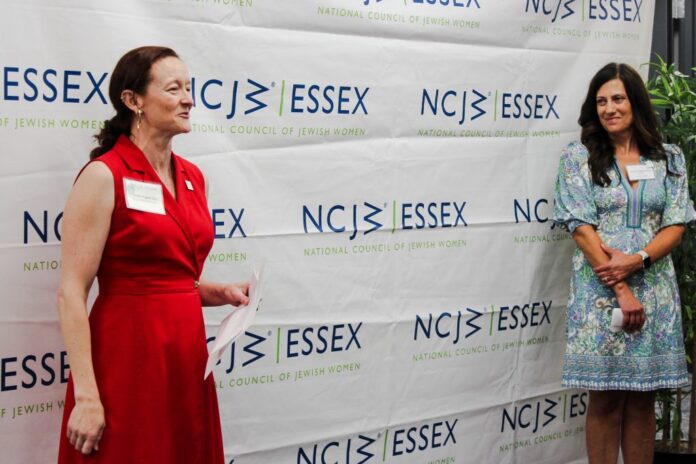

A defining moment in New Jersey’s nonprofit and civic leadership landscape has officially taken shape as the National Council of Jewish Women, Essex County Section (NCJW/Essex) announces its transition to an independent nonprofit organization, marking a strategic and forward-looking evolution that will culminate in a new identity: Tovah. The announcement, made in Roseland on March 25, 2026, signals not only a name change but a comprehensive reimagining of how one of the state’s most enduring advocacy organizations will operate, grow, and serve communities across New Jersey moving forward.
For more than a century, NCJW/Essex has stood as a pillar of service, advocacy, and volunteerism, rooted in a legacy that dates back to its founding in 1912. As part of the broader National Council of Jewish Women network—originally established in 1893—the Essex County section has built a reputation for translating values into action, consistently delivering meaningful programs and championing causes that directly impact women, children, and families. Now, with the transition to Tovah, the organization is embracing a structure that allows for greater autonomy, increased flexibility, and an even sharper focus on the specific needs of the communities it serves.
The name “Tovah,” meaning “good,” is both symbolic and intentional. It encapsulates the organization’s enduring mission while reinforcing a renewed commitment to measurable impact. This is not a departure from its past, but rather a refinement of purpose—an effort to align identity with action in a way that resonates across generations and communities. Powered by a deeply engaged volunteer base and supported by experienced leadership, Tovah is positioned to expand its reach while maintaining the integrity of its foundational work.
Leadership within the organization has made it clear that this transition is rooted in strength, not necessity. With a solid financial foundation, a dedicated board, and a committed professional staff, the move to independence reflects confidence in the organization’s ability to chart its own course. It is a calculated step designed to enhance responsiveness, allowing Tovah to address emerging issues with greater speed and precision while continuing to build on a legacy of proven success.
At the heart of this transition is a commitment to continuity in programming—ensuring that the initiatives that have defined NCJW/Essex for decades remain not only intact but strengthened. The Back 2 School Store, one of the organization’s most widely recognized and impactful programs, will continue to provide an empowering and dignified shopping experience for nearly 1,000 children each year. By equipping students with clothing, school supplies, and essential resources, the program addresses immediate needs while fostering confidence and readiness for the academic year ahead.
Equally central to the organization’s mission is its Center for Women, a vital resource that supports hundreds of individuals as they navigate employment pathways and career development. Through counseling, skills training, and ongoing guidance, the center plays a critical role in helping women achieve economic independence and long-term stability. Under the Tovah name, this work will not only continue but evolve, reflecting the changing dynamics of the workforce and the increasing demand for accessible, high-quality support services.
Beyond direct service, Tovah’s advocacy agenda remains a cornerstone of its identity, with a renewed emphasis on coalition-building and statewide impact. The organization will continue to engage on key issues including reproductive justice, voting rights, and gun violence prevention, aligning with partners and stakeholders to advance policies that promote equity, safety, and opportunity. This advocacy is not conducted in isolation but as part of a broader network of voices working to shape New Jersey’s legislative and social landscape.
The transition also opens the door for expanded engagement opportunities, particularly for members and volunteers seeking meaningful ways to contribute. Tovah is committed to creating new pathways for participation that reflect the diverse interests and capacities of its community, ensuring that involvement is both accessible and impactful. This focus on connection—across generations, backgrounds, and perspectives—reinforces the organization’s role as not just a service provider, but a hub for civic engagement and collective action.
From a governance perspective, the decision to become an independent nonprofit was driven by a clear assessment of long-term sustainability and effectiveness. The organization’s Board of Directors identified independence as the most strategic path forward, enabling Tovah to align its resources, priorities, and operations more closely with the needs of its members and the communities it serves. The recent approval of 501(c)(3) status by the IRS formalizes this shift, providing the structural foundation necessary for continued growth and innovation.
The process of transition will continue through the coming months, with a formal membership vote on the name change scheduled for June 2026. Full disaffiliation from NCJW, Inc. is expected by the summer, marking the official launch of Tovah as a standalone entity. Throughout this period, the organization remains focused on maintaining stability while preparing for the opportunities that lie ahead.
This development represents more than an internal organizational change; it reflects a broader evolution within New Jersey’s nonprofit sector, where legacy institutions are adapting to meet contemporary challenges with renewed clarity and purpose. Tovah’s emergence underscores the importance of local leadership in driving meaningful change, demonstrating how organizations can honor their history while positioning themselves for the future.
Explore New Jersey continues to highlight these pivotal moments through its comprehensive art and culture coverage, capturing the intersection of community, advocacy, and cultural identity that defines the state’s dynamic landscape. The transition from NCJW/Essex to Tovah stands as a powerful example of that intersection in action, illustrating how institutions can evolve to better serve the people and causes at the heart of their mission.
As Tovah prepares to take its place as an independent force within New Jersey, it does so with a clear vision and a strengthened capacity to deliver impact. The organization’s commitment to doing good—expressed through service, advocacy, and connection—remains unwavering, now supported by a structure designed to amplify its reach and effectiveness. In a time when communities are seeking both stability and progress, Tovah emerges as a model of how thoughtful transformation can lead to lasting, meaningful change.