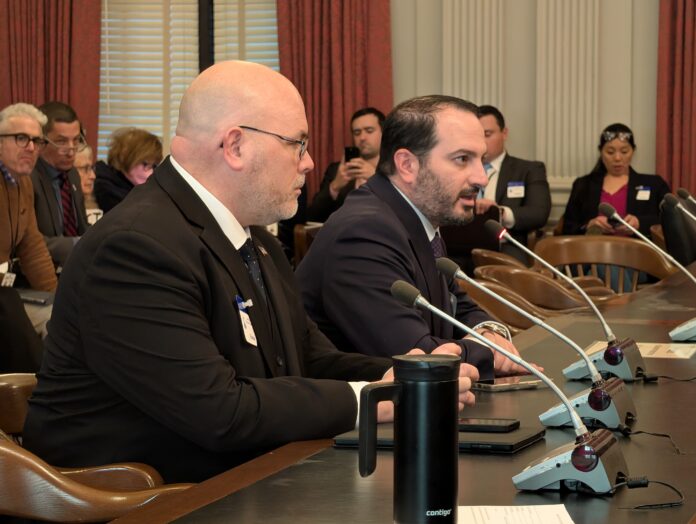

New Jersey has taken a decisive and long-overdue step in recognizing the full scope of risks carried by those who serve on the front lines of public safety. Beyond the visible dangers that define their professions, first responders across the state—police officers, firefighters, EMTs, and other emergency personnel—operate under a sustained psychological burden that has historically been underacknowledged and, in many cases, insufficiently protected. A new state law now directly addresses that gap, establishing clear protections for first responders seeking treatment for work-related post-traumatic stress disorder (PTSD) and reinforcing their right to pursue care without fear of retaliation, stigma, or professional consequence.
This legislative advancement signals a meaningful shift in how New Jersey approaches behavioral health within its workforce, particularly among those whose daily responsibilities place them in high-trauma environments. The law recognizes PTSD not as an abstract or secondary concern, but as a legitimate occupational hazard—one that requires the same seriousness, structural support, and legal backing as physical injury. In doing so, the state is aligning its policies with a growing body of medical and occupational research that underscores the cumulative psychological toll of emergency response work.
For years, first responders have navigated an unspoken paradox. While they are trained to respond to crisis, absorb trauma, and maintain composure under extreme pressure, the systems surrounding them have not always provided adequate pathways for recovery. Concerns over job security, departmental perception, and career advancement have often discouraged individuals from seeking help, even when symptoms of PTSD—such as chronic anxiety, sleep disruption, emotional withdrawal, or intrusive memories—become impossible to ignore. The result has been a silent crisis, one that impacts not only individual health but also team cohesion, long-term retention, and overall public safety outcomes.
The new law directly confronts this reality by codifying protections that eliminate ambiguity around mental health care access. First responders can now pursue diagnosis, counseling, and treatment for PTSD with reinforced assurance that doing so will not jeopardize their employment status or professional standing. This is not merely a policy adjustment; it is a structural recalibration of workplace culture, designed to normalize behavioral health care as a standard component of occupational wellness.
Importantly, the law also reinforces the concept of parity between physical and mental health in workplace protections. Just as an injury sustained in the line of duty would be treated without question, psychological trauma resulting from repeated exposure to emergencies is now afforded the same legitimacy. This alignment is critical in reshaping institutional attitudes and reducing the stigma that has historically surrounded mental health within high-performance, high-resilience professions.
Across New Jersey, this development integrates seamlessly into a broader and increasingly visible emphasis on health and wellness initiatives. The state has expanded its focus on comprehensive well-being, recognizing that physical fitness, mental resilience, and emotional stability are interconnected pillars of a functional and sustainable workforce. Within the context of health and wellness in New Jersey, the law stands as a cornerstone policy—one that not only protects individuals but also elevates the standard for how organizations support their personnel.
From an operational standpoint, the implications are substantial. Departments and agencies are now encouraged—and in many cases required—to ensure that mental health resources are accessible, confidential, and integrated into existing support frameworks. This includes partnerships with licensed professionals, peer support programs, and structured pathways for early intervention. The emphasis shifts from reactive care to proactive engagement, enabling first responders to address symptoms before they escalate into more severe conditions.
The cultural impact may ultimately prove even more significant than the legal protections themselves. By removing barriers to care, the law fosters an environment where seeking help is viewed not as a weakness, but as a responsible and necessary action. This shift has the potential to improve morale, reduce burnout, and enhance overall job performance, creating a more resilient workforce capable of sustaining the demands of public safety over the long term.
New Jersey’s action also positions it as a leader in a national conversation that is gaining urgency. Across the country, states are grappling with how best to support first responders in the face of rising mental health challenges, increased call volumes, and the lingering effects of high-profile crises. By establishing clear, enforceable protections, New Jersey provides a model that other jurisdictions can evaluate and potentially replicate.
At its core, this law is about acknowledgment—acknowledgment that the cost of service extends beyond what is visible, and that those who protect the public deserve comprehensive protection in return. It affirms that mental health is not ancillary to the mission of public safety; it is central to it. By safeguarding the rights of first responders to seek help without fear, New Jersey is not only addressing an urgent need but also redefining what it means to truly support those who stand on the front lines every day.
As awareness continues to grow and implementation unfolds across agencies statewide, the long-term effects of this legislation will be measured not only in compliance but in lives improved, careers sustained, and communities strengthened. In elevating behavioral health to a position of equal importance, New Jersey is setting a new standard—one rooted in responsibility, respect, and an evolving understanding of what it takes to serve and to endure.