The Lovin’ Spoonful
The Lovin’ Spoonful Bring Their Defining Sound of the 1960s Back to New Jersey for a One-Night Celebration of American Pop History
May 8 @ 20:00 – 23:30
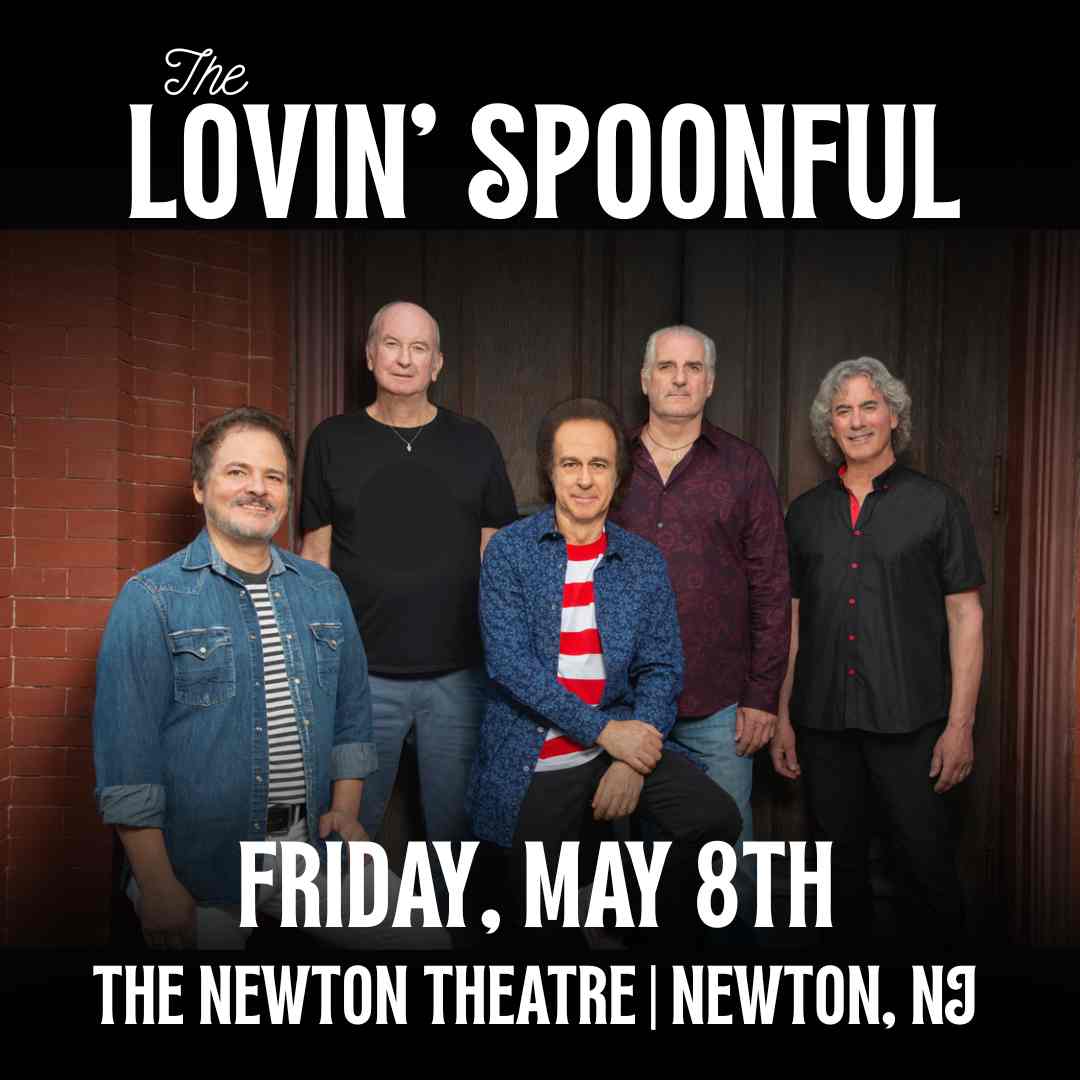
On Friday, May 8, 2026, at 8:00 PM, one of the most influential and enduring bands of the 1960s returns to the stage as The Lovin’ Spoonful arrive in New Jersey for an all-ages performance that reconnects audiences with a catalog that helped define the sound of an era. This is not simply a nostalgic revival—it is a living continuation of a musical legacy that shaped American pop, folk-rock, and radio culture at a time when the industry itself was undergoing seismic change.
For New Jersey’s thriving live entertainment scene, this performance reinforces the state’s role as a premier destination for artists whose impact transcends generations. Across the broader music landscape, New Jersey continues to host events that merge cultural history with present-day performance, and few groups embody that intersection as powerfully as The Lovin’ Spoonful.
Formed in New York City’s Greenwich Village in 1965, The Lovin’ Spoonful emerged from a creative environment that was rapidly becoming the epicenter of American musical innovation. The band—originally led by John Sebastian, alongside Steve Boone, Joe Butler, and Zal Yanovsky—quickly distinguished itself with a sound that blended folk sensibilities, pop accessibility, and a distinctly American perspective at a time when British acts were dominating global charts. Their rise was immediate and undeniable. In a remarkably short span, their first seven singles each broke into Billboard’s Top 10, establishing a commercial and cultural footprint that few bands have matched.
At the core of that success was songwriting that felt both effortless and deeply crafted. The Lovin’ Spoonful specialized in songs that captured everyday emotion with clarity and warmth, creating music that was instantly relatable while remaining musically sophisticated. Tracks like “Do You Believe in Magic,” which served as their breakthrough single, became more than hits—they became generational touchstones, setting the tone for a catalog that would continue to expand with consistency and impact.
What followed was an extraordinary run of releases that defined mid-1960s American pop: “Daydream,” “Younger Girl,” “You Didn’t Have to Be So Nice,” “Did You Ever Have to Make Up Your Mind,” and the era-defining “Summer in the City,” a track that not only topped the charts but captured the tension and energy of urban life with a sound that still resonates decades later. Additional songs such as “Darling Be Home Soon,” “Nashville Cats,” “Rain on the Roof,” and “Jug Band Music” further demonstrated the band’s versatility, moving seamlessly between introspective ballads, upbeat pop, and genre-blending experimentation.
The cultural reach of The Lovin’ Spoonful extended well beyond radio airplay. Their presence on major television platforms of the time—including The Ed Sullivan Show, Hullabaloo, and Shindig!—cemented their visibility and influence, placing them directly in the living rooms of millions during a defining moment in entertainment history. Their music did not simply reflect the times; it helped shape them.
Perhaps most telling is the recognition they received from their peers. Artists such as Paul McCartney and Brian Wilson have cited The Lovin’ Spoonful as a source of inspiration, while John Lennon famously referred to them as “tunesmiths,” a nod to the band’s exceptional songwriting craftsmanship. This level of respect from some of the most revered figures in music history underscores the band’s importance not just as performers, but as architects of sound and style during one of the most competitive and creatively rich periods in popular music.
Today’s touring lineup carries that legacy forward with both precision and authenticity. Featuring founding member Steve Boone alongside Jeff Alan Ross, Bill Cinque, Rob Bonfiglio, and Mike Auturi, the current incarnation of The Lovin’ Spoonful remains committed to preserving the spirit and integrity of the original recordings while delivering performances that feel immediate and alive. There is a deliberate balance at play—honoring the past without reducing it to a static recreation. The result is a live experience that resonates with longtime fans while remaining accessible to new audiences discovering the music for the first time.
Their induction into the Rock and Roll Hall of Fame in 2000 stands as formal recognition of a career that helped define an era, but the true measure of their impact is found in the continued relevance of their songs. These are compositions that have endured not because of nostalgia alone, but because of their structure, melody, and emotional clarity. They remain as effective today as they were at the height of their original release cycle.
For New Jersey audiences, the May 8 performance offers more than a retrospective—it provides a direct connection to a foundational chapter in American music history. In a live setting, these songs take on renewed dimension, allowing listeners to experience the nuances of arrangement and performance that recordings alone cannot fully capture. It is an opportunity to hear a body of work that helped define the sound of the 1960s, performed by musicians who understand both its origins and its enduring appeal.
As the state continues to solidify its position as a key player in the national live music circuit, events like this highlight the importance of presenting artists whose influence extends far beyond their original moment. The Lovin’ Spoonful represent a rare combination of commercial success, critical respect, and lasting cultural impact—qualities that align perfectly with the expectations of New Jersey’s audiences and the standards of its venues.
On May 8, the stage will belong to a band whose music helped shape the direction of American pop at a pivotal moment in history. Decades later, that music continues to resonate, not as a relic of the past, but as a living, breathing expression of creativity that remains as compelling now as it was when it first captured the world’s attention.