Film: Basquiat
Basquiat Returns to the Big Screen in New Jersey: A Defining Cinematic Experience Anchoring Art, Film, and Cultural Legacy
April 22 @ 14:00 – 16:00
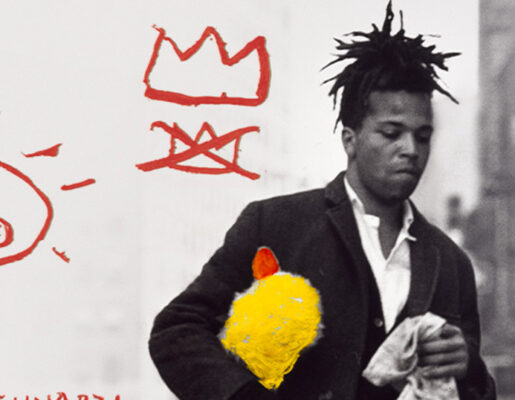
New Jersey’s film and cultural programming continues to operate at a level of depth and intention that places it firmly within the national conversation, and on Wednesday, April 22, 2026, that commitment is brought into sharp focus with a special screening of Basquiat at 2:00 PM. More than a film presentation, this event represents a layered cultural experience—one that bridges cinema, visual art, and critical dialogue while reinforcing the state’s growing role as a destination for meaningful, curated film programming.
Directed by Julian Schnabel, Basquiat stands apart from conventional biographical storytelling. Rather than constructing a linear narrative, the film immerses audiences in the fragmented, electric world of 1980s downtown Manhattan, capturing the energy, volatility, and artistic revolution that defined the era. At its center is Jean-Michel Basquiat, portrayed with striking depth by Jeffrey Wright in his first leading role, whose performance anchors the film with both intensity and vulnerability. The portrayal does not attempt to simplify or sanitize Basquiat’s life; instead, it presents a complex portrait of an artist navigating the intersecting pressures of sudden fame, systemic racism, creative identity, and personal struggle.
What makes this particular screening especially significant is its presentation format. The film is shown in Schnabel’s own black-and-white remastering, a visual reinterpretation that transforms the viewing experience into something more contemplative and texturally rich. The absence of color shifts the focus toward composition, movement, and emotional resonance, allowing audiences to engage with the material in a way that feels both immediate and reflective. It is a deliberate artistic choice that aligns with the film’s overall approach—less about documenting a life and more about evoking its essence.
The film’s ensemble cast further deepens its impact, most notably through David Bowie’s portrayal of Andy Warhol. Bowie’s performance is not merely an impression but a nuanced embodiment that captures Warhol’s presence within the art world while also highlighting his relationship with Basquiat. Their dynamic becomes a central thread within the film, reflecting broader themes of mentorship, influence, and the shifting power structures within the art scene of the time.
This screening is also uniquely positioned within a broader cultural framework. Selected by film historian and educator Gerard Amsellem in response to the exhibition Iconic: Kathleen Gilje Repaints Art History, the event extends beyond the screen into a larger conversation about art, reinterpretation, and legacy. Amsellem’s involvement is not incidental; it is integral to the experience. Following the screening, he will lead a moderated Q&A, offering audiences an opportunity to engage directly with the film’s themes and contextual significance.
Amsellem’s background reinforces the depth of this engagement. As an artist, filmmaker, and educator, he has dedicated his career to advancing film as a serious artistic medium. His work spans short films, educational initiatives, and ongoing independent projects, all rooted in a philosophy that emphasizes accessibility and intellectual rigor. His production company, New Waves Productions, operates with a clear mission: to elevate cinema as an art form while ensuring that high-quality film remains accessible to a broad audience. His presence at this event transforms the screening from a passive viewing into an active dialogue, where interpretation and insight become part of the experience.
From a programming standpoint, this event reflects a broader trend within New Jersey’s cultural institutions—one that prioritizes curated, interdisciplinary experiences over isolated presentations. The integration of film, visual art, and academic discussion creates a multidimensional environment that appeals to a diverse audience, from cinephiles and art historians to students and casual attendees seeking a deeper engagement with the material. This approach is increasingly evident across Explore New Jersey’s film and TV coverage, where events are designed not only to entertain but to inform and inspire.
Accessibility remains a key component of the event’s structure. With ticket pricing set at $18 for general admission and $15 for members, the screening is positioned to reach a wide audience without compromising the quality of the experience. The inclusion of a modest handling fee aligns with industry standards, while box office support ensures that purchasing remains straightforward. This balance between accessibility and excellence is a defining characteristic of New Jersey’s current cultural programming, reflecting a commitment to both inclusivity and artistic integrity.
The choice of Basquiat as the centerpiece of this event is particularly resonant in today’s cultural climate. The film’s exploration of identity, authorship, and the commodification of art remains as relevant now as it was at the time of its release. Basquiat’s journey—from graffiti artist to internationally recognized figure—continues to serve as both inspiration and caution, highlighting the opportunities and challenges that come with visibility in the art world. The film does not offer easy answers; instead, it invites viewers to grapple with these complexities, making it an ideal subject for post-screening discussion.
In the context of New Jersey’s evolving cultural identity, events like this signal a clear direction. The state is no longer simply a peripheral player in the arts landscape; it is actively shaping conversations and creating platforms for meaningful engagement. By hosting screenings that combine cinematic excellence with intellectual discourse, New Jersey is positioning itself as a hub for thoughtful, high-impact cultural experiences.
As April 22 approaches, this screening of Basquiat stands out as a defining entry in the state’s spring cultural calendar. It offers more than a film—it delivers an immersive encounter with art, history, and the enduring question of what it means to create under the pressures of recognition and expectation. For audiences seeking a film experience that extends beyond the screen and into a broader cultural dialogue, this event represents a rare and compelling opportunity to engage with one of the most influential artistic narratives of the modern era.