Copland, Saint-Saëns & Prokofiev
May 9 @ 20:00 – May 10 @ 23:30
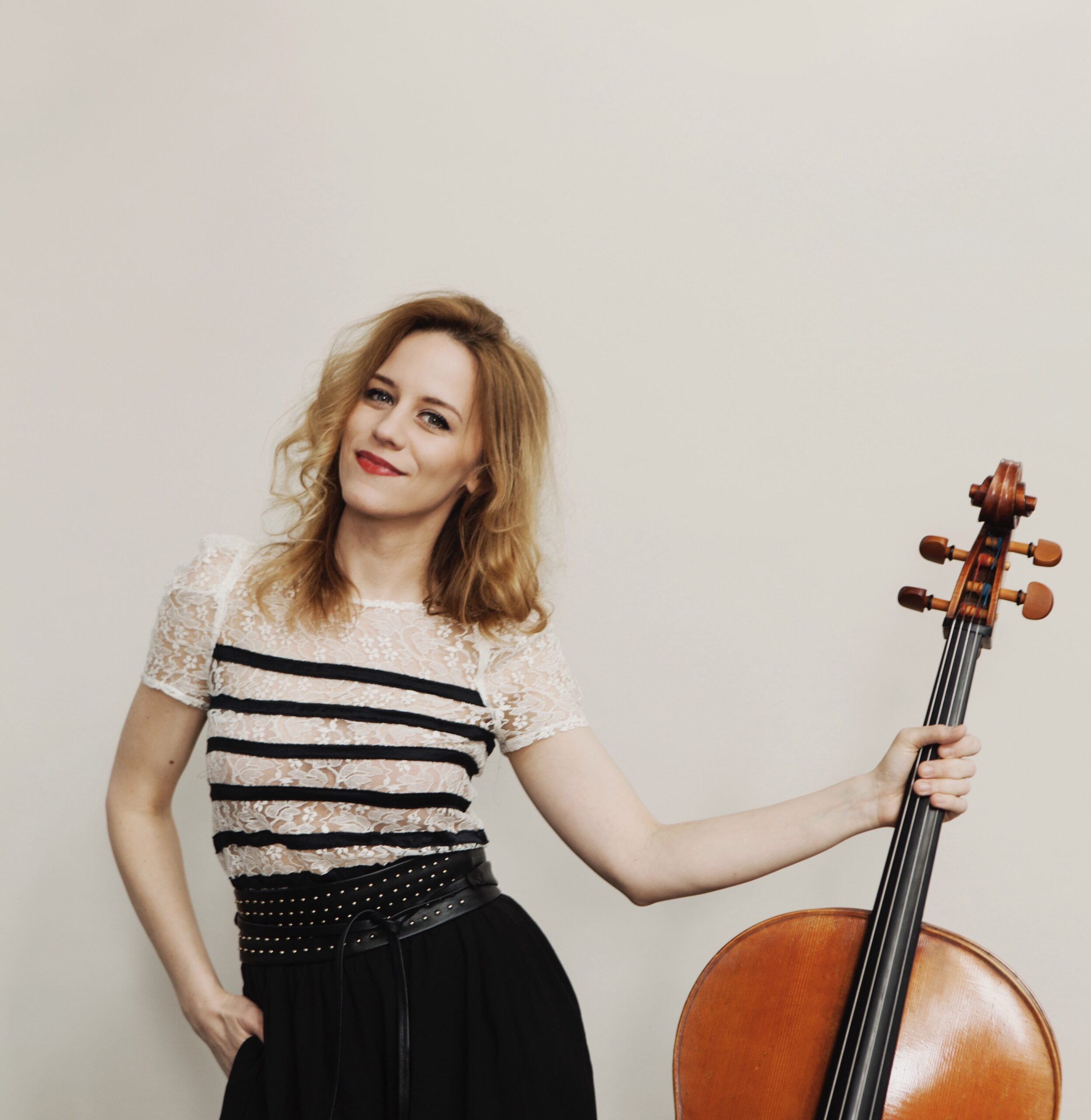
Explore New Jersey’s classical music landscape reaches a defining moment this spring as Princeton University Concerts presents a commanding orchestral program that bridges emotional depth, historical resonance, and virtuosic brilliance. The Edward T. Cone Concert, set for Saturday, May 9, 2026 at 7:30 p.m. and Sunday, May 10, 2026 at 4:00 p.m. at Richardson Auditorium, is not simply another addition to the region’s cultural calendar—it is a carefully curated artistic statement that underscores New Jersey’s role as a serious destination for world-class classical performance.
At the center of this highly anticipated event is Serbian-born cellist Maja Bogdanović, whose long-awaited debut at Richardson Auditorium signals a major artistic arrival for audiences across the state. Widely celebrated for her expressive intensity and tonal richness, Bogdanović brings a rare combination of technical precision and emotional storytelling that aligns seamlessly with the evening’s repertoire. Her performance of Camille Saint-Saëns’ Cello Concerto No. 1 in A Minor, Op. 33 anchors the program with a work that remains one of the most beloved in the cello canon, known for its lyrical immediacy and structural ingenuity.
This concert is not merely about showcasing a single soloist; it is a fully realized orchestral experience shaped under the direction of conductor Rossen Milanov, whose interpretive clarity and dynamic leadership have earned international recognition. Milanov’s approach to programming reflects a deep understanding of narrative within music, and this particular lineup—featuring Aaron Copland’s Letter from Home and Sergei Prokofiev’s Symphony No. 5—creates a powerful thematic arc rooted in humanity, resilience, and the enduring spirit of expression.
Copland’s Letter from Home, composed in 1944 during the height of World War II, opens the program with a deeply personal and introspective tone. The piece captures the emotional weight of distance and longing, evoking the experience of soldiers receiving letters from loved ones. It is quintessential Copland—transparent, sincere, and unmistakably American in its voice—yet universally relatable in its emotional reach. In the context of today’s world, the work resonates with renewed poignancy, offering audiences a moment of quiet reflection before the program expands into broader emotional territory.
The transition into Saint-Saëns’ concerto provides a striking contrast while maintaining thematic continuity. The concerto’s seamless structure, performed without traditional pauses between movements, creates a sense of continuous narrative flow. Bogdanović’s interpretation is expected to highlight the work’s duality—its elegance and its urgency—while drawing out the expressive nuances that have made it a cornerstone of the repertoire. Saint-Saëns, widely recognized for his iconic composition The Carnival of the Animals, brings the same melodic sophistication to this concerto, particularly in passages that echo the lyrical beauty associated with “The Swan,” one of the most enduring pieces written for cello.
Closing the program is Prokofiev’s Symphony No. 5 in B-flat Major, Op. 100, a monumental work that stands as one of the composer’s most celebrated achievements. Also written in 1944, the symphony offers a contrasting yet complementary perspective to Copland’s wartime reflection. Where Copland turns inward, Prokofiev expands outward, crafting a sweeping musical narrative that celebrates the strength and dignity of the human spirit. The composer himself described the work as a tribute to the “free and happy man,” emphasizing themes of resilience, generosity, and moral clarity. The symphony’s expansive architecture and emotional breadth provide a fitting culmination to an evening built on depth and intention.
The setting of Richardson Auditorium further elevates the experience. Known for its exceptional acoustics and intimate yet grand atmosphere, the venue allows for a level of sonic clarity that enhances both solo and orchestral performance. It is a space where nuance matters, where every phrase and dynamic shift can be fully appreciated, making it an ideal environment for a program of this caliber.
Accessibility remains a key component of this event, with children ages five and up welcomed and a 50% discount offered with an adult purchase. This commitment to inclusivity reflects a broader effort to cultivate the next generation of classical music audiences while maintaining the high artistic standards that define Princeton University Concerts.
The significance of this performance extends beyond the stage. Supported by The Edward T. Cone Foundation, with a generous contribution from Len and Laura Berlik, the concert represents a continued investment in the cultural vitality of New Jersey. It is a reminder that meaningful artistic experiences are not confined to major metropolitan centers but are thriving within the state’s own communities, contributing to a dynamic and evolving arts ecosystem.
For those following the pulse of New Jersey’s music scene, this event stands as a clear highlight. It exemplifies the level of artistry, programming sophistication, and cultural relevance that defines the region’s best offerings. Readers exploring more about the state’s thriving live music landscape can discover additional performances and features through Explore New Jersey’s dedicated coverage of [music], where classical, contemporary, and emerging sounds converge.
As anticipation builds for this May engagement, the Edward T. Cone Concert with Maja Bogdanović is positioned to deliver more than a night of exceptional music. It promises a fully immersive artistic experience—one that connects history, emotion, and performance at the highest level, reinforcing New Jersey’s standing as a destination for serious, transformative cultural expression.
Princeton Symphony Orchestra
info@princetonsymphony.org
info@princetonsymphony.org