Compagnie HERVÉ KOUBI Sol Invictus
Compagnie Hervé Koubi Brings Sol Invictus to New Jersey: A Powerful Fusion of Dance, Identity, and Human Connection at State Theatre New Jersey
October 6 @ 20:00 – 23:30
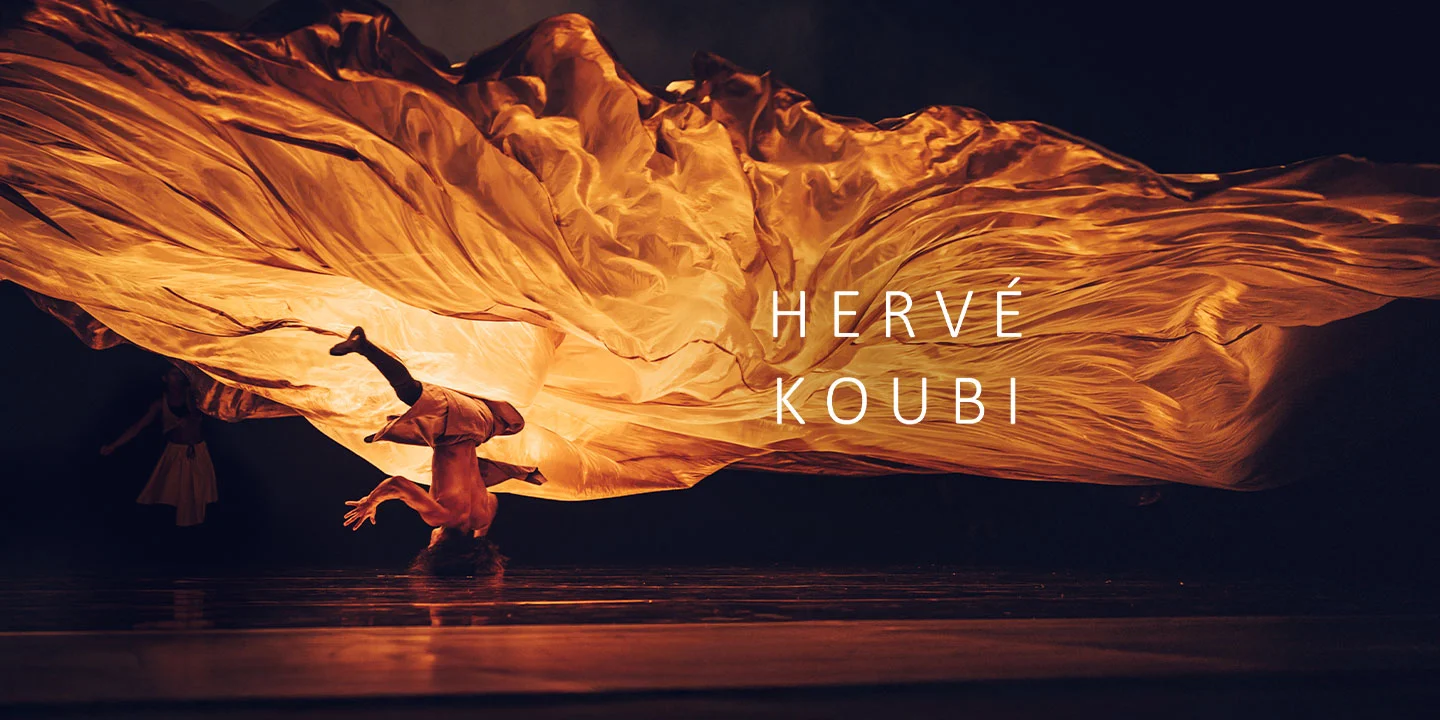
On Tuesday, October 6, 2026, at 7:30 PM, State Theatre New Jersey will host one of the most visually arresting and intellectually compelling performances of the season as Compagnie Hervé Koubi presents Sol Invictus. This is not simply a dance performance—it is a multidisciplinary work that merges movement, narrative, and cultural exploration into a singular experience that challenges perception and expands the boundaries of contemporary performance.
As New Jersey continues to assert itself as a destination for elevated live programming, events of this caliber reinforce the state’s growing influence across the broader music and performing arts landscape. The arrival of Compagnie Hervé Koubi signals a commitment to presenting work that is both globally significant and deeply resonant, offering audiences access to productions that engage with ideas as much as they do with form.
Compagnie Hervé Koubi occupies a distinct space within the world of contemporary dance. Drawing from a wide range of disciplines—including urban dance, capoeira, martial arts, and classical movement traditions—the company constructs performances that feel both grounded and otherworldly. The physical language of the dancers is defined by fluid transitions, explosive energy, and an apparent defiance of gravity, creating moments that feel suspended between athleticism and abstraction.
At the center of this work is Hervé Koubi himself, a choreographer whose personal journey informs the artistic direction of the company. His discovery of his Algerian heritage led to a transformative period of exploration, during which he traveled to Algeria and collaborated with dancers from across the Mediterranean region. This process resulted in a body of work that reflects not only technical innovation but also a deep engagement with questions of identity, origin, and connection.
Sol Invictus, named after the ancient concept of the “invincible sun,” builds upon these themes with a focus on resilience, unity, and the enduring capacity for human connection. The work positions light—not only as a visual element but as a symbolic force—at the center of its narrative. Through movement and staging, the performance explores how individuals and communities navigate fracture and division, ultimately arriving at a sense of shared purpose and collective strength.
The choreography itself is structured to emphasize both individuality and cohesion. Dancers move between moments of intense solo expression and tightly synchronized group sequences, creating a visual dialogue that reflects the tension between personal identity and collective belonging. The transitions between these states are seamless, reinforcing the idea that these elements are not in opposition, but in constant interaction.
The musical composition further enhances this dynamic. Featuring original work by Swedish composer Mikael Karlsson alongside excerpts from Steve Reich and digital compositions by Maxime Bodson, the score provides a layered sonic environment that supports the emotional and physical arc of the performance. The interplay between music and movement is precise, with each element informing the other in a way that elevates the overall experience.
Visually, Sol Invictus is defined by its use of space, light, and contrast. The staging is minimalist yet impactful, allowing the dancers’ movements to take center stage while strategic lighting design shapes the atmosphere. Shadows and illumination are used to create depth and dimension, reinforcing the thematic focus on light as both a literal and metaphorical presence.
What distinguishes this performance is its ability to operate on multiple levels simultaneously. On one level, it is a display of extraordinary physical skill, with dancers executing movements that push the limits of balance, control, and coordination. On another, it is a meditation on cultural identity and shared humanity, offering a narrative that is both personal and universal. This duality is central to Koubi’s work, allowing audiences to engage with the performance in ways that are both immediate and reflective.
For audiences in New Jersey, the presentation of Sol Invictus represents a rare opportunity to experience a company that has garnered international acclaim for its originality and impact. It is a chance to engage with a form of dance that extends beyond traditional frameworks, incorporating elements that speak to a globalized, interconnected world while maintaining a strong sense of artistic integrity.
State Theatre New Jersey provides an ideal setting for this type of performance. The venue’s scale and technical capabilities allow for a fully realized presentation, ensuring that the nuances of movement, lighting, and sound are delivered with clarity and precision. As one of the state’s premier cultural institutions, it continues to attract productions that demand both attention and engagement, making it a fitting stage for a work of this complexity.
As New Jersey’s cultural programming continues to expand, events like this highlight the importance of diversity within the performing arts. They demonstrate a commitment to presenting work that challenges audiences while offering meaningful and memorable experiences. Compagnie Hervé Koubi’s Sol Invictus stands as a testament to the power of dance as a medium for storytelling, exploration, and connection.
On October 6, audiences will encounter a performance that transcends conventional expectations, delivering a work that is as intellectually engaging as it is visually stunning. Through movement, music, and design, Sol Invictus offers a vision of unity and resilience that resonates far beyond the stage, reaffirming the role of the performing arts as a vital component of New Jersey’s cultural identity.