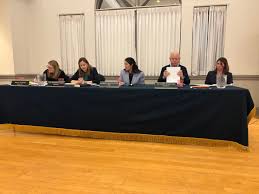

Collingswood residents may be seeing changes in local government as divisions among the borough’s three-commissioner panel come into sharp focus. Elected officials are citing ongoing communication gaps and disagreements in decision-making as catalysts for potential reforms aimed at improving transparency, public engagement, and administrative efficiency.
Among the proposals under discussion is expanding the governing body from three commissioners to five. Advocates for the change argue that a larger panel would allow for more diverse perspectives in policymaking and reduce the concentration of power among a small group of officials. The proposed expansion is expected to enhance debate, foster collaboration, and help ensure that a broader range of community voices is represented in borough decisions.
Another key reform under consideration involves increasing the number and visibility of public work sessions. Currently, meetings of the commission are often limited in scope, leaving some residents feeling disconnected from the decision-making process. By holding additional sessions that are open and accessible to the public, officials hope to provide greater insight into ongoing projects, budgetary decisions, and policy priorities. Proponents emphasize that transparency is essential not only for fostering trust in local leadership but also for encouraging active civic participation.
These developments come at a time when Collingswood, like many municipalities across South Jersey, is navigating complex challenges, from infrastructure improvements to public safety initiatives. Residents and local leaders alike recognize that effective governance requires clear communication, collaboration, and accountability. The proposed changes to the commission structure and meeting practices are being framed as practical steps toward achieving those goals.
Public response has been mixed, with some community members welcoming the potential reforms as overdue modernization, while others remain cautious about the implications of expanding the panel and altering longstanding procedures. Debate over these proposals is expected to continue in the coming months as the commission gathers input, reviews potential models, and considers the legal and logistical steps necessary to implement the changes.
As Collingswood weighs the future of its municipal governance, these discussions reflect a broader trend in local government across the region: balancing efficiency and decisiveness with transparency and community engagement. The outcome of these debates will likely shape the borough’s political landscape and set a precedent for how small municipalities in South Jersey address governance challenges while maintaining public trust.