
Cape May Strengthens Coastal Defenses with Major Seawall Expansion
New Jersey’s commitment to protecting its iconic coastline and preserving the future of the Jersey Shore has taken a major step forward with the official authorization of the Cape May City Seawall Flood Mitigation Project. The initiative, which has secured $24.3 million in federal funding, represents one of the most significant coastal infrastructure investments in South Jersey in recent years and addresses a long-identified vulnerability in the region’s shoreline defenses.
Announced by Congressman Jeff Van Drew on February 13, 2026, the project is designed to strengthen flood mitigation efforts and reinforce coastal protection in one of Cape May’s most vulnerable areas. The funding, awarded through a Federal Emergency Management Agency Flood Mitigation Assistance Grant, enables the long-anticipated project to move toward construction following years of planning, engineering, and federal review.
As climate concerns, storm intensity, and coastal resilience continue to shape policy across New Jersey, the Cape May seawall initiative reflects a broader statewide strategy focused on protecting communities, tourism infrastructure, and environmental resources along the Jersey Shore.
Addressing a Critical Weak Point Identified After Superstorm Sandy
The Cape May City Seawall Flood Mitigation Project directly addresses a critical weakness in the city’s coastal defense system that was originally identified in the aftermath of Superstorm Sandy. The historic storm revealed vulnerabilities across New Jersey’s shoreline, prompting extensive evaluations of coastal infrastructure and long-term resilience planning.
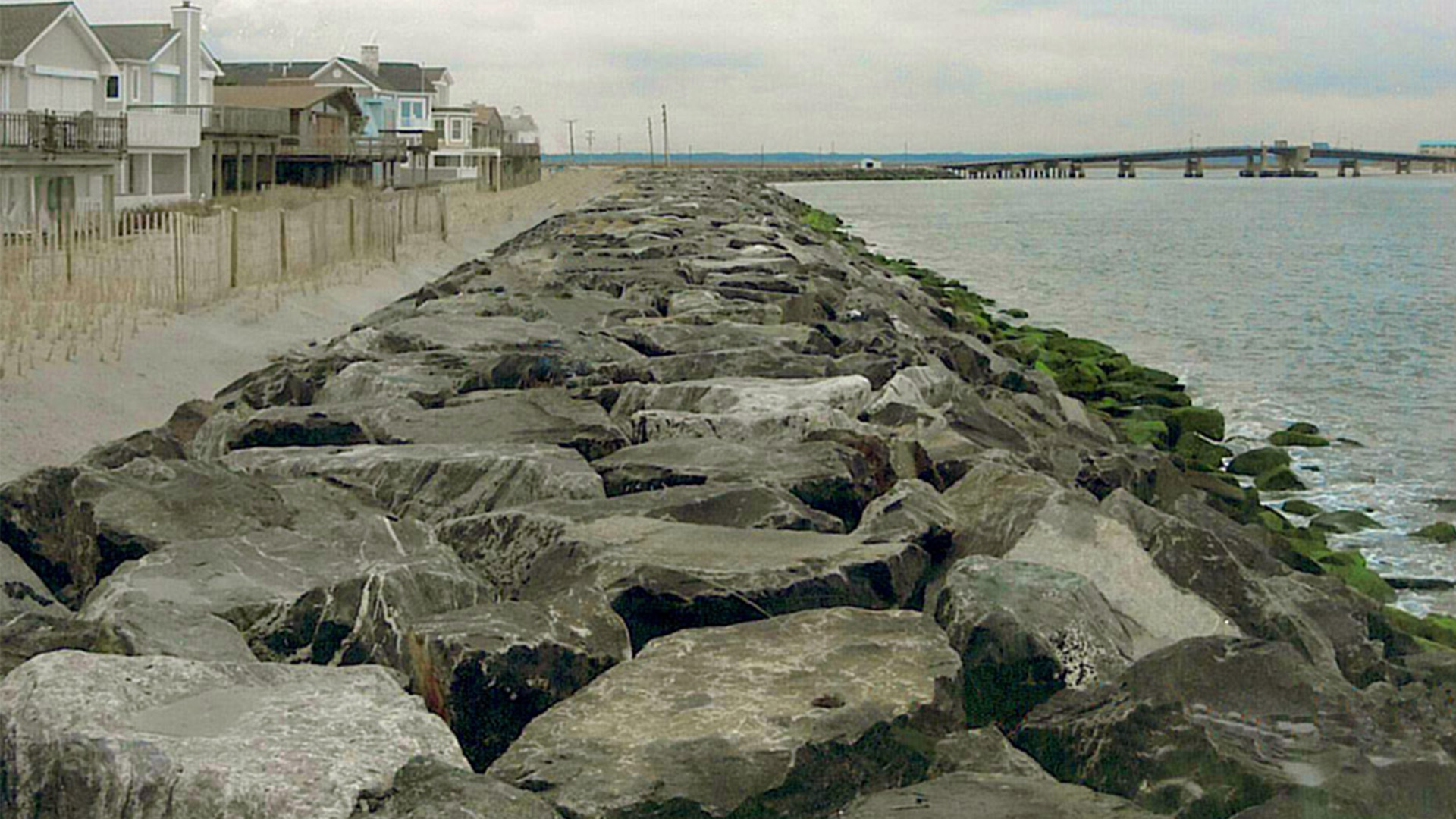
In Cape May, engineers identified a section of the city’s beachfront protection system that required significant reinforcement to prevent future flooding and storm surge damage. The newly authorized project targets this vulnerable area, strengthening defenses against extreme weather events and rising sea levels.
The initiative reflects lessons learned from Sandy and subsequent storm seasons, emphasizing proactive investment in infrastructure designed to withstand future environmental challenges.
Project Scope: Extending the Promenade and Reinforcing Shoreline Protection
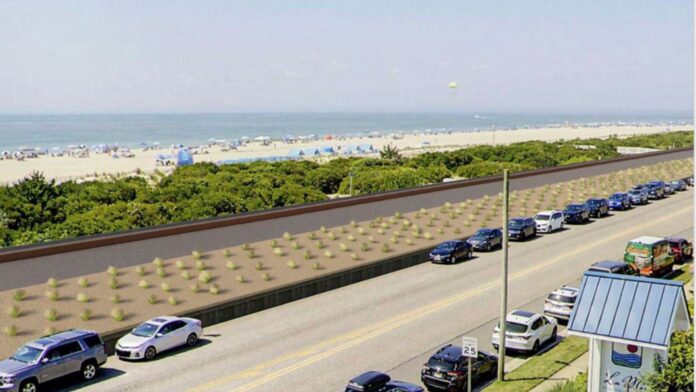
The centerpiece of the project involves extending Cape May’s existing beachfront Promenade — a structure that serves both as a scenic public walkway and a protective seawall.
The extension will:
- Expand the current Promenade from its terminus just east of Madison Avenue
- Continue toward Wilmington Avenue
- Extend down Wilmington Avenue to enhance flood protection
- Reinforce shoreline defenses against storm surge and coastal flooding
- Improve structural resilience of Cape May’s oceanfront infrastructure
This dual-purpose design integrates recreational space with protective engineering, preserving Cape May’s historic coastal charm while enhancing public safety and environmental resilience.
By combining infrastructure protection with public accessibility, the project reflects a modern approach to coastal development that balances community needs with long-term sustainability.
Federal Investment and Multi-Agency Collaboration
The $24.3 million federal investment represents a major milestone for the project and demonstrates continued national support for New Jersey’s coastal resilience initiatives. The funding was secured through FEMA’s Flood Mitigation Assistance program, which supports projects designed to reduce long-term risk to communities and infrastructure.
The project is being implemented through coordinated efforts between:
- The City of Cape May
- The U.S. Army Corps of Engineers
- Federal emergency management agencies
- Local and regional infrastructure planners
This collaborative approach ensures that the project meets both engineering standards and community priorities while maintaining environmental compliance and long-term durability.
After nearly four years of planning and design development, the project’s authorization allows it to move into the construction phase, bringing Cape May closer to enhanced coastal protection.
Strengthening the Future of the Jersey Shore
The Cape May seawall initiative represents a broader effort to safeguard the Jersey Shore, one of New Jersey’s most valuable economic, cultural, and environmental assets. Coastal communities across the state rely heavily on tourism, recreation, and waterfront infrastructure, making shoreline protection essential to long-term regional stability.
In addition to the Cape May project, broader coastal initiatives have focused on:
- Emergency beach repair funding for storm-damaged shore towns such as Ocean City and North Wildwood
- Long-term beach nourishment strategies
- Infrastructure improvements to protect residential and commercial areas
- Federal and state policy initiatives supporting coastal resilience
These investments aim to ensure that the Jersey Shore remains both economically vibrant and environmentally sustainable for future generations.
Readers seeking additional updates on coastal development, tourism, and community initiatives along the region’s coastline can explore more coverage through the Explore New Jersey Jersey Shore section, which highlights ongoing projects shaping the future of New Jersey’s waterfront communities.
A Long-Term Vision for Coastal Resilience
Beyond immediate flood mitigation benefits, the Cape May seawall project reflects a long-term vision for climate adaptation and infrastructure modernization. Coastal communities nationwide face increasing risks from sea-level rise and stronger storms, making proactive investment essential.
The project supports:
- Protection of residential neighborhoods
- Preservation of tourism infrastructure
- Stabilization of coastal ecosystems
- Reduction of future disaster recovery costs
- Enhanced public safety and emergency preparedness
By addressing vulnerabilities before major storm damage occurs, the initiative represents a cost-effective and forward-thinking approach to coastal management.
Political Developments Shape Regional Leadership
The announcement of the seawall project arrives amid significant political developments in Cape May and New Jersey’s 2nd Congressional District. Cape May City Mayor Zack Mullock recently launched a campaign seeking the Democratic nomination to challenge Congressman Jeff Van Drew in the November 2026 general election.
Mullock’s campaign platform emphasizes affordability and infrastructure investment, drawing on his experience overseeing major municipal projects in Cape May, including public safety facilities and coastal improvements such as the seawall initiative.
The Democratic primary is scheduled for June 2, 2026, with multiple candidates competing for party support. The evolving political landscape reflects the growing importance of coastal infrastructure, environmental resilience, and economic stability in regional policy discussions.
Cape May’s Role as a Model for Coastal Communities
Cape May’s proactive approach to shoreline protection positions the city as a model for coastal resilience nationwide. The project demonstrates how historic communities can adapt to environmental challenges while preserving cultural identity and supporting economic growth.
The city’s commitment to infrastructure investment reflects broader trends across New Jersey, where municipalities increasingly prioritize sustainability, climate readiness, and community protection.
Through projects like the seawall expansion, Cape May continues to strengthen its role as both a historic destination and a forward-thinking coastal community.
Advancing New Jersey’s Coastal Future
The authorization of the Cape May City Seawall Flood Mitigation Project marks a defining moment in New Jersey’s ongoing effort to protect its shoreline and enhance resilience along the Atlantic coast. By securing federal funding, advancing infrastructure improvements, and strengthening regional collaboration, the initiative reinforces the state’s leadership in coastal protection and environmental planning.
For residents, visitors, and businesses that depend on the Jersey Shore’s continued vitality, the project represents a critical investment in safety, sustainability, and long-term economic stability.
As construction moves forward, Cape May’s strengthened shoreline will stand as a symbol of New Jersey’s commitment to preserving its coastal heritage while preparing for the challenges of the future.