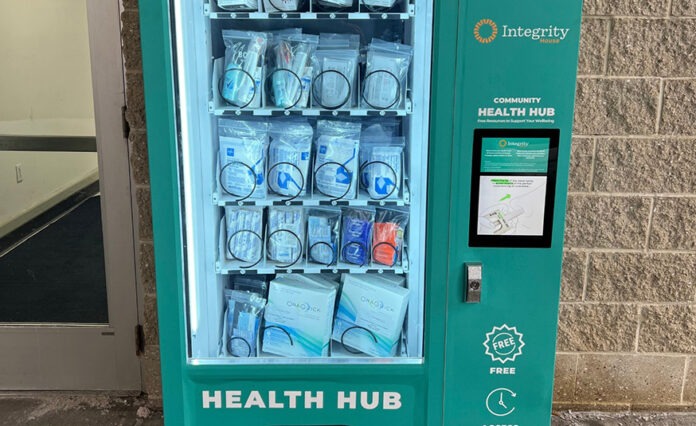

Newark continues to take bold steps toward addressing public health challenges and strengthening community wellness through innovative partnerships. In a move that reflects the growing commitment to harm reduction, prevention, and accessible health care, Integrity House has unveiled a new community health kiosk at University Hospital, providing residents with immediate access to life-saving resources and essential wellness supplies.
The kiosk, located outside the hospital’s emergency department in Newark, represents a significant step forward in bridging the gap between hospital-based care and ongoing community support services. Designed to expand access to critical prevention tools, the hub makes resources such as naloxone, at-home HIV testing kits, and other wellness supplies readily available to the public.
For communities across New Jersey facing the continued impacts of the opioid epidemic, infectious disease risk, and broader health disparities, initiatives like this highlight the evolving role of hospitals and nonprofit organizations in providing comprehensive, community-centered care. It also reflects the broader public health initiatives and wellness programs highlighted across Explore New Jersey’s health and wellness coverage, which spotlight innovative approaches to improving quality of life statewide.
A Community Health Hub Designed for Accessibility
The newly launched kiosk serves as a public access point for harm reduction resources, prevention tools, and everyday health supplies. Positioned just outside the emergency department entrance at University Hospital, the installation ensures that individuals seeking help can obtain resources quickly and discreetly.
Among the items available through the kiosk are:
Naloxone kits used to reverse opioid overdoses
At-home HIV testing kits
Adulterant test strips used to detect dangerous substances in drugs
Safer sex kits and sexual health resources
Pregnancy tests
Menstrual kits
Personal hygiene kits
Wound care supplies
The initiative focuses on lowering barriers to care by ensuring that individuals can obtain these materials without appointments or formal intake procedures. By offering confidential access to prevention tools, the kiosk empowers residents to take proactive steps toward protecting their health and the well-being of those around them.
Public health experts widely recognize harm reduction strategies as one of the most effective methods for preventing overdose deaths, reducing the spread of infectious disease, and connecting individuals to treatment services when they are ready.
Strengthening the Link Between Emergency Care and Community Support
Emergency departments often serve as the first point of contact for individuals experiencing substance use challenges or other urgent health concerns. Recognizing this reality, Integrity House designed the kiosk to extend care beyond the hospital walls.
By placing the resource hub directly outside the emergency department, individuals leaving the hospital—or those visiting loved ones—can access prevention materials and information about additional services in the community.
Integrity House Senior Director of Development and Strategy Naima Briscoe emphasized the importance of expanding access to resources in a way that meets people where they are.
Through the partnership with University Hospital, the kiosk extends support beyond clinical settings and provides immediate access to risk-reduction and wellness tools. The initiative also creates multiple pathways for individuals to connect with ongoing services and treatment programs.
This approach reflects a broader shift in public health strategy, focusing not only on crisis response but also on early intervention and prevention.
A Collaborative Public Health Effort in Newark
The launch of the health services kiosk builds on an ongoing collaboration between Integrity House and University Hospital aimed at improving health outcomes for residents across Newark and surrounding communities.
University Hospital, one of the state’s most critical healthcare institutions, has long served as a frontline provider for individuals facing complex medical, mental health, and substance use challenges. By working alongside community organizations like Integrity House, the hospital continues to expand its reach beyond traditional clinical care.
University Hospital Senior Vice President of Wellness and Population Health Dr. Lois Greene highlighted the importance of collaborative solutions in addressing today’s public health challenges.
According to Greene, the initiative demonstrates what is possible when healthcare providers and community organizations focus on practical, accessible solutions. The kiosk helps patients and residents find services more easily, encourages earlier intervention, and strengthens shared efforts to improve overall health outcomes across Newark.
These types of partnerships are increasingly essential as cities across the country work to respond to rising overdose rates, growing mental health needs, and ongoing health disparities.
Part of a Larger Investment in Emergency Care
The new community health kiosk arrives at a time when University Hospital is also expanding its emergency care capabilities.
In September 2025, the hospital announced the completion of a $20 million expansion of its emergency department, significantly increasing its ability to treat patients and respond to critical health situations.
The expansion represents a major investment in Newark’s healthcare infrastructure and further underscores the hospital’s commitment to providing comprehensive medical services for one of the state’s most densely populated urban centers.
By pairing enhanced emergency care facilities with preventive initiatives like the Integrity House kiosk, the hospital is adopting a holistic approach to community health—one that addresses both immediate medical needs and long-term wellness strategies.
Integrity House: A Leader in Addiction and Mental Health Services
Headquartered in Newark, Integrity House has spent nearly six decades building one of the most comprehensive networks of substance use and mental health services in New Jersey.
Founded 58 years ago, the nonprofit organization has grown into one of the state’s largest licensed providers of addiction treatment and behavioral health programs.
Its services span a wide range of critical care and support initiatives, including:
Residential substance use disorder treatment programs
Outpatient addiction recovery services
Mental health counseling and behavioral health treatment
Physical health support services
Housing assistance programs
Community outreach and prevention initiatives
These programs are designed to provide individuals with the resources necessary to rebuild their lives and achieve long-term recovery.
The organization’s work has earned national recognition. In 2025, Newsweek named Integrity House among America’s Best Addiction Treatment Centers for the second consecutive year, highlighting the organization’s impact and effectiveness in supporting recovery across New Jersey.
Expanding Harm Reduction Strategies Across the State
The introduction of the community health kiosk in Newark reflects a broader statewide effort to expand harm reduction strategies and improve access to prevention tools.
Across New Jersey, public health leaders and nonprofit organizations are working to ensure that life-saving resources such as naloxone are widely available. Naloxone, a medication that reverses opioid overdoses, has become a critical component in combating the ongoing opioid crisis.
Making the medication easily accessible—particularly in high-traffic areas such as hospitals, community centers, and public transit locations—can dramatically increase the chances of saving lives.
Similarly, the availability of at-home HIV testing kits and safer sex resources helps promote early detection and prevention of infectious diseases, allowing individuals to seek treatment sooner and reduce transmission within communities.
By combining these resources into a single accessible location, the Integrity House kiosk creates a centralized point of care for multiple health needs.
A Model for Future Community Health Initiatives
The Newark kiosk may serve as a model for similar initiatives across New Jersey and beyond. As healthcare systems continue to evolve, partnerships between hospitals, nonprofits, and public health agencies are becoming increasingly vital.
These collaborations allow organizations to combine resources, expertise, and community relationships to address complex health challenges more effectively.
For Newark residents, the kiosk represents something tangible and immediate: access to help when it is needed most.
For the broader healthcare community, it demonstrates how relatively small infrastructure additions—when strategically placed and thoughtfully designed—can significantly expand access to critical services.
Building a Healthier Future for Newark
Public health progress often begins with simple yet powerful ideas: removing barriers, increasing awareness, and placing resources directly into the hands of those who need them.
The Integrity House health services kiosk at University Hospital embodies that philosophy. By providing naloxone, HIV testing kits, hygiene supplies, and other essential items in an easily accessible location, the initiative empowers individuals to protect their health and the health of their community.
It also reinforces Newark’s ongoing efforts to address addiction, improve mental health services, and strengthen preventive care strategies.
As organizations across New Jersey continue to invest in innovative wellness initiatives, the partnership between Integrity House and University Hospital stands as an example of what can be achieved when healthcare providers and community organizations work together with a shared mission: improving lives and creating healthier communities.