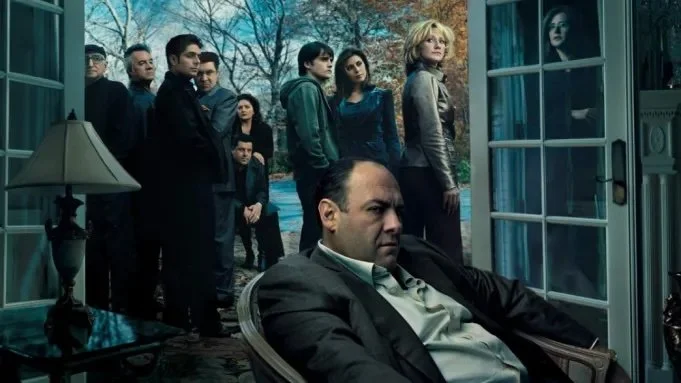

New Jersey’s most iconic television series is about to receive an unusually deep and immersive tribute, as the Museum of the Moving Image in Astoria, Queens prepares to unveil a two-part, multi-month celebration honoring the 25th anniversary of the iconic third season of The Sopranos, widely regarded by critics and fans alike as the creative turning point that elevated the series from a hit drama into a defining work of American television.
1. “Stories and Sets for The Sopranos” (Exhibition)
- Dates: February 14 – May 31, 2026.
- What’s Inside: Curated by Barbara Miller, the exhibit features over 50 pieces from series creator David Chase’s personal archives, including original scripts, production notes, and wardrobe items like those worn by James Gandolfini.
- Behind the Scenes: It focuses on the development of the show’s four main settings—Tony’s home, Dr. Melfi’s office, Satriale’s Pork Store, and the Bada Bing—revealing how they were created using a mix of real NJ locations and studio sets.
2. “Celebrating Season 3” (Screening Series)
The museum will host three special evenings from February 26–28, 2026, featuring screenings of legendary episodes followed by live Q&A sessions with the cast and creator.
| Date | Featured Episode | Special Guests (In Person) |
|---|---|---|
| Feb 26 | “University” | David Chase, Steven Van Zandt |
| Feb 27 | “A Second Opinion” | David Chase, Edie Falco, Dominic Chianese |
| Feb 28 | “Amour Fou” | David Chase, Annabella Sciorra |
Beginning in February 2026, the museum will launch a major original exhibition and a rare in-person screening and conversation series that together explore how a story rooted so deeply in New Jersey locations, culture, and identity reshaped the language of modern television.
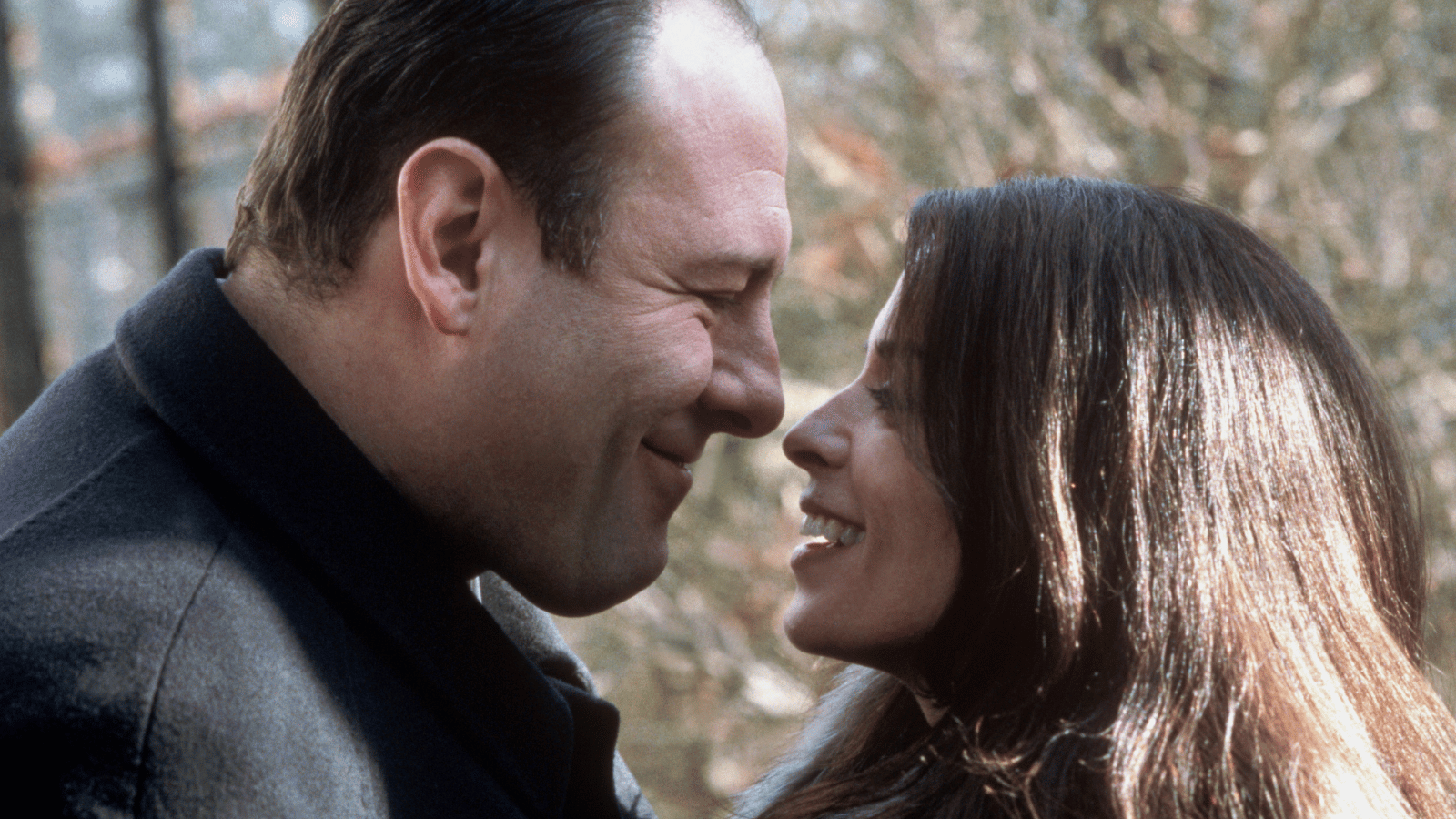
For New Jersey audiences, this moment carries special significance. While the museum itself sits just across the river in Queens, the heart of The Sopranos remains firmly planted in North Jersey, from its suburban streets and storefronts to the emotional and cultural texture that shaped the show’s storytelling. The upcoming presentation places those New Jersey connections front and center—both through physical artifacts and through detailed behind-the-scenes documentation of how the series was conceived, written, staged, and produced.
At the core of the celebration is a new exhibition titled Stories and Sets for The Sopranos, opening February 14 and running through May 31, 2026. Curated by Barbara Miller, the exhibition offers an unprecedented look inside the personal creative archive of series creator David Chase. More than fifty original items drawn directly from Chase’s own collection form the backbone of the show, allowing visitors to follow the series’ development from early drafts through finished episodes that would go on to define a generation of television.
Original scripts and handwritten notes trace how characters evolved, scenes were reworked, and emotional arcs were refined over time. Production materials reveal how tonal shifts—especially those introduced in season three—helped deepen the show’s psychological complexity and sharpen its social commentary. The exhibition also includes wardrobe pieces used on screen, including clothing worn by James Gandolfini in his career-defining portrayal of Tony Soprano, offering an unusually tangible connection to the series’ central figure.
What sets this exhibition apart from standard television retrospectives is its focus on physical space and visual storytelling. Stories and Sets for The Sopranos examines the creation of four locations that became emotional and narrative anchors of the show: Tony Soprano’s family home, Dr. Jennifer Melfi’s office, Satriale’s Pork Store, and the Bada Bing.
Through production photographs, design documents, and annotated scripts, the exhibition reveals how each of these environments was carefully constructed through a hybrid approach that blended real New Jersey locations with meticulously designed studio sets. Visitors will be able to see how exterior shots filmed across North Jersey were paired with interior stages built to preserve continuity, lighting control, and performance dynamics. The result was a visual realism that felt authentic to New Jersey life while allowing the creative team full cinematic flexibility.
For fans who know these locations by heart, the exhibition pulls back the curtain on how architecture, layout, and even furniture placement were used to shape power dynamics, vulnerability, and character relationships. Tony’s home becomes a controlled domestic arena where authority and family tension collide. Dr. Melfi’s office evolves into a neutral, restrained environment built to amplify emotional exposure. Satriale’s functions as a communal nerve center tied directly to New Jersey’s street culture and working-class rhythms, while the Bada Bing becomes a stylized performance space designed to reflect both fantasy and moral contradiction.
While the exhibition provides months of access to rare material, the museum is also presenting a limited three-night event series titled Celebrating Season 3, scheduled for February 26 through February 28, 2026. Each evening centers on a landmark episode from the third season, followed by live, in-person conversations with the creative team and cast members who helped define the show’s legacy.
The first evening features the episode “University,” with David Chase joined by Steven Van Zandt. The second night highlights “A Second Opinion,” followed by a live discussion with Chase, Edie Falco, and Dominic Chianese. The closing night presents “Amour Fou,” with Chase appearing alongside Annabella Sciorra. Together, the three evenings examine how season three expanded the emotional and thematic reach of the series, pushing its characters into darker, more psychologically complex territory while deepening its commentary on family, power, and identity.
Demand for the screening events has already proven intense, with reports indicating that several of the live programs sold out quickly after being announced. However, general museum admission continues to provide full access to the Stories and Sets exhibition throughout its multi-month run, giving fans and cultural visitors a meaningful opportunity to experience the celebration even if they are unable to secure tickets for the live conversations.
For New Jersey, the timing of this anniversary underscores how deeply The Sopranos remains woven into the state’s cultural reputation. Long before New Jersey became a regular filming destination for prestige television, the series placed the region at the center of the national entertainment conversation, portraying suburban life, immigrant identity, and regional business culture with a specificity that felt unmistakably local.
The third season, in particular, is often credited with cementing the show’s reputation as a creative risk-taker. It expanded narrative structures, introduced more morally ambiguous storylines, and deepened character psychology in ways that influenced countless series that followed. Today’s streaming-era dramas—many of which now film across New Jersey itself—owe a creative debt to the structural innovations pioneered during this period of the show.
For readers interested in how New Jersey continues to play a growing role in screen production, industry history, and location-based storytelling, Explore New Jersey’s coverage of the state’s expanding film and television scene provides a broader look at how productions continue to shape communities and creative careers across the state.
The MoMI exhibition and screening series arrive at a moment when New Jersey’s own film and television infrastructure has never been stronger. New soundstages, tax incentives, and workforce development programs have transformed the state into a competitive production hub. Revisiting The Sopranos through the lens of craft and production design offers both fans and industry professionals a powerful reminder of how New Jersey stories helped lay the groundwork for today’s production renaissance.
By centering the exhibition on creative process rather than nostalgia alone, Stories and Sets for The Sopranos positions the series not simply as a beloved pop-culture phenomenon, but as a master class in long-form television storytelling. From script revisions and set design strategies to wardrobe choices and location integration, the exhibition illustrates how hundreds of small creative decisions combined to form one of the most influential series in television history.
As the anniversary celebration unfolds from February through late spring, the Museum of the Moving Image is offering something rare: a sustained, in-depth exploration of a show whose DNA is inseparable from New Jersey’s cultural landscape. For longtime fans, it is an opportunity to reconnect with the world of Tony Soprano on a deeper level. For newer audiences discovering the series for the first time, it is an invitation to understand how a story born in North Jersey reshaped the future of television, one carefully crafted scene at a time.