

New
Toast City Diner in Montclair Reinvents a New Jersey Classic While Expanding Its Brunch Legacy Statewide
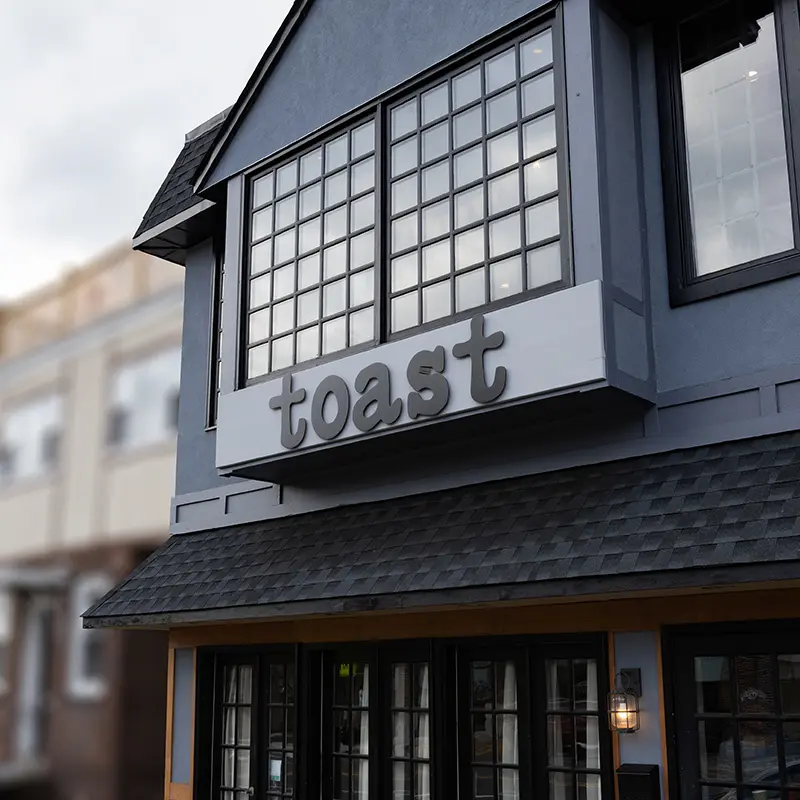
In a state where diners are more than restaurants—they are cultural institutions—few brands have managed to evolve while staying true to their roots quite like Toast City Diner. Nearly two decades after first opening its doors in 2007 with the now-iconic mantra “Peace, Love & Pancakes,” Toast has reemerged in Montclair with a fully refreshed flagship location, signaling not just a renovation, but a strategic reassertion of its place within New Jersey’s highly competitive and deeply revered diner landscape.
The transformation of the Montclair location represents a significant moment for a brand that has grown steadily and intentionally across the state, expanding into communities such as Asbury Park, Cranford, Manalapan, and Red Bank. Yet despite that growth, Montclair remains the anchor—the original space where the Toast identity was first established and where its next phase is now taking shape.
The redesign of the flagship is not merely cosmetic. It reflects a broader evolution in how diners operate in New Jersey today, where traditional expectations are being reinterpreted through a more contemporary lens. The updated interior introduces a cleaner, more modern aesthetic, aligning with the expectations of a new generation of diners while preserving the warmth and accessibility that defined the brand from the beginning. It is a deliberate recalibration—one that respects legacy without becoming constrained by it.
This balance between tradition and innovation is central to Toast’s continued relevance. As explored throughout Explore New Jersey’s dedicated diners coverage, the state’s diner scene is undergoing a quiet transformation. While the classic 24-hour chrome-and-vinyl model remains a cornerstone, a growing number of establishments are redefining what a diner can be, focusing on elevated ingredients, curated menus, and environments that extend beyond functionality into experience. Toast City Diner has been operating within that space long before it became a broader trend.
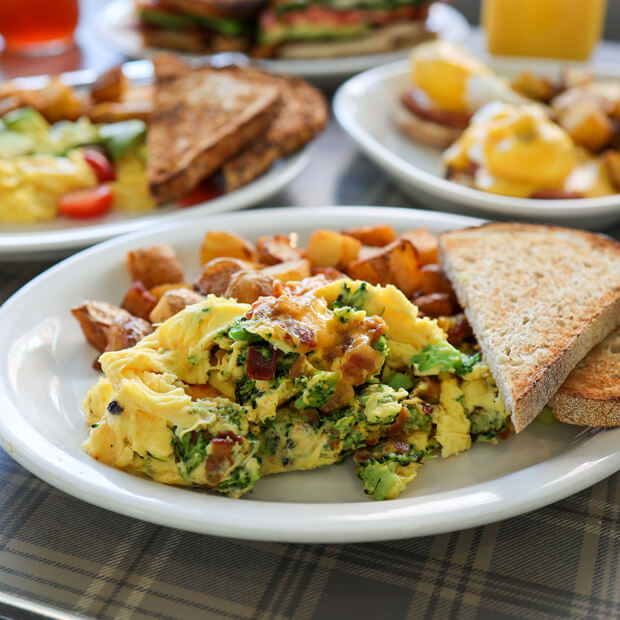
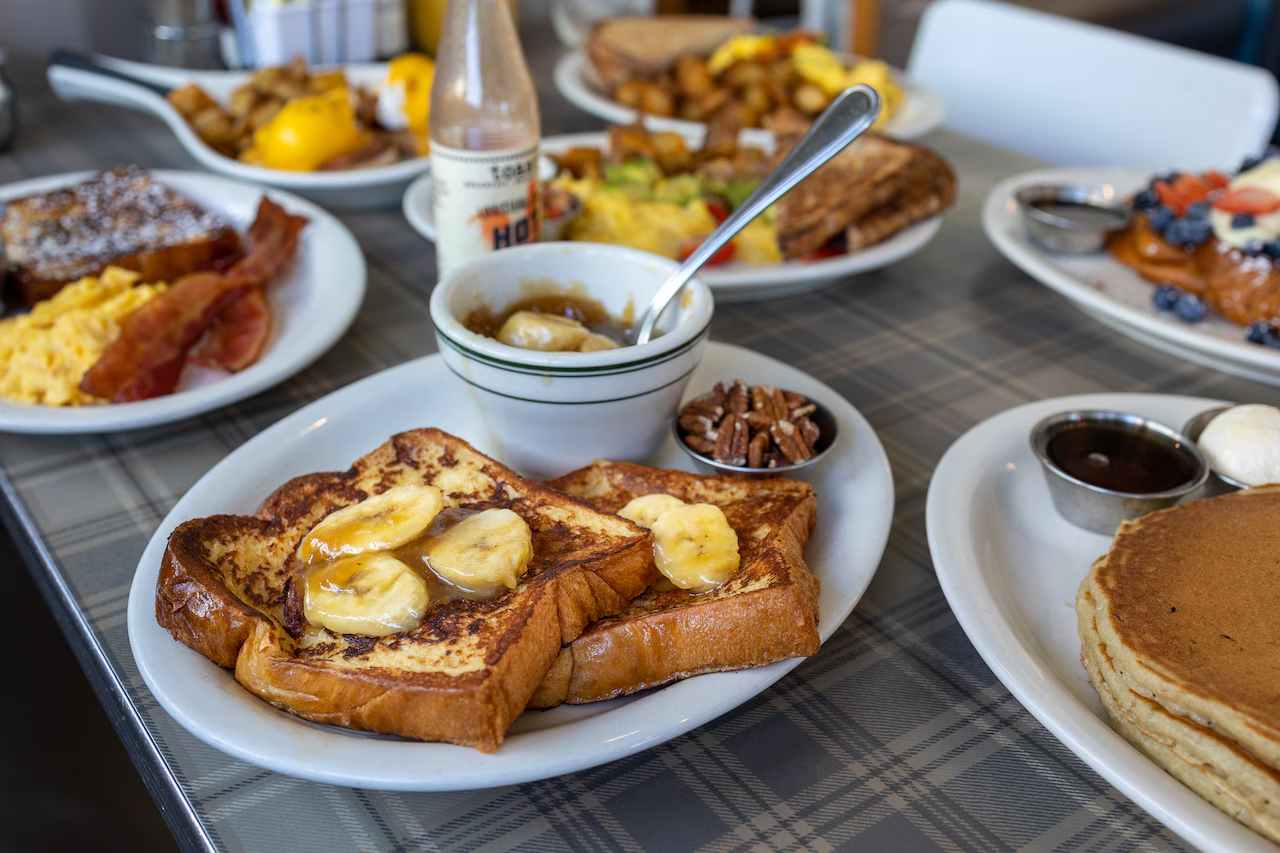
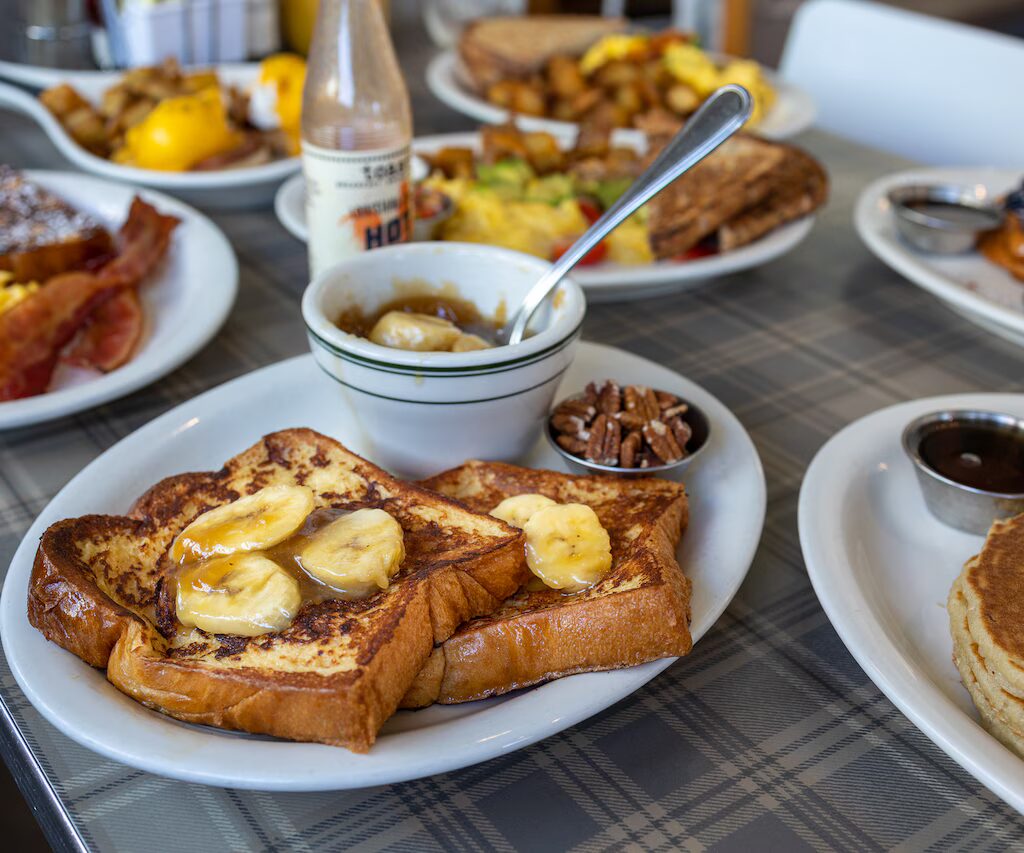
At the core of Toast’s identity is its menu, which has remained both consistent and adaptable. Breakfast, brunch, and lunch are not treated as separate categories but as an integrated offering that reflects how people actually dine today. Pancakes remain a signature—unsurprising given the brand’s founding motto—but they are part of a larger ecosystem of dishes that range from indulgent to health-conscious, traditional to contemporary. This flexibility is key to its sustained appeal, allowing Toast to serve a wide demographic without diluting its identity.
The Montclair location, in particular, benefits from its position within one of New Jersey’s most dynamic dining communities. Montclair has long been recognized as a hub for culinary innovation, where independent restaurants coexist with established institutions in a constantly evolving ecosystem. For Toast, maintaining a presence in this environment requires not just consistency, but a willingness to adapt. The recent refresh can be understood as a direct response to that context—a recognition that even established brands must continue to evolve in order to remain competitive.
What sets Toast apart within this landscape is its ability to scale without losing its sense of place. Each location carries the core elements of the brand—its menu, its service philosophy, its emphasis on approachable quality—while also adapting to the character of its surrounding community. This localized approach has allowed the brand to expand across New Jersey without becoming homogenized, a challenge that often undermines multi-location concepts.
The woman-owned foundation of the brand also plays a meaningful role in its identity, particularly within an industry that continues to grapple with representation and leadership diversity. Toast’s growth story is not just about expansion; it is about building a business that reflects both entrepreneurial vision and community engagement. That narrative resonates strongly in New Jersey, where locally rooted businesses are often supported not just for what they offer, but for what they represent.
From an operational standpoint, the continued focus on breakfast and brunch positions Toast strategically within one of the most resilient segments of the restaurant industry. These meal periods have shown consistent demand, driven by both routine and social dining habits. By anchoring its concept around these high-traffic categories while maintaining a strong lunch presence, Toast ensures a steady flow of customers throughout the day.
The refreshed Montclair space enhances this dynamic by creating an environment that supports a range of dining experiences. Whether it is a quick weekday breakfast, a leisurely weekend brunch, or a midday meeting, the redesigned interior accommodates different use cases without compromising comfort or efficiency. This adaptability is increasingly important in a market where diners expect more than just good food—they expect spaces that align with their lifestyle.
Within the broader narrative of New Jersey dining, Toast City Diner represents a case study in sustainable growth. It demonstrates how a brand can expand geographically while deepening its connection to its origins, how it can modernize without abandoning its core identity, and how it can remain relevant in a state where culinary standards are both high and deeply ingrained.
As the Montclair flagship enters this next chapter, it does so with the advantage of both history and momentum. The renovation is not an endpoint, but a continuation—a signal that Toast is not content to rely on its past success, but is actively shaping its future within an evolving dining landscape.
For New Jersey diners, the return to a refreshed Toast City Diner in Montclair offers something both familiar and new: the comfort of a trusted brand paired with the energy of reinvention. It is a reminder that even in a state defined by tradition, there is always room for thoughtful evolution—and that the best dining experiences are those that honor where they came from while continuing to move forward.






Your source for everything happening in the Garden State. Enjoy live music year-round, skiing, hiking, beaches, rivers, and mountains. Explore New Jersey’s wine scene by visiting top wineries and vineyards offering award-winning wines. Check out reviews and photos of the best places to sip and sample. Love beer? Discover New Jersey’s breweries — currently home to 123 licensed breweries — and explore the highest-rated beers brewed in the state.
© 2026 Explore New Jersey, a Sunset Entertainment & Media Company | 1928 The Woods II - Cherry Hill, New Jersey 08003. All Rights Reserved.