
New



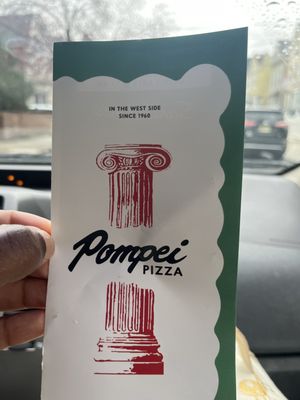
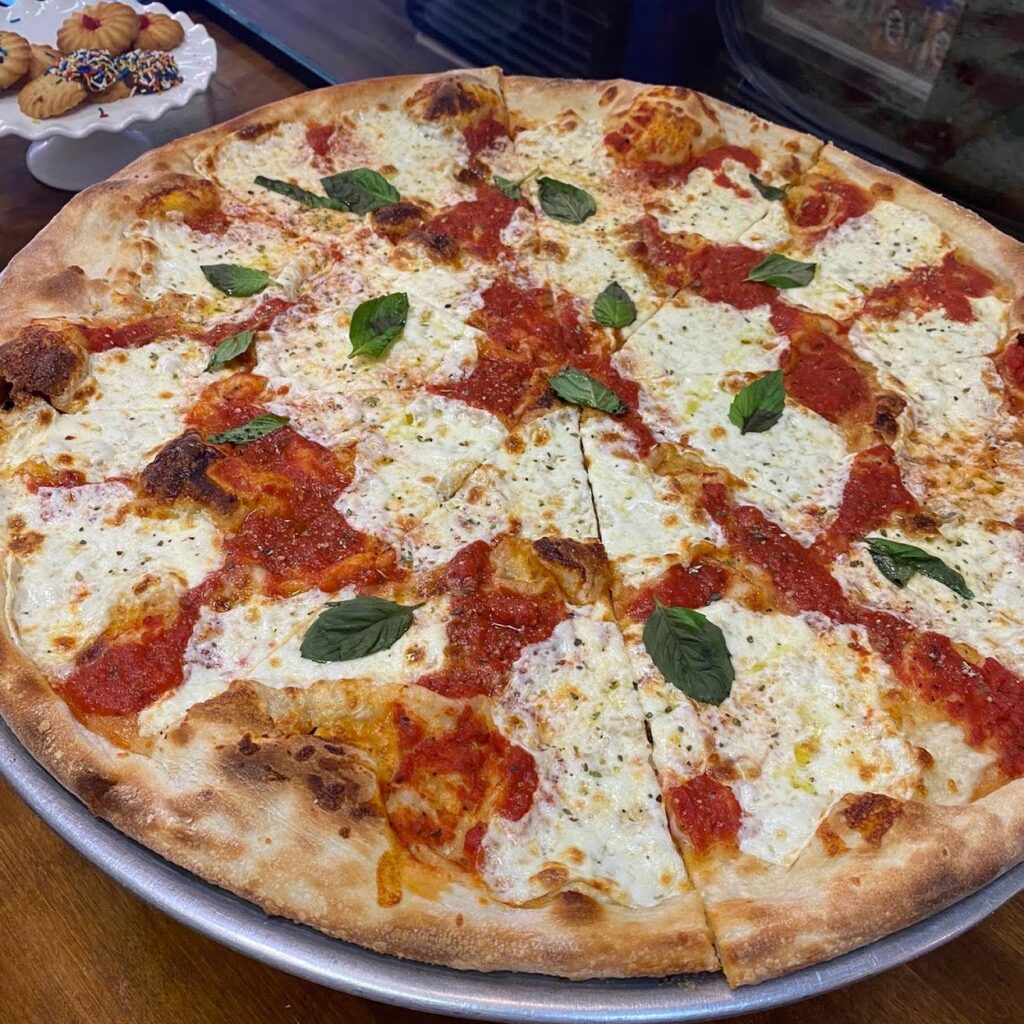
In a state where pizza is both heritage and expectation, the emergence of a new voice within an established institution carries weight. New Jersey’s pizza culture is built on continuity—generations of owners, recipes passed down, neighborhood loyalties that span decades. Yet it is also a landscape that evolves, shaped by individuals willing to step into tradition and rework it with precision and purpose. Alexandra “Allie” Appel represents exactly that kind of figure, a baker-turned-pizzaiola whose work at Pompei Pizza in Jersey City is quietly reshaping what a legacy pizzeria can become in one of the most competitive food environments in the country. Her story now stands as one of the most compelling developments within the state’s broader pizza conversation, a conversation continually expanding across destinations featured in Explore New Jersey’s pizza coverage.
Pompei Pizza was already part of Jersey City’s neighborhood fabric long before Appel took the reins. Known as a reliable, longstanding staple, it carried the familiarity and expectations that define many of New Jersey’s local pizzerias. Taking over such a space requires more than technical ability—it requires an understanding of what not to change, as much as what to elevate. Appel approached that challenge not as an overhaul, but as a recalibration, bringing a baker’s discipline and sensibility into a format that demands both speed and consistency without sacrificing character.
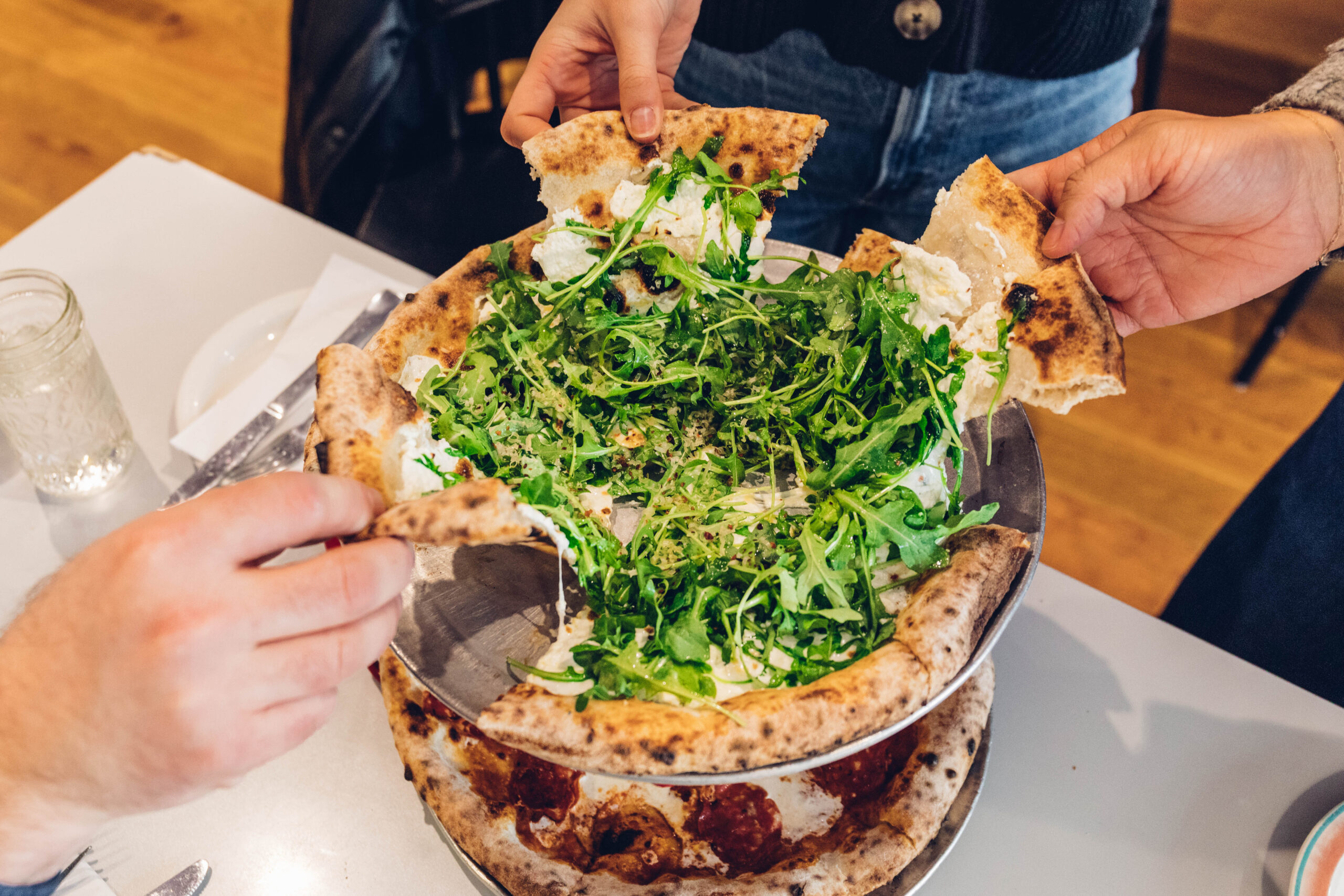
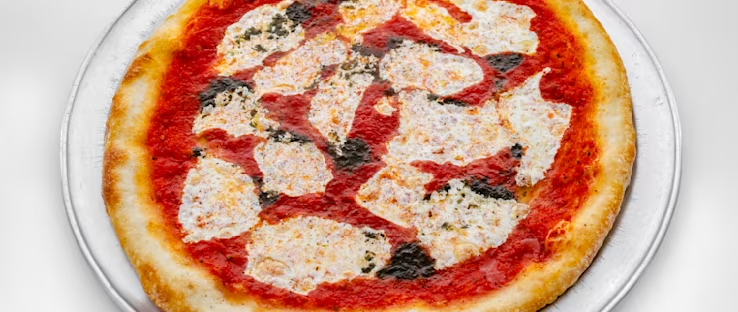
Her background as a baker is central to understanding the transformation. Where many pizzerias treat dough as a baseline component, Appel treats it as the defining element. Fermentation, hydration, texture, and structure are not secondary considerations—they are the foundation of the product. This shift in perspective has allowed Pompei Pizza to evolve its core offering while maintaining the accessibility and familiarity that longtime customers expect. The result is a pizza that feels rooted in tradition but carries a refined edge, where the crust itself becomes a focal point rather than just a vehicle for toppings.
That attention to dough translates into a broader commitment to craft. Every aspect of the pizza reflects a balance between restraint and creativity, an understanding that innovation must serve the integrity of the pie rather than overshadow it. Appel’s approach does not rely on novelty for its own sake. Instead, it is driven by technique—subtle adjustments in process that yield noticeable improvements in flavor, texture, and overall experience. It is a method that aligns with the evolving expectations of New Jersey diners, who are increasingly attentive to quality and detail without losing their appreciation for authenticity.
At the same time, Pompei Pizza under Appel’s leadership remains deeply connected to its neighborhood identity. Jersey City is one of the most dynamic and diverse urban environments in the state, and that energy is reflected in the pizzeria’s atmosphere. It is a place where longtime residents and new arrivals intersect, where the familiarity of a local spot meets the curiosity of a growing food scene. Appel has managed to preserve that balance, ensuring that the space continues to serve its community while also attracting attention from those seeking something more intentional within New Jersey’s crowded pizza landscape.
This dual identity—traditional yet progressive—is what sets Appel’s work apart. She is not positioning Pompei Pizza as a departure from New Jersey’s pizza culture, but as an extension of it. In doing so, she is contributing to a broader shift taking place across the state, where the next generation of pizza makers is building on established foundations while introducing new standards of craftsmanship. It is a movement that is less about reinvention and more about refinement, and Appel’s work is a clear example of how that refinement can elevate even the most familiar settings.
The significance of this transformation extends beyond a single pizzeria. It speaks to the resilience and adaptability of New Jersey’s food culture as a whole. In a region where tradition can sometimes be seen as immovable, figures like Appel demonstrate that evolution is not only possible but necessary. By applying a baker’s mindset to a classic format, she is bridging two disciplines and, in the process, expanding the definition of what New Jersey pizza can be.
For those following the state’s culinary trajectory, Pompei Pizza’s resurgence under Appel is not just a local success story—it is an indicator of where things are headed. The emphasis on technique, the respect for tradition, and the willingness to push boundaries within those constraints are all hallmarks of a scene that is becoming more sophisticated without losing its identity. It is a balance that few regions manage to achieve, and it is one that continues to distinguish New Jersey on the national stage.
As the conversation around pizza in New Jersey continues to evolve, Alexandra “Allie” Appel stands as a key figure within that narrative. Her work at Pompei Pizza is a reminder that even the most established institutions can be reimagined with care, intention, and a deep understanding of craft. In a state where pizza is taken seriously, that kind of transformation does more than attract attention—it helps define the future.








Your source for everything happening in the Garden State. Enjoy live music year-round, skiing, hiking, beaches, rivers, and mountains. Explore New Jersey’s wine scene by visiting top wineries and vineyards offering award-winning wines. Check out reviews and photos of the best places to sip and sample. Love beer? Discover New Jersey’s breweries — currently home to 123 licensed breweries — and explore the highest-rated beers brewed in the state.
© 2026 Explore New Jersey, a Sunset Entertainment & Media Company | 1928 The Woods II - Cherry Hill, New Jersey 08003. All Rights Reserved.