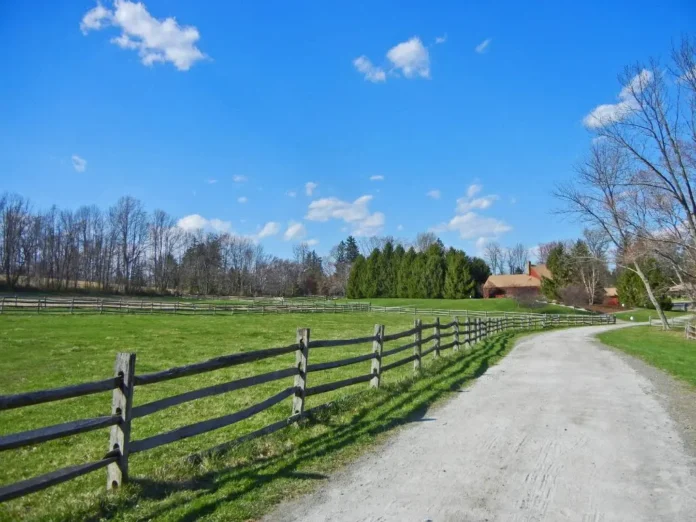

New Jersey’s commitment to protecting its agricultural heritage and preserving open space has taken a significant step forward as Tinton Falls officials announce the $3 million acquisition of the historic 13-acre Carney Farm. The preservation initiative ensures that one of the township’s valuable agricultural properties will remain protected from development, reinforcing the region’s long-term environmental sustainability and commitment to farmland conservation.
The purchase represents more than a land acquisition — it reflects a broader statewide strategy focused on safeguarding New Jersey’s agricultural resources, protecting natural landscapes, and maintaining the Garden State’s identity as a leader in farmland preservation and environmental stewardship.
As communities across New Jersey continue to balance growth with sustainability, Tinton Falls’ decision positions the township at the forefront of responsible land management and agricultural protection.
Preserving Open Space in a Rapidly Developing Region
Located in Monmouth County, Tinton Falls has experienced steady residential and commercial development over recent decades. The acquisition of Carney Farm reflects a proactive effort by local leaders to preserve open space before it is lost to future construction.
By securing the 13-acre property, the township ensures that the land will remain protected for public benefit, environmental conservation, and potential agricultural use. The preservation supports broader regional planning goals that prioritize green space, environmental resilience, and community quality of life.
The initiative aligns with New Jersey’s long-standing reputation as the “Garden State,” where farmland protection and environmental preservation remain central to public policy and community identity.
Carney Farm: Protecting Agricultural Heritage
Carney Farm represents a piece of New Jersey’s agricultural history, reflecting the state’s deep connection to farming, local food production, and rural land use. Preserving historic farmland helps maintain the cultural landscape that has shaped New Jersey’s identity for generations.
The preservation effort supports:
- Protection of historic agricultural land
- Conservation of natural habitats and ecosystems
- Maintenance of scenic landscapes
- Support for local farming traditions
- Sustainable land management practices
By protecting properties like Carney Farm, municipalities help ensure that future generations can experience and benefit from the region’s agricultural heritage.
Environmental Benefits of Farmland Preservation
Beyond cultural and historical value, farmland preservation delivers significant environmental advantages. Open space contributes to ecological stability, improves air and water quality, and supports biodiversity.
The Carney Farm preservation initiative will help:
- Reduce environmental impact from development
- Protect soil health and natural drainage systems
- Preserve wildlife habitats
- Support climate resilience through green space protection
- Enhance stormwater management
These benefits reinforce the importance of proactive conservation efforts in maintaining long-term environmental sustainability across New Jersey.
Strengthening New Jersey’s Agricultural Economy
Agriculture remains a vital component of New Jersey’s economy, supporting local food production, farmers’ markets, agritourism, and regional supply chains. Protecting farmland helps sustain these industries while strengthening the state’s economic resilience.
Preserved farmland contributes to:
- Local food security
- Farm-based economic activity
- Agritourism opportunities
- Community education programs
- Regional agricultural innovation
The Carney Farm acquisition demonstrates how local governments can play a direct role in supporting the future of agriculture through strategic land preservation.
Supporting Statewide Farmland Preservation Goals
New Jersey has long been recognized as a national leader in farmland preservation, with state and local initiatives working together to protect agricultural land from development pressures. The Tinton Falls project complements broader efforts to expand preserved acreage and promote sustainable land use.
Municipal investments like this one strengthen statewide programs designed to protect working farms, maintain open landscapes, and encourage environmentally responsible growth.
Readers interested in learning more about New Jersey’s agricultural initiatives, farming programs, and preservation efforts can explore additional coverage through the Explore New Jersey Agriculture & Farming section, which highlights developments shaping the state’s agricultural future.
Community Impact and Quality of Life
Preserving open space provides tangible benefits for local communities. Protected land enhances neighborhood character, improves public health outcomes, and creates opportunities for recreation and education.
Residents benefit from:
- Increased access to natural landscapes
- Improved environmental quality
- Scenic views and community character preservation
- Educational opportunities related to agriculture and conservation
- Enhanced property value stability
The Carney Farm acquisition strengthens Tinton Falls’ long-term vision of sustainable community development.
Balancing Growth and Sustainability in New Jersey
New Jersey faces ongoing challenges related to population density and land development. Strategic preservation projects like the Carney Farm purchase demonstrate how municipalities can balance economic growth with environmental responsibility.
The initiative reflects modern planning priorities that emphasize:
- Smart growth strategies
- Environmental protection
- Responsible land use policy
- Long-term sustainability planning
- Community-centered development
By protecting farmland today, communities reduce future environmental costs and preserve valuable natural resources.
A Model for Future Preservation Efforts
Tinton Falls’ investment in Carney Farm serves as a model for other municipalities seeking to protect open space and agricultural land. The project illustrates how local leadership, community support, and strategic planning can produce meaningful conservation outcomes.
As development pressures continue across the state, proactive preservation initiatives will remain essential to maintaining New Jersey’s environmental and agricultural identity.
Safeguarding the Future of the Garden State
The $3 million acquisition of Carney Farm marks a defining moment for Tinton Falls and reinforces New Jersey’s broader commitment to farmland preservation and environmental stewardship. By protecting this historic property, the township strengthens its agricultural legacy, safeguards natural resources, and ensures that open space remains a defining feature of the community.
As New Jersey continues to shape its future through sustainable planning and responsible development, projects like the Carney Farm preservation initiative highlight the enduring value of protecting the landscapes that define the Garden State.