

As the New Jersey Devils pause regular-season play during the NHL’s break for the 2026 Winter Olympics, the organization finds itself at a defining moment both on and off the ice. From international competition and fan-focused promotions at Prudential Center to intense debate about the team’s long-term direction, the franchise stands at a critical juncture that could shape its future in the National Hockey League and further energize New Jersey’s passionate hockey community.
The Olympic pause has provided the Devils with a rare opportunity to regroup and reassess as they prepare for the final stretch of the season. With just 25 games remaining on the schedule, the path toward playoff contention presents a formidable challenge, requiring an extraordinary run of victories to secure a comfortable postseason position. For fans across the Garden State, the coming weeks represent not only a test of the team’s resilience but also a reflection of the broader evolution of a franchise striving to return to elite status.
While the on-ice narrative continues to unfold, the Devils organization is simultaneously strengthening its connection with supporters through innovative fan experiences. A recent collaboration between the team and Hello Kitty has generated significant excitement, marking the first time the iconic global character has partnered with the franchise. Through a special ticket promotion at Prudential Center, fans attending select home games can receive a limited-edition Hello Kitty Devils figurine, blending sports culture with collectible appeal in a way that highlights the organization’s commitment to engaging diverse audiences.
The promotion reflects a broader trend in professional sports, where teams increasingly create immersive experiences that extend beyond the game itself. For the Devils, initiatives like this reinforce the franchise’s role as both a competitive hockey organization and a central figure in New Jersey’s entertainment landscape. The limited availability of the collectible has intensified demand, encouraging fans to secure their seats while celebrating a unique crossover that underscores the team’s cultural reach.
Yet even as fan engagement initiatives generate excitement, the team’s performance and organizational structure remain central topics of conversation among supporters and analysts alike. With expectations high and results uneven, scrutiny has extended across multiple aspects of the franchise—from roster construction and player performance to coaching decisions and front-office strategy. The challenges facing the team have sparked widespread discussion about how best to position the Devils for sustained success in an increasingly competitive league.
At the forefront of these conversations is the question of leadership and organizational direction. Many observers believe that meaningful change must begin at the highest levels of hockey operations, where long-term strategy, player development systems, and roster management decisions shape the team’s trajectory. The role of the general manager, in particular, has become a focal point in discussions about how the franchise should evolve moving forward.
Across the NHL, successful organizations often combine experienced leadership with innovative thinking, blending traditional hockey expertise with modern analytics, advanced scouting techniques, and forward-looking development models. For the Devils, evaluating potential leadership structures—from seasoned executives with proven track records to emerging voices with fresh perspectives—represents a significant opportunity to redefine the organization’s approach.
The modern NHL front office operates in an environment defined by complex salary cap management, global scouting networks, and rapidly advancing performance analysis. Teams that excel in these areas frequently demonstrate adaptability, identifying talent early, maximizing player development pipelines, and responding swiftly to roster needs. For New Jersey, strengthening these operational pillars could prove essential in addressing existing gaps and building a more consistent contender.
Player development remains another key area of focus for the franchise. The Devils have demonstrated the ability to identify promising talent, particularly in later draft rounds, but translating potential into sustained NHL success requires a comprehensive system that supports prospects at every stage of their progression. From minor league affiliates to specialized training programs, a cohesive development strategy can provide the depth and stability necessary to compete over the long term.
Roster construction and in-season adjustments have also emerged as central themes in discussions surrounding the team’s performance. In a league where competitive balance can shift rapidly, timely acquisitions and strategic decision-making often determine whether teams maintain momentum or fall behind. Evaluating how and when to address roster needs—whether through trades, free agency, or internal promotions—remains a crucial component of sustained success.
The Devils’ recent transactions, including the addition of veteran center Nick Bjugstad, reflect efforts to strengthen depth and address immediate needs. However, the timing and broader strategic implications of such moves continue to fuel debate among fans who seek a clearer vision for the organization’s long-term direction. The balance between short-term competitiveness and future planning remains one of the most complex challenges facing any NHL franchise.
Beyond personnel decisions, organizational culture plays a defining role in shaping team identity. Successful franchises often cultivate environments that emphasize accountability, adaptability, and shared purpose—qualities that extend from ownership and management to players and support staff. For the Devils, reinforcing a cohesive culture could serve as a foundation for both immediate improvement and sustained excellence.
As the team prepares to resume regular-season action later this month, anticipation is building across New Jersey’s vibrant hockey community. The Devils’ return to the ice will offer an opportunity to demonstrate renewed focus, improved performance, and a collective determination to overcome adversity. For fans, the final stretch of the season promises drama, intensity, and the possibility of a late surge that could redefine the narrative of the campaign.
The broader conversation surrounding the franchise reflects the enduring passion of the Devils’ fan base, whose loyalty continues to shape the team’s identity and influence its future direction. Their engagement extends beyond game results, encompassing thoughtful discussion about leadership, strategy, and the values that define the organization.
For those seeking ongoing coverage of the team’s progress, roster developments, and the evolving story of professional hockey in the Garden State, comprehensive updates on the New Jersey Devils provide an in-depth look at the players, decisions, and defining moments shaping the franchise’s journey.
As the Olympic break concludes and the NHL season resumes, the New Jersey Devils stand at a pivotal moment—balancing competitive ambition, organizational evaluation, and a renewed connection with fans. The coming months will reveal whether the team can transform challenge into opportunity, strengthening its foundation and reaffirming its place at the heart of New Jersey’s proud hockey tradition.
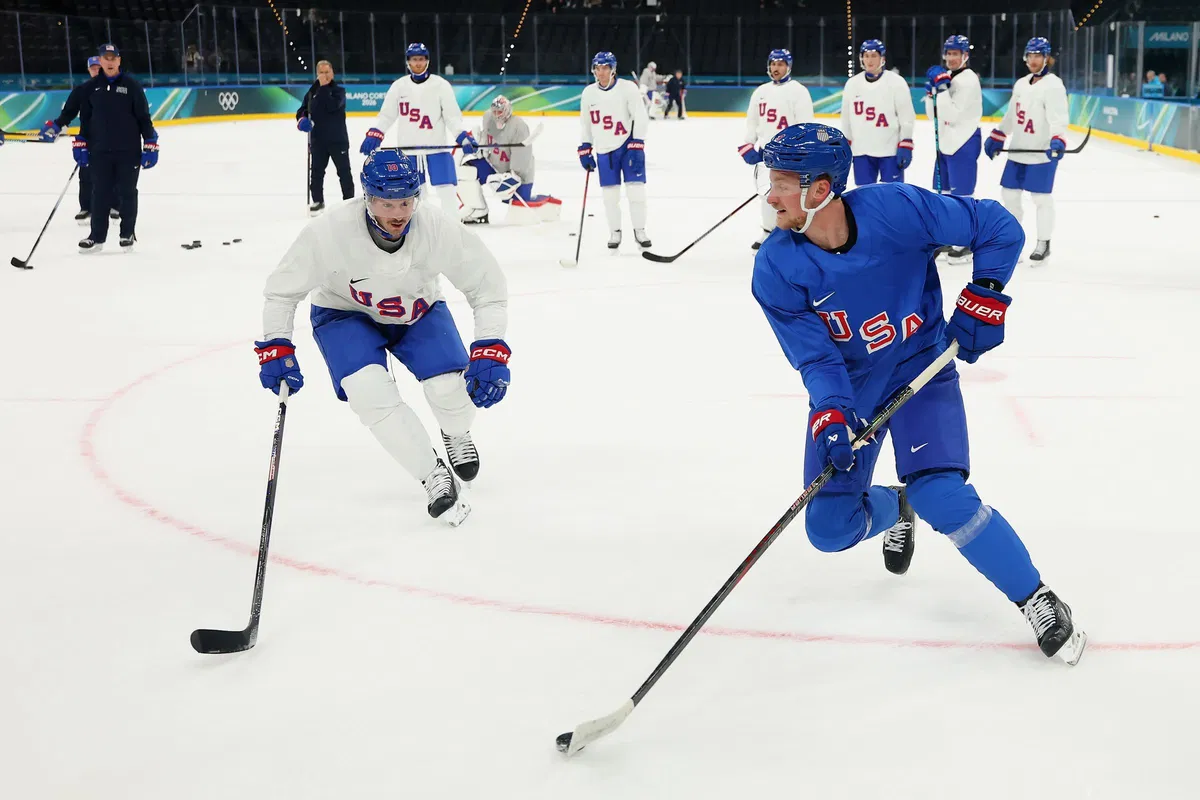
Olympic Spotlight, Roster Moves, and Injury Challenges Shape New Jersey Devils’ Crucial 2026 Stretch Run As the National Hockey League pauses for the 2026 Winter Olympics in Milan-Cortina, the New Jersey Devils find themselves navigating a pivotal moment in their season, balancing international representation, roster adjustments, and injury recovery while preparing for a decisive return to regular-season competition later this month. With play set to resume on February 25, the organization’s focus now turns toward maintaining momentum, strengthening depth, and positioning itself for a strong finish in the final stretch of the campaign.
The Olympic break has placed several Devils players on the global stage, offering fans a unique opportunity to watch some of the franchise’s most dynamic talent compete against the world’s best. The international spotlight not only showcases individual skill but also reflects the organization’s growing influence in professional hockey, reinforcing the team’s reputation for developing elite talent capable of excelling at the highest level of competition.
Among the most closely watched performers is Jack Hughes, who entered the international tournament amid concerns surrounding a pre-break groin injury. Despite early uncertainty, the star forward has demonstrated resilience and readiness, earning full clearance to compete for Team USA. Hughes quickly made an impact, contributing two assists in a commanding opening victory against Latvia and reaffirming his role as one of the game’s most electrifying offensive forces. His performance underscores both his importance to the United States’ Olympic ambitions and his continued evolution as a cornerstone of the Devils’ lineup.
On the defensive side, Simon Nemec continues to build his reputation on the international stage. The 21-year-old blueliner is competing in his second Olympic appearance with Slovakia and has already played a significant role in his nation’s early group-stage success. Known for his composure, puck-moving ability, and maturity beyond his years, Nemec’s development represents a key component of New Jersey’s long-term vision on defense.
Veteran goaltender Jacob Markström, representing Sweden, has also drawn attention during Olympic play. While the experienced netminder remains a stabilizing presence between the pipes, a late-game turnover in a February 14 matchup against Slovakia led to a pivotal goal that complicated Sweden’s pursuit of a favorable preliminary round position. Even so, Markström’s leadership and experience remain vital assets both internationally and for the Devils as they prepare for the season’s most demanding phase.
Additional Devils talent is contributing across the Olympic landscape. Timo Meier has taken the ice for Switzerland, bringing his trademark physicality and scoring touch, while Jesper Bratt is competing with Sweden, showcasing his speed and playmaking ability despite challenging early results for his national squad. Their participation highlights the team’s diverse roster and the international depth that defines the Devils’ identity.
While international competition has captured headlines, the organization has also been active behind the scenes, making significant roster moves designed to strengthen the team’s competitive position. In late January, New Jersey completed a notable transaction by acquiring forward Maxim Tsyplakov from the New York Islanders. The deal, which involved veteran forward Ondrej Palat and draft assets, was structured in part to create additional salary cap flexibility while adding a forward capable of contributing to the team’s offensive depth.
The Devils continued reshaping their roster in early February with the acquisition of center Nick Bjugstad from the St. Louis Blues. The move signals the team’s commitment to reinforcing its lineup for the demanding final stretch of the season, adding experience and size down the middle while enhancing overall roster balance. These strategic adjustments reflect a front office intent on maximizing performance and adaptability as postseason aspirations remain firmly in focus.
The Olympic break has also prompted temporary roster adjustments within the organization’s development system. Promising young players Lenni Hämeenaho and Colton White were reassigned to the Utica Comets of the American Hockey League to maintain game readiness during the NHL pause. Both players are expected to rejoin the Devils as the regular season resumes, providing additional depth and energy as the team prepares for its final 25 games.
Injuries, however, continue to present challenges for New Jersey’s coaching staff and medical team. Defenseman Luke Hughes has been placed on long-term injured reserve due to a shoulder injury, sidelining one of the franchise’s most promising young talents during a critical portion of the season. Forward Stefan Noesen is preparing for knee surgery and remains unavailable, while Zack MacEwen has been ruled out for the remainder of the campaign following a season-ending knee procedure. Meanwhile, Marc McLaughlin has recently been reinstated from long-term injured reserve and subsequently placed on waivers, with plans for assignment to Utica as the organization evaluates its roster configuration.
Despite these setbacks, the Devils remain focused on building cohesion and resilience as they prepare to return to NHL action. The team’s post-break schedule presents immediate challenges, beginning with a home matchup against the Buffalo Sabres at Prudential Center on February 25. The club will then travel to face the Pittsburgh Penguins before concluding the week with a road contest against the St. Louis Blues. These games represent a crucial opportunity to regain momentum and establish positioning in a highly competitive Eastern Conference landscape.
Beyond on-ice developments, the organization has also announced a significant branding decision that marks the end of a recent chapter in franchise history. The team’s black “Jersey” third uniforms, which have become a recognizable symbol of the club’s modern identity, will be retired following the conclusion of the 2025–26 season. The move reflects the organization’s evolving visual direction while honoring a distinctive era in the team’s presentation.
For fans seeking ongoing coverage and in-depth analysis of the team’s progress throughout the season, the latest updates and insights can be followed through comprehensive New Jersey Devils coverage, offering a closer look at the players, performances, and pivotal moments shaping the franchise’s journey.
As the Olympic spotlight gradually fades and the NHL season resumes, the Devils face a defining period that will test their depth, adaptability, and competitive resolve. With international experience enriching the roster, strategic acquisitions strengthening the lineup, and key players working toward recovery, the organization enters the final stretch with both challenges and opportunity. For New Jersey’s devoted fan base, the coming weeks promise high-stakes hockey, renewed energy, and the potential for a dramatic finish to a season defined by global competition and relentless pursuit of success.
Upcoming Schedule
The Devils return to NHL action at the end of February:
| Date | Opponent | Time (EST) | Venue |
|---|---|---|---|
| Feb 25, 2026 | vs. Buffalo Sabres | 7:00 PM | Prudential Center |
| Feb 26, 2026 | @ Pittsburgh Penguins | 7:00 PM | PPG Paints Arena |
| Feb 28, 2026 | @ St. Louis Blues | 5:00 PM | Enterprise Center |