
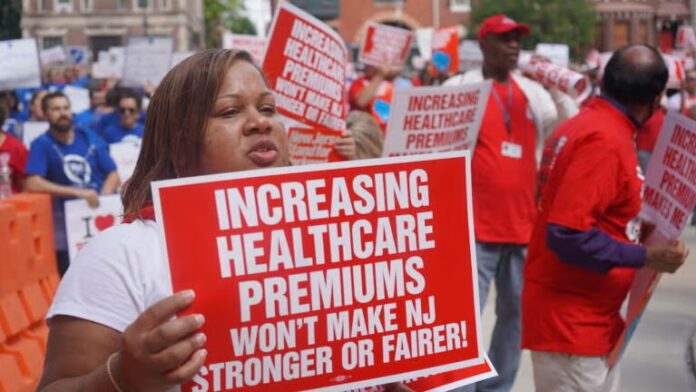

A sweeping new report examining recent federal health policy changes is sparking urgent conversation across New Jersey, where health advocates, medical providers, and residents are bracing for what analysts describe as far-reaching consequences for access to care, hospital stability, and long-term public health outcomes. The findings outline a complex and evolving situation tied to significant reductions in funding for Medicaid and the Affordable Care Act, policy shifts that experts say could reshape the state’s health care landscape for years to come.
For New Jersey—a state long recognized for its extensive health care network and strong coverage rates—the potential impacts extend far beyond insurance enrollment numbers. The report suggests that rising costs, reduced coverage eligibility, and pressure on medical facilities could trigger a chain reaction affecting hospitals, nursing homes, health care workers, and vulnerable populations throughout the Garden State.
Health policy analysts warn that the initial effects of these changes are only beginning to emerge. Early projections indicate that insurance premiums and out-of-pocket expenses may climb sharply, placing increased financial strain on families already managing rising costs of living. For many residents, the added burden of administrative hurdles and eligibility restrictions could lead to loss of coverage altogether, reversing years of progress in expanding access to care.
New Jersey’s health care system, which serves millions of residents through a network of hospitals, clinics, and long-term care facilities, may face significant fiscal pressure under the new framework. Reduced federal funding for Medicaid programs could leave providers with fewer resources to deliver essential services, particularly in communities where public insurance programs play a critical role in sustaining operations. Health care leaders caution that such financial stress often leads to service reductions, workforce cuts, or facility closures—developments that can ripple through local economies and diminish access to critical care.
Across the state, hospitals and specialized treatment centers are evaluating how potential funding shortfalls could affect patient services. Maternity wards, rehabilitation programs, and long-term care facilities are among those considered most vulnerable, particularly in regions where health infrastructure is already under strain. Rural and underserved communities could face the most significant challenges, as closures or reduced services may force residents to travel farther for treatment, delaying care and increasing health risks.
The implications for older adults, individuals with disabilities, and those managing chronic conditions are especially concerning. Medicaid serves as a lifeline for many seniors requiring nursing home care and for residents seeking treatment for serious illnesses, including cancer and substance use disorders. Advocates say that reductions in coverage or services could create barriers to essential care, potentially displacing residents from facilities or interrupting ongoing medical treatment.
Economic consequences tied to health care funding changes also loom large. Analysts project that reduced federal investment could translate into thousands of job losses across New Jersey’s health care sector, one of the state’s most significant employment engines. Hospitals and medical facilities support a wide range of roles—from physicians and nurses to administrative staff and support services—and their financial stability often anchors local economies. When facilities scale back or close, surrounding businesses and communities frequently experience economic downturns.
The broader fiscal impact may extend beyond employment. Economists point to projected declines in state economic output and potential gaps in the state budget resulting from reduced federal contributions. Such financial pressures could force difficult policy decisions at the state level, influencing funding priorities across public services and infrastructure.
The report also highlights concerns about the long-term trajectory of insurance coverage nationwide, suggesting that the number of uninsured individuals could rise significantly if current trends continue. For New Jersey, which has historically worked to maintain high coverage rates, such an increase would represent a substantial shift, potentially affecting public health outcomes and increasing demand for emergency and uncompensated care.
Public opinion data included in the analysis indicates strong concern among New Jersey residents regarding potential reductions in health care funding. Many voters express support for maintaining or expanding access to programs that provide coverage for low-income families, seniors, and individuals with disabilities, reflecting the central role health care plays in household stability and community well-being.
The discussion surrounding these policy changes is unfolding amid broader economic pressures, including rising costs for housing, transportation, and essential goods. Health care expenses, already a significant portion of household budgets, may become increasingly difficult to manage for middle-income families navigating changing insurance markets and evolving benefit structures.
Health care advocates and policy experts emphasize that the situation remains fluid, with ongoing debates and potential adjustments at both federal and state levels. As New Jersey officials, providers, and community organizations assess the evolving landscape, attention is turning toward strategies that could mitigate impacts, preserve access to care, and support the state’s health infrastructure.
For residents seeking to understand how these developments may affect their well-being, insurance options, and access to services, ongoing coverage of health initiatives, policy changes, and wellness resources can be found through Explore New Jersey’s health and wellness updates, offering insight into the issues shaping the state’s medical and public health environment.
As New Jersey navigates this period of uncertainty, the future of health care access, affordability, and system stability remains at the center of statewide conversation. The coming years will likely determine how effectively the state can adapt to shifting federal policies while protecting the health and economic security of its residents, reinforcing the critical role that health care policy plays in the daily lives of communities across the Garden State.
















