
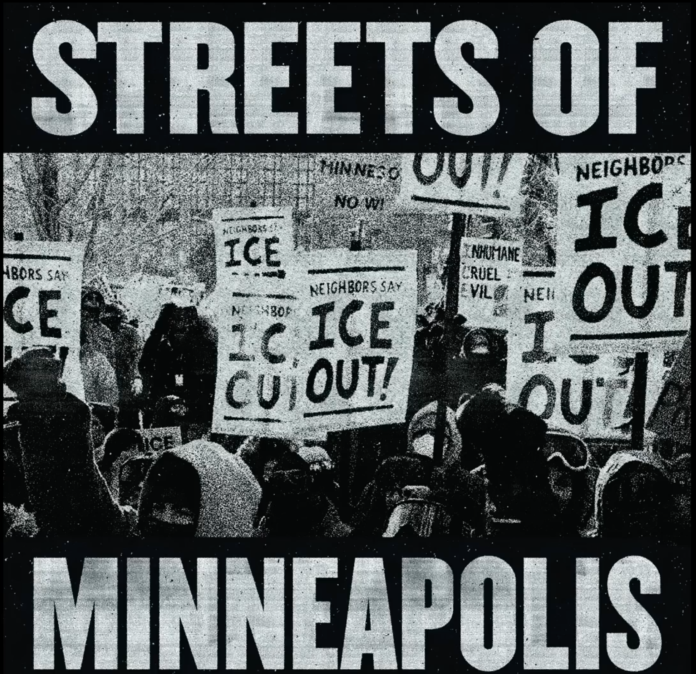

Springsteen Strikes a Nerve Again: New Protest Song Echoes From Minneapolis to the Jersey Shore
When Bruce Springsteen releases new music, the world listens. When he releases a song that captures a breaking national moment with surgical urgency, the reaction becomes something bigger than music. It becomes conversation, controversy, and cultural reflection. That’s exactly what happened on January 28, when the New Jersey-born legend unveiled “Streets of Minneapolis,” a raw and politically charged protest anthem that arrived not just as a song, but as a statement carved into the timeline of American unrest.
Springsteen has built a career on telling stories that feel personal yet universal, grounded in working-class realities and moral reckoning. From factory towns to highway shoulders, from broken dreams to stubborn hope, his catalog has long served as America’s emotional diary. “Streets of Minneapolis” continues that tradition with startling immediacy. Written and recorded in a matter of days, the track stands among the fastest responses to a real-world event in his storied career, transforming headlines into poetry before the ink had even dried.
The song confronts the violent escalation of federal immigration enforcement in Minneapolis following the fatal shootings of two residents earlier in the month. Springsteen’s lyrics paint a bleak winter tableau, referencing blood on snow-covered pavement and the absence of mercy where it should have stood. He names the fallen, honors their lives, and frames their deaths as symbols in a larger struggle over justice, authority, and accountability. The tone is urgent, mournful, and defiant, echoing the spirit of his most iconic protest-era work while addressing a new generation’s fears.
Listeners familiar with Springsteen’s past social commentary will recognize the craftsmanship at play. There is the narrative detail of “The River,” the moral confrontation of “American Skin,” and the compassionate witness of “Streets of Philadelphia.” The new title deliberately nods to that Oscar-winning classic, drawing a through line from one national crisis to another. The connection is intentional: both songs place human faces at the center of institutional failures, urging empathy over indifference.
Minneapolis, in the days surrounding the song’s release, had become a city under extraordinary strain. Reports of increased federal presence, late-night confrontations, and residents documenting enforcement activity with cellphones contributed to an atmosphere of anxiety and defiance. Protesters signaled one another with whistles. Neighborhood networks mobilized. The city’s streets became both battleground and witness, a setting Springsteen captures not with abstraction, but with lived detail. The result is less a political lecture than a sonic photograph of a moment in American life.
Beyond the music, Springsteen has publicly dedicated the song to the people of Minneapolis and to immigrant communities living under fear and uncertainty. Other artists have stepped forward in solidarity, organizing benefit concerts and fundraisers to support affected families. In this sense, “Streets of Minneapolis” extends beyond entertainment, becoming a rallying point for civic engagement and artistic activism. It’s a reminder that protest music still has power when it speaks with sincerity, urgency, and human compassion.
For New Jersey, there is a unique pride in watching one of our own continue to shape global cultural dialogue. Springsteen’s roots remain planted in Garden State soil, and every new release carries the unmistakable imprint of the places that raised him: the shore towns, the diners, the working neighborhoods, and the restless ambition of local stages where he first learned to turn lived experience into song. His voice may echo across national crises, but it was forged right here.
That connection between community, culture, and shared spaces is part of what defines life in New Jersey. Whether through music venues, neighborhood gatherings, or the simple ritual of breaking bread with friends after a long day, the state thrives on places where stories are exchanged and identities shaped. Those looking to explore the culinary side of that community spirit can discover standout local dining experiences through Explore New Jersey’s guide to must-visit restaurants, a reminder that every great story often begins around a table.
“Streets of Minneapolis” will likely be remembered as one of Springsteen’s most immediate and daring works, not only for its political candor but for its refusal to let tragedy pass without witness. In an era when news cycles spin at dizzying speed, he has once again slowed the moment down, insisting that lives lost are more than statistics and that silence is not an option.
From Minnesota’s frozen avenues to the boardwalks of the Jersey Shore, the song’s echo is clear: Bruce Springsteen remains not only a rock icon, but a storyteller still willing to stand in the middle of the street and sing truth at full volume.
Springsteen has never shied away from writing about working-class struggle, social fracture, or the uneasy tension between power and people. “Streets of Minneapolis” continues that lineage, painting a stark portrait of a city under strain, confronting federal immigration enforcement and the emotional fallout of violent incidents involving government agents.
The song’s tone is sharp, restless, and observational, using vivid imagery and narrative tension to frame a larger question about authority, accountability, and the human cost of policy. While the setting is hundreds of miles from New Jersey, the message resonates strongly here at home, where Springsteen’s storytelling has long served as both mirror and megaphone for American life.
The timing of the song’s release could not be more striking. Minneapolis has become the focus of intense federal activity following civil unrest and the deaths of two U.S. citizens during encounters with federal agents. Into this volatile landscape stepped Tom Homan, newly appointed lead of federal immigration enforcement operations in the region. His arrival marked a strategic reset, with promises of a more disciplined and targeted approach to enforcement efforts. In his first public briefing, Homan outlined a shift away from sweeping operations in favor of concentrating on individuals with criminal records, while also stating he intends to remain in Minnesota until stability is restored.
Political negotiations have unfolded in parallel. Meetings with state and city leadership have been described as constructive, even as disagreements over local sanctuary policies remain unresolved. Homan has publicly emphasized professional conduct and accountability within federal ranks, acknowledging the national scrutiny now focused on the region. The administration has framed the leadership change as an effort to bring tighter coordination and polish to operations without abandoning its broader enforcement agenda.
It is into this real-world tension that Springsteen’s song steps, not as commentary from a distance, but as narrative art rooted in empathy for everyday people caught in institutional crossfire. Listeners familiar with his catalog will recognize the approach: a focus on ordinary voices, city corners, late-night streets, and lives lived under the weight of larger forces. That tradition, born in New Jersey bars and boardwalk clubs decades ago, remains remarkably relevant as it travels to new settings and new stories.
For New Jersey fans, this moment carries a particular pride. Our hometown legend continues to define global conversations through music that refuses to look away. Whether the listener hears “Streets of Minneapolis” as protest, reflection, or social chronicle, it reinforces Springsteen’s enduring role as America’s narrative songwriter, shaping discourse not by shouting slogans but by illuminating lives.
And while Minneapolis currently occupies the headlines, New Jersey remains the birthplace of this artistic voice. Here, culture and community intersect in every corner of the state, from music venues to neighborhood main streets, where people gather, debate, and share stories over great food and conversation. Those seeking to explore the flavors that fuel our local scenes can discover standout dining experiences through Explore New Jersey’s curated guide to standout restaurants, a reminder that community always begins around a table.
As “Streets of Minneapolis” continues to spark discussion, it stands as another chapter in Springsteen’s long tradition of documenting the American moment in real time. From the streets of Freehold to the avenues of distant cities, the narrative thread remains unbroken: a New Jersey voice telling stories that the rest of the country can’t ignore.
















