

Across North Jersey, local governments, civic organizations, and residents are entering a pivotal stretch marked by fiscal challenges, major planning updates, and high-profile business gatherings that will help shape the region’s direction in the year ahead. From Montclair’s budget pressures to Morris County’s long-awaited infrastructure mapping overhaul, the issues now on the table highlight the evolving realities of one of New Jersey’s most dynamic regions.
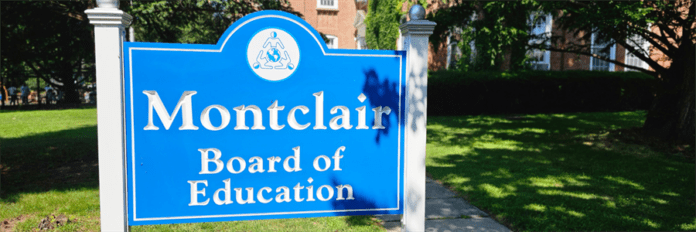
In Montclair, residents are closely watching developments tied to a significant shortfall in the local school district’s budget. The district is confronting an estimated $18 million gap, prompting renewed discussions around a potential property tax increase to stabilize educational funding and maintain essential services. A key public vote tied to this issue has been shifted to March, giving local officials additional time to refine projections, present alternatives, and engage the community in conversations about how to balance fiscal responsibility with the town’s long-standing commitment to public education. For homeowners and families alike, the outcome of this process could influence household budgets, school programming, and broader perceptions of affordability in one of Essex County’s most sought-after municipalities.
At the same time, Morris County is stepping into a new chapter of long-range planning with the formal adoption of an updated official county map, a foundational document that guides infrastructure development, land use decisions, and public investment. The newly approved map replaces a version that had been in place since 2007, reflecting nearly two decades of growth, redevelopment, and changing transportation needs across the county.
The revised map now provides a comprehensive snapshot of present-day Morris County, identifying major roadways and highways, public parks, greenways, government facilities, and areas where the county has invested or may invest in future public works projects. For municipal leaders, planners, developers, and residents, the map serves as both a reference and a roadmap, offering clarity on how the county’s physical layout supports current communities while preparing for future expansion.
The update was the result of a year-long, highly coordinated effort led by the Morris County Office of Planning and Preservation. The process involved close collaboration with municipal officials, multiple county agencies, and the public, including formal hearings and open comment periods. The outcome is a modernized planning tool designed to strengthen coordination between local and county governments while providing transparency to the public about infrastructure priorities and development patterns.
As fiscal planning and infrastructure mapping move forward, Morris County’s business community is also preparing for a major gathering that will place economic development, innovation, and leadership in the spotlight. The Morris County Chamber of Commerce is set to host its annual State of the Chamber and State of the County program, an event that traditionally draws business owners, nonprofit leaders, elected officials, and corporate executives from across the region.
The program will feature formal addresses that examine the county’s economic climate, workforce trends, and strategic priorities, alongside the presentation of the William P. Huber Award and the Business Catalyst Awards. These honors recognize individuals and organizations that have demonstrated leadership, innovation, and sustained commitment to strengthening the local economy. In a region where small businesses, corporate campuses, and professional services firms coexist within a dense suburban landscape, the event serves as both a barometer of economic health and a forum for collaboration.
Together, these developments underscore a period of transition and recalibration across North Jersey, as communities weigh the realities of rising costs, evolving infrastructure needs, and economic opportunity. From school funding debates in Montclair to comprehensive planning in Morris County and high-profile business leadership initiatives, the region is actively redefining how it invests in education, public works, and economic growth.
New Jersey’s political landscape entered a new chapter this week with the election of Monmouth County Clerk Christine Hanlon as chair of the New Jersey Republican State Committee, marking a milestone moment for the party and for women in state political leadership. Hanlon’s selection places her at the center of strategic planning, fundraising, candidate recruitment, and messaging efforts as Republicans look ahead to critical statewide and legislative contests.
Her election carries particular historical significance. Hanlon becomes the first woman in decades to assume the party’s top leadership position, signaling a generational and cultural shift within New Jersey’s Republican organization. Party leaders and county representatives have described the move as both a recognition of her long-standing service and an intentional step toward modernizing the party’s structure and outreach strategy.
Based in Monmouth County, Hanlon has built her public profile through years of local government leadership, where she has overseen election administration, public records access, and constituent services. Her background in election operations gives her a practical understanding of voter engagement, compliance, and grassroots mobilization—areas expected to be central to the party’s efforts as it works to expand its presence across suburban and urban communities.
The leadership change comes at a time when Republicans are reassessing their positioning across North Jersey, where shifting demographics, housing affordability pressures, and concerns around taxes, public safety, and education continue to shape voter priorities. By elevating a leader with municipal and county-level experience, party officials are signaling a renewed emphasis on local engagement and community-based campaigning.
In her new role, Hanlon will be tasked with coordinating county organizations, strengthening fundraising networks, and sharpening the party’s communications strategy. She will also play a pivotal role in candidate development, helping identify and support Republican contenders for local councils, school boards, county offices, and statewide positions.
Political observers note that her election could influence how the party approaches suburban voters, women, and younger families—demographics that have become increasingly central to competitive races throughout New Jersey. The leadership transition is widely viewed as an effort to broaden the party’s appeal while maintaining its core policy priorities.
As New Jersey’s political calendar continues to fill with upcoming primaries, municipal races, and legislative contests, Hanlon’s tenure begins at a consequential moment. Her leadership will likely shape not only campaign strategy but also the tone and direction of Republican messaging across the state, particularly in densely populated northern counties where electoral margins are often decided.
For residents, party members, and political stakeholders, the appointment represents more than a change in leadership. It marks a reorientation of how the state’s Republican organization plans to compete, communicate, and connect with communities across New Jersey in the years ahead. And for business owners, and civic leaders alike, the months ahead will play a critical role in shaping affordability, development patterns, and the overall quality of life that has long made this part of New Jersey one of the state’s most desirable places to live, work, and invest.
















