
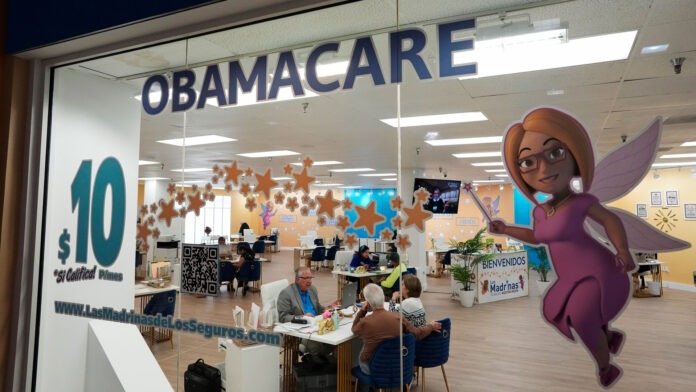

New Jersey Faces Health Care Challenges Amid Rising Costs and Funding Cuts in 2026. New Jersey residents are bracing for a challenging year in healthcare as rising insurance premiums, reductions in federal and state funding, and public health concerns converge to create pressure on families and healthcare providers across the state. Trends from 2025 indicate that affordability and access to essential care may become increasingly strained, highlighting the need for awareness, planning, and preventive measures.
One of the most pressing concerns is the sharp rise in health insurance costs. Average premiums in New Jersey’s individual market are projected to increase by approximately 16.6% for 2026. For nearly 500,000 residents enrolled in the state-run marketplace, GetCoveredNJ, the expiration of enhanced federal subsidies could mean total insurance costs soaring by as much as 175%, creating a significant financial strain on households already balancing living expenses, mortgage or rent, and other essentials.
Funding cuts to key programs compound the issue. Federal legislation enacted in 2025 has led to projected reductions exceeding $1 trillion in Medicaid and $186 billion in the SNAP food-aid program over the next decade. In New Jersey, this translates to an estimated $3.6 billion annual loss in federal Medicaid funding, putting roughly 350,000 residents at risk of losing coverage. Similarly, around 800,000 residents who rely on SNAP could face benefit reductions or complete loss of access, increasing pressure on food banks and social services throughout the state.
At the state level, the Fiscal Year 2026 budget reduced funding for the Charity Care program by $76 million. This program subsidizes hospitals for care provided to uninsured patients, and the cut places added stress on hospital systems, potentially affecting access to free or low-cost care for vulnerable populations. Healthcare facilities in urban centers and rural areas alike may need to reevaluate staffing, services, and operational priorities as demand grows and funding declines.
Amid these challenges, efforts to promote preventive care and public health initiatives have offered some positive developments. RWJBarnabas Health launched a “Get Checked” campaign in collaboration with New Jersey Devils star Jack Hughes, encouraging residents to prioritize regular health screenings and preventive measures. Public awareness campaigns like this aim to reduce long-term healthcare costs by identifying potential health concerns early. However, ongoing public health risks remain. State officials have issued alerts about possible measles exposure at Newark Liberty International Airport, coinciding with rising measles cases statewide, highlighting the importance of vaccinations and proactive health monitoring.
The combined impact of higher insurance premiums, reduced coverage, and decreased hospital funding is expected to place significant strain on New Jersey’s healthcare infrastructure in 2026. Experts warn that these pressures could result in service reductions, longer wait times, and, in some cases, closures of medical facilities, particularly in communities with higher numbers of uninsured or underinsured residents.
As New Jersey navigates these challenges, residents are encouraged to stay informed, take advantage of preventive care initiatives, and explore available healthcare resources. For continuous updates on state healthcare developments, public health initiatives, and wellness programs, readers can follow Explore New Jersey’s health and wellness coverage for in-depth reporting and guidance.
New Jersey residents may face a more difficult health landscape in 2026 as a combination of rising insurance premiums, reductions in state and federal support, and public health risks put increasing pressure on families and healthcare systems across the state. National trends indicate a potential decline in overall health security for many Americans, and the Garden State is feeling these effects acutely.
One of the most immediate concerns for New Jersey residents is the projected increase in health insurance costs. Approximately 513,000 residents enrolled in the state-run marketplace, GetCoveredNJ, could see premiums rise by an average of 15.9% to 16.6% in 2026 unless federal intervention occurs. These increases are compounded by the expiration of enhanced premium tax credits, which have provided crucial relief to marketplace enrollees in recent years. Without these credits, roughly 91% of current participants could experience total health insurance costs soaring by as much as 175%, creating a significant financial burden for households already balancing other living expenses.
Cuts to federal and state-level programs further exacerbate the situation. Federal legislation over the next decade plans reductions of more than $1 trillion to Medicaid, alongside $285 billion from the SNAP food assistance program. Thousands of low-income New Jersey residents may lose access to essential medical coverage or nutritional support, contributing to potential worsening health outcomes. On the state level, the Fiscal Year 2026 budget includes a $76 million reduction in funding for the Charity Care program, which provides critical subsidies to hospitals caring for uninsured patients. This reduction puts additional strain on hospitals and healthcare providers already navigating high demand and resource limitations.
Public health concerns are also on the rise. Weakening environmental protections and relaxed air pollution limits at the national level could make residents more vulnerable to respiratory and other health conditions. New Jersey officials have already issued warnings about potential measles exposure at Newark Liberty International Airport, and recent high wind events causing power outages highlight the vulnerability of certain populations, including the elderly and those reliant on medical equipment.
Despite improvements in health coverage over the past decade, affordability and systemic support are becoming increasingly strained. Families across New Jersey may face difficult decisions regarding coverage, treatment options, and preventive care as costs climb and aid programs shrink. Healthcare providers, advocacy organizations, and state policymakers are under pressure to respond to these challenges to prevent worsening outcomes for vulnerable populations.
Residents looking to stay informed about healthcare developments, wellness initiatives, and statewide programs can find continuous updates and analysis in Explore New Jersey’s health and wellness coverage, which provides in-depth reporting on policies, resources, and community impacts.
















