


The holiday movie season has arrived with unusual local flair, as New Jersey once again proves it is more than just a filming backdrop. It is a full-scale production destination where award contenders, box-office hopefuls, and visionary filmmakers are shaping the next generation of cinema. From prestige dramas to glossy music-driven features and suburban thrillers, the Garden State is playing an outsized role in some of the most talked-about releases of the year.
The state’s film economy continues to surge. Production spending reached unprecedented levels in 2024, and early projections show that the coming years are on track to push that figure even higher. Major studios are deepening their investment, with large-scale facilities under development in Fort Monmouth, Newark, and Bayonne. These expansions are expected to anchor New Jersey as one of the most important film and television production hubs on the East Coast, creating jobs, attracting talent, and reinforcing the state’s growing reputation in the entertainment industry.
One of the most buzzed-about thrillers currently in theaters, The Housemaid, places New Jersey squarely in the spotlight. Set inside a lavish suburban estate, the film transforms local communities into the stage for a tense, psychologically charged story that has quickly become a conversation starter among moviegoers. Viewers will recognize everything from elegant mansions to everyday roadside stops as the narrative unfolds, offering a distinctly local visual fingerprint. For fans of spotting familiar landmarks on the big screen, the movie delivers a uniquely Jersey viewing experience.
Another highlight of the season is Father Mother Sister Brother, a critically acclaimed film that uses the quiet beauty of northern New Jersey to set an introspective and emotionally layered tone. Its opening chapter unfolds against a wintry rural backdrop that feels both intimate and cinematic, emphasizing the state’s versatility as a filming location capable of standing in for regions far beyond its borders.
Adding to the excitement is Marty Supreme, which brings Timothée Chalamet back to New Jersey for another awards-season contender. Set in the early 1950s, the film recreates a bygone era across multiple local communities, from historic theaters to urban streetscapes and large-scale arena interiors. The story’s energetic spirit is matched by a diverse cast and ambitious set design, showcasing the state’s ability to host productions that demand both spectacle and period authenticity.
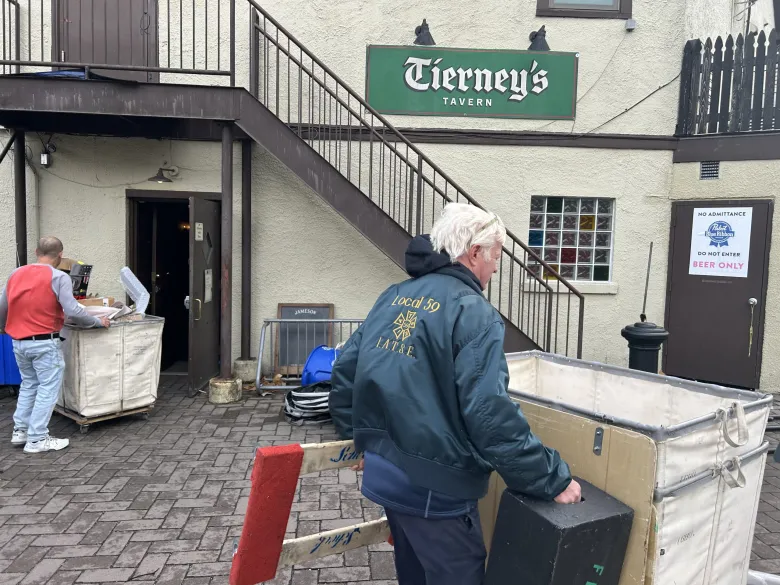
Music lovers have another reason to celebrate with Song Sung Blue, a heartfelt biographical film that leans heavily into New Jersey’s nostalgic charm. Local homes, amusement parks, lodges, and taverns double as Midwestern venues in a story centered on a Neil Diamond tribute duo whose rise is fueled by perseverance, love, and song. The film’s sweeping musical moments are paired with intimate scenes filmed in recognizable community spaces, giving the story a warmth that feels grounded and familiar to New Jersey audiences.
Together, these films demonstrate why the Garden State has become a magnet for filmmakers. Its blend of urban centers, small towns, historic venues, coastal landscapes, and modern studio infrastructure makes it uniquely adaptable. Productions can move seamlessly from gritty city streets to tranquil countryside without leaving the state, a logistical advantage that continues to attract major studios and independent creators alike.
Readers interested in exploring more stories about how New Jersey continues to shape film and television can find ongoing features and local spotlights in the Film & TV section, where the state’s role in modern entertainment is regularly highlighted.
As awards season builds momentum and theater marquees glow brighter across New Jersey, the message is clear. The Garden State is no longer simply hosting Hollywood. It is helping define it, one memorable scene at a time.
New Jersey Commands Hollywood’s Holiday Season With Award Contenders, Iconic Directors, and a Billion-Dollar Film Boom
As theaters fill with awards-season contenders and prestige releases, New Jersey is no longer quietly hosting productions in the background. The Garden State has become a central engine of modern American filmmaking, drawing Oscar-caliber talent, legendary directors, and record-setting production investment that continues to reshape the state’s cultural and economic footprint.
Film and television spending in New Jersey reached an all-time high in 2024, pushing past eight hundred million dollars and firmly positioning the state as one of the fastest-growing production hubs in the nation. Momentum is only accelerating. With massive new studio developments rising in Fort Monmouth, Newark, and Bayonne, industry projections indicate that New Jersey’s production economy is preparing to eclipse its own records once again, creating long-term infrastructure, union jobs, and a permanent creative ecosystem.
This holiday season, that transformation is playing out on screens across the country.
One of the most critically lauded films of the year, Father Mother Sister Brother, brings legendary independent filmmaker Jim Jarmusch back to New Jersey — a state that has long served as both muse and canvas for his work. From Stranger Than Paradise and Ghost Dog to Broken Flowers and Paterson, Jarmusch has repeatedly returned to New Jersey’s neighborhoods, landscapes, and quiet roads to tell deeply human stories. His latest film, a triptych that also spans Ireland and France, earned the Golden Lion at the Venice Film Festival and opens in theaters December 24.
The opening chapter, titled Father, was filmed in West Milford at Two Pond Farm near Zeliff Pond, where winter light, snow-lined roads, and a secluded pond-side home become more than scenery — they function as emotional architecture. The hushed rural drive filmed along Weaver Road establishes the film’s introspective tone as siblings, played by Adam Driver and Mayim Bialik, reunite with their estranged father, portrayed by longtime Jarmusch collaborator Tom Waits. The conversations unfold slowly and honestly, allowing silence to shape meaning in a way that has become the director’s signature. Mountain Lakes native Frederick Elmes, one of the film’s cinematographers, lends visual poetry to the Jersey sequences, reinforcing the state’s ability to carry prestige cinema on the world stage.
While Jarmusch delivers quiet introspection, another major awards contender injects kinetic energy into New Jersey’s cinematic moment.
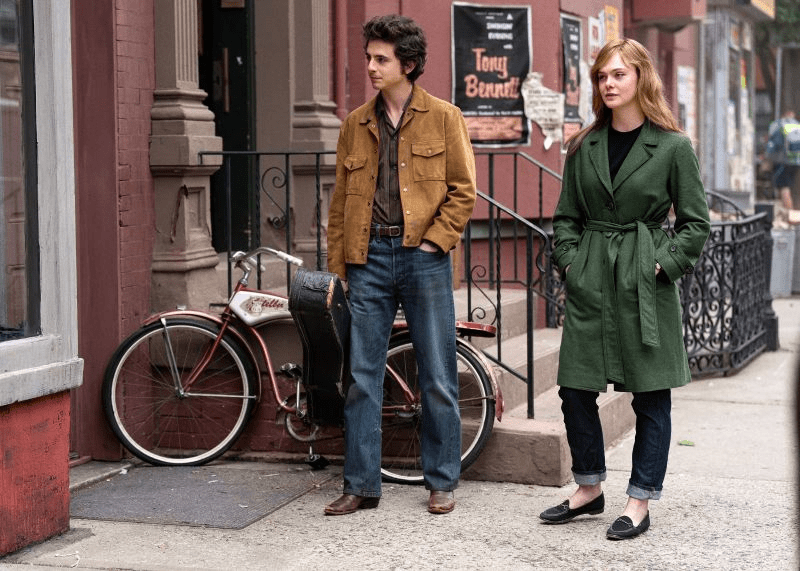
Marty Supreme, opening December 25, brings Timothée Chalamet back to the Garden State in a bold, period-charged performance directed by Josh Safdie. Inspired by legendary table tennis hustler Marty Reisman, the film transforms New Jersey into a 1950s competitive battleground, with elaborate tournament scenes staged inside the Meadowlands Arena and period-perfect street scenes filmed in Paterson, Elizabeth, Hopewell Borough, and Chesterfield. The film’s ambitious production design, high-profile ensemble cast, and Golden Globe nominations further cement New Jersey’s reputation as a state capable of supporting large-scale, awards-caliber storytelling.
Together, these films underscore what industry leaders already know: New Jersey is no longer doubling for other places — it is becoming a cinematic destination in its own right. Its neighborhoods, farmland, historic theaters, urban corridors, and modern studio complexes allow filmmakers to capture nearly any environment without leaving state lines. That versatility has turned local communities into recurring film backdrops and tourism points of interest, strengthening the connection between cinema and place.
Ongoing coverage of New Jersey’s growing role in film and television production can be found in the Film & TV section, which continues to track the productions, talent, and locations shaping the state’s rise as an entertainment powerhouse.
As audiences settle into theaters this holiday season, they are not just watching award contenders. They are watching New Jersey — its landscapes, its communities, and its creative future — take center stage in a film economy that is no longer emerging, but firmly established.
















