
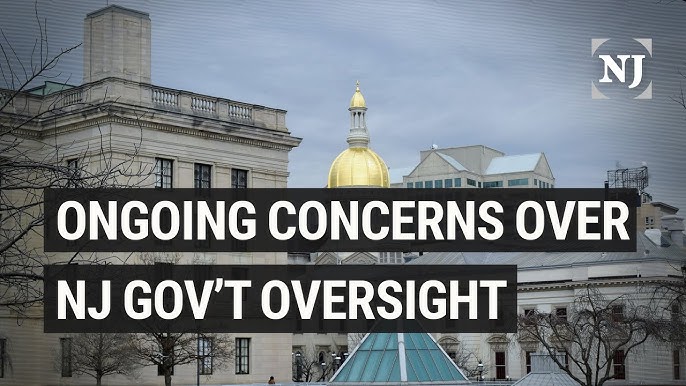

A recent legislative hearing on S4924 has sparked widespread concern about the state of public transparency and accountability in New Jersey. Advocates and longtime observers warn that the proposed changes, including significant reductions to the powers of the Comptroller’s Office, represent another step in a long-running trend of dismantling the state’s oversight institutions. The hearing has been described by critics as one of the most egregious displays of legislative disregard for public input in decades.
For years, New Jersey has experienced a gradual erosion of mechanisms designed to protect public participation and ensure government accountability. Key watchdog offices and independent agencies that once provided oversight, investigated misconduct, and safeguarded public interest have been weakened, reduced, or eliminated altogether. Critics argue that these moves are not isolated incidents but part of a sustained effort to limit transparency and centralize power, leaving citizens with fewer tools to monitor government operations.
Among the most notable losses are the Public Advocate, eliminated in 2010, and the Office of Inspector General, both of which historically served as independent channels for identifying waste, fraud, and misconduct. Meanwhile, campaign finance and pay-to-play laws have been rolled back, granting greater influence to corporate donors and party insiders. Oversight bodies such as the Election Law Enforcement Commission (ELEC) and the State Commission of Investigation (SCI) have faced weakened leadership, vacancies, and procedural limitations, further diminishing their ability to hold government accountable.
Current proposals to merge or diminish the State Comptroller with the SCI would remove one of the few remaining checks on mismanagement and corruption. Efforts to reduce civilian oversight of the State Police and eliminate the Waterfront Commission, which historically guarded against organized crime at the ports, underscore the broad scale of transparency rollbacks.
Public access to government proceedings has also been restricted. Open public meetings and comment opportunities are increasingly limited through procedural rules, permit requirements, and virtual-only hearings. Citizen involvement in referendums, recalls, and local governance has become more difficult, with stricter signature thresholds and narrower eligibility criteria. These barriers restrict participation and hinder ordinary residents from influencing decisions that impact their communities.
Transparency laws, intended to shed light on officials’ activities, have been similarly weakened. Ethics disclosures are often minimal, while government record requests under OPRA are delayed or denied, limiting the press and public’s ability to investigate potential abuses. Pay-to-play politics has become entrenched, with special interests gaining privileged access to lawmakers while ordinary citizens face significant hurdles in voicing concerns.
The consequences of diminishing oversight and transparency are far-reaching. Citizens may face environmental rollbacks, higher taxes, corporate subsidies, and privatization of public assets without meaningful public input. With fewer independent watchdogs and less media scrutiny, opportunities for corruption, mismanagement, and insider deals grow, reinforcing public distrust in government institutions.
New Jersey was once recognized as a national leader in open government, pioneering laws such as the Open Public Records Act, public financing for elections, and robust public meetings statutes. Advocates urge that restoring these protections, maintaining an independent Comptroller, and reversing recent rollbacks are essential to reclaiming accountability and rebuilding trust. Governor-Elect Sherrill has signaled a commitment to improving transparency, a move that many see as a first step toward reviving the state’s legacy of open governance.
Residents seeking detailed updates on state legislative actions, accountability initiatives, and government oversight can follow developments through New Jersey politics coverage, ensuring they remain informed and empowered to engage with decisions that affect their communities.
















